
REVIEW · RIO DE JANEIRO
Rio Culture and History through the Art of Traditional Foods
Book on GetYourGuide →Operated by Gregtur Tourism · Bookable on GetYourGuide
Food in Rio has history baked in. This tour turns traditional bites into a guided story. You’ll start with classic snacks, then swing through the sweet stuff at Colombo confectionery, and you’ll top it off with views from the tram route between downtown and Santa Teresa. I especially love how the tastings feel practical and varied, not just one repeat stop, and I like that the guide ties each food to family traditions and Rio life. The main catch is the price: at $198, it’s not a casual spend, so you’ll want to show up hungry and ready to taste.
You cover about 1 mile total on foot, with a tram ticket included, so the walking stays very manageable. Still, you’ll be out for about 6 hours and you can’t bring luggage or large bags, so plan a light day. Expect English or Spanish guiding, with departures starting at 10:45 am.
In This Review
- Key Points Worth Marking
- Rio Food Culture and History, Served One Bite at a Time
- Santa Teresa and Lapa: Why Two Neighborhoods Change the Taste Story
- The Colombo Confectionery Stop: When Rio Goes Sweet and Salty
- From Pão de Queijo to Coxinha: Icon Foods and What They Signal
- Traditional Ingredients You’ll Learn to Spot: Manioc, Tapioca, Açai
- The Tram Over Lapa Arches and Ruinas Park: Views That Pay Off
- Drinks with Meaning: Cachaça and Local Beer on the Route
- Guides, Storytelling, and the Small Details That Make It Feel Personal
- Price and Logistics: Is $198 Good Value?
- Timing and What to Do Before You Meet at 10:30
- What to Bring (So the Day Feels Easy)
- Who This Tour Fits Best
- Should You Book This Rio Food Tour?
- FAQ
- How long is the Rio food and culture tour?
- What time does the tour start, and when should I check in?
- How much walking is involved?
- Are food tastings and drinks included?
- Is the tram ride included?
- What languages is the tour guide available in?
- Is luggage or a large bag allowed?
Key Points Worth Marking
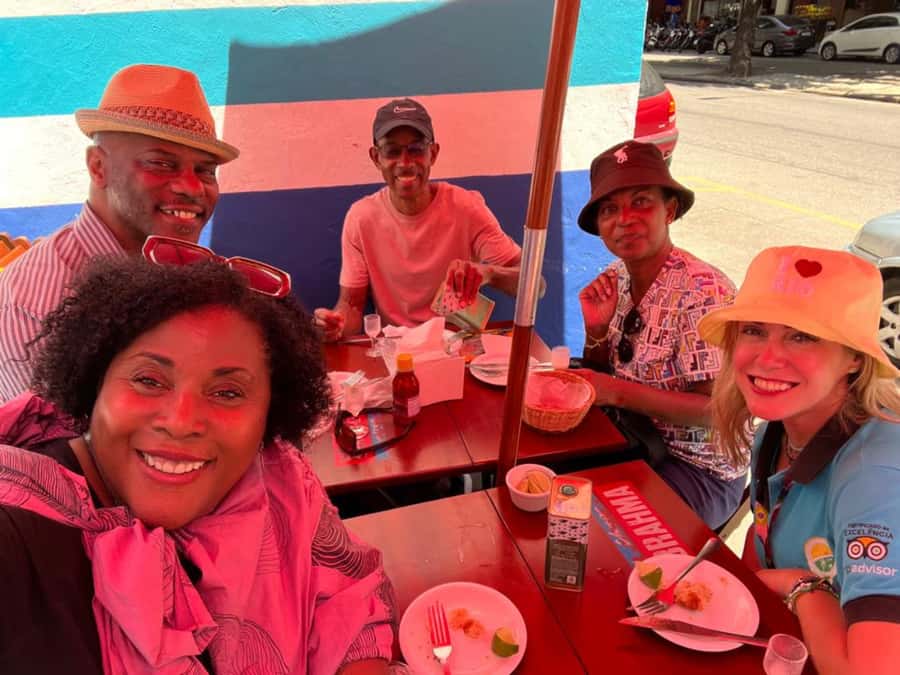
- Icon snacks, not just small samples: pão de queijo, coxinha, and more show up early and often.
- Colombo confectionery for sweet-and-salty contrast: a stop built around the best Rio comfort flavors.
- Tram ride over the Lapa Arches aqueduct: moving sightseeing with panoramic city views.
- Traditional ingredients you can actually name: açai, tapioca, and manioc flour show up on the menu.
- Cachaça and local beer with context: drinks are part of the cultural explanation, not an add-on.
- Guides matter here: people raved about Romayne and also Camila/Camilla for storytelling and connections at stops.
Rio Food Culture and History, Served One Bite at a Time

Rio’s food is not just food. It’s a map of migrations, family routines, and neighborhood pride. This 6-hour walking and tram tour keeps the focus where it should be: on what you eat, why it exists, and how locals actually order it.
If you like guided travel that doesn’t waste time, you’ll appreciate the structure. You’re not wandering for hours trying to figure out where to go next. Your route links Santa Teresa and Lapa, two areas with very different vibes, and you taste through both sides of the city.
I also like that the tour isn’t only about the famous Instagram foods. Yes, you’ll hit well-known favorites like pão de queijo and coxinha, but you’ll also run into dishes and drinks tied to traditional ingredients like açai, tapioca, and manioc flour. That matters because it turns tasting into learning you can remember.
One more thing: the drinks are part of the experience, including cachaça and local beer. It’s not just a sip and move on. The idea is to connect the glass to the culture behind it.
You can also read our reviews of more historical tours in Rio De Janeiro



Santa Teresa and Lapa: Why Two Neighborhoods Change the Taste Story
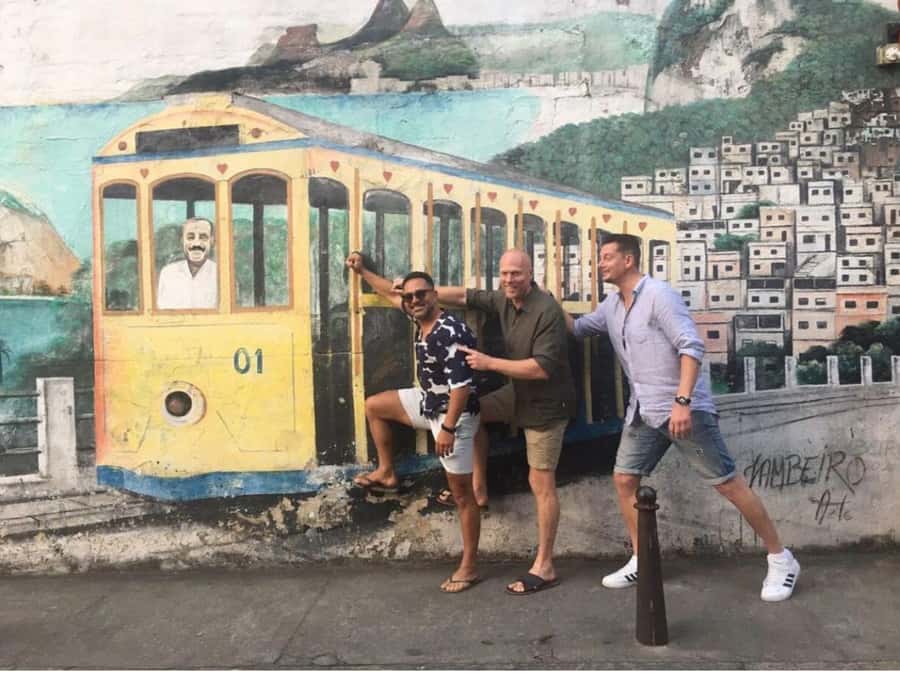
Santa Teresa and Lapa are close enough for one day, but they feel like different worlds. Lapa is known for lively streets and nightlife energy. Santa Teresa carries a more artsy, older-Rio feel, and it’s the kind of place where food spots feel personal rather than corporate.
On your route, you’ll spend time in both neighborhoods, with your guide pointing out what’s happening and how the area fits into Rio’s food culture. This is especially useful if it’s your first time in Rio and you don’t yet know how the city’s “where you are” affects what you eat.
You’ll also get that practical “getting your bearings fast” effect. The tour uses walking plus tram movement to connect downtown to viewpoints and neighborhoods you might otherwise treat separately. That’s a smart shortcut.
The Colombo Confectionery Stop: When Rio Goes Sweet and Salty
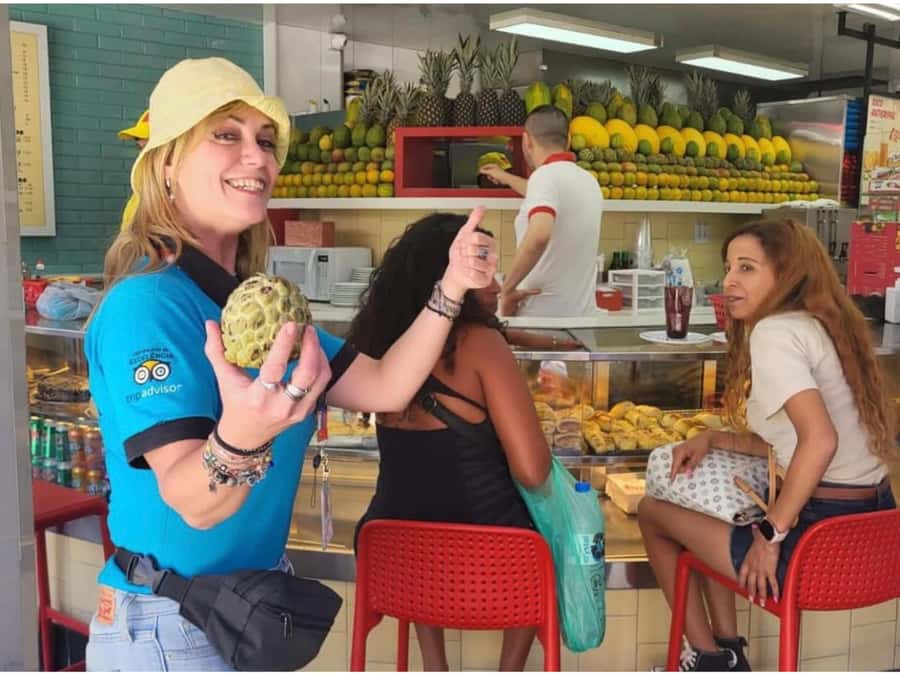
Colombo confectionery is one of those Rio institutions you hear about for a reason, and this tour builds a dedicated stop around it. The point isn’t just to eat something sugary. It’s to show you how Rio balances sweet cravings with salty snack culture in the same day.
Expect to lose yourself a bit in the variety: sweets and savory bites show up as you browse and sample. That contrast is where the fun is. You start learning how people build a snack rhythm here—what pairs well with what, and how the day’s flavors can shift.
If you’re the type who thinks you can only do one dessert per day, this stop may gently disarm that plan. You’ll likely want to taste more than you think you can manage, because the choices come quick and the samples are part of the flow.
From Pão de Queijo to Coxinha: Icon Foods and What They Signal

The food list you’ll encounter reads like the starter deck of Brazilian comfort snacks. Pão de queijo, coxinha, and other local products aren’t random picks. They’re street-food and snack staples that help you understand local cravings right away.
Here’s why those early stops matter: when you taste something iconic early on, the rest of the tour makes more sense. You start noticing ingredients and textures. You learn the logic behind why these snacks are so repeat-ordered back home.
You may also taste bacalao fritters and enjoy classic drink pairings like caipirinhas, depending on the day and the exact tasting lineup. The goal stays consistent: you should leave with a mental catalog of what Rio eats for pleasure, not just what Rio eats because it has a tourist label.
Traditional Ingredients You’ll Learn to Spot: Manioc, Tapioca, Açai
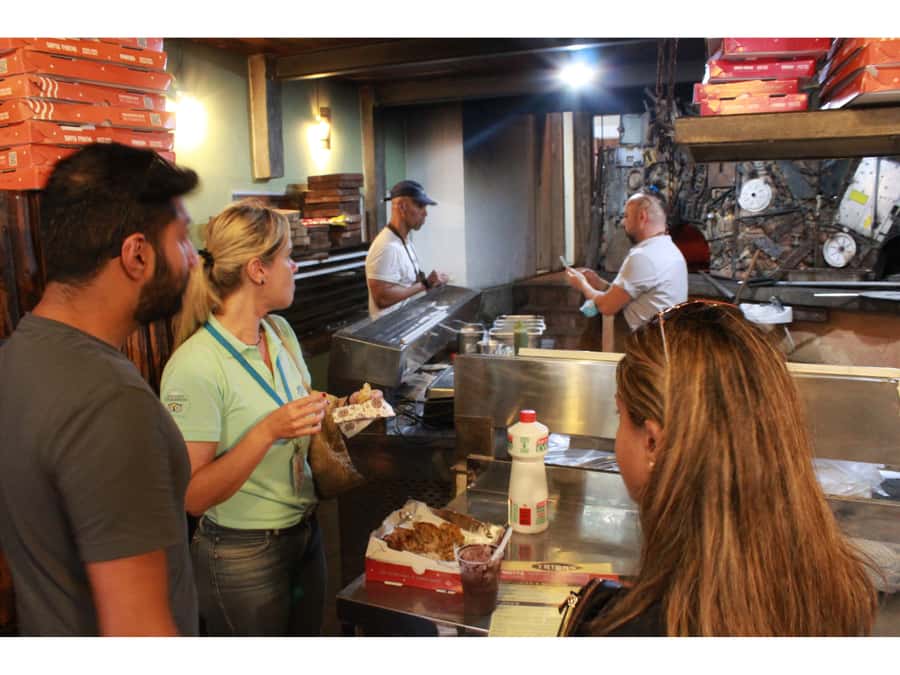
This is one of the best value parts of the tour: the tasting is tied to key elements in traditional Brazilian cuisine, with açai, tapioca, and manioc flour showing up in what you try. That turns a food tour into something you can repeat at restaurants later.
Manioc flour matters because it’s a foundational ingredient in Brazilian cooking traditions. Tapioca helps explain how starch can become street-food comfort. Açai is a good reminder that even “healthy-sounding” bowls are really about local taste and habit.
If you’re the kind of traveler who wants to be able to order with confidence later, this portion helps. You’ll understand what you’re looking at when you see tapioca on a menu, and you’ll know how to ask basic questions without sounding lost.






The Tram Over Lapa Arches and Ruinas Park: Views That Pay Off
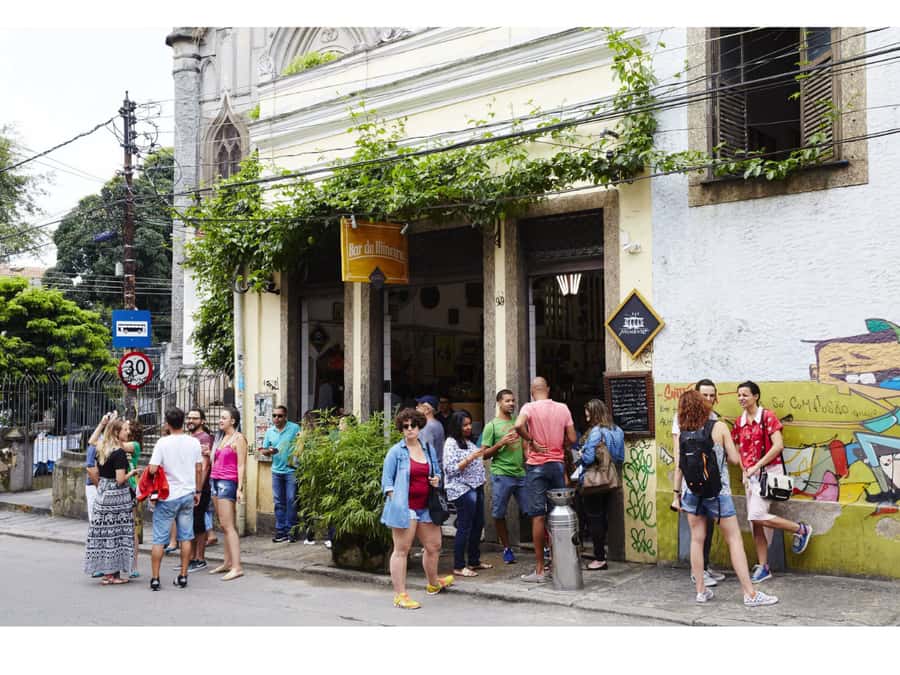
Food tours sometimes treat sightseeing like a small bonus. This one treats it like part of the story. A highlight is the charming tram ride over the Lapa Arches aqueduct, with your route passing Ruinas Park.
The tram segment does two things for you. First, it gives you a break from walking without breaking the momentum. Second, it makes the city’s scale real. From the moving ride, you get panoramic city views as you make your way toward Santa Teresa.
This is where the tour feels like more than eating. It’s also a gentle architecture-and-city-layout lesson. You’ll notice how Rio’s geography shapes how people move between areas, which connects back to why certain food cultures evolved in specific spots.
If you’re a photo person, bring your phone battery. The view moments are part of the payoff, and you’ll want enough juice to actually capture them.
Drinks with Meaning: Cachaça and Local Beer on the Route
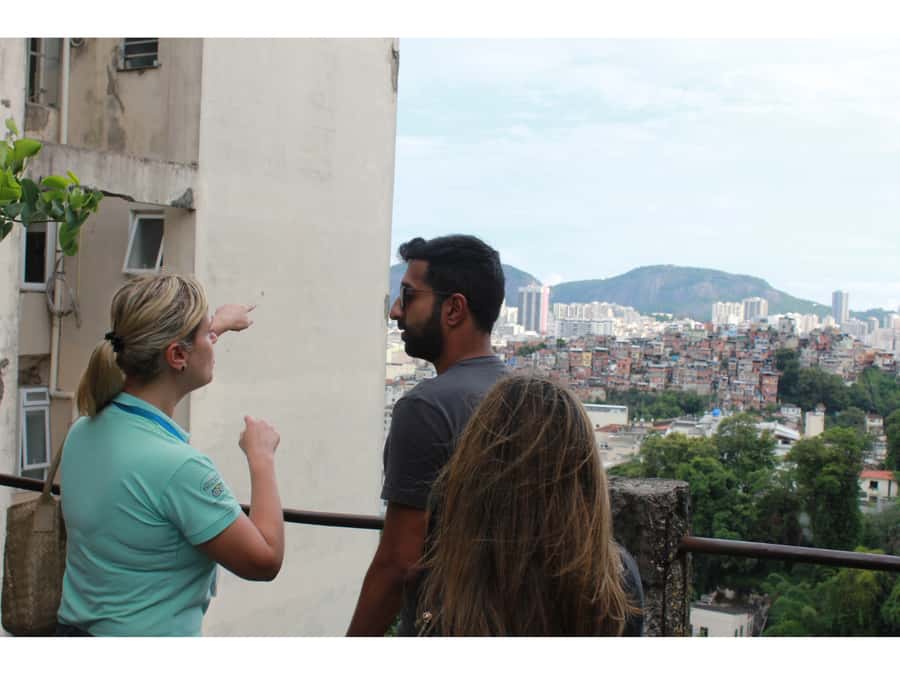
You’ll taste cachaça as part of the tour, along with local beer. What makes this work is the context your guide provides as you drink—culture, history, and family traditions behind each stop.
This matters because cachaça can feel like a mystery if you’ve only had it as a mixed cocktail. Hearing how it fits into Rio life helps you taste it differently. Same idea with beer: you’re not just checking a box for an included drink.
And if you’ve ever wondered why certain places feel like they have loyal regulars, this tour nudges you toward the answer. When your guide connects the food and drink to local identity, the experience feels less like consumption and more like understanding.
Guides, Storytelling, and the Small Details That Make It Feel Personal
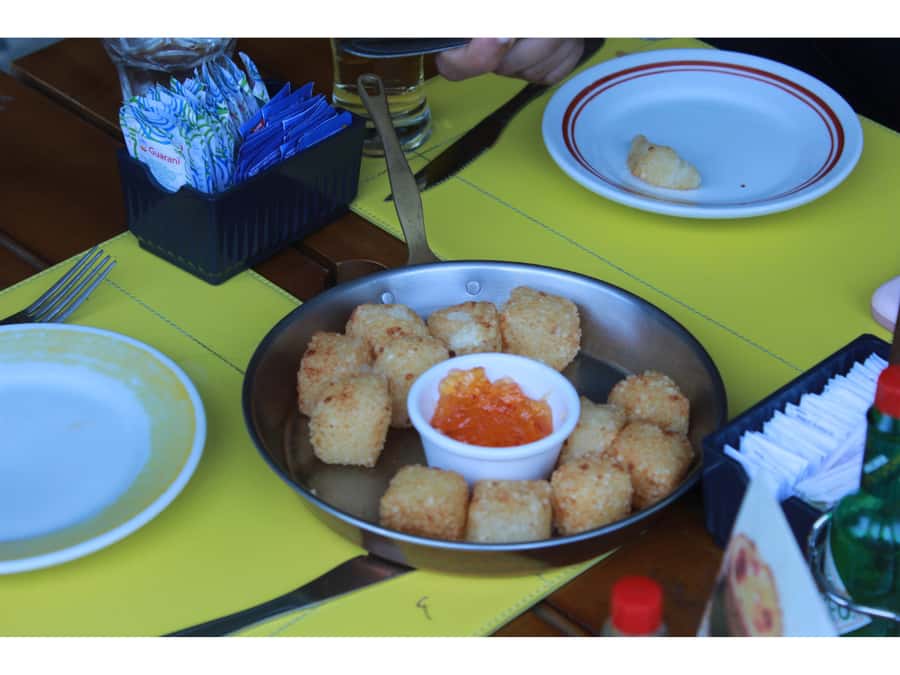
A food tour lives or dies by the guide. In the feedback for this experience, two names come up clearly: Romayne and Camila/Camilla. People highlight that these guides keep the day moving, tell strong stories, and create an easy, friendly atmosphere at tastings.
One practical advantage of a strong guide is access. Some guides seem to have real relationships with staff at the stops, so you often feel welcomed rather than processed. That matters because the tastings are better when you can ask questions and actually talk to the people behind the food.
You should also know this: tastings mean you’ll want to follow the pace. If you go off on your own to browse instead of listen, you miss the context that turns a snack stop into learning.
Price and Logistics: Is $198 Good Value?
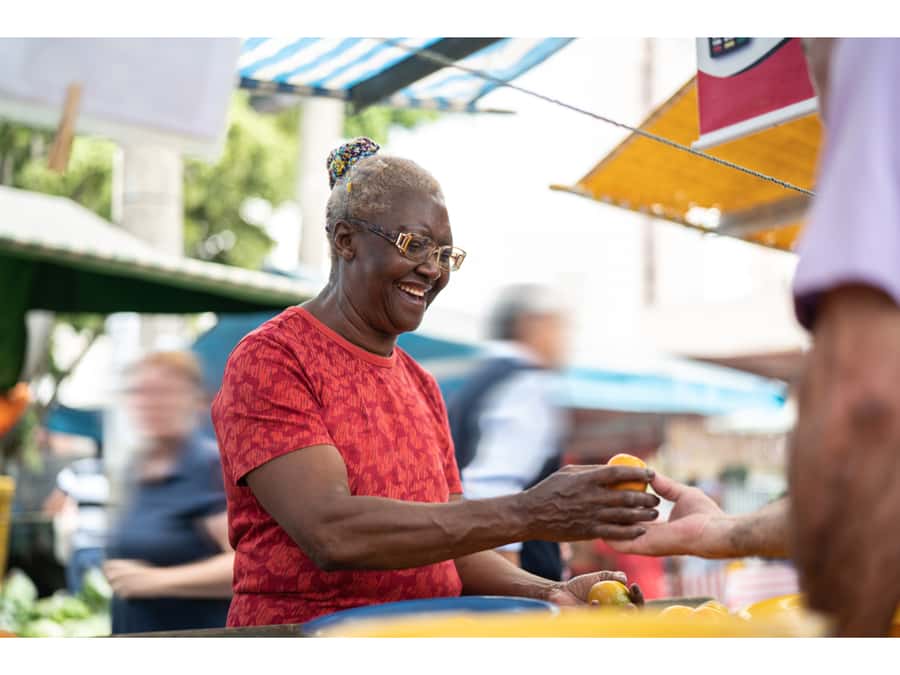
At $198 per person, this tour is a mid-to-higher priced food experience. So the real question is what you get for the money.
You do get a lot of inclusions that add up fast if you tried to replicate them on your own: a professional guide, tastings and food samples, a tram ticket, entrance fees, and the structured walking tour. You’re also covered for multiple neighborhoods—Santa Teresa and Lapa are the big draw—with both food and sightseeing worked into the schedule.
The cost also makes sense if you value the cultural framing. The tour isn’t only about eating. It’s about learning Rio’s food history through traditions and explanations. If you’re the type who wants to understand what you’re tasting (manioc flour, tapioca, açai) instead of just ticking off dishes, you’re more likely to feel this price is justified.
On the other hand, if you’re a light eater and you’re not interested in cachaça or local beer, you might feel it’s pricey. In that case, you might prefer a shorter, cheaper tasting option. This one is built for people who enjoy a full food day.
Timing and What to Do Before You Meet at 10:30
The day starts in the morning: check-in is at 10:30 am and departure is at 10:45 am. You’ll meet your guide at the designated meeting point and should arrive at least 10 minutes early.
Plan your morning like an easy errand. Get there on time, keep your belongings minimal, and be ready to walk. Since the distance walked is about 1 mile, you don’t need hardcore fitness. You do need comfortable shoes and clothes you can move in.
Also, note the rules: no luggage or large bags. If you’re traveling with a big suitcase, this is not the moment to lug it around town.
What to Bring (So the Day Feels Easy)
This tour is outdoor-friendly, so bring basics that reduce friction:
- sunglasses
- a sun hat
- comfortable clothes
- outdoor clothing
A small practical tip: wear layers if Rio weather shifts. The tour is long enough that you might want the option to adjust. And since you’ll taste a lot, don’t dress in a way that makes you constantly tug at pockets or bags.
Who This Tour Fits Best
This experience is a great match if you:
- want a focused day of food plus sightseeing
- like learning the why behind what you eat
- enjoy neighborhoods like Santa Teresa and Lapa
- don’t mind a guided pace with multiple tastings
- want included drinks (cachaça and local beer)
It’s also a strong choice for first-timers in Rio who want more context than a simple restaurant list. The day connects downtown movement, tram views, and neighborhood stops into one clear arc.
If you hate structured tours or you prefer total freedom, it may feel a bit guided. But if you like knowing where you’re headed and what’s coming next, you’ll likely enjoy the flow.
Should You Book This Rio Food Tour?
I’d book it if you want a full, guided food-and-views day in Rio that teaches you ingredients and traditions, not just snacks. The strongest selling points are the Santa Teresa/Lapa pairing, the tram ride over the Lapa Arches with Ruinas Park views, and the fact that the tastings target specific traditional elements like açai, tapioca, and manioc flour.
I’d think twice only if $198 feels too steep for your budget or you’re not interested in cachaça and local beer. Also, if you can’t travel light due to luggage needs, this tour’s rules will be annoying.
If you’re in the target group—hungry, curious, and willing to walk lightly—this one is a solid, memorable way to understand Rio through food.
FAQ
How long is the Rio food and culture tour?
The tour lasts about 6 hours.
What time does the tour start, and when should I check in?
Check-in is at 10:30 am, and the tour departs at 10:45 am.
How much walking is involved?
The distance walked is about 1 mile, suitable for most fitness levels.
Are food tastings and drinks included?
Yes. The tour includes tastings and food samples, and it includes beverages such as cachaça and local beer as part of the route.
Is the tram ride included?
Yes. A tram ticket is included.
What languages is the tour guide available in?
The live tour guide is available in English and Spanish.
Is luggage or a large bag allowed?
No. Luggage or large bags are not allowed on this tour.