REVIEW · RIO DE JANEIRO
Rio De Janeiro: Half-Day Rocinha Favela Walking Tour
Book on GetYourGuide →Operated by LOCAL55 TRAVEL · Bookable on GetYourGuide
Rocinha feels real in a way screens don’t. This half-day walking tour is built around seeing day-to-day life in Rio’s largest favela without treating residents like entertainment. I especially like how the guides use local stories to counter the usual headlines.
My second big reason to like it is that you’re on foot, not sealed into a jeep, so you get a clearer sense of how the neighborhood connects, climbs, and works. One caution: this is a physically demanding walk with narrow alleys and stairs, and it is not a fit for knee problems or mobility limitations.
In This Review
- Key things to know before you go
- Rocinha on foot: why this tour feels different
- Meeting in Copacabana: how to find the start point fast
- The walk itself: stairs, narrow alleys, and what you’re really signing up for
- What you learn: history, stereotypes, and daily-life reality
- Rooftop views and photo stops: why Novo Visual Rocinha matters
- Capoeira on the route: culture you can watch, not just read
- Safety and respect: the rules that keep this humane
- Price check: what $35 buys you (and why it’s not just a discount tour)
- Who should book this Rocinha half-day walk
- Should you book this Rocinha half-day tour?
- FAQ
- How long is the Rocinha walking tour?
- How much does the tour cost?
- Where do I meet for the tour?
- Is hotel pick-up included?
- What languages is the tour offered in?
- What should I bring?
- Is there food or drinks included?
- Is the tour suitable for mobility issues or wheelchairs?
- Are there age or weight limits?
- Does my ticket support the community?
- Is cancellation free?
Key things to know before you go

- Local guides + favela hosts lead the experience with a respectful, non-intrusive approach.
- Walking beats driving so you can talk, ask questions, and notice the details of daily life.
- Rocinha’s history and challenges get explained in context, not as quick facts.
- Panoramic Rio viewpoints are often part of the route, making the effort worth it.
- Capoeira culture may be included through a local school or demonstration.
- Your ticket supports the community, since the tour cost includes a monetary contribution.
Rocinha on foot: why this tour feels different

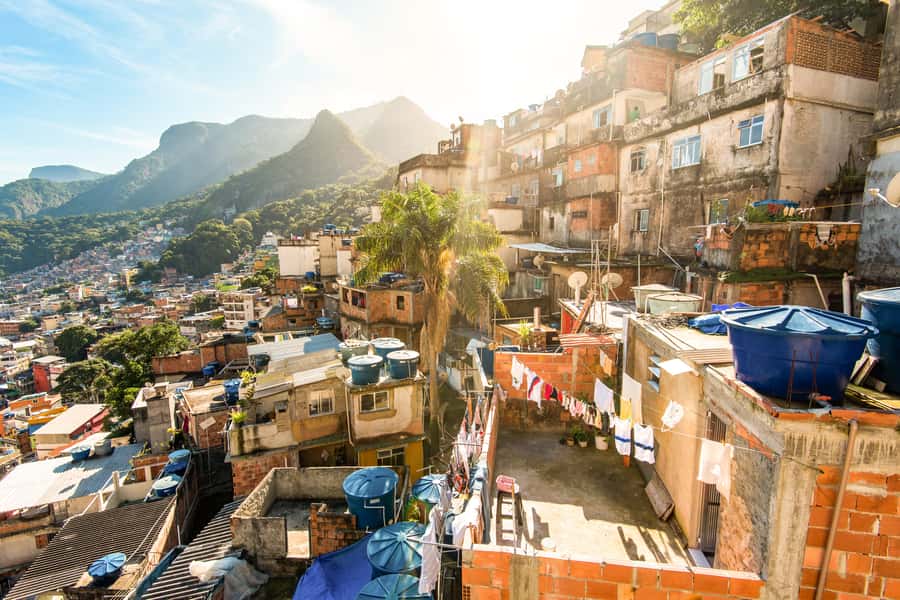
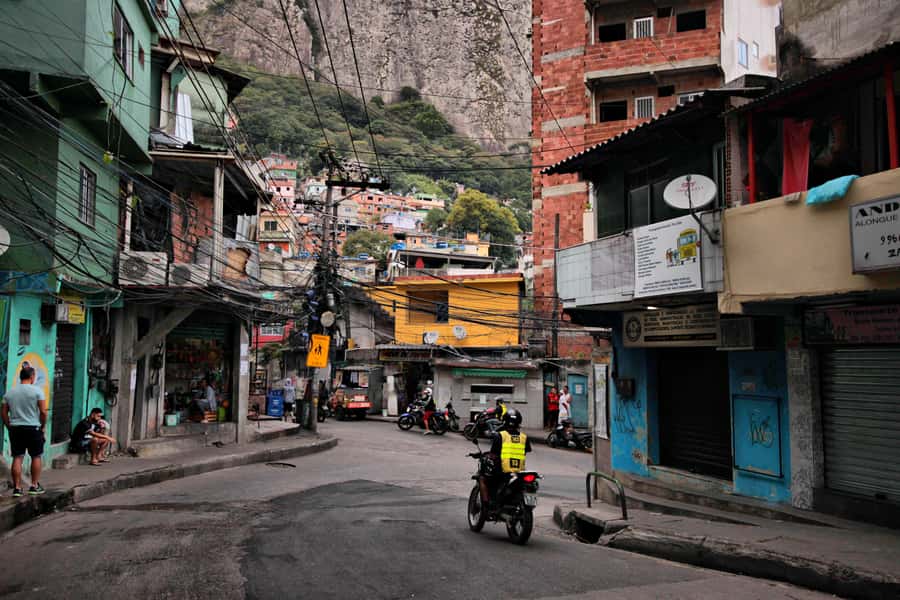
If you come to Rio expecting the usual postcard Rio, this tour can be a sharp reality check. Rocinha is often reduced to crime headlines and movie scenes, but on this walk you’re guided through what daily life looks like when you’re not looking from a distance.
I like that the whole format is built to reduce the worst kind of tourism. You’re in small groups, moving at walking pace, and you hear stories directly from people connected to the neighborhood. That matters because Rocinha isn’t a theme park. It’s people’s homes, routines, and community networks.
The second thing that makes the experience feel grounded is the emphasis on non-intrusive access. You’re not pushing for photo ops at every corner. Instead, you’re learning why the area exists, how it has evolved, and what social and economic challenges look like from inside the neighborhood.
There’s also an extra layer for culture lovers. Multiple guides weave in Rio’s bigger story by connecting favela life to music, dance, and art traditions like capoeira, which you can experience as something living, not museum-style history.
You can also read our reviews of more walking tours in Rio De Janeiro



Meeting in Copacabana: how to find the start point fast
You meet in front of Belmond Copacabana Palace Hotel at 13:25. The address is Av Atlantica 1702, Copacabana.
Look for the Journalist Ibrahim Sued statue right at the main entrance area on the same sidewalk as the hotel’s front door. Give yourself a few minutes to get oriented. Copacabana is busy, and it’s easy to lose track of time if you’re still deciding where you’ll stand.
Practical tip: wear comfortable clothes and plan on being outside for part of the 3-hour tour. You’re also bringing a camera, but keep it secondary to what your guide is explaining.
The walk itself: stairs, narrow alleys, and what you’re really signing up for
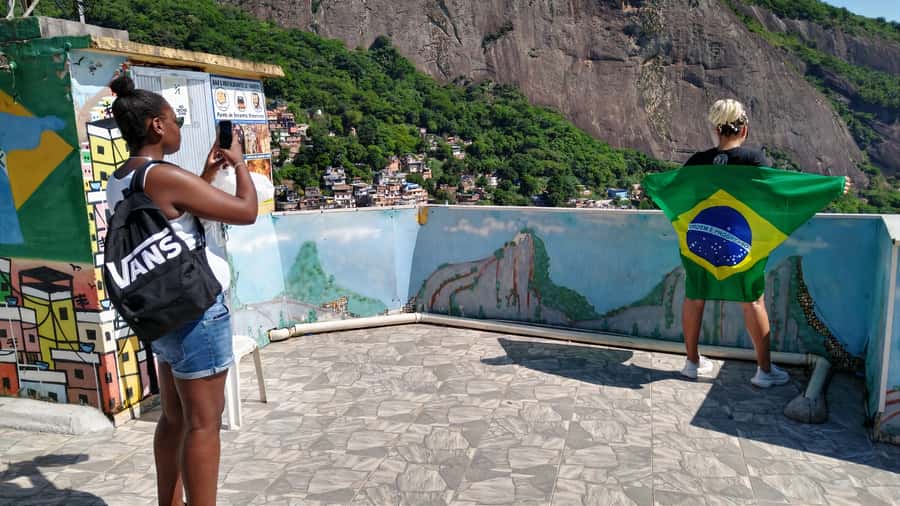
Rocinha’s streets include narrow alleys and stairs, and that’s not a minor detail. The walking route is physically demanding, and the tour specifically notes it is not recommended for people with knee problems or mobility issues.
This matters for two reasons:
- It changes the pace. You’re not strolling. You’re moving carefully, step by step.
- It changes the experience quality. When you’re climbing and descending with a guide who knows the area, you understand the shape of the community in your body, not just in photos.
Based on what’s been shared by previous guests, the guides handle the walk with care, and people often report feeling safe while doing it. Guides with long ties to Rocinha, like Alberto (praised for living in the favela for over 60 years) and guides such as Wellington, are frequently mentioned by name, which tells you the operator values local credibility, not just a script.
But be honest with yourself: if stairs are a problem for you, consider a different Rio activity. This tour is about access on foot, so your legs are part of the deal.
What you learn: history, stereotypes, and daily-life reality

This tour isn’t pretending Rocinha is one simple story. It focuses on the real drivers behind how the favela developed and how residents live now, including the social and economic challenges that come with that reality.
A core theme is how favelas, including Rocinha, get reduced to stereotypes. The tour framework points to how famous films like City of God helped shape the outside world’s perceptions, often in the wrong direction. Here, the goal is to correct that distortion with human context.
You’ll learn things like:
- how Rocinha became shaped by broader Rio history
- what daily life can look like when you’re navigating community rules, local networks, and limited resources
- why residents often describe the neighborhood as family rather than as a label
One detail I really appreciate is the emphasis on meeting locals and hearing their stories. That doesn’t just make the tour more interesting; it’s how you avoid the usual “checklist travel” effect. You’re not just collecting sights. You’re listening to explanations for what you’re seeing while you’re seeing it.
If you come in open-minded and willing to ask questions, the walk becomes more than a tour. It turns into a conversation about what you thought you knew.
Rooftop views and photo stops: why Novo Visual Rocinha matters

Rio is a city of views, and the tour uses that fact to give you perspective you can’t get from street level alone. Several guides’ routes include a viewpoint stop often referred to as Novo Visual Rocinha, which is highlighted for stunning panoramic views over the area.
Why does a viewpoint belong on a favela walk? Because it changes your reading of the neighborhood. From higher ground, you can see how homes layer across slopes, how paths connect, and how the city’s geography is part of the story.
The practical side: there may be small extra costs linked to viewpoint access, depending on the stop your group uses. And since food and drinks are not included, if you choose to buy a drink at a rooftop-style stop, it’s on your own tab.
I’d still consider it part of the value. If you’re doing a physically demanding walk, a strong view provides a clear payoff and gives you something real to anchor your understanding.
You can also read our reviews of more tours and experiences in Rio De Janeiro





Capoeira on the route: culture you can watch, not just read
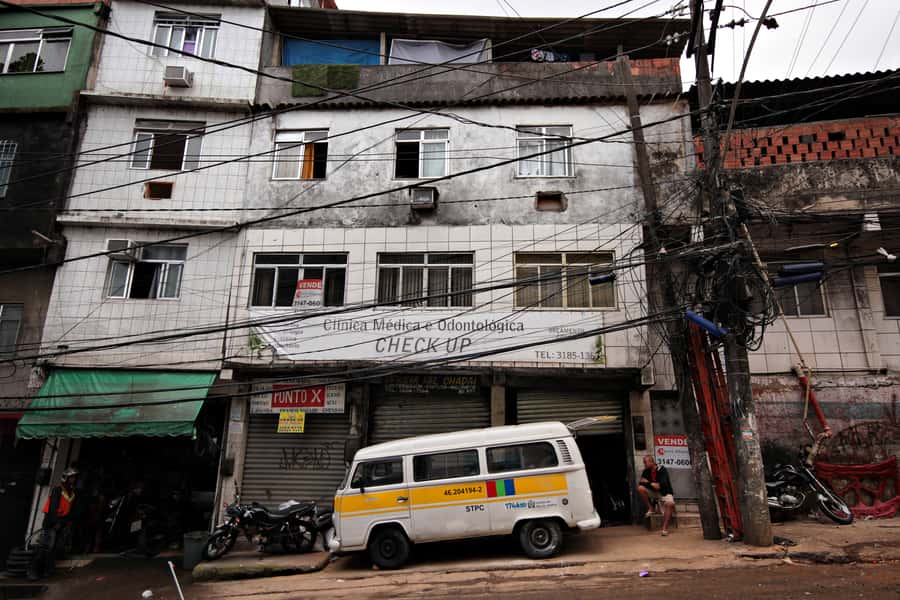
Capoeira shows up in this experience as more than a performance. It’s usually tied to a local capoeira school and taught or demonstrated by community members.
In the experience notes and guest feedback, the Capoeira show is called out as a particular highlight, and the cultural connection is part of what makes Rocinha matter in the wider Rio story. A few guides also mention interactions with kids or youth in capoeira programs, which can be a powerful reminder that culture is carried forward through local teaching, not imported from outside.
If you’re thinking, Will this feel staged, like a quick tourist act? You’ll want to read the tone your guide sets. In a respectful setup, capoeira isn’t just entertainment. It’s communication—movement, rhythm, and history expressed in a form people practice daily.
Optional extras may appear around the capoeira stop too, like small donation suggestions for participation. The tour itself does not include food and drinks, so any additional purchases are separate.
Safety and respect: the rules that keep this humane
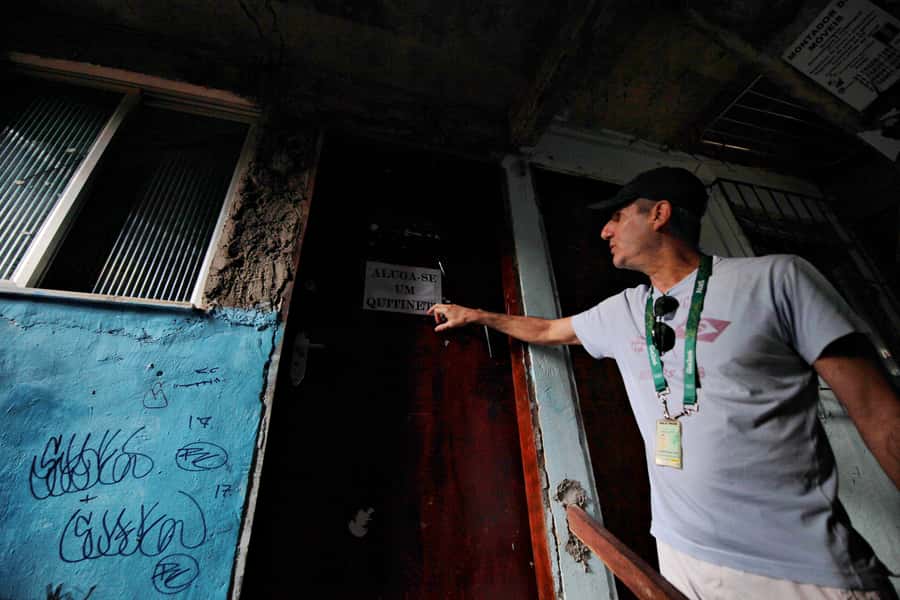
Safety comes up constantly in how people talk about this tour, and that’s because the stakes are real. You’re walking through a working neighborhood, in alleys and stairways, and you rely heavily on the guide’s local understanding and route choices.
Here’s the respectful approach to take:
- Follow your guide’s lead on where to walk and where to pause.
- Keep photos purposeful, not intrusive. If you’re unsure, ask first.
- Dress for comfort and movement. Clothing that limits your stride turns the day stressful.
- Stay with your group. This isn’t the kind of place you should treat like open sightseeing territory.
The good sign: many guests describe feeling safe and welcomed, including mentions of guides like Wellington and Alberto. That doesn’t mean you can ignore common sense. It means this tour is designed around local oversight and familiarity with community expectations.
If you keep your behavior calm and considerate, you’ll get more out of the walk because you’ll be able to focus on what you’re learning instead of worrying about logistics.
Price check: what $35 buys you (and why it’s not just a discount tour)
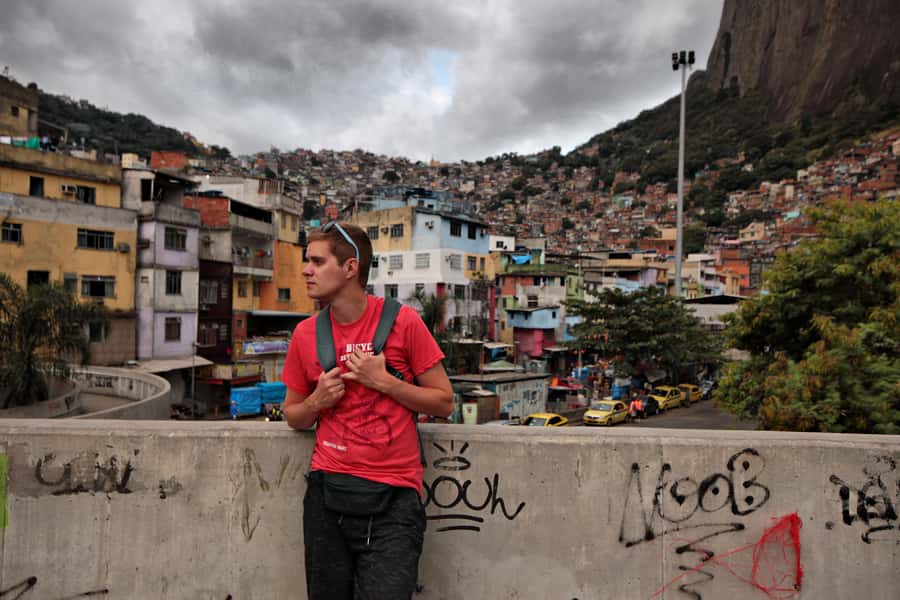
At $35 per person for about 3 hours, this is priced like an accessible city tour, but the structure gives it more depth than a basic walking route.
What you’re paying for includes:
- a local guide (and the guided, story-driven format)
- the walking tour format through Rocinha
- and a monetary contribution to the community included in the tour cost
That community contribution piece is important. It helps explain why the experience leans toward respect and long-term relationships rather than quick in-and-out sightseeing.
Food and drinks are not included, so factor that into your budget if you plan to buy a caipirinha or a snack at a stop. Also, there’s no hotel pick-up, which is why the meeting point matters: you’ll start at Belmond Copacabana Palace at 13:25 and then go from there with the tour team.
The value question is simple: if you want “favela as a human place” rather than “favela as a photo backdrop,” you’re likely to feel the price is fair.
Who should book this Rocinha half-day walk
This is a strong match if you:
- want a walk-on-foot perspective instead of a drive-by view
- care about context—history, stereotypes, and daily-life reality
- like meeting locals and hearing stories directly
- want a Rio experience that goes beyond Copacabana and the obvious tourist circuit
It may be less of a match if you:
- need step-free routes (the walk includes narrow alleys and stairs)
- have knee problems or mobility limitations
- prefer tours with longer seated breaks
The tour guidance also lists clear “not suitable for” limits, including children under 6, wheelchair users, people with recent surgeries, and higher weight thresholds over 287 lbs (130 kg) and 309 lbs (140 kg) depending on the listed category. If you’re near those limits, double-check your situation before booking.
Should you book this Rocinha half-day tour?
If your goal is to understand Rocinha as a real neighborhood—through respectful access, guided storytelling, and local-led context—then yes, this is the kind of tour I’d recommend. The best versions of this experience happen when you come with curiosity, steady shoes, and the willingness to treat the day as a learning walk, not a spectacle.
Book it if you’re ready for stairs and uneven walking. Don’t book it if you need mobility support or if strenuous walking will be a problem for your body. In between those two groups, this tour is a smart way to see Rocinha and also see Rio differently—through the people who live there and the culture they practice, including capoeira.
FAQ
How long is the Rocinha walking tour?
It lasts about 3 hours.
How much does the tour cost?
The price is listed as $35 per person.
Where do I meet for the tour?
Meet in front of Belmond Copacabana Palace Hotel at 13:25, address Av Atlantica 1702, Copacabana. Wait next to the Journalist Ibrahim Sued statue.
Is hotel pick-up included?
No. Hotel pick-up is not included.
What languages is the tour offered in?
The live guide speaks Spanish, English, and Portuguese.
What should I bring?
Bring comfortable clothes and comfortable shoes, and you should bring a camera.
Is there food or drinks included?
No. Food and drinks are not included.
Is the tour suitable for mobility issues or wheelchairs?
No. It is not recommended for people with knee problems or mobility issues, and it is not suitable for wheelchair users.
Are there age or weight limits?
Yes. It is not suitable for children under 6. The information also lists weight limits such as over 287 lbs (130 kg) and over 309 lbs (140 kg), plus age limits including people over 75 and over 70 depending on the category.
Does my ticket support the community?
Yes. The tour cost includes a monetary contribution to the favela community.
Is cancellation free?
Yes. There is free cancellation up to 24 hours in advance for a full refund.