REVIEW · RIO DE JANEIRO
Rio: Half-Day Jeep Tour at Floresta da Tijuca
Book on GetYourGuide →Operated by Rio Jeep Tour · Bookable on GetYourGuide
Rio’s jungle is close enough to feel surprising.
This half-day Jeep outing through Tijuca National Park pairs big city views with real Atlantic Forest walking. I love the open-air military-style Jeep feel, and I also like how the guides turn each stop into something you can picture fast, from Vista Chinesa history to jungle soundscapes with guides like Aline and Gustavo. The only real drawback to watch for: it’s not a long, rugged trek, so if you want hours of deep hiking, you may feel a bit shorted.
You’ll also get a rare mix of sights in a compact 4 hours: Lagoa views with Christ in the distance, then a sequence of forest stops built around short trails and photo breaks. I especially like the practical rhythm, where you’re not stuck waiting around, and the experience stays safe and organized even in wet, hilly terrain. One consideration: wildlife is never guaranteed, and weather can affect whether the waterfall moment is comfortable.
In This Review
- Key takeaways before you go
- Why an open-air military Jeep in Tijuca feels like a shortcut
- From the Lagoa to Christ’s silhouette: the viewpoint setup that matters
- Vista Chinesa to Cascatinha: why the waterfall stop is the best “reset”
- Capela Mayrink and the two trails: easy walking that still feels real
- Wildlife isn’t guaranteed, but you can still tune your attention
- São Conrado paragliders and the smooth return to Rio
- Price, value, and the kind of day you’re buying
- What to bring (and what to wear) so the day feels easy
- Should you book the Rio Half-Day Jeep Tour at Floresta da Tijuca?
- FAQ
- How long is the Rio Half-Day Jeep Tour at Floresta da Tijuca?
- How much does it cost?
- What’s included in the tour price?
- Are meals or drinks included?
- Do I need to bring insect repellent?
- What should I wear or bring for the forest?
- Is the tour wheelchair accessible?
- What languages are the live guides?
- Is there a cancellation option?
- Where does the tour stop near the end?
Key takeaways before you go
- Open-top Jeep rides keep you close to the views without feeling boxed in
- Two easy trails let you see the forest without needing hiking stamina
- Vista Chinesa gives you context so the viewpoints mean more
- A quick waterfall dip is the kind of payoff you can’t fake on a photo stop
- Jungle sound tracking helps you notice birds, insects, and monkeys even when you don’t spot them fast
- Pickup at many Rio hotel areas makes this simpler than piecing together transit
Why an open-air military Jeep in Tijuca feels like a shortcut
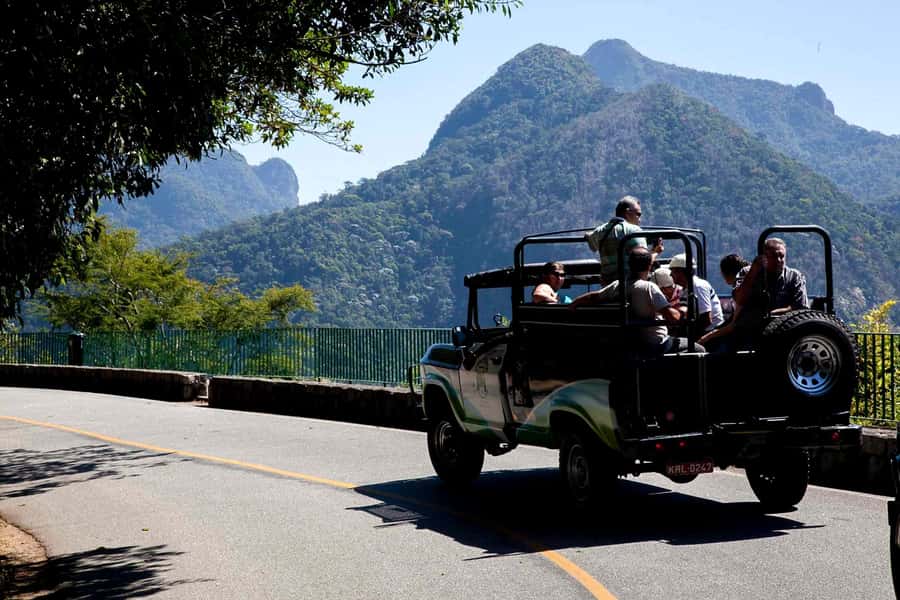
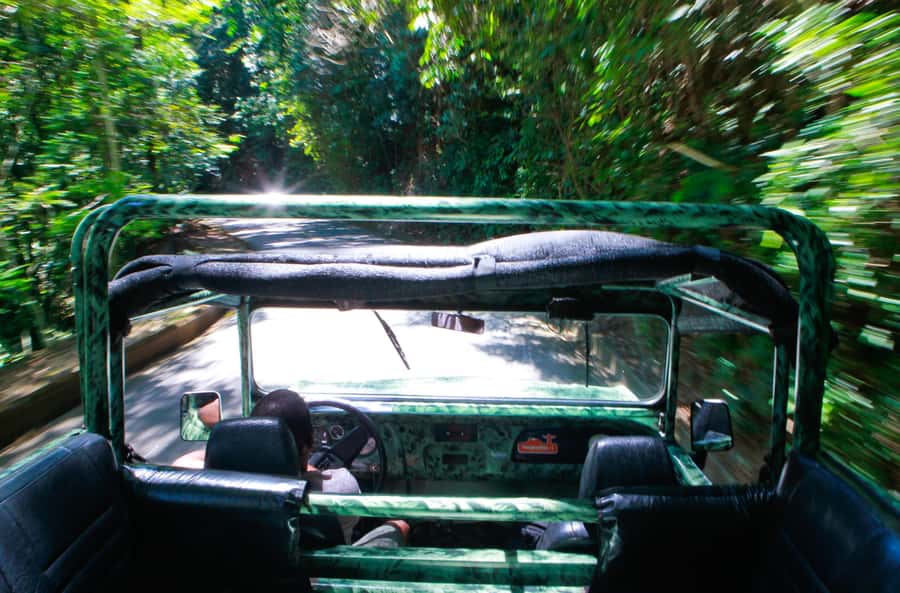
This tour is built around getting you from Rio’s neighborhoods into the forest without the usual hassle. Instead of switching between buses and cabs, you ride in a military open Jeep that’s practical for steep roads and muddy patches, but still keeps the experience “outside” in the best way. You’ll feel wind on your face on the drives, and that makes a difference here because Tijuca sits up high and can feel cooler than the coastline.
What I like is the overall pacing. You’re not spending the day stuck in one place waiting for the next “big thing.” The route is structured so you get: city panorama views, cultural context at a landmark viewpoint, a waterfall break, and then short walking loops where you can slow down. Several guides are praised for keeping the group moving, including Aline, Dario, Gustavo, and Luciano, so you get the sense that the plan is a real route, not just a collection of stops.
The other big plus is how much you can learn without it turning into a lecture. The guides cover what you’re seeing in the moment, from forest plants and animals to hints of Brazil’s broader history. You’ll hear this in many different ways depending on the guide’s style, but the common thread is clear: you’ll understand what you’re looking at sooner than you would by wandering alone.
You can also read our reviews of more tours and experiences in Rio De Janeiro



From the Lagoa to Christ’s silhouette: the viewpoint setup that matters
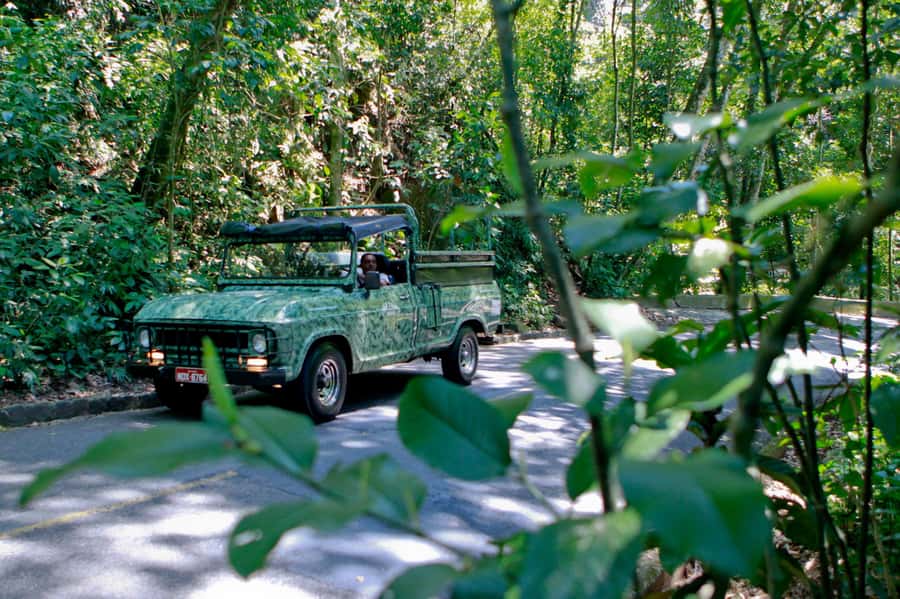
Early on, you head toward the Lagoa area, with Christ the Redeemer visible in the distance. This is more than a “nice view.” It’s a quick orientation for Rio: you get proof that you’re climbing away from the sea and into the rainforest belt, with the city’s most famous landmark still in frame.
Then you drive on toward a key viewpoint stop: Vista Chinesa. This is one of those places where the view is impressive, but the added context is what keeps it memorable. You’ll learn the story behind this monument as you look out and track Christ’s position from a different angle. It’s a helpful way to connect geography to history, because the viewpoint feels like a stage set for Rio’s east-west layout.
Practical note: bring your sunglasses. Even if you’re going into shade soon, the drives and high viewpoints throw bright light at you. Also, plan for changing temperatures. Several people mention it feels chilly in the woods, which makes sense given altitude and the humid shade. Layers help.
Vista Chinesa to Cascatinha: why the waterfall stop is the best “reset”

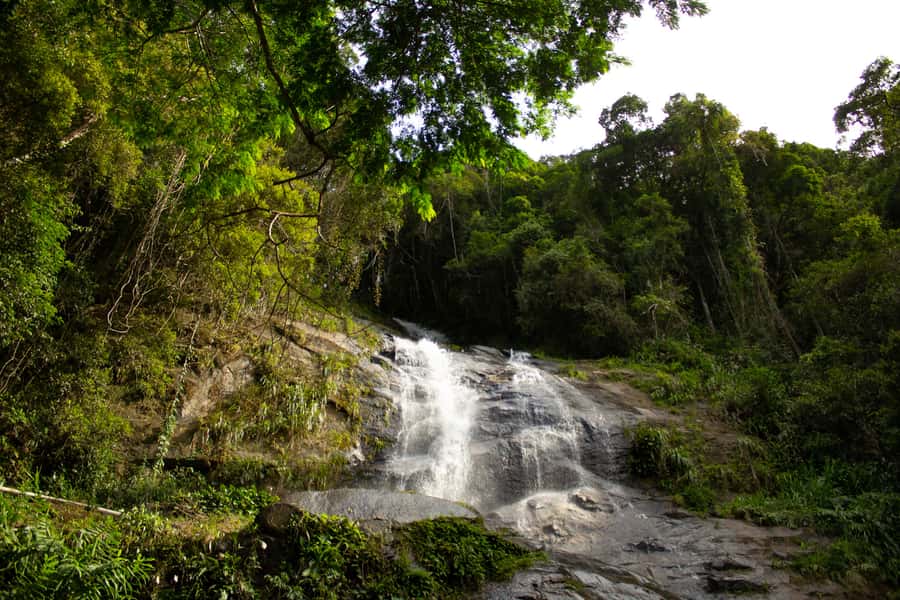
The tour’s middle phase is where the day shifts from big views to forest details. You’ll move from Vista Chinesa onward to Cascatinha Visconde de Taunay waterfall. This is a photo stop plus a visit, and the main reason most people remember it is simple: you get a chance to refresh in clear water.
The tour includes a quick dip in the waterfall water. That doesn’t mean you need to bring a swim plan, but it does mean the moment can be memorable if you’re comfortable getting wet. If you’re the type who likes a quick reset after walking, this is your payoff. If you’re not, the waterfall area still works as a scenic break and a strong contrast to the viewpoint portion.
A consideration from real-world experience: cold or weather changes can impact comfort, and you might not always get the dip as freely as you expected. If you’re going during a cooler period or rainy week, pack with the assumption that the forest air can feel crisp. At minimum, use repellent, because humidity and insects go together here.
Capela Mayrink and the two trails: easy walking that still feels real
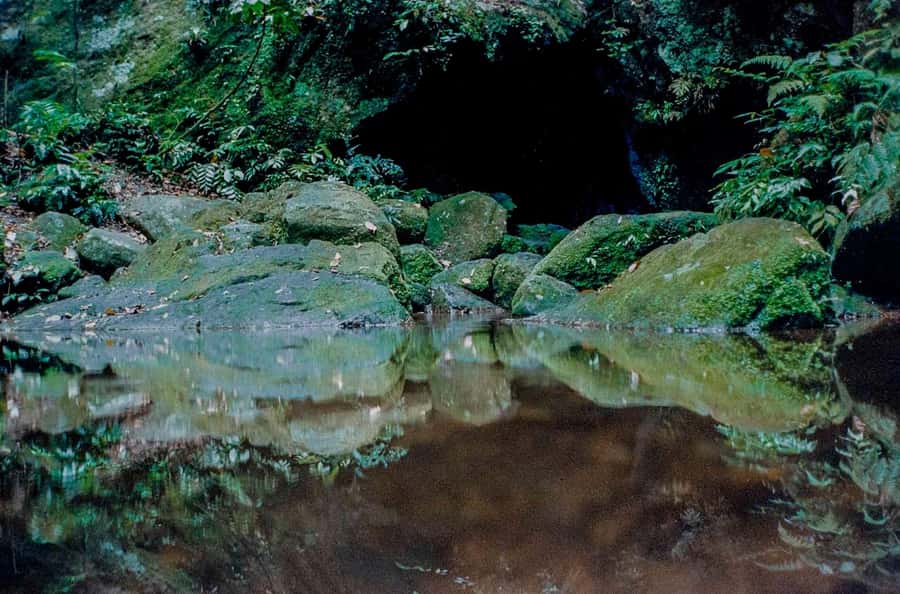
After the waterfall, the route continues to a chapel stop: Capela Mayrink, built in 1855. This is one of the quieter moments on the schedule, but it works well because it breaks the day into “before-trails” and “during-trails.” The chapel gives you a sense of how people historically moved through and used this mountainous forest zone.
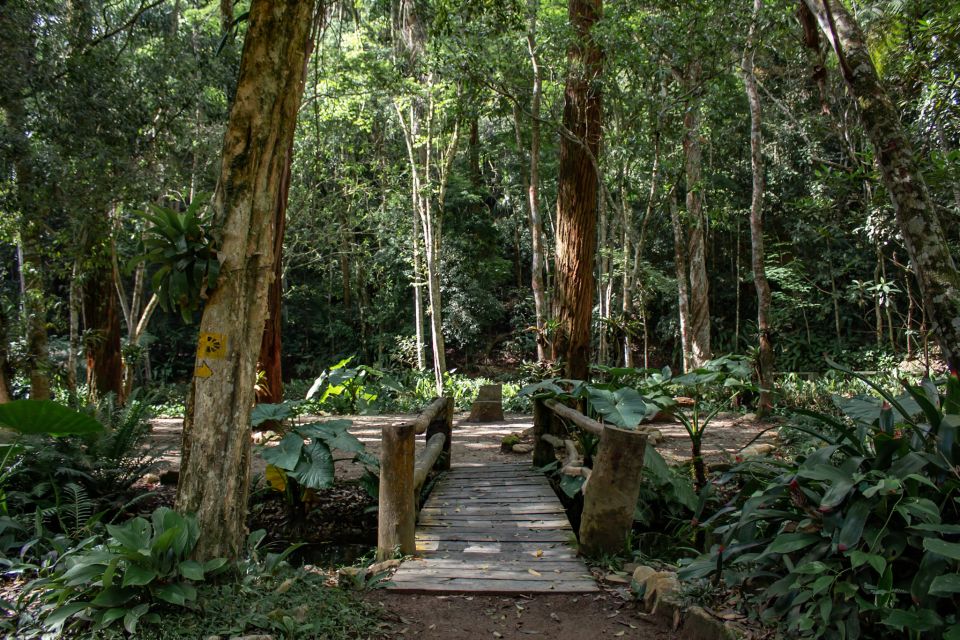
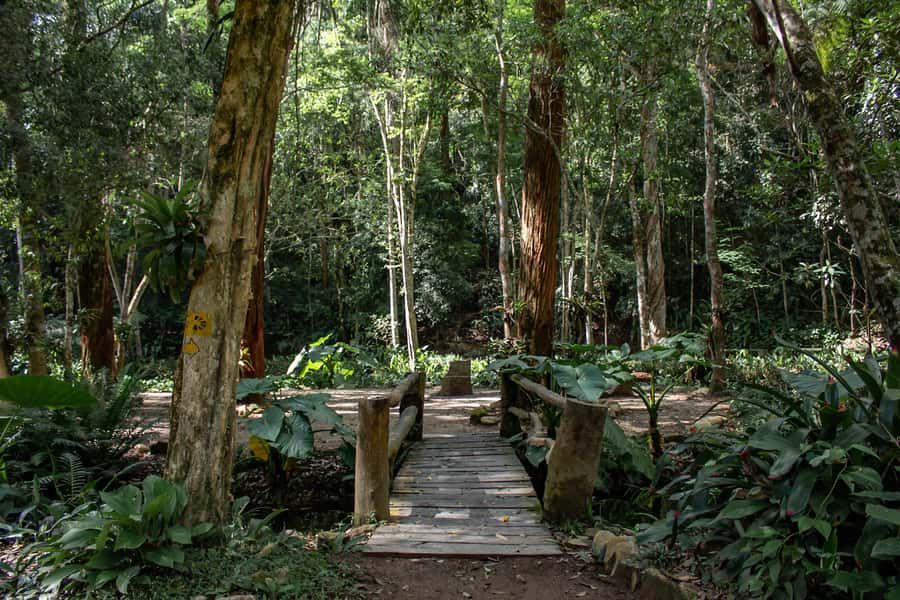
Then you start your first forest walk on the trails. The walk is described as easy, and that’s exactly what makes it a good fit for a lot of travelers. You’re not grinding up a steep climb for hours; you’re getting a guided walk through abundant green paths where you can look closely at plants and listen for wildlife.
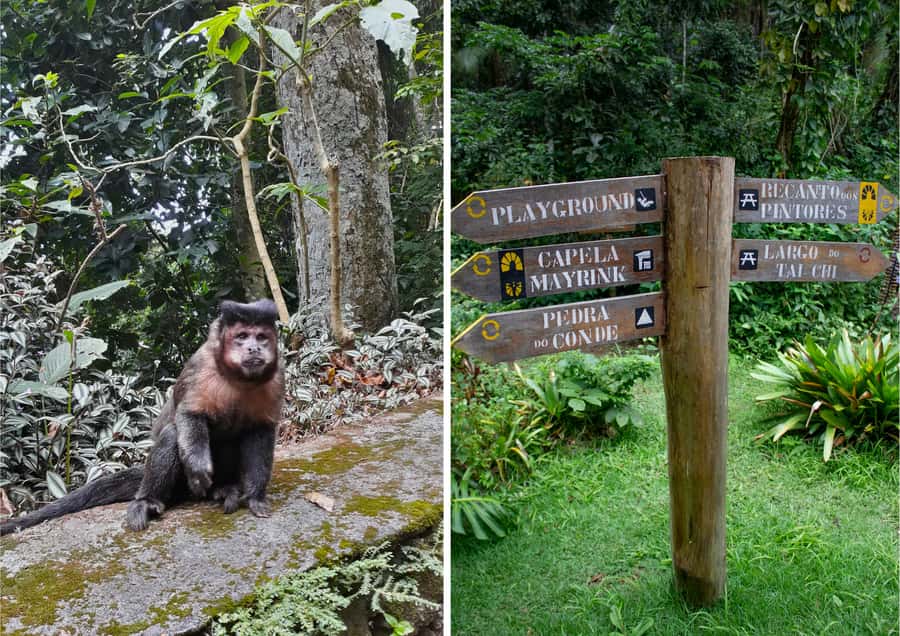
You’ll see animals mentioned repeatedly for this portion, including coatis, toucans, and monkeys. Even when you don’t get a perfect sighting, the guide’s role is to help you notice signs: movement in branches, calls in the distance, and what species typically live in this kind of Atlantic Forest environment.
After a restroom stop, you begin the second trail. The tour description emphasizes that you’ll pass through the Atlantic forest with the sounds of waterfalls around you. The second walk matters because it gives you a different angle on the forest experience: less “wow, view” and more “wow, life.”
A realistic drawback to keep in mind: this is a half-day tour. The walking time isn’t meant to feel like a full hike, and a mixed review noted that the amount of off-road walking can be shorter than some people expect. If your ideal day is hours of deep rainforest trekking, you may want to pair this with another longer nature option. If you want a guided introduction with enough movement to feel accomplished, you’ll probably be happy.
Wildlife isn’t guaranteed, but you can still tune your attention
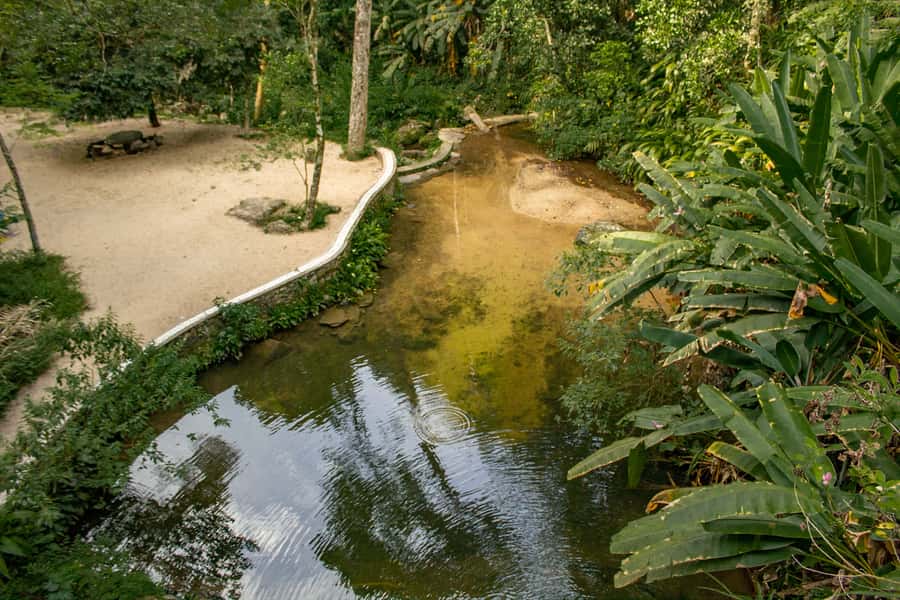
Tijuca’s rainforest vibe is about sound and pattern as much as sightings. This tour is explicitly built around the idea that you’ll hear birds singing across the valley, insects buzzing, and monkeys calling in the distance. That “sound-first” approach is smart, because wildlife can be high up, brief, or hidden by leaves.
In terms of what you might spot, you should expect the possibility of monkeys during the walks, plus coatis and toucans. Some days are naturally better for visible animals than others, especially with cloud cover and temperature swings. The best thing you can do is go in flexible. Treat sightings as bonus points rather than the whole goal.
I also love that the open-air Jeep and the short trails work together. The drive gives you sweeping chances for glimpses across slopes. The walks slow you down enough to notice the smaller stuff. When guides point out a plant, you’ll understand it faster when you’ve just walked past its habitat instead of seeing it later in a photo.






São Conrado paragliders and the smooth return to Rio
Near the end, you’ll head to São Conrado Beach. The focus here isn’t wildlife; it’s Rio’s human theater in the sky. You’ll watch hand-gliders launch and fly, with the coastline and cliffs framing the action.
This stop is also useful as a mood shift. After cool forest shade, you get a more open, breezy environment. It’s a good place to grab a few photos and decompress before the scenic drive back to your hotel.
The overall value of the route is how it balances “nature time” with “Rio time.” Too many half-day tours cram you into just one mood. Here, you get a viewpoint rhythm, a rainforest rhythm, and a coastal rhythm, all in one 4-hour session.
Price, value, and the kind of day you’re buying
At $60 per person for about 4 hours, you’re paying for three main things: guided interpretation, transportation in an open military Jeep, and access to specific stops inside the Tijuca area that would be harder to replicate on your own without time and planning.
Is it cheap? Not exactly. But it’s not inflated either for what you get. You’re not just driving past a park sign. You’re getting: Lagoa with Christ context, Vista Chinesa history, a waterfall dip opportunity, two forest trail segments, and a São Conrado stop. That’s a lot of scheduled variety for a half-day.
Where the value can feel uneven is if your expectations are mismatched. If you want a long, rugged adventure or tons of wildlife sightings, this might feel brief. If you want a guided, efficient “best of Tijuca” taste with easy walking and great viewpoints, it’s strong value.
Based on repeated praise for guides and drivers across many bookings, what truly makes this tour worth it is the human side: people like Aline, Jane, Dario, Kris, Gustavo, Luciano, and Sergio are repeatedly described as friendly and quick to connect the dots between forest life and the broader story of Rio.
What to bring (and what to wear) so the day feels easy
The basics are clear, and they matter more than you’d think in the forest:
- Hat and sunglasses for sun and glare on drives and viewpoints
- Insect repellent because this is a humid, wooded environment
- Layers, because the forest can be chilly even when the city feels warm
Because there’s a waterfall dip, you might also want to plan for wet conditions. The tour doesn’t list specific swim gear, but if you’re hoping to get in, bring what you need to feel comfortable and dry afterward.
Also, you’ll be picked up close to hotel areas in the Rio tourist zones. If you’re not in a hotel, you’ll meet at a nearby hotel. Either way, you’ll want to be ready: the instructions say to wait in the lobby about 10 minutes before your scheduled time.
Should you book the Rio Half-Day Jeep Tour at Floresta da Tijuca?
Book it if you want an efficient way to see Rio’s rainforest edge without logistics stress. This tour is a strong choice for first-timers to Tijuca who want easy walking, real stops like Vista Chinesa and Cascatinha, and a guide who helps you notice wildlife sounds and species details you’d otherwise miss.
Skip it or adjust expectations if you’re hunting for a long hike, deep off-trail exploring, or guaranteed wildlife spotting. This is designed as a half-day introduction with short trails and structured viewpoints, not an all-day wilderness expedition.
If you’re flexible with weather, bring your repellent and layers, and you’re okay with wildlife being a bonus, you’ll likely come away feeling like you saw a different side of Rio in just a few hours.
FAQ
How long is the Rio Half-Day Jeep Tour at Floresta da Tijuca?
It runs for about 4 hours.
How much does it cost?
The price is listed as $60 per person.
What’s included in the tour price?
Roundtrip transportation in a military open Jeep and a professional guide are included.
Are meals or drinks included?
No. Meals and drinks are not included.
Do I need to bring insect repellent?
Yes. The tour guidance specifically says to bring insect repellent.
What should I wear or bring for the forest?
Bring a hat and sunglasses for sun protection, use repellent, and wear layers since the forest can be chilly due to altitude.
Is the tour wheelchair accessible?
Yes, it is listed as wheelchair accessible.
What languages are the live guides?
Spanish, English, French, Portuguese, and German.
Is there a cancellation option?
Yes. Free cancellation is offered up to 24 hours in advance for a full refund.
Where does the tour stop near the end?
You’ll visit São Conrado Beach to watch hand-gliders before heading back to your hotel.