REVIEW · RIO DE JANEIRO
Discover Rocinha: Guided Tour of the Famous Favela
Book on GetYourGuide →Operated by CENTURION · Bookable on GetYourGuide
Rio looks different from Rocinha. This guided tour in Rio de Janeiro mixes big skyline views with a walk through the neighborhood’s colorful lanes in about 3 hours.
I like how the experience starts with the payoff: you reach the high point first, so you get the famous Rio landmarks lined up before you step into the community. I also love that the guide’s job isn’t just logistics; it’s storytelling, pointing out murals and explaining what life there is like.
One consideration: the climb part uses a motorbike (mototaxi) and costs 15 reais extra, and it’s not suitable for wheelchair users.
In This Review
- Key things I’d circle before you go
- Why Rocinha’s viewpoint beats most Rio photo stops
- The 3-hour flow: how the tour keeps moving without feeling rushed
- Hotel pickup in Rio: what to expect and where to meet
- The mototaxi climb: fun, fast, and extra cost
- At Rocinha’s highest point: where the big Rio landmarks line up
- Terraces and photo moments: seeing the contrast clearly
- Walking the alleys: murals, stories, and the human scale
- How the guide shapes what you learn (and what you avoid)
- Who this Rocinha tour is best for
- Value check: is $58 a fair deal?
- Should you book the Rocinha guided tour?
- FAQ
- What’s the duration of the Rocinha guided tour?
- Is pickup included, and where do you pick up from?
- What language is the guide available in?
- Do I need to pay extra for the mototaxi climb?
- Is the tour private?
- Is the tour suitable for wheelchair users?
Key things I’d circle before you go
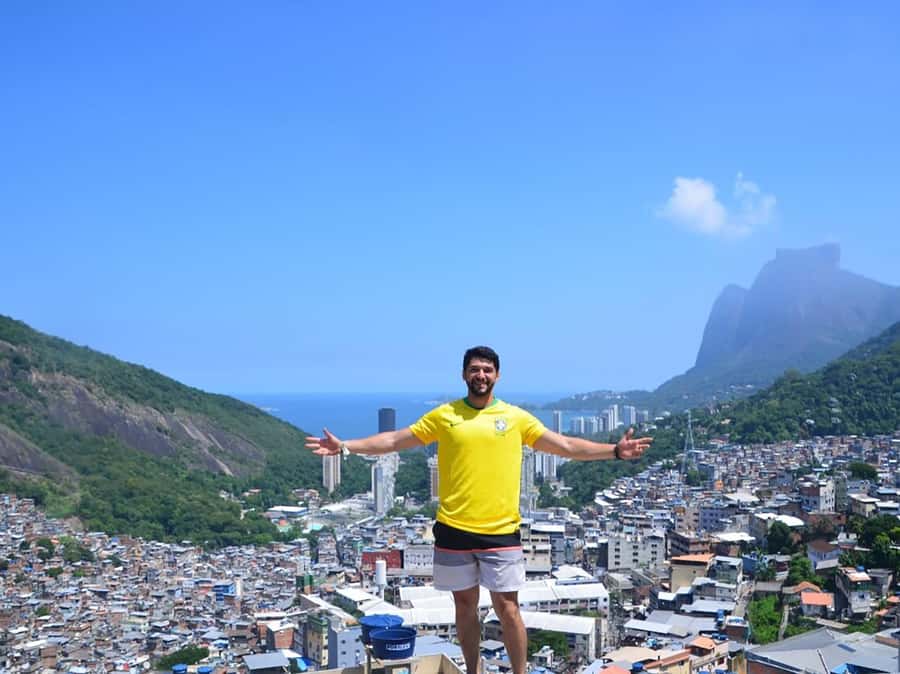
- Christ the Redeemer, Sugarloaf, and the sea in one view from Rocinha’s highest point
- Mototaxi climb experience that feels like a short adrenaline hit, then you walk the alleys
- Terraces for photos where the buildings below look tiny against the mountains and ocean
- Murals and graffiti with explanations so you don’t just see art, you understand it
- Shared-group tour with a bilingual guide speaking English, Spanish, and Portuguese
- Hotel pickup from Copacabana, Ipanema, Leblon, Botafogo, Flamengo, and Lapa (with a default meeting point if needed)
Why Rocinha’s viewpoint beats most Rio photo stops
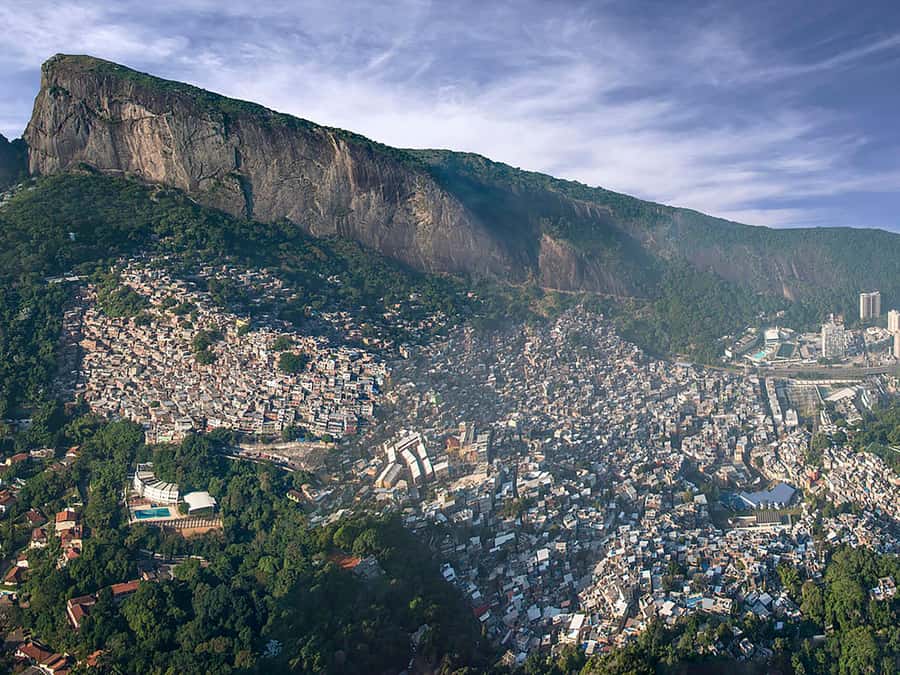
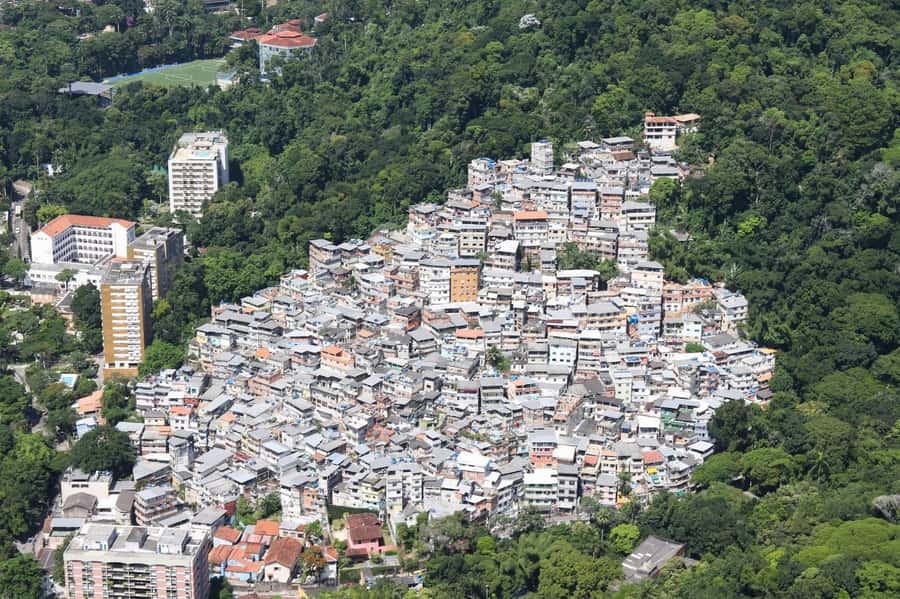
Rocinha is one of those places where Rio’s icons feel close enough to touch, but the angle is what changes everything. From the favela’s highest point, you can see the Christ the Redeemer statue, Sugarloaf Mountain, and the ocean/sea area in a way that’s hard to replicate from the standard tourist spots.
I like that this tour isn’t only about looking. You start above, take in the wide panorama, and then you move downward on foot through the tighter lanes. That contrast helps you understand Rocinha as more than a skyline backdrop.
The tour is also built around attention to detail. The guide doesn’t just point at landmarks; they talk about what you’re looking at and why the view feels different from inside the community.
You can also read our reviews of more guided tours in Rio De Janeiro



The 3-hour flow: how the tour keeps moving without feeling rushed

The whole experience is designed to fit a normal sightseeing day: 3 hours total. You’ll get picked up from one of six areas—Flamengo, Ipanema, Copacabana, Lapa, Leblon, or Botafogo—and then you’ll be back to drop-off at one of: Lapa, Copacabana, Botafogo, Ipanema, Leblon, or Flamengo.
The pace matters here. You’re going to be in and out of the streets, and you’ll likely spend more energy than you’d expect from a short tour. Still, the route is structured so you get the best view early and then have time to walk, look, and ask questions.
You also need to plan for weather. The tour runs rain or shine, and the day is your choice, so bad weather won’t automatically change the plan.
Hotel pickup in Rio: what to expect and where to meet
This tour includes transportation, so you’re not stuck with the planning headache that often comes with favela visits. I also appreciate that it’s not a single hard-coded pickup spot. During high season, you may be directed to meeting points closer to your hotel to speed things up and avoid traffic.
If you don’t provide a pickup address, the default meeting point is Socialtel Lapa – Rua Visconde de Maranguape, 9. It’s worth double-checking this before you go, especially if you’re staying somewhere outside the usual pickup zones.
Two more practical notes: pickups in Barra da Tijuca and Recreio aren’t included, and you should bring a passport or ID card.
The mototaxi climb: fun, fast, and extra cost
Here’s the part you need to budget for up front. The climb is done by motorbike, and it costs 15 reais. That fee isn’t included in the main price, so it’s separate from the $58 per person.
One person described the ascent as very fun and adrenaline-filled, and I get it. It’s a quick ride, but it’s still a strong sensory moment—watching the streets tighten and the view open up as you go higher.
Then comes the key transition: after the ride, you walk down through the narrow alleys with the guide. That walking segment is where you actually experience the neighborhood’s rhythm, instead of treating the favela like a drive-by viewpoint.
At Rocinha’s highest point: where the big Rio landmarks line up

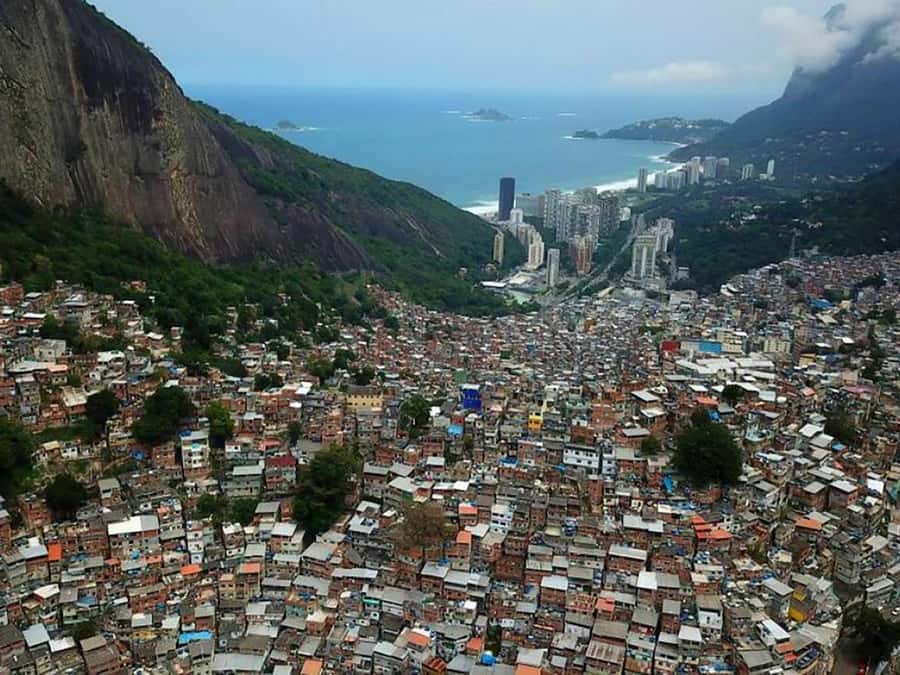
The first major stop is the highest point in Rocinha, and it’s the reason this tour is popular. From there, you can admire a panoramic view over Rio, including Christ the Redeemer, Sugarloaf Mountain, and the Ipanema Lagoon area.
What makes this valuable isn’t just the landmark names. It’s the perspective. You’re seeing Rio from a place that locals know well, with the city’s mountains and ocean forming the background to homes and daily movement.
Bring your camera/phone battery. This is the moment you’ll want for wide shots. Also, it’s smart to pause rather than sprint through photos. Look around first, then start shooting—otherwise you’ll miss the way the different parts of Rio sit in the same frame.





Terraces and photo moments: seeing the contrast clearly
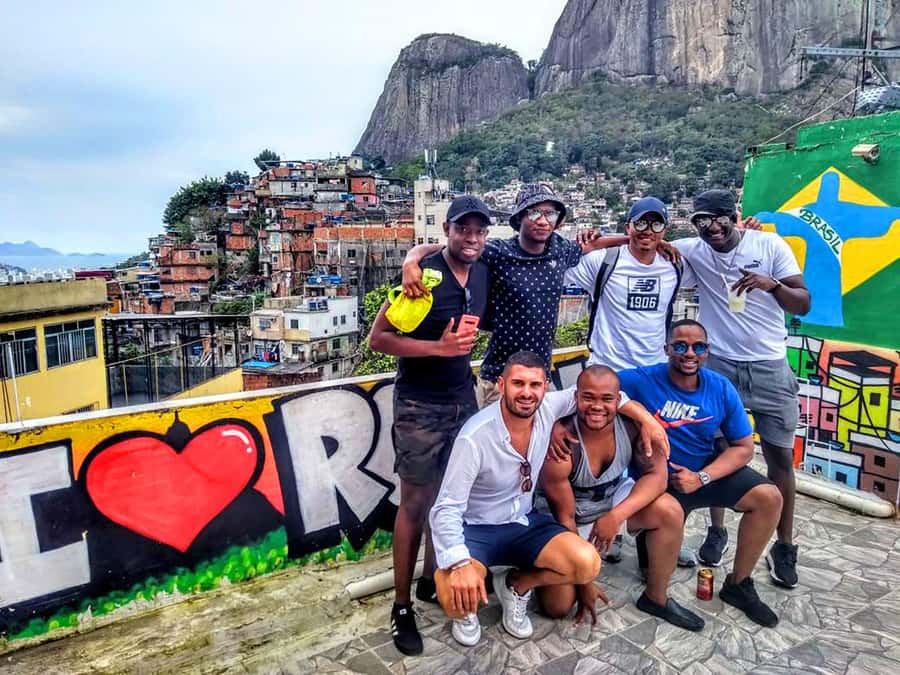
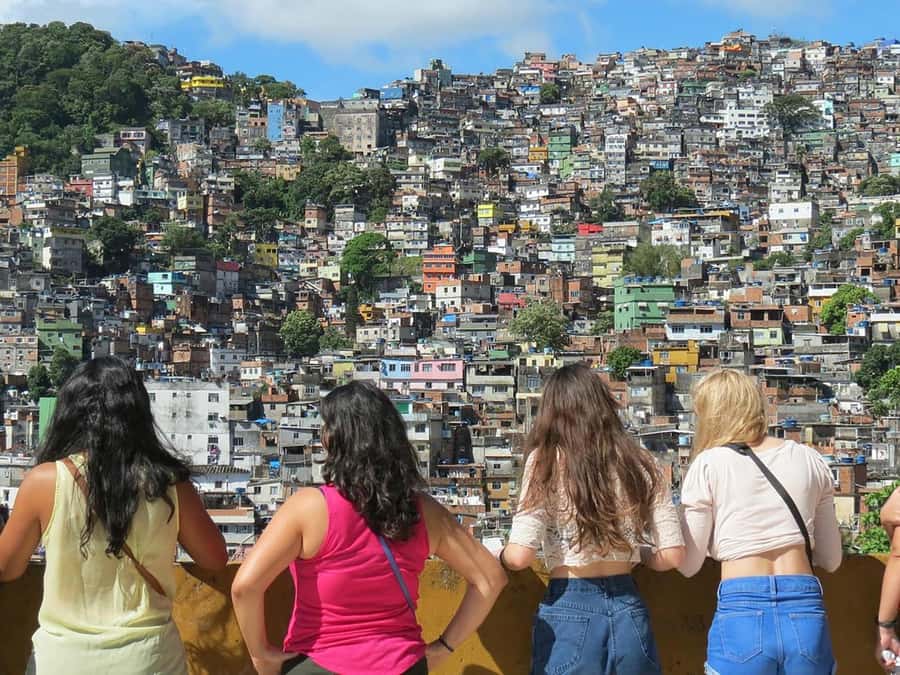
After the main viewpoint, you cross one of Rocinha’s renowned terraces. This is one of the best places for pictures because you can capture the favela below against the scale of Rio’s mountains and ocean.
The terrace does a great job of showing contrast. Simple buildings sit under massive natural scenery, and the result is visually striking without needing any filters.
It’s also a good spot for you to slow down and take in details that are easy to miss when you rush through streets. Watch how the view changes as people move around the edges of the terrace. That’s the difference between a view and a lived-in place.
Walking the alleys: murals, stories, and the human scale
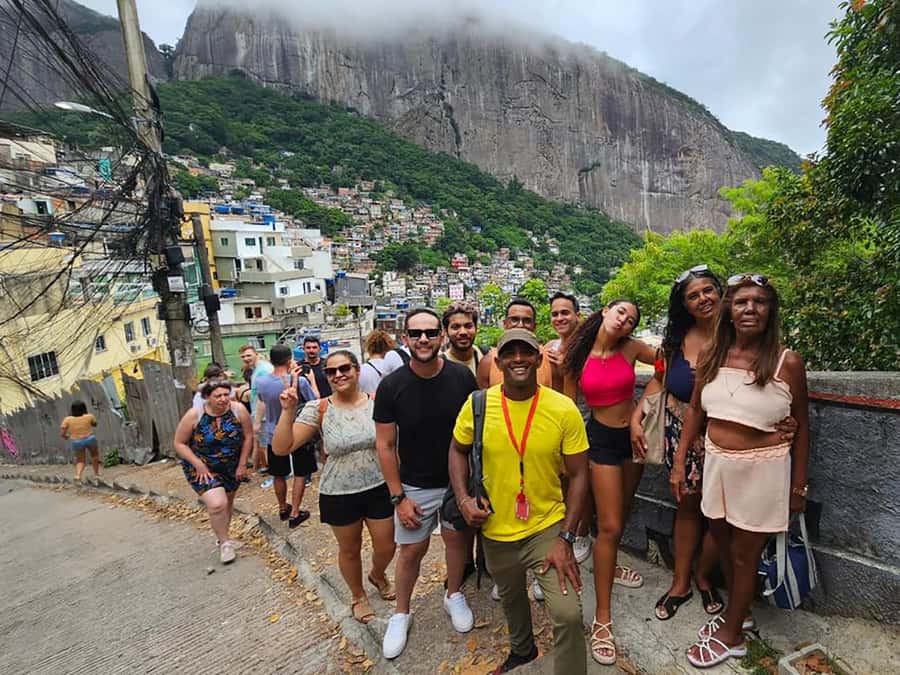
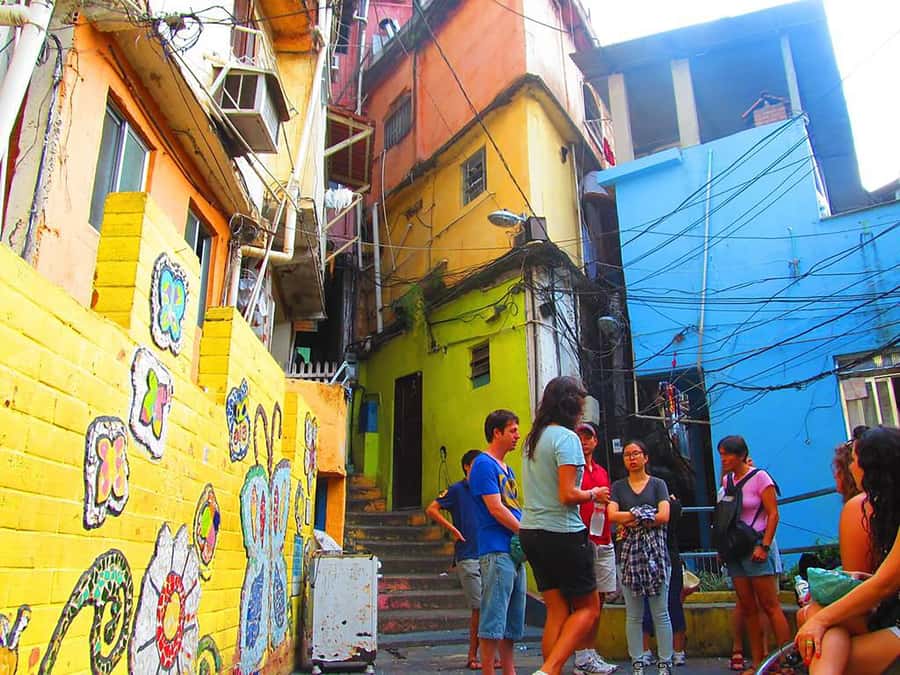
The heart of the tour is the walk through Rocinha’s winding alleys. Expect colorful houses, wall art, and hidden corners that feel like small worlds tucked inside the hillside.
This is also where the guide’s role becomes more than narration. You should plan to talk. Interaction with residents is part of the experience, and the guide helps create a respectful, understandable bridge between you and the community.
Along the way, you’ll see murals and graffiti on the walls. The guide shares meanings and messages behind the artwork. That matters because it turns street art into context—art shaped by challenges, creativity, and everyday life.
I like tours that don’t treat a neighborhood like a theme park. This one works better when you stay curious: ask about symbols, ask why certain murals are there, and listen to how the guide explains what you’re seeing.
How the guide shapes what you learn (and what you avoid)
This tour is shared, not private, and the guide speaks in English, Spanish, and Portuguese. That means group dynamics matter. You’ll want to stay attentive when the guide is translating ideas and moving the group along.
A bilingual guide is a real advantage here, because favela tours rely on communication to stay respectful. You don’t want to miss the meaning behind the murals or the reason a route is chosen.
Also, remember this is a walking experience in a real community. Keep your pace steady, follow the guide’s instructions, and avoid wandering off. The tour isn’t built for solo exploration, and the route is designed for safety and understanding as much as for sightseeing.
One more practical detail: the provider isn’t responsible for items lost on buses or vans. So keep your valuables secure and easy to manage during transitions.
Who this Rocinha tour is best for
This tour works especially well if you want a Rio experience that connects views to people. If your ideal day includes landmark photos plus cultural context, this hits that mix in only three hours.
It’s also a good pick if you prefer guided structure. The combination of transportation, a guide, and a planned route reduces the stress of figuring it out on your own.
If you’re sensitive to uneven walking areas, keep expectations realistic. The tour is not suitable for wheelchair users, and you’ll be climbing and descending as part of the route.
Value check: is $58 a fair deal?
At $58 per person for about 3 hours, the value comes from what’s included: a bilingual professional guide plus transportation. In other words, you’re paying for access and interpretation, not just a basic transfer.
The extra 15 reais for the mototaxi climb is the one add-on you should treat as part of the real cost of the tour experience. Once you budget that, the price starts to make more sense because you’re getting both a ride to reach the viewpoint and a guided walk through alleys where the explanation matters.
Food and drinks aren’t included, so plan to snack beforehand or afterwards if you want to keep this day smooth. Also, since you’re stepping into a lived neighborhood, it’s smart to bring only what you need to avoid hassle during the walk.
Should you book the Rocinha guided tour?
Book it if you want one of the most memorable view-and-streets combos in Rio—Christ the Redeemer and Sugarloaf in the same panorama, then murals and alleys on the way down with a guide translating the meaning.
Skip it if you can’t do uneven walking or you prefer a fully accessible option. Also think twice if you’re expecting a tour with included food, because this one doesn’t offer that.
If you’re the type who likes real context with your sightseeing, this is a strong choice. Just come with the right mindset: respectful, curious, and ready to look closely.
FAQ
What’s the duration of the Rocinha guided tour?
The tour lasts 3 hours.
Is pickup included, and where do you pick up from?
Yes, pickup is included. Pickup options include Flamengo, Ipanema, Copacabana, Lapa, Leblon, and Botafogo. Drop-off locations include Lapa, Copacabana, Botafogo, Ipanema, Leblon, and Flamengo.
What language is the guide available in?
The tour has a live guide available in Spanish, English, and Portuguese.
Do I need to pay extra for the mototaxi climb?
Yes. The climb is done by motorbike, and it costs 15 reais. This cost is not included in the tour price.
Is the tour private?
No. It’s a shared tour, not private.
Is the tour suitable for wheelchair users?
No. The tour is not suitable for wheelchair users.