REVIEW · RIO DE JANEIRO
Rio de Janeiro: Favela Santa Marta Top Tour with Local Guide
Book on GetYourGuide →Operated by Favela Top Tour · Bookable on GetYourGuide
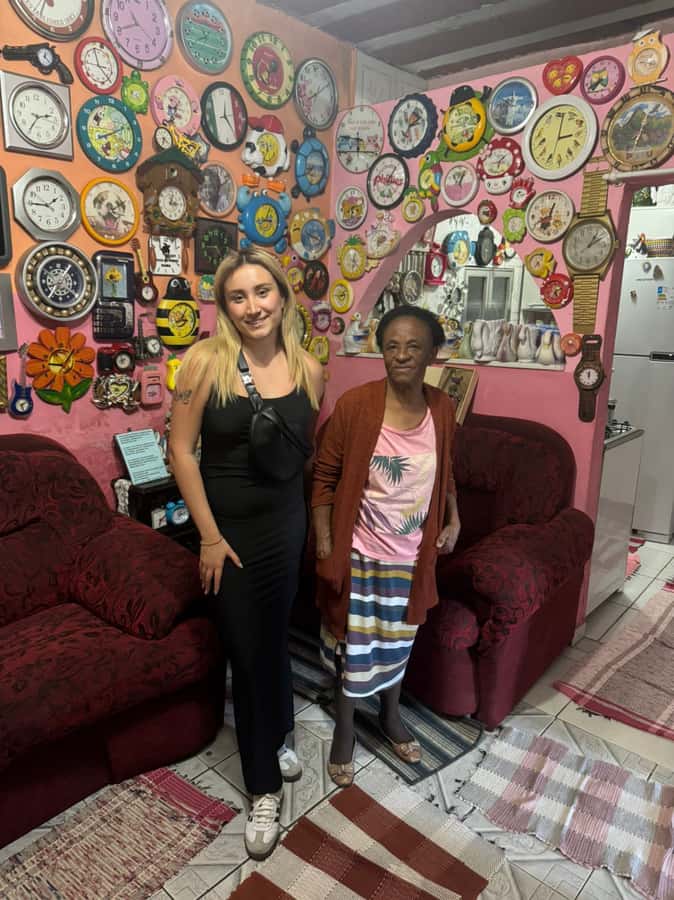
Stepping into Santa Marta is like turning the TV sideways. This community-led favela tour brings you to real places and real people with guides from inside the neighborhood, not outside tour factories. I especially like the connection piece: you may visit a local guide’s home, and the stories land because your guide actually lives them.
I also love the mix of pop-culture punch and everyday life. You’ll hit Michael Jackson Square (linked to They Don’t Care About Us) and then slow down for local culture like a roda de samba and community moments. One consideration: this is walking-through-a-working-neighborhood, so comfortable shoes and flexibility matter, and it’s not a smooth fit for wheelchair users.
In This Review
- Key things I’d circle before you go
- Community-led Santa Marta: what makes this tour feel real
- The start at Praça Corumbá and why the timing matters
- Michael Jackson Square: pop culture with a local timeline
- Inside Santa Marta: alleys, home visits, and the real tone shift
- Samba roda and football: culture you can feel in your feet
- Mirante Dona Marta and the tram ticket: views with less guesswork
- Social projects like Santa Horta: what your money helps fund
- Shopping time in the favela: how to keep it respectful
- Getting around and pacing: what the 3 hours really feel like
- Who should book this Santa Marta top tour (and who should skip it)
- A note on guide quality: names you’ll hear and why it matters
- Should you book this tour in Rio?
- FAQ
- Where does the tour start?
- How long is the Rio: Favela Santa Marta Top Tour?
- What’s included in the tour price?
- Which languages are available for the guide?
- What should I bring and what’s not allowed?
- Is it possible to cancel or change plans?
Key things I’d circle before you go
- Local guides from Santa Marta (not just “local-ish” narration), with strong community ties.
- Michael Jackson Square and filming-story stops, including the viewpoint where the video was set.
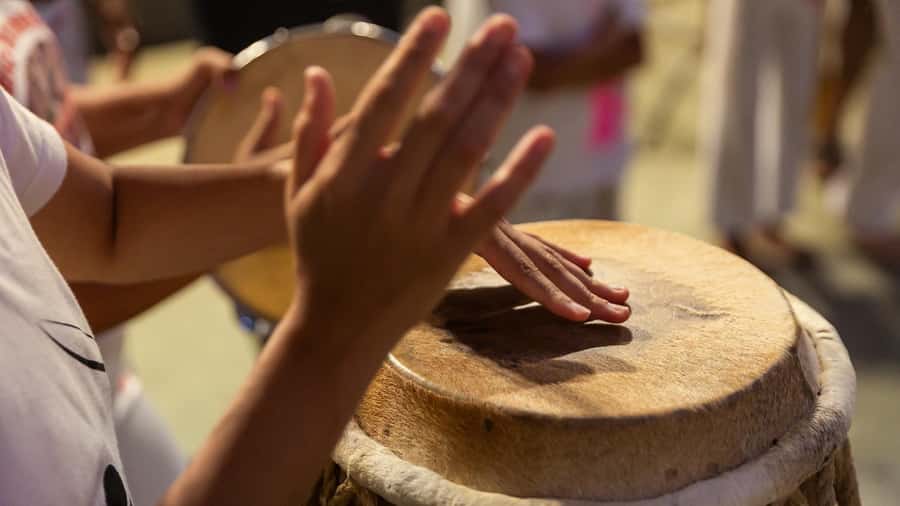
- Roda de samba with local musicians, so you hear samba as lived culture, not background noise.
- A guide’s home visit that changes the tone from sightseeing to real conversation.
- Social projects like Santa Horta, including organic gardens that grew from former dump sites.
- Mirante Dona Marta viewpoint and tram ticket, so you get Rio views without guessing routes.
Community-led Santa Marta: what makes this tour feel real
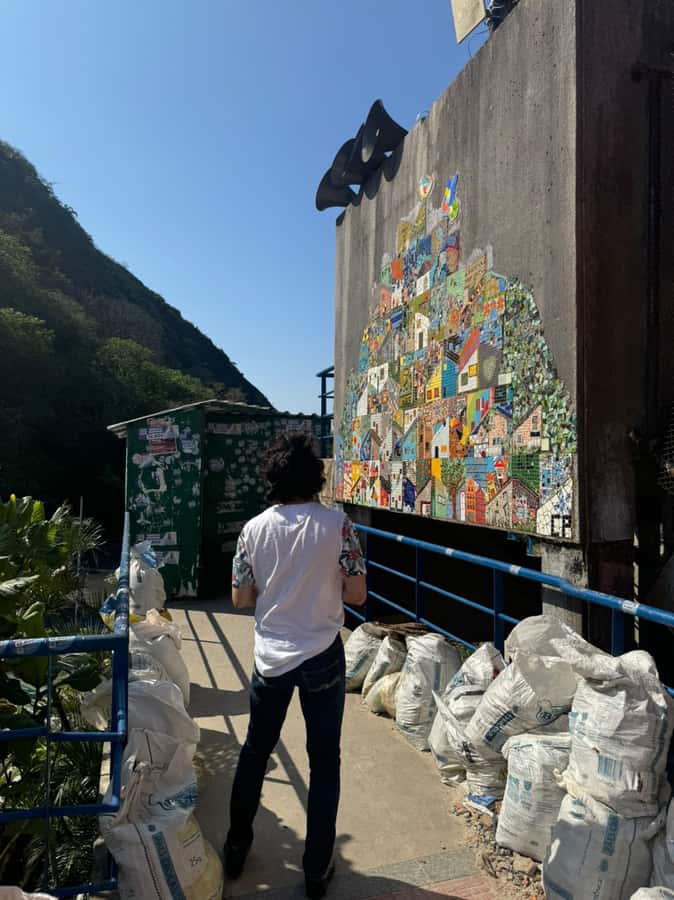
Santa Marta has a reputation online, but that’s not the same thing as meeting people and hearing how their days actually work. That’s the big value here: this tour is run by Favela Top Tour, a resident-created company. Your guide isn’t learning the neighborhood from a script. They know the alleys, the families, the rules of courtesy, and the challenges that never make it into postcard Rio.
Two parts make it click fast. First, the tour is built around safe, respectful access—including time in places that feel personal, like a local guide’s home. Second, it doesn’t treat the favela like a museum exhibit. The culture shows up in regular rhythms: samba, music, and even casual football with community kids when the moment fits.
Price is also a clue. At about $28 for 150 minutes, you’re not paying premium “shock value” money. You’re paying for local time, local knowledge, and local momentum—meaning your spend can directly support community projects and small businesses in the area.
Now, the not-so-fun reality check. You’re walking in uneven terrain and moving through a dense neighborhood. Bring what keeps you comfortable (more on that below) and keep your expectations grounded: this is not the same pace as Copacabana.
You can also read our reviews of more guided tours in Rio De Janeiro



The start at Praça Corumbá and why the timing matters
Your tour starts at the Tourist Information Stand at Praça Corumbá. From there, there’s a transfer of about 25 minutes before the tour really begins. That transfer isn’t just “getting there.” It’s time to settle, meet your guide, and shift your brain from city sightseeing mode into neighborhood mode.
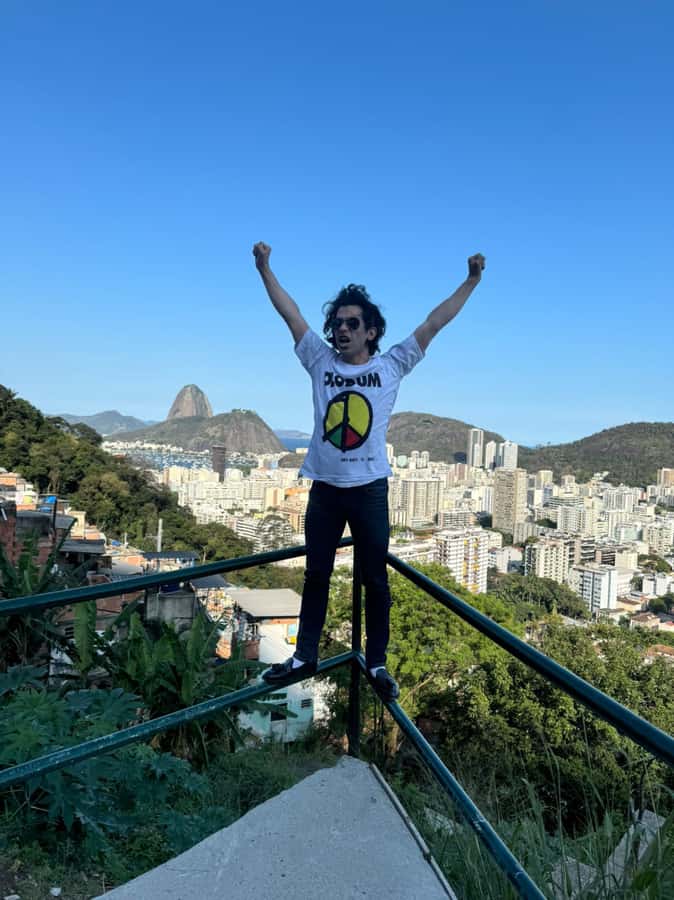
Then comes a short photo stop at a viewpoint (around 10 minutes). Even if you’ve already seen Rio from other angles, this helps you get your bearings. A good viewpoint does two things: it gives you context for the layout below, and it helps you understand the height and slope that shape daily life in Santa Marta.
What I like: you start with a view before you start with stories. It’s easier to listen when you can picture where things are.
What to watch: if you’re traveling in intense heat, the earlier photo moments can feel warm. Pack water and plan to slow your pace if you need to.
Michael Jackson Square: pop culture with a local timeline
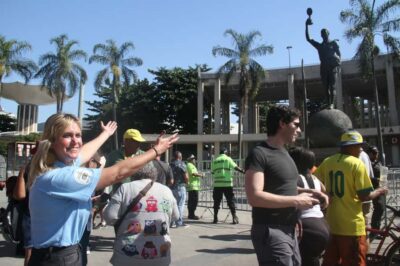
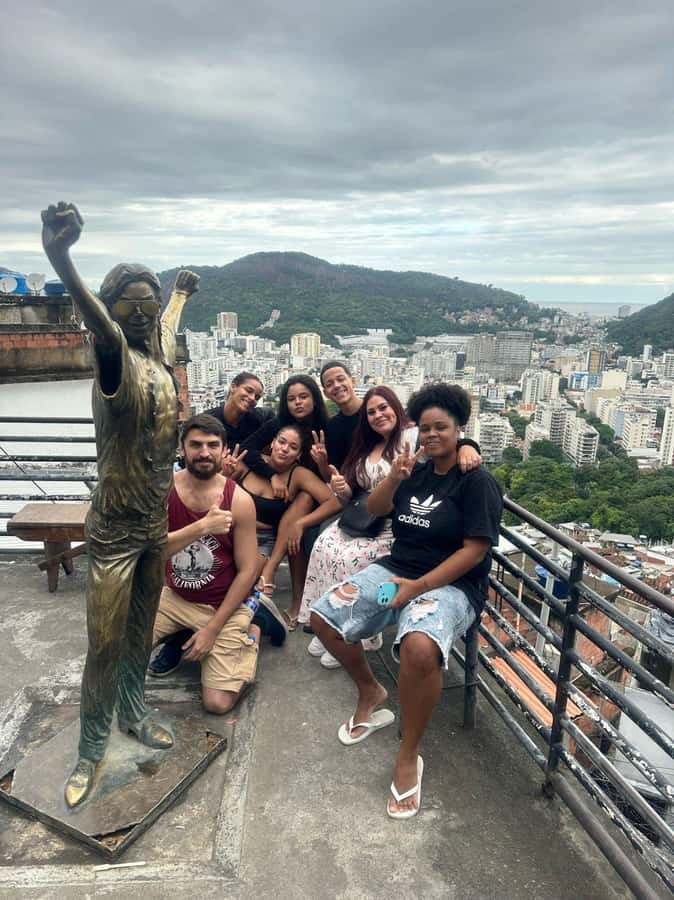
One of the most recognizable stops is Michael Jackson Square, tied to the filming location of They Don’t Care About Us. You’ll walk through it with a guided explanation (about 15 minutes), so it doesn’t become a quick point-and-shoot moment.
This stop works because it’s not just nostalgia. Your guide can connect the statue and the setting to how outsiders saw the neighborhood—and, just as importantly, how residents experienced the attention. Reviews mention feeling safe and welcomed here, which matters because you’re transitioning from “Rio the city” into “Santa Marta the lived place.”
How to enjoy this part: treat it like a story with layers. Yes, Michael Jackson is the hook. But the better question is why this space became famous, and what that fame means after the cameras leave.
Small drawback: if you’re only chasing landmarks and you hate listening, this segment might feel “too explanatory.” The magic is in the context.
Inside Santa Marta: alleys, home visits, and the real tone shift

After the Jackson Square stop, the tour moves into the neighborhood itself with a couple of timed visits (a 15-minute visit, then longer 30-minute visit blocks). One of the big highlights of this experience is the chance for a safe visit to the local guide’s home—the kind of access that changes the whole tone.
In practical terms, this is where you learn how daily routines are shaped by stairs, tight spaces, community closeness, and shared norms. In the reviews, you’ll see repeated themes: guides know people, kids are excited to interact, and the group consistently reports feeling safe.
Why this matters for you: a favela tour isn’t only about seeing buildings. It’s about understanding how community works—who you greet, where you stop to chat, how residents interpret outsiders’ curiosity.
Possible consideration: this is personal access, so be respectful. Don’t treat conversations like content. Ask questions, listen, and follow your guide’s lead on when photos are okay.
Samba roda and football: culture you can feel in your feet

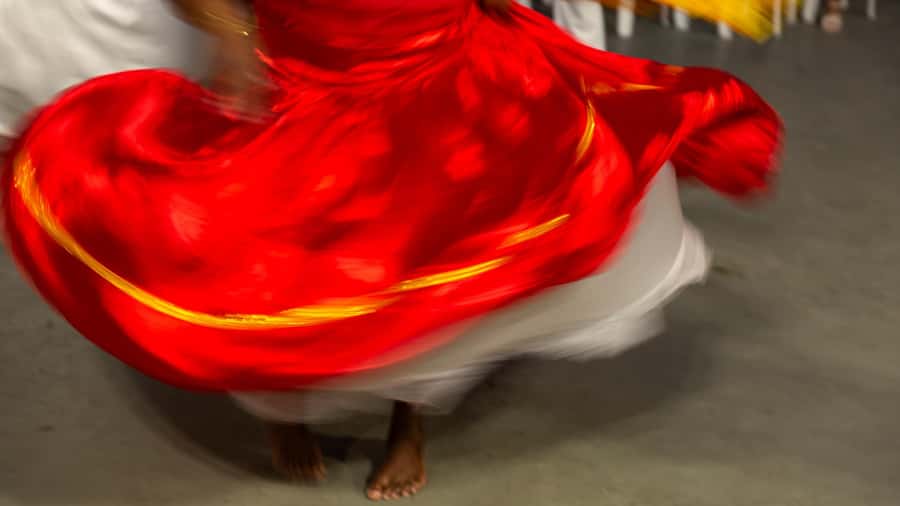
Santa Marta isn’t just about what’s famous on screens. The tour includes local culture like a roda de samba performed by residents, and there can be a casual football match with community children. Depending on timing and the flow that day, this often shows up within the longer middle portion of the tour.
This is one of the reasons the experience gets such strong ratings. Samba here isn’t presented as a staged act. It’s music that people actually play in their own space. And the football moment adds something that photos can’t: movement, noise, laughter, and that human energy you can’t replicate from a distance.
How to handle it: bring a “participation brain,” not a “spectator brain.” Even if you’re not great at rhythm or passing, you can clap, smile, and let the moment be what it is.
One realistic note: these are community interactions. Keep your tone friendly and simple.




Mirante Dona Marta and the tram ticket: views with less guesswork
The tour includes Mirante Dona Marta and a tram ticket, plus another viewpoint/photo moment earlier in the day. Together, these give you Rio views that you’d otherwise spend time figuring out.
The tram matters because it turns a hard navigation problem into an included, planned route. That’s not just convenient—it’s safer and calmer. When you’re in unfamiliar terrain, having a local guide decide the timing helps you avoid awkward detours and keeps the group moving at a human pace.
What you’ll likely feel here: the contrast. Rio’s famous skyline is right there, but you’re experiencing it from within a neighborhood that’s shaped by resilience and community organization.
Watch for: the viewpoint parts can get sunny. Hat and sunscreen are the unglamorous heroes on tours like this.
Social projects like Santa Horta: what your money helps fund
A tour that’s only sights is easy to rate. A tour that also points to outcomes is harder—and more valuable.
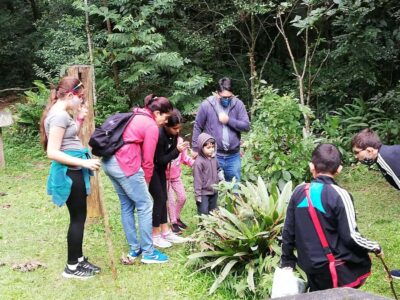
This experience includes visits to local social initiatives, including Santa Horta, a project that turns former dump sites into community organic gardens. The gardens generate income and provide healthy food, and they come with environmental education for residents.
You’ll also have a stop connected to the Residents’ Association, where you can learn how the community organizes itself and advocates for progress. Some reviews even mention the long road ahead for education and cleanup efforts, which adds honesty. It’s not paint-by-numbers poverty tourism. It’s lived improvement work.
Why this is good value: at $28, you’re not paying only for access. You’re paying for context and for projects that keep working after the tour ends.
How to talk about it: when your guide explains a project, ask what’s working and what’s still difficult. That’s where the real story lives.
Shopping time in the favela: how to keep it respectful
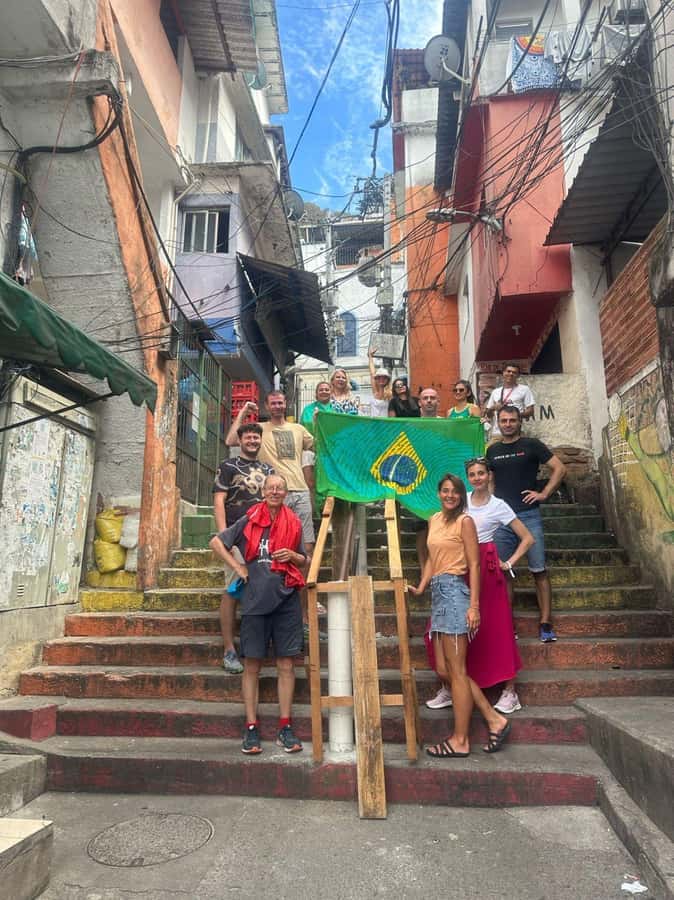
There’s a shopping stop (about 10 minutes). This is one of those moments where the difference between good and annoying is tiny: your attitude.
Keep your browsing light. Treat it like a quick conversation, not a bargain hunt. If something catches your eye, ask the price and learn what it is before you buy. If you don’t want to shop, that’s okay too—you can just appreciate what’s being sold and thank people for their time.
What I like: the shopping stop is short. It avoids the “tourist market” vibe that some tours slip into.
Getting around and pacing: what the 3 hours really feel like
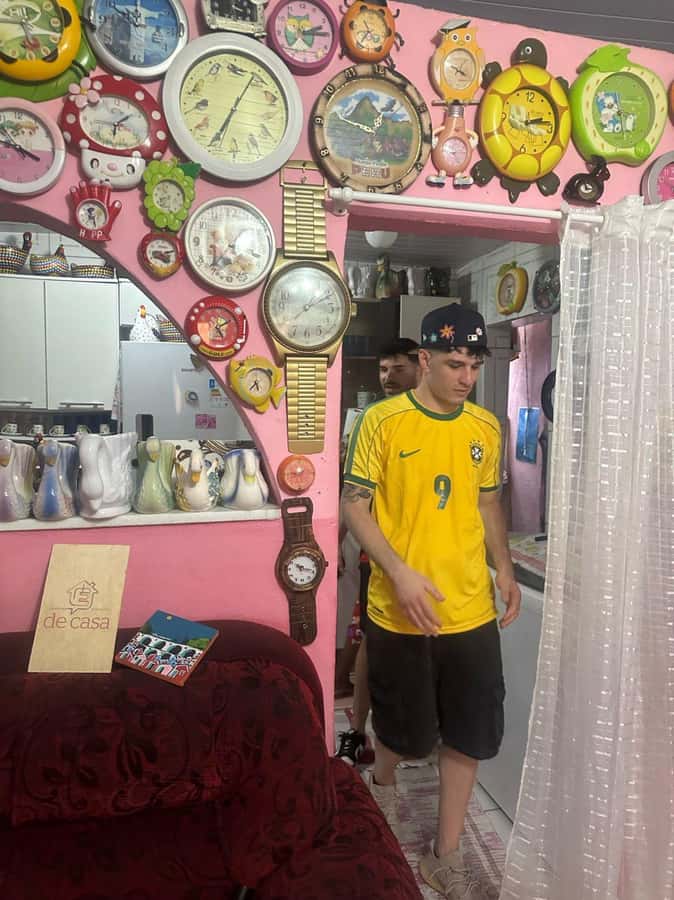
The tour lasts about 150 minutes (3 hours). Even though that’s a short window, it’s enough time to move between different kinds of stops: viewpoints, landmark storytelling, cultural moments, and project visits.
The pacing is mostly walking plus short sits and conversations. That’s why comfortable shoes are non-negotiable. Reviews mention rain sometimes, and in that case, channels for water flow can change how the streets feel underfoot. Even when the day is dry, this terrain is still the real thing, not a flat walkway.
Bring:
- Comfortable shoes
- Hat
- Camera
- Sunscreen
- Water
Not allowed: smoking.
Who should book this Santa Marta top tour (and who should skip it)
This tour is a good fit if you want Rio that goes past beaches and viewpoints. You’ll enjoy it if you like:
- Neighborhood stories and everyday culture
- Asking questions and getting straight answers
- Music and community life (samba roda, football moments)
- Tours that support local projects rather than just producing photos
It’s less of a fit if you:
- Need wheelchair accessibility (it’s listed as not suitable for wheelchair users)
- Are traveling with babies under 1 year
Also, if you hate walking, plan for uneven ground. Even when the route feels short, the neighborhood is still the neighborhood.
A note on guide quality: names you’ll hear and why it matters
One of the strongest signals in the reviews is how consistently the experience centers on guides with community credibility. You’ll see names like Mario, Marco, Luis, Raycca, and Caro showing up as leaders who make people feel welcomed, safe, and able to ask real questions.
In your decision-making, don’t just look for a high star rating. Look for the style of the guide. This tour tends to work best when you’re willing to listen. When your guide explains life, rules, and changes, the tour becomes more than a checklist.
Should you book this tour in Rio?
If you’re choosing between another “drive-by favela photo stop” and a slower, guided community visit, this is the one I’d pick. The big reason is the structure: local guides, landmark context, culture moments like samba, and real project visits like Santa Horta.
Book it if:
- You want Santa Marta to make sense, not just impress you
- You care about where your money goes
- You’re excited to meet people and ask questions
Skip it (or choose a different format) if:
- You want minimal walking and maximum comfort
- You’re looking for a purely scenic outing with no cultural conversation
- You need wheelchair accessibility
FAQ
Where does the tour start?
The tour starts at the Tourist Information Stand at Praça Corumbá.
How long is the Rio: Favela Santa Marta Top Tour?
The duration is about 150 minutes, or 3 hours.
What’s included in the tour price?
It includes a guided tour by a local resident, visits including the Michael Jackson statue, local social projects, Mirante Dona Marta, the Residents’ Association, and a tram ticket.
Which languages are available for the guide?
The live tour guide is available in English, Portuguese, and Spanish.
What should I bring and what’s not allowed?
Bring comfortable shoes, a hat, a camera, sunscreen, and water. Smoking is not allowed.
Is it possible to cancel or change plans?
Free cancellation is available up to 24 hours in advance for a full refund, and you can reserve now and pay later.