
REVIEW · RIO DE JANEIRO
Rio de Janeiro: Botanical Garden Guided Visit
Book on GetYourGuide →Operated by Gray Line Brazil · Bookable on GetYourGuide
Christ the Redeemer watches over every step. In 4 hours, you’ll get a guided walk through one of Rio’s best plant parks—packed with monuments, research history, and chances to spot animals. I love that you’re not just looking at trees; you’re learning how this 1808-founded garden became a living showcase of Brazilian and foreign species. I also like the mix of calm and quirky stops, from the Fountain of the Muses to the old gunpowder factory. One thing to consider: it’s a walking tour inside a big park, so plan for sun, hills, and time spent moving between sights.
If you want a nature break that still feels structured, this visit fits well. You’ll spend time on the Avenue of Royal Palms, check out the Lago Frei Leandro pond and its Victoria water lilies, and end with the serenity of the Japanese Garden. The tour also points out wildlife you might see—capuchin monkeys, tufted-eared marmosets, and 140+ bird species—so you’re not stuck scanning empty paths. A possible drawback is that one low-rated report mentions a cancellation with no refund, so it’s worth reading the cancellation terms before you lock in.
In This Review
- Key Points That Make This Botanical Garden Tour Work
- Rio Botanical Garden Under Corcovado: Why This Park Feels Special
- Your 4-Hour Flow: Pick-Up to Palms, Ponds, and Peace
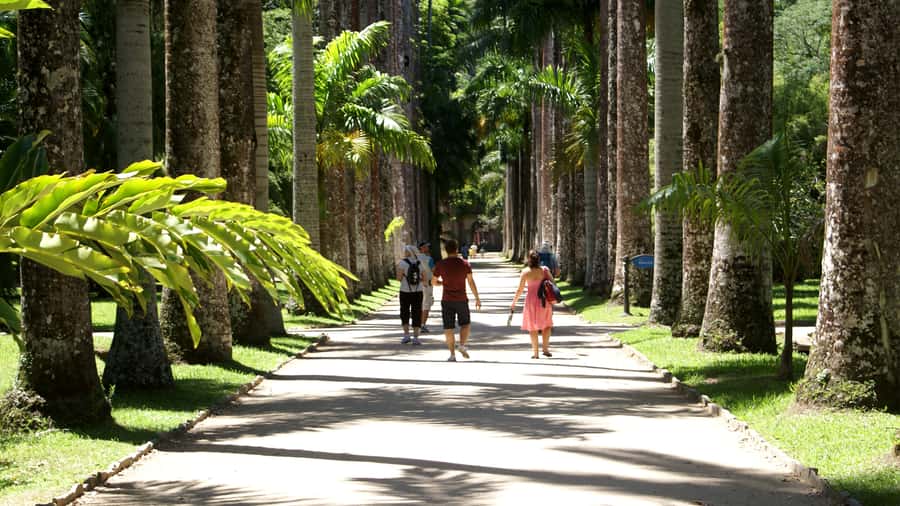
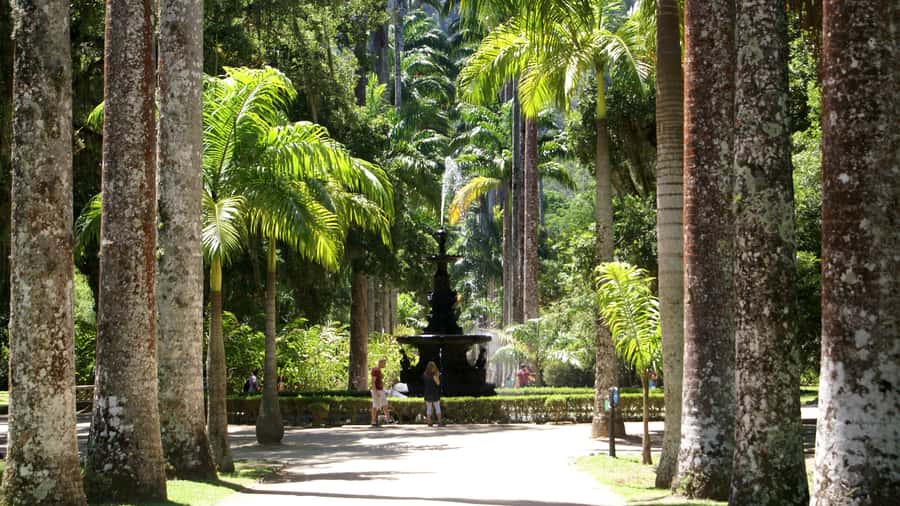
- Avenue of Royal Palms and the Fountain of the Muses: Classic Views With a Purpose
- Lago Frei Leandro and Victoria Water Lilies: When the Garden Gets Quiet
- Wildlife Chances: Capuchins, Marmosets, and Birdwatching
- The Old Gunpowder Factory: A Weirdly Fascinating Stop
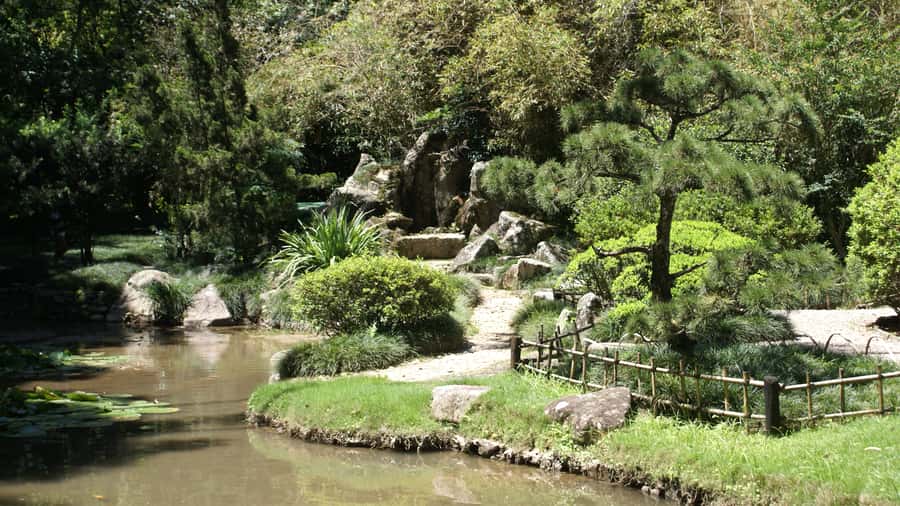
- Japanese Garden Serenity: The Ending That Feels Like a Reset
- Price and Value: Is $83 for 4 Hours a Good Deal?
- What to Wear, Bring, and Plan for in Rio’s Botanical Heat
- Who Should Book This Tour (and Who Might Skip It)
- Should You Book the Rio de Janeiro Botanical Garden Guided Visit?
- FAQ
- How long is the Botanical Garden guided visit?
- What is included in the price?
- Is food or drinks included?
- Where does pickup happen?
- What sights will I see during the tour?
- Can I see animals on this tour?
- What languages are available for the live guide?
- What should I bring for the tour?
- Is the tour wheelchair accessible?
- Is cancellation free?
- What if my departure time isn’t confirmed yet?
Key Points That Make This Botanical Garden Tour Work
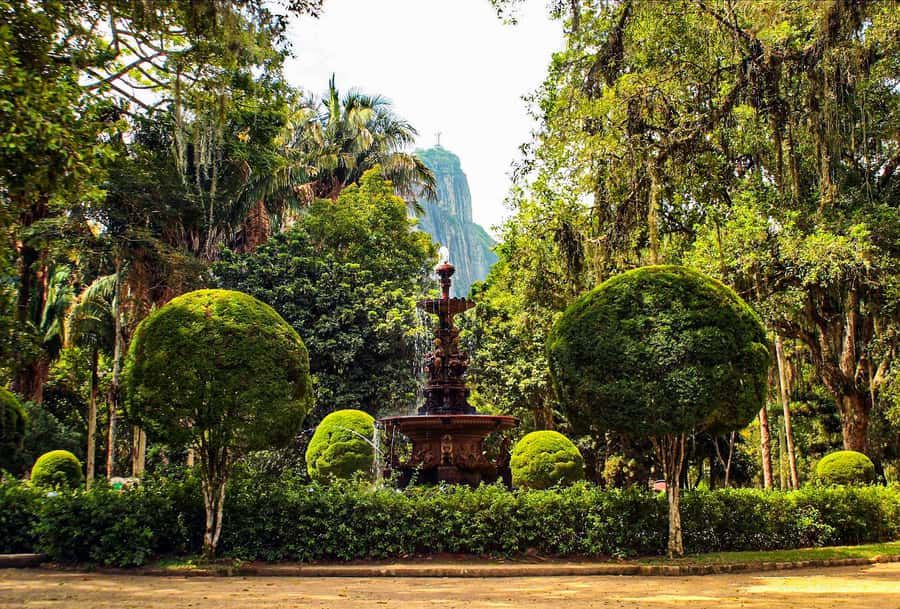
- Curated highlights in 4 hours: palms, fountain views, lilies, and a Japanese Garden all in one route
- Real animal spotting potential: capuchin monkeys, marmosets, and lots of birds
- Historic site, not just plants: an old gunpowder factory plus other monuments of significance
- A research-focused garden: part of a botanical institute that studies Brazil’s plants
- Transfers are built in: included pickup and return from many Zone Sul hotels
Rio Botanical Garden Under Corcovado: Why This Park Feels Special
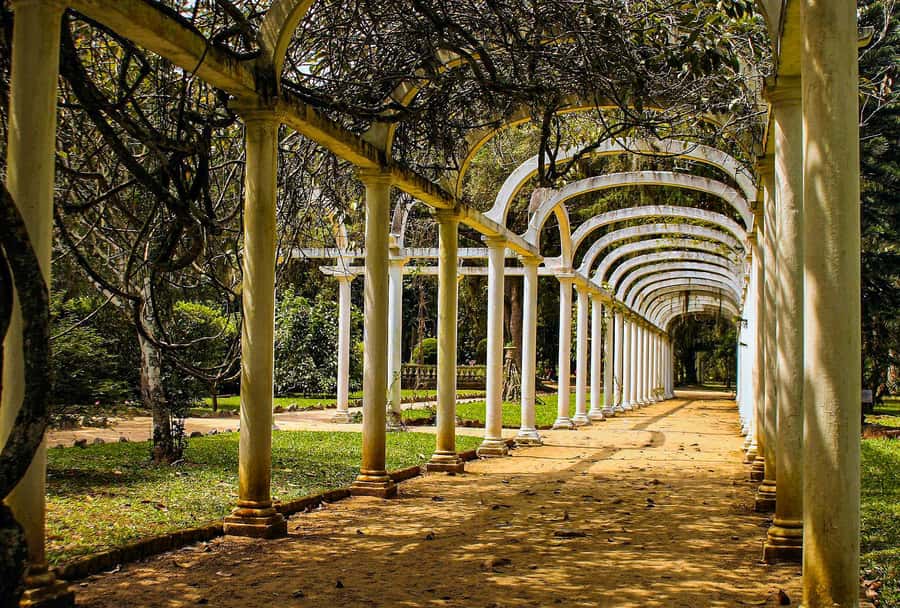
The Rio de Janeiro Botanical Garden sits in Zone Sul, at the foot of Corcovado Mountain, with Christ the Redeemer looming overhead. That setting matters. It turns a garden walk into a “Rio moment” rather than a generic park stop.
This is a serious botanical site too. Founded in 1808 by King João VI of Portugal, it covers 140 hectares and includes more than 6,000 plant species, with 900 palm varieties. In plain terms: you’re walking through a place built to show off plant diversity at a scale you can’t fake with a few small displays.
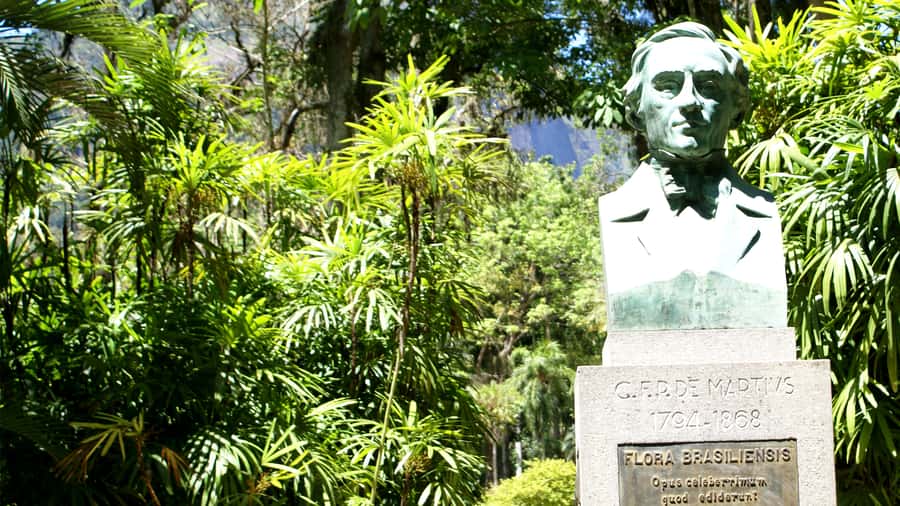
I also like that the tour doesn’t treat this as a museum-only visit. You’ll move through areas that include monuments of historic, artistic, and archaeological significance, including an old gunpowder factory and the Fountain of the Muses. And because there’s a research institute here, the garden feels active and thoughtful, not just decorative.
The main consideration is pace. This is a guided stroll through a big park, so you should expect some walking and sun exposure. Light clothes, sunscreen, and sunglasses aren’t optional accessories—they’re what make the experience pleasant.
You can also read our reviews of more guided tours in Rio De Janeiro



Your 4-Hour Flow: Pick-Up to Palms, Ponds, and Peace
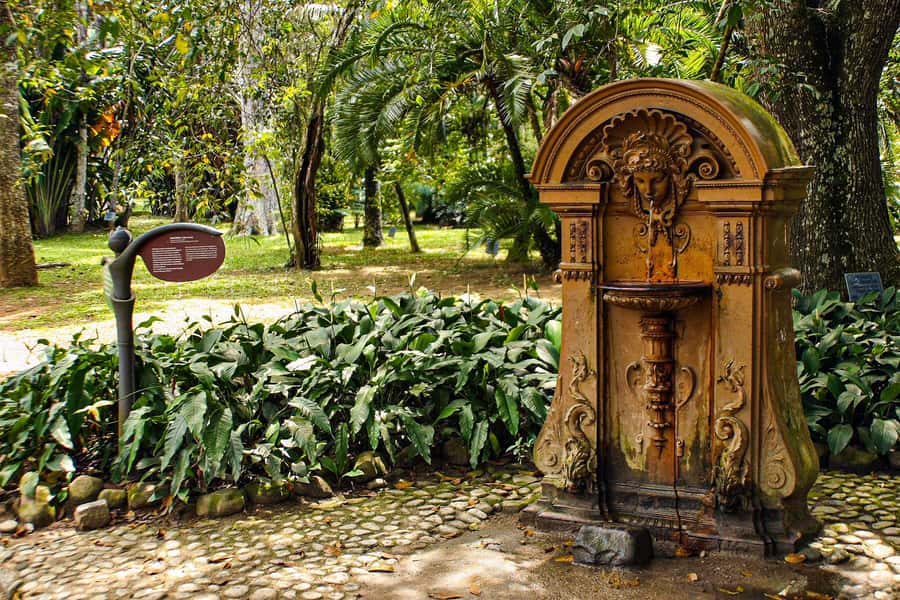
The day starts with pickup from many Zone Sul hotels, including São Conrado, Leblon, Ipanema, and Copacabana. The tour is designed as a round trip with transfers included, which is a big practical win if you don’t want to figure out bus routes or spend your time negotiating taxis.
You’ll head to the Botanical Garden and begin the guided route in the areas closest to the core highlights. The visit is long enough to hit the big recognizable sights—Royal Palms Avenue, the Fountain of the Muses, and the Victoria water lilies at Lago Frei Leandro—without turning into a full-day commitment.
What I’d expect you to like is how the guide keeps you moving between different “moods” of the garden:
- a grand, classic section for palms and monuments
- a quieter water setting for the lilies
- a reflective, low-noise spot at the Japanese Garden
That variety is more than just nice scenery. It helps you avoid that travel problem where one attraction becomes background noise. Here, each stop has a different reason to exist.
One more practical note: the specific departure time is set after reconfirmation. So when you book, keep an eye out for the final pickup schedule so you don’t arrive early and wait, or show up late and miss the start.
Avenue of Royal Palms and the Fountain of the Muses: Classic Views With a Purpose
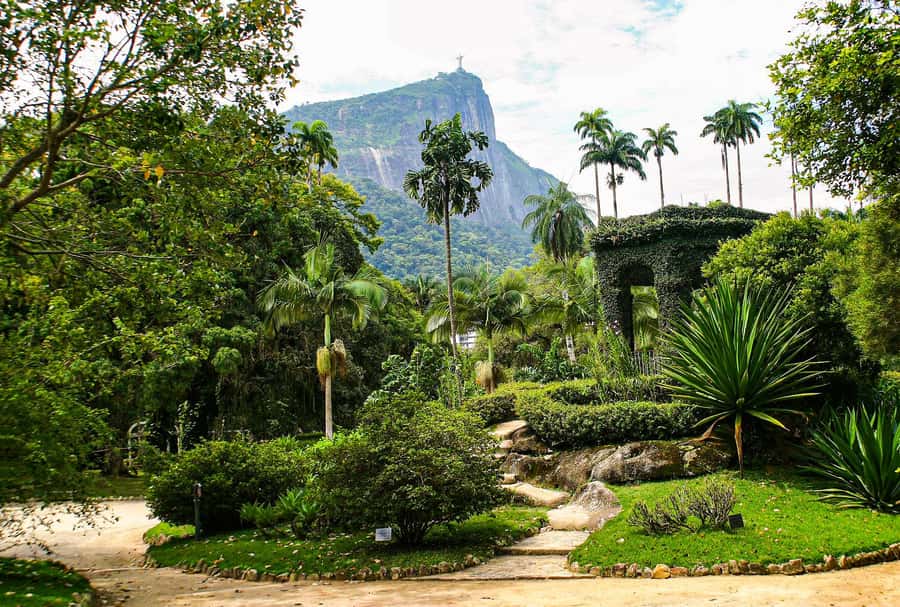
Two of the most pointed highlights are the Avenue of Royal Palms and the Fountain of the Muses. These aren’t just random photo spots. They’re anchors in the garden’s design, so your guide can connect what you’re seeing—palms, sculpture, and garden planning—into one coherent story.
The Avenue of Royal Palms gives you that “walk under living architecture” feeling. Since the garden holds hundreds of palm varieties, a route like this can make you notice details you’d skip on your own. The palms aren’t all identical; the point is to show how varied one plant family can be.
Then there’s the Fountain of the Muses. When a garden includes myth-inspired art, it usually signals the place was meant to be cultural as well as botanical. In this case, the tour frames it as part of the garden’s monuments of historic and artistic significance. That makes your stop feel purposeful, not like a random statue in the middle of greenery.
If you’re traveling with someone who gets impatient with “plant talks,” this is where the tour balances out. Even if you only catch the big outlines, you’ll still have a scenic, recognizable moment you can point to.
Lago Frei Leandro and Victoria Water Lilies: When the Garden Gets Quiet
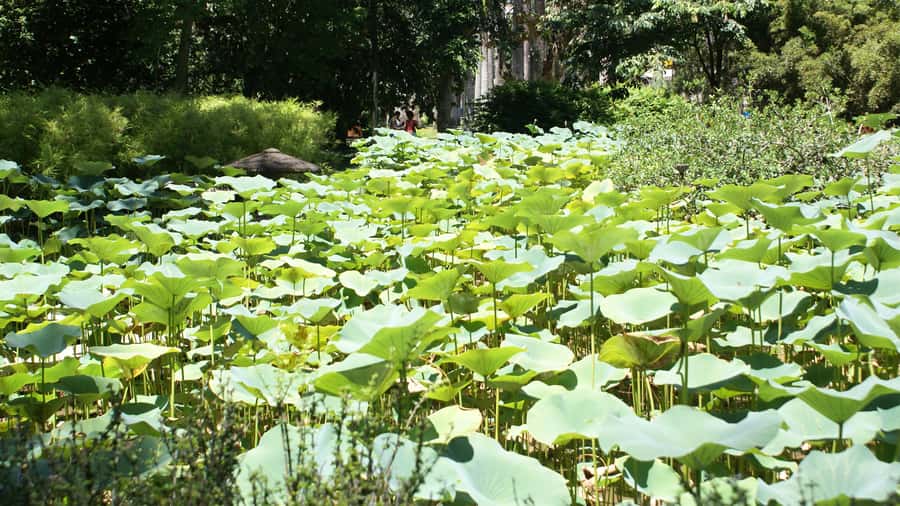
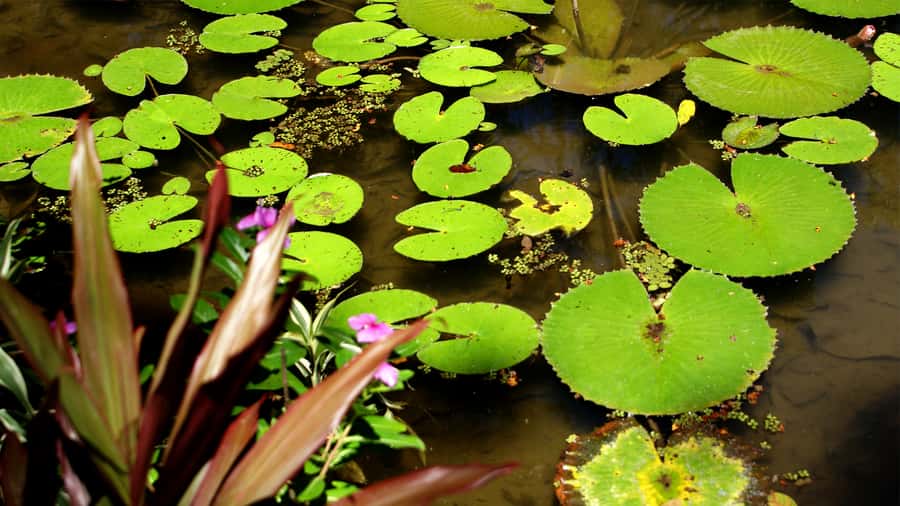
Next comes a water stop, and it’s one of the best ways to break up a plant-heavy visit. At Lago Frei Leandro, you’ll see Victoria water lilies. These are the kind of plants that make you slow down because they don’t behave like typical flowers.
Water lilies are also useful for people who don’t love constant walking or who want a calmer stretch of the day. This pond area naturally invites a pause—watch the surface, check the shapes, and let your eyes rest after all the vertical palm views.
The guide’s role here is what turns “look at a lily” into “understand why this part matters.” Since the garden includes thousands of species and also hosts a research institute focused on botanical studies in Brazil, seeing the lilies can feel like a living example of how the garden is organized around plants with specific significance.
Practical tip: wear sunglasses and keep an eye on the reflective light on the pond. It’s not dangerous, just annoying if you don’t plan for it.
Wildlife Chances: Capuchins, Marmosets, and Birdwatching
One reason this tour can feel more alive than a standard garden visit is the wildlife component. The garden is home to animals that have become accustomed to human presence, including capuchin monkeys, tufted-eared marmosets, and over 140 bird species.
Here’s the key: you shouldn’t treat this as a guaranteed wildlife safari. But you also shouldn’t plan like you’ll see absolutely nothing. The tour is structured to move you through areas where you’re most likely to notice activity.
For me, this is where a guided visit has real value. A guide can point out what to look for—movement in the canopy, birds in specific zones, and those quick glimpses when you’re busy admiring something else. Even if you only catch a short sighting, it can totally change the feel of the day.
If you’re into birdwatching, bring that mindset. With 140+ bird species in the garden, the experience can shift from “wow, plants” to “wow, life.”





The Old Gunpowder Factory: A Weirdly Fascinating Stop
The tour includes an old gunpowder factory, a monument that brings another layer to the garden. Most people picture botanical gardens as pure nature. This one adds an industrial past element, which makes the history feel less like a postcard and more like a real place with complicated functions over time.
Even without going into technical details (none are provided here), the value is in the contrast. You see a relic tied to manufacturing and then you move back into a curated plant space. That juxtaposition helps you appreciate why gardens like this often sit at the crossroads of science, culture, and power.
It’s also an easy win for travelers who get restless during long nature walks. A historical stop breaks the rhythm and gives your brain a different “hook” to hold onto.
Japanese Garden Serenity: The Ending That Feels Like a Reset
A big highlight is the Japanese Garden, where the tour finishes with a sense of calm. Japanese garden design typically encourages slow observation—lines, water, and controlled quiet. In this context, it works because you’ve already spent the earlier part of the visit moving between palms, monuments, and pond scenery.
By the time you reach this area, you’ll probably want that slower tempo. The Japanese Garden gives it to you. It’s the part of the tour where I’d expect you to take your time—not because the tour is slow, but because the setting naturally encourages a pause.
If you’re traveling with someone who likes photos, this is also a smart stop. The background lines and garden pacing tend to frame people well, without requiring you to sprint around for the best angle.
Just don’t treat it like a quick pass-through. The best value here is letting your senses shift from “look at everything” to “notice how it feels.”
Price and Value: Is $83 for 4 Hours a Good Deal?
At $83 per person for about 4 hours, the value comes from what’s included. You get round-trip transfers from many hotels, a professional guide, and the Botanical Garden entrance ticket. Food and drinks are not included, so you’re essentially paying for time, guidance, and getting there and back smoothly.
That transfer piece matters in Rio. Zone Sul traffic and distances can chew up your day. If you’re staying in Copacabana, Ipanema, Leblon, or São Conrado, having pickup and return built in helps you actually enjoy the garden instead of spending your energy on logistics.
Is it expensive? It depends on your travel style. If you’re comfortable doing public transit and navigating on your own, you might save money. But if you want an organized highlight route plus a guide who can connect monuments, plants, wildlife, and the research focus, $83 starts to look fair.
If you want to be extra cautious, keep an eye on cancellation outcomes. One low-rated report mentions a cancellation with no refund, which is the kind of scenario you want to avoid if your dates are tight. If flexibility matters to you, check the terms carefully and plan accordingly.
What to Wear, Bring, and Plan for in Rio’s Botanical Heat
This is a garden in Brazil, not an indoor attraction. The tour recommends light clothes, sunscreen, and sunglasses, and you should take that seriously. Even on comfortable days, sun and glare can make walking less fun.
Other practical ideas:
- wear comfortable walking shoes
- keep water handy even though drinks aren’t included
- have a way to protect your phone from sweat if you plan to take lots of photos
Also note that pickup is tied to your hotel lobby. If your hotel isn’t listed, you’ll be given the closest pickup location after contacting the provider. That’s simple, but it’s still on you to check the final pickup point so you’re not wandering around looking for a van that isn’t there.
Who Should Book This Tour (and Who Might Skip It)
This guided visit is a great match if:
- you want a structured nature walk with clear highlights
- you like gardens but also want history and small “surprises” like the gunpowder factory
- you enjoy animal spotting, especially birds
- you’d rather have a guide translate what you’re seeing than wander alone
You might consider skipping or choosing a different option if:
- you hate walking in parks or want minimal time outdoors
- you need a fully sedentary experience
- you’re traveling with very strict timing and can’t handle a route that depends on the garden’s flow
Should You Book the Rio de Janeiro Botanical Garden Guided Visit?
I’d book it if your goal is a calm, informative 4 hours that blends plants, architecture, and wildlife chances without forcing you into all-day sightseeing. The mix of the Avenue of Royal Palms, the Fountain of the Muses, Victoria water lilies at Lago Frei Leandro, the old gunpowder factory, and the Japanese Garden gives you multiple reasons to enjoy the time. Plus, included transfers make it easy to plug into a Rio itinerary.
I’d hesitate only if your trip dates are extremely inflexible. One low-rated report flags a cancellation and refund problem, so confirm the policy you’re relying on before you pay. For most people, though, this is a strong value way to experience the Botanical Garden beyond just standing at a map.
FAQ
How long is the Botanical Garden guided visit?
The tour lasts about 4 hours.
What is included in the price?
You get round-trip transfers from most hotels in São Conrado, Leblon, Ipanema, and Copacabana, a professional guide, and an entrance ticket.
Is food or drinks included?
No. Food and drinks are not included.
Where does pickup happen?
Pickup is included from most hotels in São Conrado, Ipanema, Leblon, and Copacabana. If your hotel isn’t listed, you’ll be told the closest pickup location.
What sights will I see during the tour?
You’ll visit or experience the Fountain of the Muses, the Avenue of Royal Palms, Lago Frei Leandro with Victoria water lilies, an old gunpowder factory, and the Japanese Garden. The guide also focuses on Brazilian flora and fauna.
Can I see animals on this tour?
The garden is home to animals that are used to human presence, including capuchin monkeys, tufted-eared marmosets, and 140+ bird species, so sightings can happen.
What languages are available for the live guide?
The live guide is offered in Spanish, English, Portuguese, German, and French.
What should I bring for the tour?
Wear light clothes and plan for sunscreen and sunglasses.
Is the tour wheelchair accessible?
Yes. The tour is wheelchair accessible.
Is cancellation free?
There is free cancellation up to 24 hours in advance for a full refund.
What if my departure time isn’t confirmed yet?
The specific departure time is determined upon reconfirmation, so you should confirm the start time before the day of your tour.