REVIEW · RIO DE JANEIRO
Rio de Janeiro: Favela Santa Marta Tour with Resident Guide
Book on GetYourGuide →Operated by Favela tour Santa Marta Turismo Comunitário e Social · Bookable on GetYourGuide
A favela tour with a real resident guide. This one centers on Gilson Fumaça and his Santa Marta neighborhood, with stops that connect what you see on the street to the social, cultural, economic, and environmental work happening inside the community. You’ll hear stories that link Rio’s big moments to everyday life, including the 1968 visit of Queen Elizabeth II and the Michael Jackson scene shot locally.
What I like most is the balance: you get views and photos, but the heart of the tour is the people. Second, you’ll spend time with community projects and you may even step into Gilson’s home life, including meeting his mother Maria Helena, who’s known for collecting hundreds of clocks. One consideration: this is a walk-and-stairs experience, so it’s not a good match for mobility impairments or wheelchair users.
In This Review
- Key things to know before you go
- Rio from the inside: why Santa Marta feels different with Gilson
- Price and what $27 buys you in real value
- Where you meet and how the pacing works (R. São Clemente)
- Inside Santa Marta: safety briefing, orientation, and first impressions
- Cable car and viewpoint stops: the Rio skyline moment
- R. da Paciência and the Michael Jackson link: history that sticks
- Favela Scene and the local restaurant: culture in motion
- Gilson’s home life and community projects: why this tour feels purposeful
- Safety, stairs, and the comfort reality check
- Who should book this Santa Marta tour
- Final call: should you book it?
- FAQ
- How long is the Rio de Janeiro Favela Santa Marta tour?
- Where do I meet the guide?
- What language is the tour guide available in?
- What’s included in the price?
- What stops are on the route?
- Is the tour suitable for wheelchair users or people with mobility impairments?
- Is free cancellation available?
- Can I reserve now and pay later?
Key things to know before you go
- Touring with Gilson Fumaça: a credited local guide with decades in the community
- Responsible, community-led purpose: education, culture, and sustainability are part of the route
- Rio viewpoint moments: cable car time plus photo stops with city views
- Stories with context: history, challenges, and progress explained by someone who grew up there
- Time for real interaction: daily life, local leisure, and community connections along the way
- Short duration, strong impact: about 2 hours (up to 150 minutes) for $27
Rio from the inside: why Santa Marta feels different with Gilson
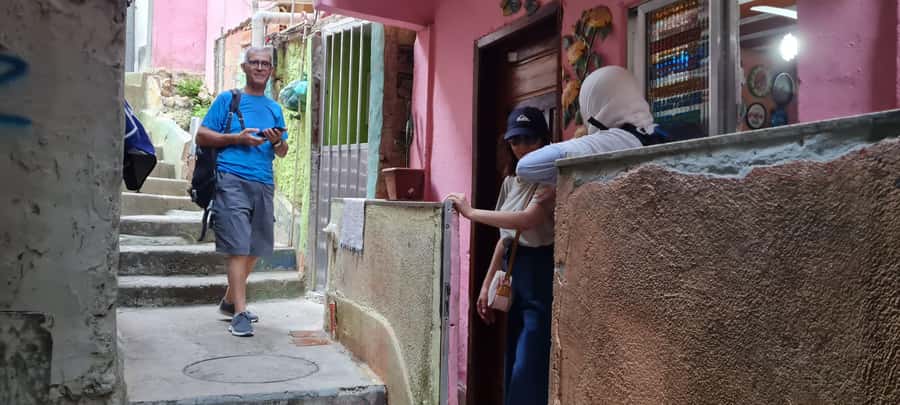
Most Rio tours give you a checklist view of the city. This one flips that. The Santa Marta experience is built around a person who lives the neighborhood, not just someone who passes through it for a couple of hours. Gilson Fumaça is a long-time community leader and a tourism guide credited through Brazil’s tourism ministry, and that matters because he can explain the place in plain terms.
The tour’s theme is responsibility. You’re there to learn about how Santa Marta has developed socially and economically, and how community projects aim for inclusion and sustainability. You’re also there to see Rio beyond the usual postcard split between the famous attractions and the lived reality of people in favelas.
You’ll hear a lot of story. Gilson’s background includes being involved with major events and media productions connected to the neighborhood, and he uses that to explain how the world sees Santa Marta versus how the community lives it. That contrast gives you more than scenery. It gives you understanding.
You can also read our reviews of more guided tours in Rio De Janeiro



Price and what $27 buys you in real value
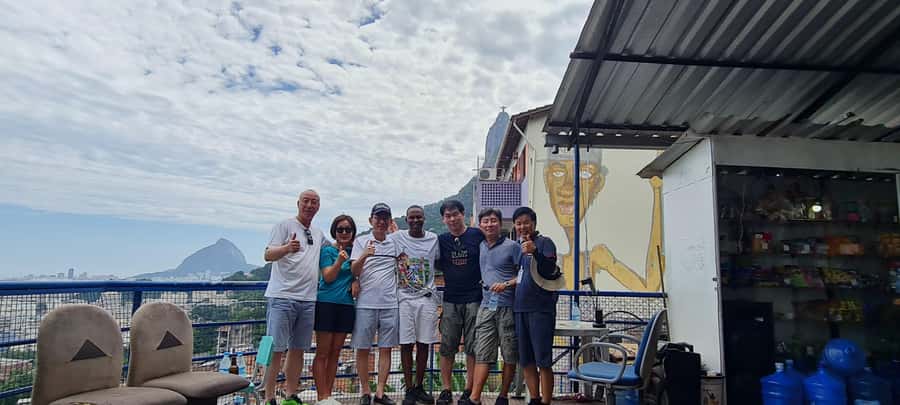
At $27 per person for roughly 2 hours and up to 150 minutes, the price is low for what you’re actually paying for: a local guide who can move you through the neighborhood with context, plus built-in stops for viewpoints, cultural moments, and a local food visit.
The biggest value here is access with an ethics-first purpose. Your payment supports the kind of education and community work that’s tied to Gilson and the neighborhood network around him. And because the guide is locally rooted, you’re not just buying a route. You’re buying interpretation, context, and safety guidance that comes from knowing the community day-to-day.
One practical note: the tour includes bottled water, and it’s guided in English, Spanish, and Portuguese. But the price listing doesn’t spell out every external cost that might come with transit segments. When in doubt, ask what’s covered for any rides or entry fees that aren’t clearly stated.
Where you meet and how the pacing works (R. São Clemente)
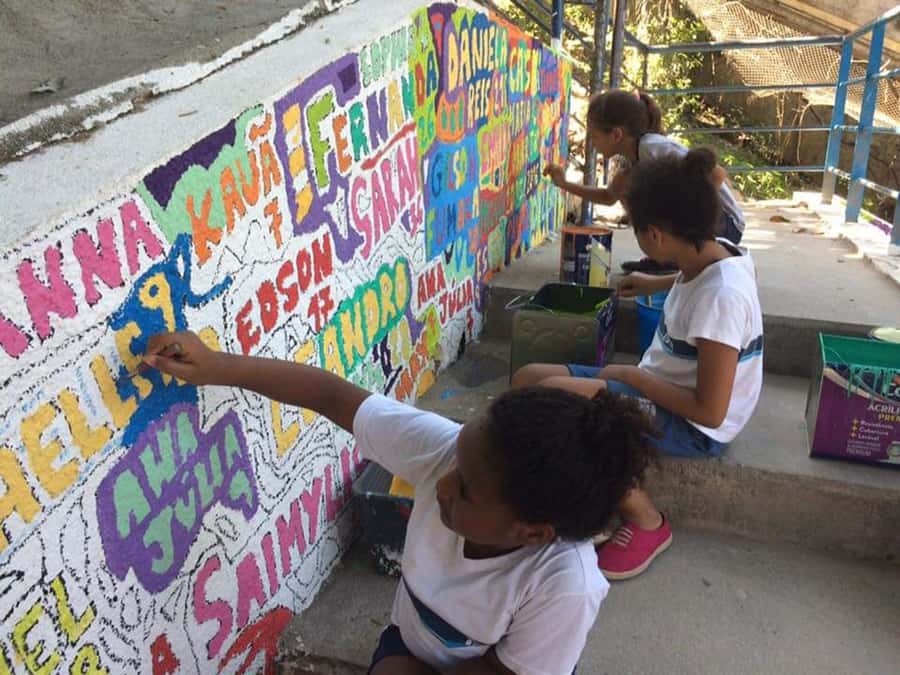
You start at R. São Clemente, 320, by the Tourist Information. The meeting point can vary depending on what option you book, but this is the key address you’ll be aiming for.
The pacing is designed for a short visit. The route includes a cable car segment and multiple stops with photo time, so you’re not stuck walking nonstop in one direction. Still, the terrain is a real factor. This tour involves steps and hillside movement, which means you should dress for walking and expect some effort.
If you get heat easily, pick your timing carefully. One review experience highlighted how hot conditions can make the stairs tougher, especially for older visitors, so you’ll feel better if you plan for a cooler part of the day.
Inside Santa Marta: safety briefing, orientation, and first impressions
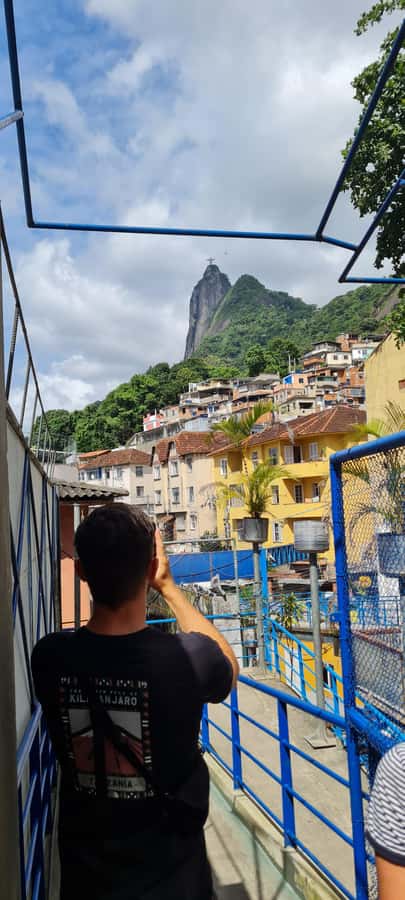
The first stretch is a guided tour with a short safety briefing. That isn’t just a formality. In a neighborhood like Santa Marta, your guide’s role is partly logistics and partly reading the space. Gilson’s strength is that he knows people and community dynamics, and he can set expectations early so you can focus on learning.
Right away, you’ll notice the difference between a tourist view and a resident view. The streets aren’t just scenery. They’re daily routes for kids, families, and work. You’ll see how the neighborhood’s layout shapes movement and how views connect to the geography of Rio.
This is also where the emotional tone starts to form. The tour is built to correct stereotypes. It aims to show struggle and resilience without turning the community into a spectacle.
Cable car and viewpoint stops: the Rio skyline moment
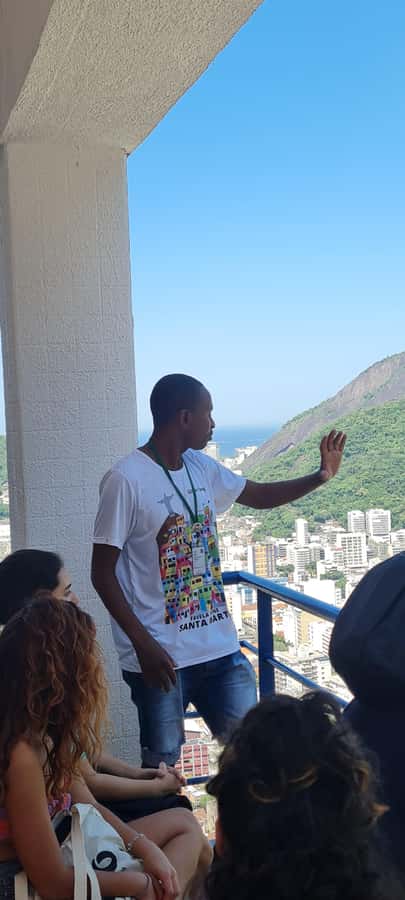
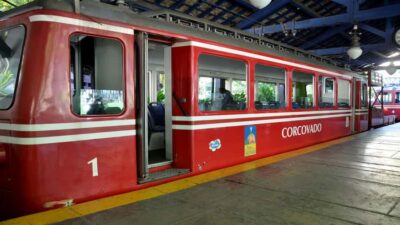
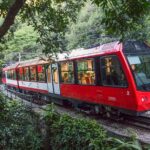
A big chunk of the experience is the cable car ride and nearby viewpoints. You’ll spend about 20 minutes on the cable car, then you’ll stop at a viewpoint for photos.
This is your practical payoff. Rio looks dramatic from up high, and the route gives you a chance to see the city from angles most visitors never time correctly. If the day is clear, you’ll get stronger sightlines toward major landmarks. One tip from the experience: clear weather helps with the view of Cristo Redentor from the higher portions of the route.
Photo stops are short, but they’re placed where the landscape actually helps you understand the geography of Santa Marta in relation to the wider city.



R. da Paciência and the Michael Jackson link: history that sticks
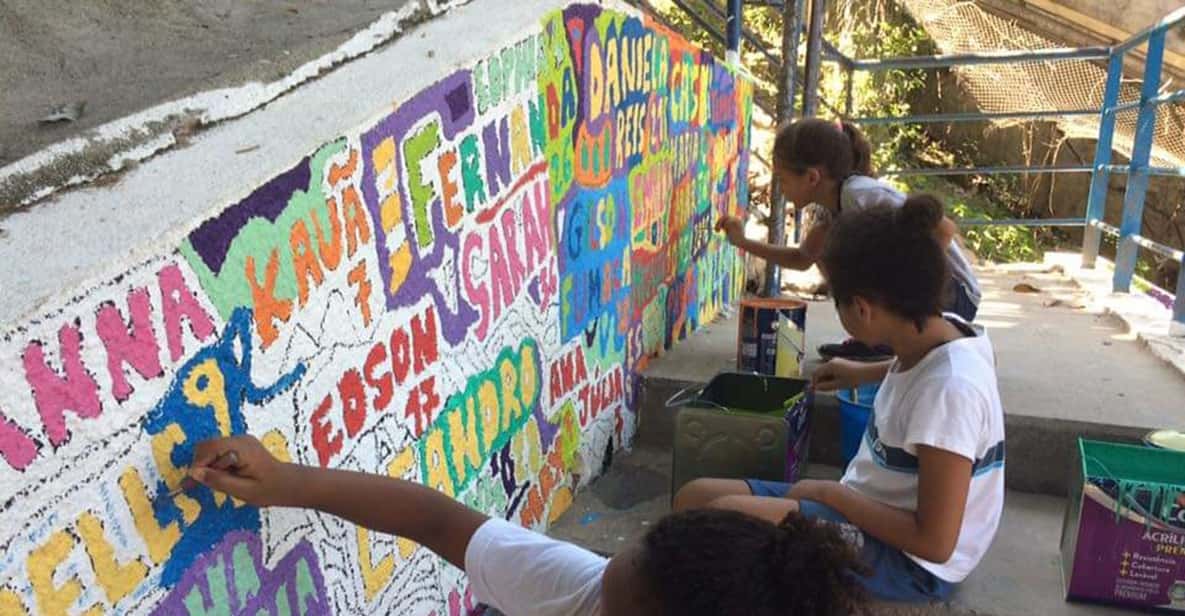
One of the most memorable parts of the tour is the storytelling around pop culture and real place. You’ll visit along R. da Paciência, 4, including a photo stop and a short visit, with scenic views on the way.
Then comes a cultural anchor: Michael Jackson Square. This break includes free time and shopping, but the key is the context behind why that location matters. You’ll learn about the neighborhood’s connection to the Michael Jackson music video They Don’t Care About Us and how that kind of global attention interacts with local life.
Even if you don’t care about music history, the effect is useful. It teaches you how outsiders frame a neighborhood, and how the community experiences attention and attention’s aftermath.
Favela Scene and the local restaurant: culture in motion
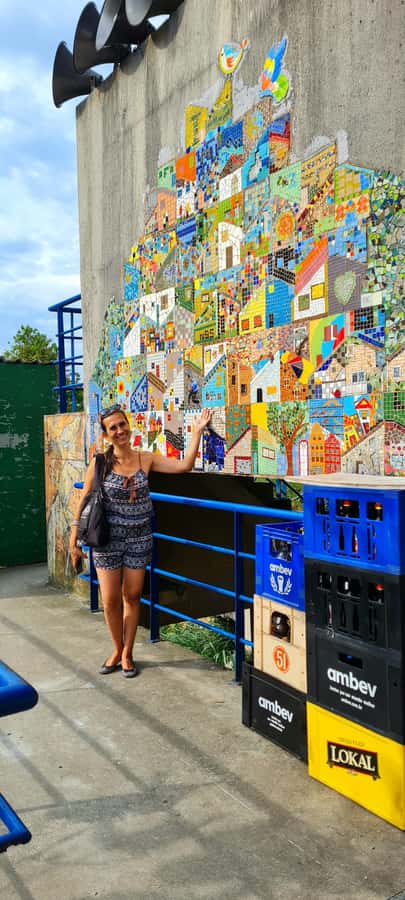
Between viewpoints and squares, you’ll hit Favela Scene for about 15 minutes. This stop is where the tour shifts again from scenery to community presence. Think of it as a place where you can see how people organize cultural and social moments in everyday life.
After that, you’ll visit a local restaurant for about 20 minutes. This is a smart inclusion for two reasons. First, it breaks up the walking. Second, it gives you a chance to experience the neighborhood’s hospitality rhythm without trying to force it into a standard tourist meal.
Don’t expect a fancy, staged experience. Expect normal, local life. That’s usually the whole point.
Gilson’s home life and community projects: why this tour feels purposeful
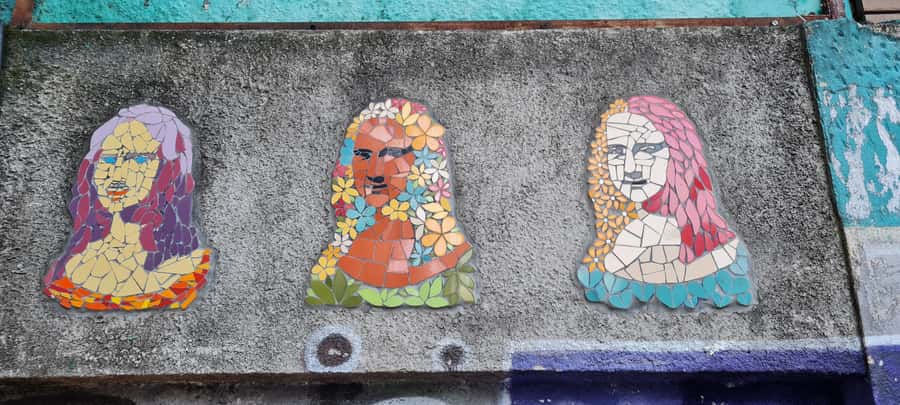
The tour doesn’t just show you the outside of Santa Marta. It works in the idea that learning should connect to people. That’s where Gilson’s role becomes personal.
You may get the chance to visit Gilson’s home and meet members of his family, including his mother Maria Helena, who collects more than 400 clocks. Even if you’re not a collector type, it’s an instantly memorable detail because it communicates personality and family life, not poverty-as-a-prop.
You’ll also hear about education and community projects, including programs linked to Gilson Fumaça’s educational work and initiatives focused on language learning, arts, music, and environmental efforts. The message stays consistent: booking this tour helps build the dream through education, inclusion, and long-term community support.
A detail that lands well: Gilson isn’t presented as a distant “instructor.” He’s shown as a working community leader with long involvement, including connections to major public moments that intersect with Santa Marta.
Safety, stairs, and the comfort reality check
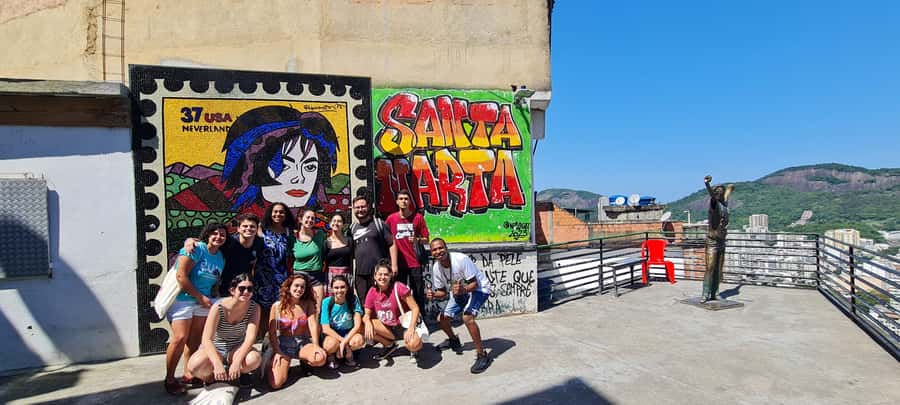
Safety is a big reason people choose this tour, and the tone is consistently calm and confident. Gilson’s credibility inside the neighborhood is part of it, and the route includes a briefing early on, plus ongoing guidance.
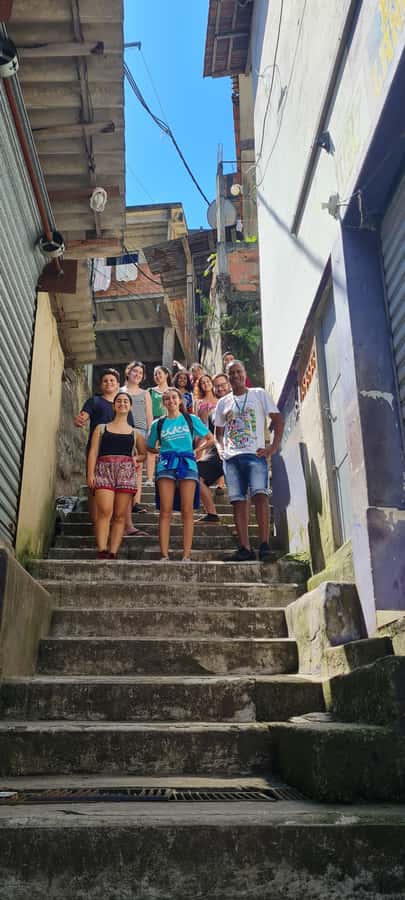
Still, you should plan for the physical side. It’s not built for wheelchair users or people with mobility impairments. Even on a good day, expect uneven ground, steps, and hillside movement. Wear good walking shoes and keep water handy; bottled water is provided, but you’ll still want to pace yourself.
If you’re traveling with older family members or anyone who struggles on stairs, consider whether a less physical neighborhood tour would fit better.
Who should book this Santa Marta tour
This is a strong choice if you want:
- A local-led view of Rio beyond the obvious tourist map
- A tour focused on social and cultural context, not shock value
- A guide who can explain history and present-day challenges in plain language
- A short itinerary that still includes viewpoints, cultural stops, and community time
It’s also a good fit for people who like story-driven travel, including history that connects to pop culture landmarks like Michael Jackson Square.
You might skip it if you need wheelchair accessibility, have serious mobility limitations, or you don’t handle heat and stairs well.
Final call: should you book it?
I’d book this Santa Marta tour if you’re the kind of traveler who prefers meeting a person to chasing a checklist. The value is in the guide’s deep community connection, the responsible purpose behind the route, and the way the experience connects daily life to education and sustainability work.
If your priority is purely scenic Rio photos with no walking effort and no neighborhood context, this may feel like more than you want. But if you want to understand Rio with your feet on the ground, this is one of the most meaningful ways to do it for the money.
FAQ
How long is the Rio de Janeiro Favela Santa Marta tour?
It lasts about 2 hours to 150 minutes.
Where do I meet the guide?
You meet at R. São Clemente, 320, Tourist Information. The exact meeting point may vary depending on the option you book.
What language is the tour guide available in?
The guide is available in English, Spanish, and Portuguese.
What’s included in the price?
The tour includes a local guide and bottled water.
What stops are on the route?
The itinerary includes Favela Santa Marta (with a guided tour and safety briefing), a cable car segment, a viewpoint photo stop, a stop along R. da Paciência, 4, Favela Scene, a local restaurant visit, and a break at Michael Jackson Square.
Is the tour suitable for wheelchair users or people with mobility impairments?
No. It is not suitable for people with mobility impairments or wheelchair users.
Is free cancellation available?
Yes. You can cancel up to 24 hours in advance for a full refund.
Can I reserve now and pay later?
Yes. The activity offers reserve now & pay later.