REVIEW · RIO DE JANEIRO
Rio de Janeiro: Little Africa Heritage Walking Tour
Book on GetYourGuide →Operated by Sou Mais Carioca · Bookable on GetYourGuide
Samba has a street address in Rio. This Little Africa heritage walk ties African history to daily life in Rio, with rooftop views over Mauá Square and Guanabara Bay baked into the start.
I love how the tour doesn’t treat samba as trivia. It builds the why, from Brazil’s colonial era to the port neighborhoods that shaped Afro-Brazilian culture.
One thing to plan for: this is an outdoor walk in rain or shine, and you’ll be on your feet for about 2.5 hours.
Key things I’d circle on your map
- Rooftop panorama: Mauá Square and Guanabara Bay views from the Rio Art Museum rooftop
- Samba origin stop: Pedra do Sal, described as where samba was born
- Afro-dance landmark: a statue honoring Mercedes Baptista, a forerunner of Afro dance in Brazil
- Food history connection: Largo da Prainha and African influence on Brazilian gastronomy
- Valongo’s major sites: Jardim Suspenso do Valongo and Cais do Valongo to close the loop
- Story-led pacing: a guide-led walk with a short break to reset during the 150 minutes
In This Review
- Starting at Museu de Arte do Rio: the tone is set fast
- Rooftop views over Mauá Square and Guanabara Bay
- Little Africa in the port zone: why the name still matters
- Morro da Conceição: walking a real neighborhood, not a museum hallway
- Largo da Prainha: African influence shows up in what you eat
- Mercedes Baptista: Afro dance history in a visible monument
- Pedra do Sal: where samba was born
- Jardim Suspenso do Valongo and Cais do Valongo: ending at the heart of the port story
- What 150 minutes feels like on foot
- Guides make or break a heritage walk
- Price and value: is $40 a smart use of time?
- Who should book this walk—and who might skip it
- Should you book the Rio Little Africa heritage walk?
- FAQ
- Where do I meet the guide?
- How long is the tour?
- What language is the tour in?
- Is the tour walking only, and what should I bring?
- Does the tour run in bad weather?
- Is it suitable for young children?
Starting at Museu de Arte do Rio: the tone is set fast
You meet your guide right in front of Museu de Arte do Rio. Aim to arrive about 5 minutes early so you’re not rushed at the beginning. The guide can only wait 15 minutes if you’re delayed, so late arrivals are likely to miss the start.
The first part of the tour is history, but not a lecture that floats above street level. You begin with a quick, guided setup about Brazil during the colonial period. I like that approach because the rest of the walk keeps paying off: when you later hear about African communities in the port area, it lands as lived reality—not just a vague backstory.
Expect a calm rhythm from the group right away: learn, walk, look, learn again.
Rooftop views over Mauá Square and Guanabara Bay
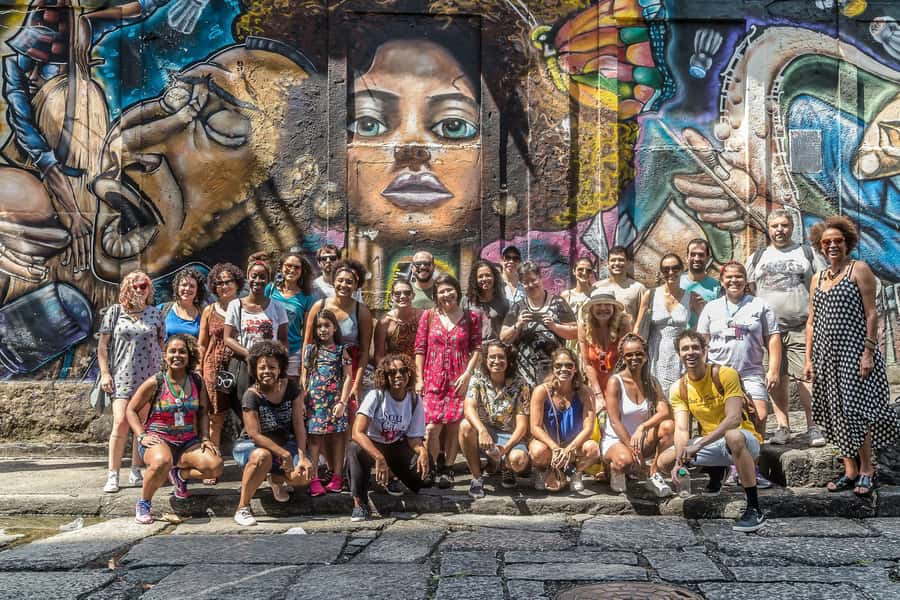
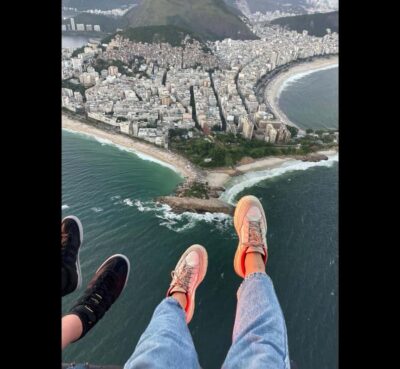
After the initial context, there’s a short moment that feels like a reset button: you can admire the panorama from the rooftop of the Rio Art Museum. You’ll take in Mauá Square and Guanabara Bay from above, with the port region stretching out below.
This stop matters more than it might seem. The view gives you orientation in Rio’s geography and helps you understand why these locations mattered historically. When you later stand near waterfront sites tied to Afro-Brazilian life, you’re not guessing where you are—you already have the skyline and coastline in your head.
If you’re visiting Rio for the first time, this rooftop moment is a great way to get your bearings quickly.
You can also read our reviews of more walking tours in Rio De Janeiro



Little Africa in the port zone: why the name still matters
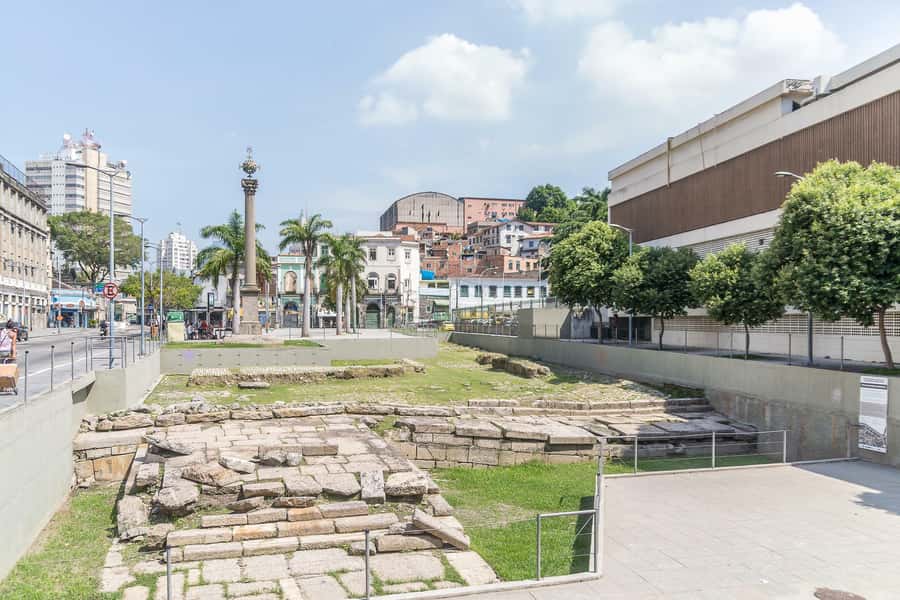
The tour centers on the neighborhoods in Rio’s port region that became known as Little Africa around the turn of the 20th century. This is where the story shifts from distant history to a neighborhood identity.
After the slave trade became illegal in Brazil, freed enslaved people stayed working in the area. That detail helps explain why this wasn’t just a place people passed through. It became a working community, with culture, music, dance, and food traditions that endured.
In my mind, the biggest value here is clarity. You’re not just collecting facts—you’re seeing how a place’s history can shape what you hear, eat, and dance later in Rio.
Morro da Conceição: walking a real neighborhood, not a museum hallway
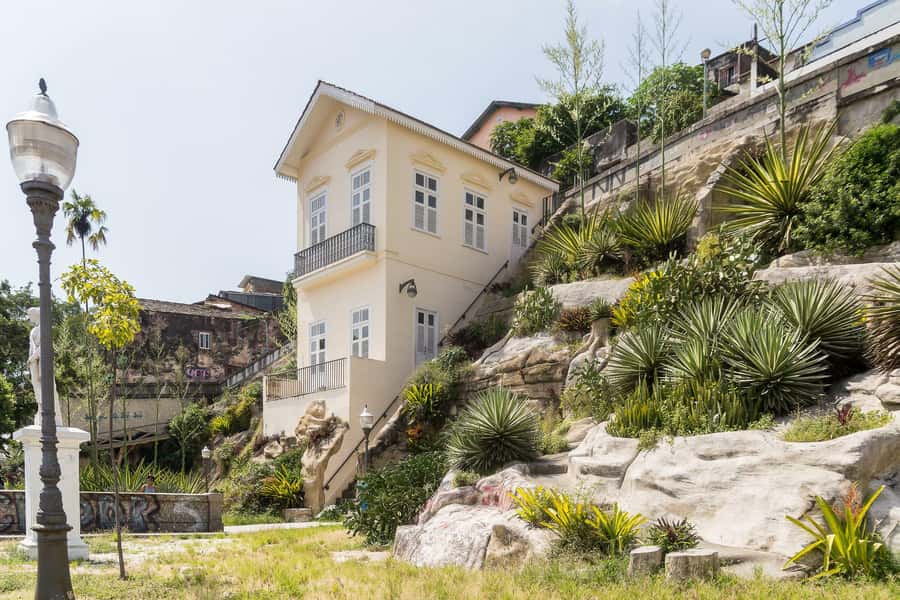
One of the walk segments takes you toward Morro da Conceição, with a guided portion and a bit of movement on foot. This is where you’ll feel you’re truly in Rio’s older, denser urban fabric.
The tour approach is simple: point out what you’re seeing, then connect it to the bigger story. Even if you’re not the type who loves walking tours, neighborhood context is the secret sauce. You start to notice details you’d otherwise miss.
Largo da Prainha: African influence shows up in what you eat
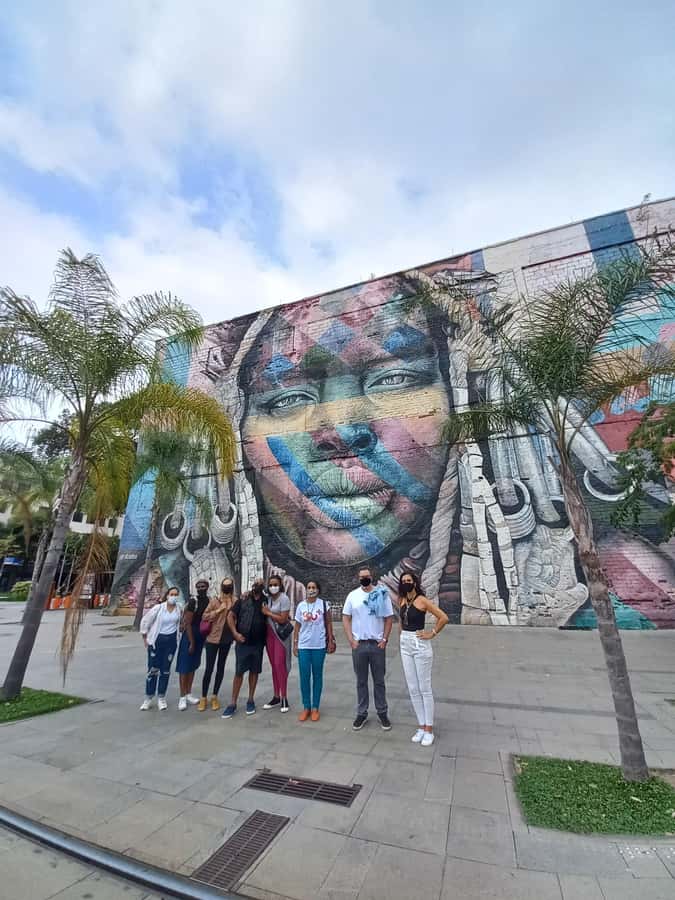
Next comes Largo de São Francisco da Prainha (often just called Largo da Prainha). This stop focuses on African influence in Brazilian gastronomy. It’s one of those angles I really appreciate because it ties heritage to something practical.
Food is an everyday form of memory. So when the guide explains how African roots show up in Brazilian flavors, it makes the whole tour feel transferable. After this, you’ll likely watch what’s on menus with different eyes.
It also keeps the tour from being one-note. Yes, the history is heavy in parts, but there’s room for culture that continues, not just what was lost.
Mercedes Baptista: Afro dance history in a visible monument
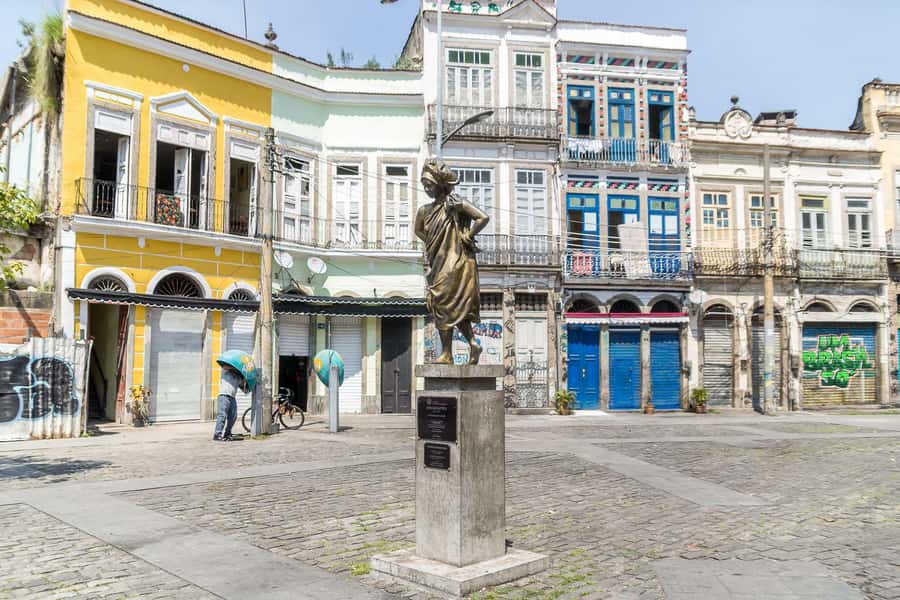
Then you’ll see a statue erected in honor of Mercedes Baptista. The guide connects her to the forerunner of Afro dance in Brazil, and also to an important milestone: she was the first Black dancer at the Municipal Theater in Rio de Janeiro.
This is a strong stop for two reasons. First, it puts Afro-Brazilian performance history into a public space where you can’t ignore it. Second, it helps you connect what you might see today—rhythm, movement, community dance traditions—to real individuals who pushed boundaries.
If you care about the arts, this part is especially rewarding.
You can also read our reviews of more historical tours in Rio De Janeiro


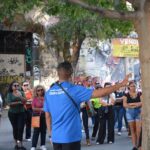



Pedra do Sal: where samba was born
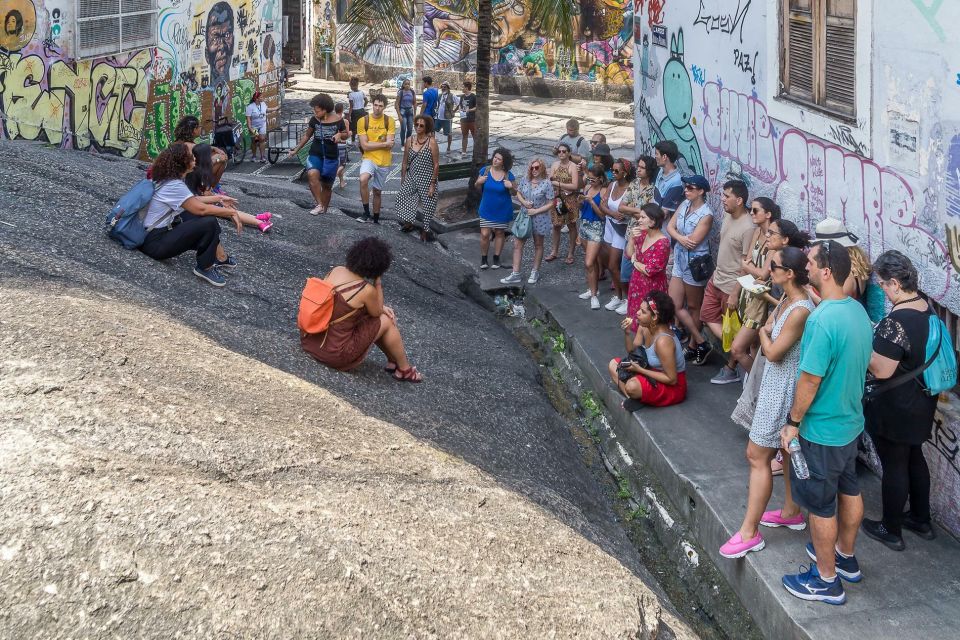
The tour’s most emotional and iconic stop is Pedra do Sal. The area is described as the place where samba was born, and you’re also told it’s the oldest continuously-inhabited Black neighborhood in the country.
Standing here, the name changes everything. Samba becomes more than a sound check for your playlist. It becomes a cultural product of specific streets and people, shaped by history and community life.
Practical tip: bring your camera, but also pause without it. This is one of those places where the guide’s framing makes silence feel useful.
Jardim Suspenso do Valongo and Cais do Valongo: ending at the heart of the port story
The tour ends with the Jardim Suspenso do Valongo (Hanging Garden of Valongo) and continues to Cais do Valongo.
This final stretch is important because it closes the loop. Earlier, you learn about the port neighborhood’s history and the African influence on Brazil. Now you land at two sites directly tied to the Valongo area, which has long held significance in Rio’s story.
The Hanging Garden stop helps you see how the landscape of the past sits right in the middle of modern city life. And then Cais do Valongo grounds the experience at the waterfront, where maritime history is hard to separate from people’s stories.
When the tour wraps back at Museu de Arte do Rio, you’ll likely feel like Rio isn’t one city—it’s layered time.
What 150 minutes feels like on foot
This tour runs for about 150 minutes—and it’s entirely outdoors. There’s a 10-minute break built in, so you’re not stuck walking continuously.
The walking time, pace, and stop density can feel like a lot if you’re heat-sensitive. Several people who’ve done the tour emphasize that you should be ready for time outside, especially in Rio’s sun. My practical advice matches that: wear comfortable shoes, bring water, and protect your skin with sunscreen.
Also, remember it runs rain or shine. If the weather looks dramatic, don’t assume it cancels. Bring a rain layer if that’s your thing, but don’t treat the forecast as a plan.
Guides make or break a heritage walk
The tour includes an English-speaking guide. Guides can vary by group, but the common thread in the guide feedback is storytelling. I’ve seen this kind of tour succeed when the guide makes you connect dots—colonial context, port neighborhood life, dance and music, and how all of that lands in places you can point to.
If you get a guide like Luana or Nathalia, for example, expect lots of energy and clear explanations. Guides such as Eddie, Raquel, Larissa, Ryane, or Marina are also mentioned as strong storytellers who keep the group engaged with both history and helpful Rio recommendations after the walk.
Bottom line: show up on time, ask questions when something sparks you, and you’ll get more out of the tour than the script.
Price and value: is $40 a smart use of time?
At $40 per person for about 2.5 hours, this is priced like a focused city experience, not a full-day excursion. There’s no hotel pickup, so you’re responsible for getting to the meeting point by yourself. That’s not a deal-breaker—it usually means less friction and more time walking.
What you’re really paying for is access to interpretation: the guide helps you understand why each stop matters. The tour also hits multiple anchors in one run—Mauá Square, Pedra do Sal, Valongo, and the Mercedes Baptista tribute—so you’re not bouncing between far-apart attractions.
If you’re the kind of traveler who likes to read a city through its people and neighborhoods, $40 can feel very fair. If you only want postcard highlights, you might find the tone heavier than you expect, because the history of slavery and racial dynamics is part of the framing.
Who should book this walk—and who might skip it
This tour is a strong fit if you want:
- Afro-Brazilian culture connected to specific Rio locations
- Context for samba that goes beyond a fun fact
- A guided walk that explains how history shows up in music, dance, and even food
- A short format that still covers major sites in the port region
It may not be the best match if:
- You need lots of indoor time or want a very light theme
- You dislike walking for about 2.5 hours outdoors
- You’re traveling with a child under 5 (the tour isn’t suitable for that age group)
Should you book the Rio Little Africa heritage walk?
Yes, I think you should book this tour if you want your Rio to have depth. The big win is that it treats samba, dance, and community identity as something rooted in place. The rooftop view over Mauá Square is a good bonus, but the real value is the way the guide connects neighborhoods, monuments, and waterfront sites into one story.
If you’re short on time, this is also a smart use of it. You get a guided path through several major locations—then you can take what you learned and use it the rest of your trip.
If you’re unsure, choose based on your travel style: history-with-streets-and-people tends to be a hit here, especially when you come with curiosity.
FAQ
Where do I meet the guide?
Meet your guide in front of Museu de Arte do Rio. Try to arrive about 5 minutes early since the guide can wait 15 minutes if you’re delayed.
How long is the tour?
The tour lasts about 150 minutes.
What language is the tour in?
The tour is offered in English.
Is the tour walking only, and what should I bring?
It’s a walking tour outdoors. Bring comfortable shoes, water, sunscreen, and comfortable clothes.
Does the tour run in bad weather?
Yes. The tour takes place rain or shine.
Is it suitable for young children?
No. It is not suitable for children under 5 years.
If you want, tell me your travel dates and what else you’re doing in Rio (for example, whether you’re visiting museums, samba shows, or beaches), and I’ll suggest the best way to slot this walk into your day.