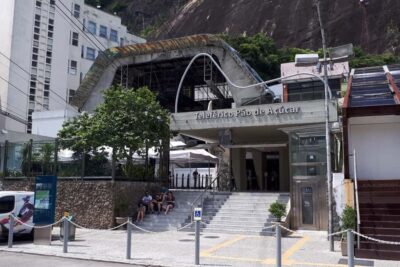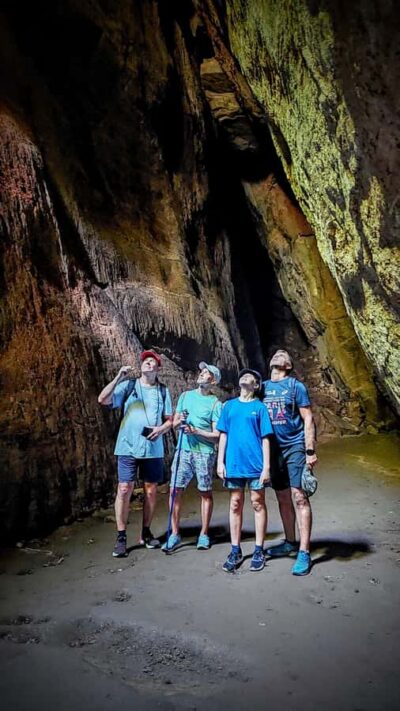
REVIEW · RIO DE JANEIRO
Explore Little Africa : Unveiling Afro Heritage in Rio de Janeiro
Book on Viator →Operated by Agência Etnias Turismo e Cultura · Bookable on Viator
Little Africa in Rio is not a side quest. This 3.5-hour walk-and-transit route ties together Afro-Brazilian memory with places that still shape the city today. I like that it blends quick external stops with focused museum time, so you leave with context, not just landmarks.
Two things I especially like: first, the tour builds a decolonial narrative right from the start, including cultural framing at Matriz da Paroquia de Santa Rita. Second, it gives you a strong “science + memory + culture” mix through IPN (Pretos Novos), MUHCAB in Gamboa, and the Valongo-area sites that connect past and present in the same neighborhood grid.
One possible drawback: it involves walking on uneven streets and ends in the Saúde area, so if heat or mobility is a major issue, you’ll want to plan smart with comfortable shoes and a pace that works for you.
In This Review
- Key things that make this tour worth your time
- Rio’s Little Africa is a map you can walk
- Starting at Santuário de Santa Rita and Matriz da Paroquia de Santa Rita
- IPN in Rio: Pretos Novos and the power of research + memory
- MUHCAB in Gamboa: Afro-Brazilian culture in museum form
- Cais do Valongo: the port district you can’t ignore
- Pedra do Sal and Largo São Francisco da Prainha: sacred landmarks and living memory
- The pacing, tram ride, and why afternoon timing affects photos
- Price and value: what $82.53 buys in real terms
- Guides matter: what to expect from the human side
- Who should book this tour, and who should consider alternatives
- Before you go: closures and date realities
- Should you book Little Africa: Unveiling Afro Heritage in Rio de Janeiro?
Key things that make this tour worth your time
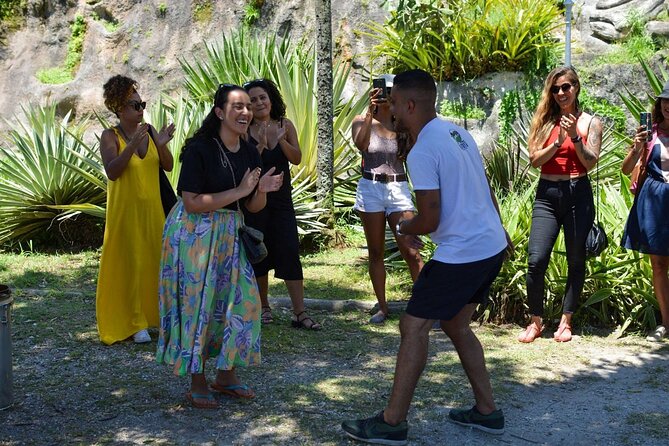
- Decolonial framing from the first stop, not just a standard sightseeing script
- IPN (Pretos Novos) brings archaeological memory into the story, with a ticket included
- MUHCAB in Gamboa adds a museum stop focused on Afro-Brazilian history and culture
- Valongo-area waterfront context with Cais do Valongo and the port district geography
- Pedra do Sal + Largo São Francisco da Prainha connect sacred landmarks to Black presence and zungus
- Small group size (max 20) helps you ask questions and move at a human pace
Rio’s Little Africa is a map you can walk
Rio’s big sights get all the postcards. This experience is different. You follow a route through Centro, Gamboa, and Saúde, where the city’s Afro-Brazilian story isn’t locked behind glass—it’s written into squares, religious landmarks, and the port district’s layout.
The tour lasts about 3 hours 30 minutes and ends at Largo da Prainha, so it’s easy to plug into a half-day plan. And because it’s capped at 20 people, the guide can slow down when a question matters or when the group needs a breather.
What you’re paying for is not just entry tickets. It’s the interpretation: why these sites matter, how they connect, and how to read the city with more than surface-level instincts.
You can also read our reviews of more historical tours in Rio de Janeiro

Starting at Santuário de Santa Rita and Matriz da Paroquia de Santa Rita
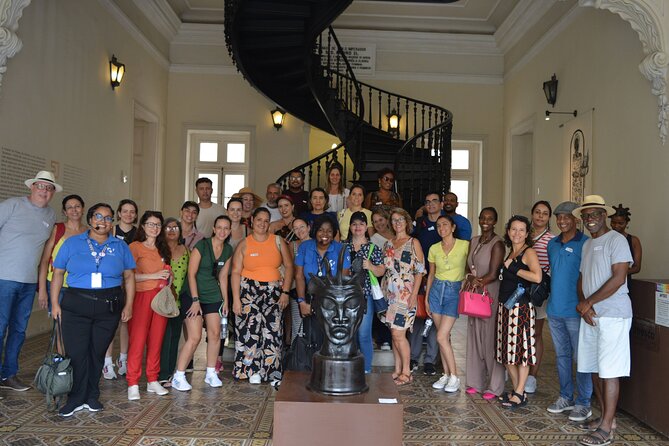
The tour begins at Santuário de Santa Rita in Centro, at Largo de Santa Rita (address listed on the booking). From there, you visit Matriz da Paroquia de Santa Rita through an external look with cultural and heritage-based content.
This first stop is built to set tone. You don’t just learn names and dates. You get a decolonial narrative approach and a sense of how the surrounding cultural story is meant to be understood.
Why this matters for your day: starting with framing helps the later stops land harder. When you reach the port-area sites and the memory-focused institutions, the connection between place and meaning feels intentional, not random.
IPN in Rio: Pretos Novos and the power of research + memory
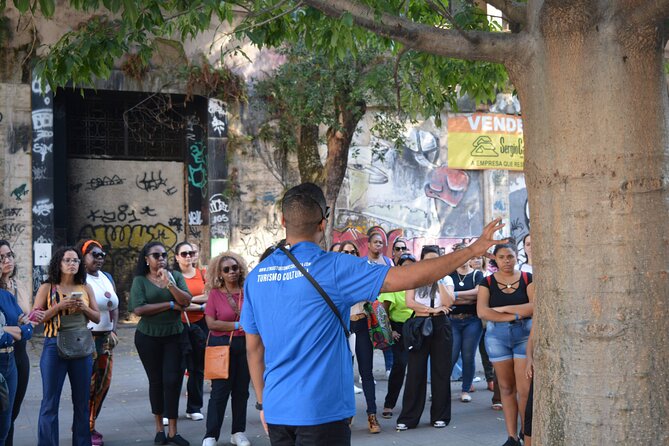
Next you go to Instituto de Pesquisa e Memoria Pretos Novos (IPN). This stop is also external in the sense that you’re moving through the site as part of the route, but it includes a dedicated time window and a ticket—so you can treat it as more than a quick picture moment.
IPN is described as an archaeological memory institution in Rio. That’s an important distinction: you’re not only hearing cultural storytelling. You’re seeing how investigation and preservation shape what gets remembered and how.
In practice, this stop is where the tour starts feeling serious in the best way. It’s the kind of place that changes your pace. You’ll likely find yourself slowing down and reading details longer than you expected, because the subject matter is heavy and the interpretation is direct.
A note that helps you plan: the New Black Institute (ticket included for this tour) is closed on Sundays, and museums close during specific periods (from 16 December to 5 January, and during Carnival season). If your dates land on those windows, you may need to choose a different day.
MUHCAB in Gamboa: Afro-Brazilian culture in museum form
Then you head to MUHCAB (Museu da História e da Cultura Afro-Brasileira) in the Gamboa region. This is a territory museum focused on Afro-Brazilian history and culture, and it comes with time on the clock (about 40 minutes).
I like this museum stop because it prevents your brain from getting stuck in only one type of learning. IPN leans into memory and research. MUHCAB shifts to culture and historical context, which makes the later outdoor sites more understandable.
The drawback here is simple: museum time can feel shorter than you want if you’re the type who reads every panel. If you’re that person, you’ll do best going with a question mindset, like: what theme is the museum emphasizing that the outdoor stops will echo?
Cais do Valongo: the port district you can’t ignore
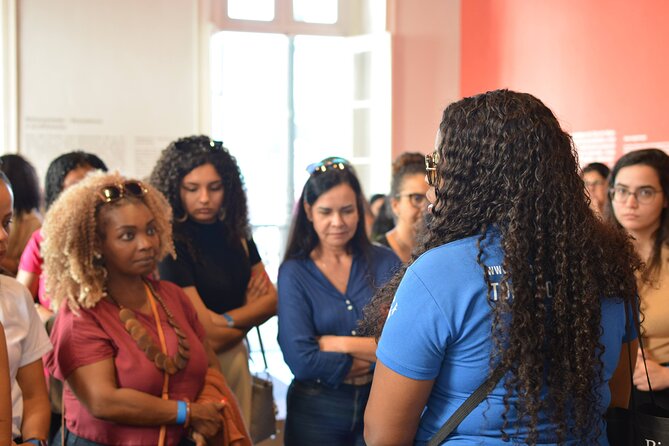
After the museum segment, you reach Cais do Valongo, the Valongo Wharf in Rio’s port district. It’s listed as a former wharf between streets in today’s port area—so even before you interpret the deeper meaning, you can see how geography shapes story.
This stop is about mapping the past onto the present city. You’re not inside a long exhibit here, and that’s intentional. Outdoor port-history sites hit differently because you experience the scale and the street geometry with your own body.
This is also where a good guide really matters. The best versions of this tour (from the kind of experiences people describe with guides like Raphael, Carolina, Rafael, Malu, Emily, Marianne, and Val) focus on clarity and compassion—so the route doesn’t feel academic or cold. Instead, it feels like a guided way to connect.






Pedra do Sal and Largo São Francisco da Prainha: sacred landmarks and living memory
From the waterfront area, you move toward Pedra do Sal in the Saúde neighborhood. It’s listed as a historical and religious landmark near Largo da Prainha, and it’s done as an external visit. That makes it easy to keep momentum—no long detours, just purposeful stops.
Then you finish at Largo São Francisco da Prainha, a square described as a symbolic territory of Little Africa marked by Black presence and the zungus. Today, it’s also considered one of the cooler places by Time Out, which tells you something useful: the area isn’t just a memorial zone. It’s part of Rio’s ongoing social and cultural life.
By the time you reach Largo da Prainha, the tour’s structure starts making emotional sense. You’ve seen institutions that preserve and interpret memory, and now you’re at places where memory and daily life overlap.
If you’re into photos, this is also where you should plan to stop and breathe. Even if you take only a few pictures, give the square a minute. The guide’s interpretation helps you see what you’d otherwise walk past.
The pacing, tram ride, and why afternoon timing affects photos
The route includes a short ride on the VLT public transport, and that ride is included in the final price. For many people, this is a practical win: it keeps the day from turning into a marathon and reduces the stress of navigating between districts.
You’ll also do a fair amount of walking. The tour runs about 3 hours 30 minutes, but that time stretches depending on questions and how long you linger at each site.
One practical tip from what people experience on this route: if you start later in the day, you may hit darker light near the end, which can make pictures less flattering. If photography matters to you, earlier timing is often easier for capturing the square and outdoor landmarks with good visibility.
On the flip side, an afternoon end can feel calmer for your brain. People who want a gentler finish tend to like that the tour ends in a lively public square environment, where you can linger on your own afterward.
Price and value: what $82.53 buys in real terms
At $82.53 per person, this tour is not the cheapest option in Rio—but it’s also not priced like a private driver with no interpretation. You’re paying for a guided route that strings together multiple meaningful sites across neighborhoods, plus included admissions.
From the data you get upfront:
- Tickets include The New Black Institute (at the Pretos Novos stop)
- MUHCAB is free for the tour
- Other listed external stops have free admission
- A short VLT ride is included
- All fees and taxes are included
So where does the money go? Into the guide-led interpretation and the structure that keeps you from bouncing randomly between unrelated stops. A self-guided walk can be interesting, but it’s easy to miss why each place is placed where it is.
This tour is also popular enough that it’s commonly booked in advance (the average booking lead time listed is 24 days). If you want a specific date, don’t wait until the last moment.
Guides matter: what to expect from the human side
A pattern shows up in the way people describe their guides. The best sessions are warm, personable, and strong at explaining what you’re seeing in plain language. Names that come up include Raphael, Rafael, Carolina, Malu, Val, and Marianne.
One especially useful detail for your planning: this experience can be adjusted for pace. People mention that guides handle walking limitations thoughtfully, so you’re not automatically stuck with the same pace as everyone else. That’s a big deal on a route with multiple short segments and outdoor geography.
If you’re the kind of traveler who likes to ask simple questions—why this place, why now, what should I notice—this tour format is built to support it. The small group size helps.
Who should book this tour, and who should consider alternatives
This is a great fit if you:
- want a focused route through Centro, Gamboa, and Saúde that connects to Afro-Brazilian culture
- prefer guided context over chasing facts solo
- like museum stops paired with outdoor landmarks
- care about the way the story is told, including decolonial framing
It may be less ideal if you:
- have limited mobility, since it’s not recommended for disabled people
- dislike walking on uneven streets, even though the day isn’t a full marathon
If you’re visiting Rio and trying to decide between a big-ticket landmark day and something with deeper local meaning, this tour is the choice that helps you see the city from a different angle.
And if you have a family member who needs a slower pace, ask about pacing options when you book. People report that guides can make adjustments to keep the experience meaningful.
Before you go: closures and date realities
Two date issues can change your experience:
- On Sundays, The New Black Institute is closed.
- From 16 December to 5 January, and during Carnival season, all the museums will be closed.
If your trip lands in those windows, you’ll want to double-check your dates before you commit. Your booking confirmation will help, but planning ahead prevents disappointment.
Also remember: the experience requires good weather. Rio can move from sunny to rainy fast, and outdoor walking is part of the design.
Should you book Little Africa: Unveiling Afro Heritage in Rio de Janeiro?
Yes, if you want Rio with meaning. This isn’t just a route of attractive spots. It’s a guided reading of the city through Afro-Brazilian memory, research, and cultural context, with a finish in a public square tied to Little Africa.
Book it if you value:
- small group pacing
- museum time that supports the outdoor stops
- interpretation that is direct and respectful, not watered down
- a structure that makes the neighborhoods feel connected instead of scattered
Skip or compare if you:
- need minimal walking
- are traveling on a Sunday or during the museum-closure periods listed above
- expect a casual, lighthearted sightseeing stroll
If you’re ready to see Rio through a different lens—and you like your tour days guided by context rather than only views—this is an easy yes.