
REVIEW · RIO DE JANEIRO
Learn the History of Rio with an Unforgettable City Center Walking Tour
Book on Viator →Operated by RFWTour · Bookable on Viator
Rio’s history is best read on foot. This Centro walking tour strings together big landmarks into one clear story of how Rio grew, changed, and reinvented itself, from grand opera to old squares. I love that it’s private for your group, so you can ask questions without squeezing around strangers.
I also like the stop-by-stop structure. You hit key places like Cinelândia, Selarón’s tile staircase, and the Lapa aqueduct arches, then finish at Paço Imperial—so you’re not just taking photos, you’re building a mental map of the city. The one drawback to plan for: it moves at a walking-tour pace, so if your group wants extra time at one stop, you’ll need to speak up early.
In This Review
- Key Highlights You’ll Actually Feel On This Walk
- A Centro Walking Tour That Reads Like Rio’s Timeline
- Price and Value for a 3-Hour Private History Walk
- Where You Start, Where You Finish, and How to Plan the Flow
- Stop-by-Stop: What You’ll See and Why Each Place Matters
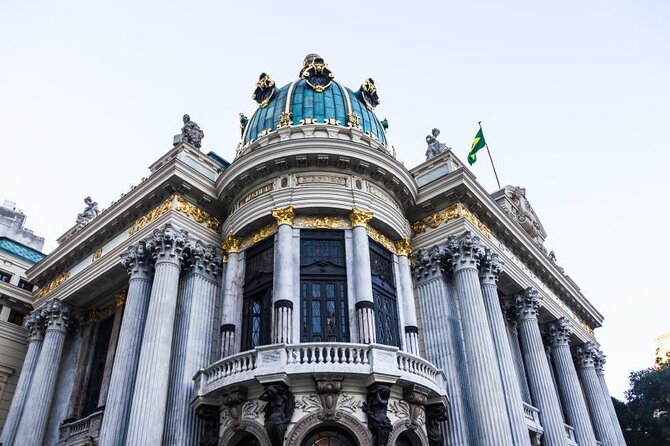
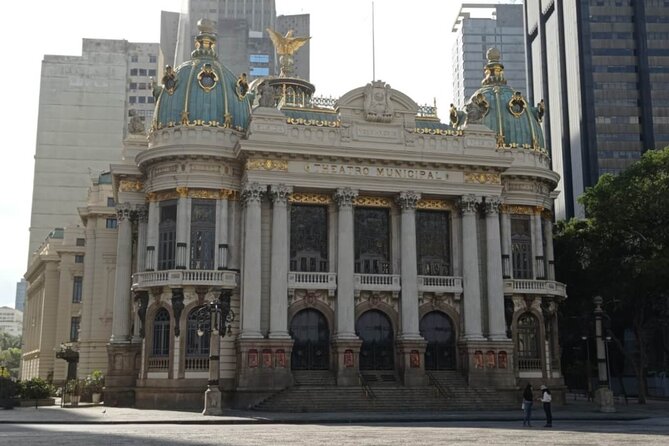
- Stop 1: Theatro Municipal do Rio de Janeiro (Meeting Point)
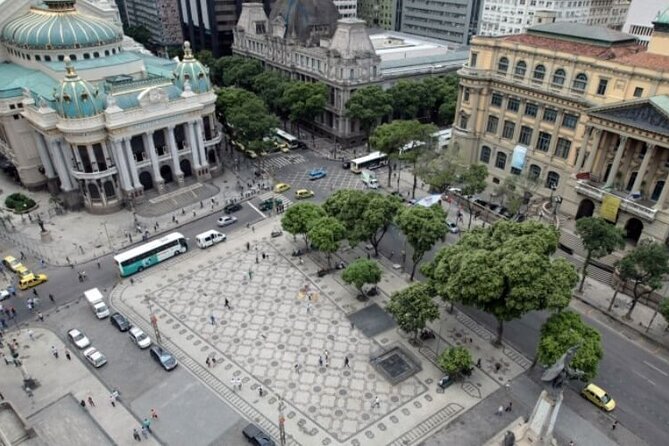
- Stop 2: Cinelândia and Its Historic Square Energy
- Stop 3: Escadaria Selarón, the Tile Staircase That Becomes a Map
- Stop 4: Arcos da Lapa, the Bohemian Arches
- Stop 5: Metropolitan Cathedral of Saint Sebastian and Its Unique Architecture
- Stop 6: Largo da Carioca, One of the Oldest Squares
- Stop 7: Confeitaria Colombo, Traditional Coffee and Bakery Time
- Stop 8: Paço Imperial, Ending at a Major Historic Square
- Why the Private Format Makes This Tour Better Than a Group Shuffle
- Timing, Heat, and Getting the Most From a Midday Walk
- Practical Notes You Should Know Before You Go
- Who This Tour Suits Best (and Who Might Want Something Else)
- Should You Book This Rio Centro History Walking Tour?
- FAQ
- How long is the walking tour?
- Is this a private tour?
- What’s included in the price?
- Are there admission fees at the stops?
- Where does the tour start and end?
- What is the cancellation policy?
Key Highlights You’ll Actually Feel On This Walk
- A timeline through Rio’s landmarks: each stop connects to a chapter of the city’s story
- Private guide, flexible focus: you can shape the walk to your interests instead of following a fixed script
- Iconic Centro stops with free entry listed: highlights like Theatro Municipal and Selarón’s Escadaria
- A finish that keeps things convenient: end at Paço Imperial, with help getting back toward Cinelândia if you want
- Small practical reminders that matter: bring water and plan for real heat
A Centro Walking Tour That Reads Like Rio’s Timeline
Centro can feel like a blur when you’re on your own. Streets look crowded, buildings run into each other, and it’s hard to tell what’s important versus just old. This tour solves that problem by giving you a walking sequence that makes sense.
You’ll start at the Municipal Theater area and move through some of Rio’s most recognizable layers of the past. The best part is the way the landmarks work as clues. The Teatro gives context for Rio’s cultural ambitions. Cinelândia hints at film-era history and civic planning. Lapa and the arches point to engineering and neighborhood identity. And Largo da Carioca and Paço Imperial bring you back to the earliest urban roots.
Think of it as getting your bearings fast—without turning it into a speed-run where you remember nothing.
You can also read our reviews of more walking tours in Rio de Janeiro



Price and Value for a 3-Hour Private History Walk
At $49.05 per person for about 3 hours, this is priced like a serious guided tour, not a casual stroll. What makes it feel fair is that you get a tour guide included, and the route is built around major Centro sights rather than just passing by them.
You should also know the tour lists admission tickets as free at each of the stops. That’s a big value boost, because Rio’s famous sights can add up quickly once you start paying for entrance. Add in that this is a private tour exclusively for your party, and the price feels more like “pay for time with a guide” than “pay for a venue fee.”
One more value point: the itinerary is described as flexible. That matters because history tours often fail when everyone in the group wants different things. If you care more about architecture, you can steer the conversation. If your interests lean social and urban history, you can steer it that way too.
Where You Start, Where You Finish, and How to Plan the Flow
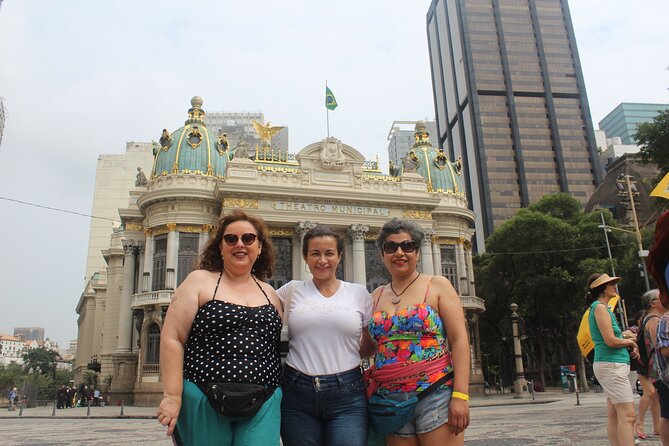
The walk starts at Theatro Municipal do Rio de Janeiro (Praça Floriano, S/N – Centro). The ending point is Paço Imperial (Praça Quinze de Novembro, 48 – Centro).
That end location is useful. Paço Imperial isn’t far from Cinelândia, and the tour notes that your guide can lead you back to Cinelandia Station if you want. If you’re planning a later lunch or you’d rather return to a transit hub, this is the kind of detail that saves time and stress.
Also, the tour includes a practical heads-up: Rio can be really hot, especially in summer. Bring bottled water and wear something you can move in. The walking time is short enough to be manageable, but the sun can still be a lot.
Stop-by-Stop: What You’ll See and Why Each Place Matters
Stop 1: Theatro Municipal do Rio de Janeiro (Meeting Point)
You begin at Praça Floriano by the Municipal Theater—Rio’s opera-house landmark and a natural starting point because it signals prestige. Even before you enter any details, the location alone sets the tone: Rio wasn’t just a working city. It also wanted to look and sound like a world-class capital.
Admission is listed as free for this stop, and the meeting time is tight (about 5 minutes at the theater area). Use that first moment to set expectations with your guide: ask what part of Rio you want to understand most, and you’ll feel the rest of the walk click into place.
You can also read our reviews of more city tours in Rio de Janeiro






Stop 2: Cinelândia and Its Historic Square Energy
Next you head into Cinelândia, described as the square with the first movie theaters in Rio and home to important historical buildings. This is a clever stop because film history and civic architecture often travel together. In places where theaters arrived early, you typically see the city reorganize around culture and crowds.
You’ll have around 15 minutes here. It’s enough time to orient yourself, understand what you’re looking at, and still keep momentum. If you’re the kind of person who likes standing back and reading the street layout, this is a good spot to do it.
Stop 3: Escadaria Selarón, the Tile Staircase That Becomes a Map
Then comes one of the most photogenic stops in Rio: Escadaria Selarón. The description is specific and helpful: it’s a staircase decorated with colored tiles from all over the world, and it’s a must-see.
Expect about 20 minutes at this stop. That’s a good chunk of time because tile art is the kind of thing you can’t understand in two minutes. You’ll notice how the colors pull your eyes upward and how the staircase works like public art—part sculpture, part neighborhood statement.
Practical note: if you’re sensitive to crowds, go at a steady pace. Don’t rush your photos; just manage the stopping points so you don’t bottleneck your group.
Stop 4: Arcos da Lapa, the Bohemian Arches
From there you move to Arcos da Lapa in the bohemian neighborhood of Lapa. The arches are described as a former aqueduct—meaning this wasn’t built for nightlife and Instagram. It was built for infrastructure, and later it became part of the neighborhood’s identity.
This stop is shorter (about 10 minutes), so treat it like a quick architecture moment with a social context. You’re there to understand why those arches matter beyond looks: they show how engineering shaped the city, and how the city later shaped life around them.
Stop 5: Metropolitan Cathedral of Saint Sebastian and Its Unique Architecture
Next up is the Metropolitan Cathedral of Saint Sebastian. The key detail provided is that it’s designed with unique architecture. That’s enough to justify a stop—cathedrals often tell you how a city’s imagination changed over time, and Rio’s center is no different.
You’ll spend about 20 minutes here. That time lets you view it from more than one angle, notice the form, and connect what you’re seeing to why it would stand out in a historical district.
Stop 6: Largo da Carioca, One of the Oldest Squares
Then you reach Largo da Carioca, described as the square with the oldest buildings in the city. This stop shifts the tone. Instead of big spectacle architecture, you get older urban bones—places that make you feel how long Rio has been organized in layers.
You’ll have about 15 minutes. I like stops like this because they slow you down mentally. If you take even a few seconds to look at the surrounding buildings and street edges, you’ll understand why a square like this becomes a default meeting place for generations.
Stop 7: Confeitaria Colombo, Traditional Coffee and Bakery Time
Now for something that makes the tour feel human: Confeitaria Colombo, described as the most traditional coffee shop and bakery in the city. The itinerary gives about 20 minutes here.
This isn’t just a break—it’s a reminder that history isn’t only built into monuments. It’s also built into everyday rituals: where people meet, where they snack, where they linger.
You’re on your own for food and drinks since they’re not included, but the timing is smart. If you want something simple, this is the point in the walk where it makes sense to get it.
Stop 8: Paço Imperial, Ending at a Major Historic Square
Finally, you finish at Paço Imperial, described as one of the most important historic squares in Brazil. Ending here works well because Paço Imperial feels like a “capstone” to a walk through major Centro markers.
You’ll spend about 15 minutes at the Paço Imperial stop. The tour ends there, in the Praça Quinze de Novembro area, which is also where your guide can help if you’d rather return toward Cinelandia Station.
Why the Private Format Makes This Tour Better Than a Group Shuffle
This is a private tour exclusively for your party. That changes how the guide can work. Instead of repeating the same story in the same way while people drift off, your guide can respond to your questions and pace.
The itinerary is also described as flexible, meaning you’re not locked into a one-size-fits-all lecture. If your group cares more about architecture, ask for more time at the theater or the cathedral. If you’re more interested in urban change and public spaces, spend more of the walk at Largo da Carioca and Paço Imperial.
In prior feedback, guides like Rafael and Danielle were praised for being friendly and very informative. Even if you don’t get those exact names on your day, the value you’re buying is the same: clear explanations, a calm pace for questions, and a guide who can keep the story connected stop to stop.
Timing, Heat, and Getting the Most From a Midday Walk
The tour is listed as about 3 hours. The stop times add up to roughly two hours of on-site viewing, so the rest is walking and brief orientation. That’s why pacing matters. If it’s hot, you’ll want to keep moving, but you also want enough time to stop without rushing every photo.
The additional info lists opening hours for the period 08/01/2025 – 07/31/2026: Monday–Saturday 9:30 AM to 2:00 PM. So you’ll likely want to schedule your day around that window. If you go later in the day on your own, you might find Centro feels different—hotter, louder, and harder to absorb.
And yes, show up ready for weather. Bringing bottled water is not optional advice. Rio heat can drain your energy fast, and history tours are best enjoyed when your brain is still awake.
Practical Notes You Should Know Before You Go
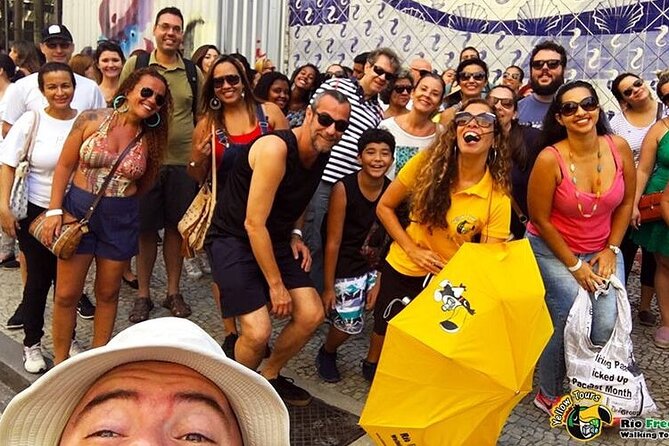
A few details here can prevent headaches:
- Transportation isn’t included. Plan your own route to the meeting point.
- Food and drinks aren’t included. Confeitaria Colombo is on the route, but you’ll handle your own order.
- Admission tickets are listed as free for each stop. You still want to follow any site rules while you’re there.
- Service animals are allowed.
- Your tour is described as near public transportation, and there’s an option to be guided back toward Cinelandia Station if you want.
- As per city law, showing a COVID-19 vaccination document is mandatory to visit the tourist attractions in the city. Bring the document you need.
Who This Tour Suits Best (and Who Might Want Something Else)
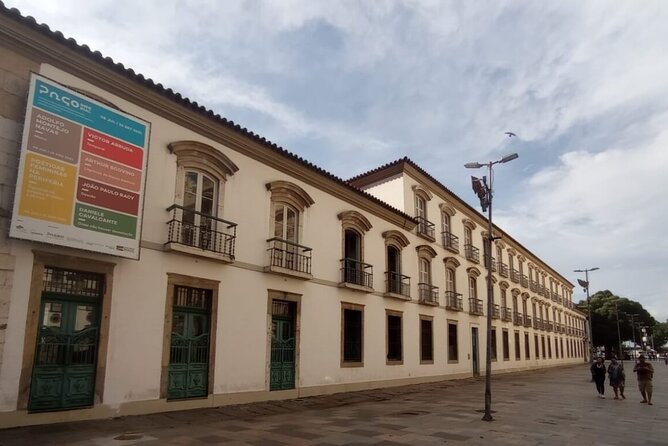
This walk is ideal if you want a structured way to understand Rio’s center. It’s especially good for:
- First-timers in Rio who feel lost in Centro
- People who like architecture, public squares, and cultural landmarks
- Groups that can benefit from a private pace and more Q&A time
It might be less ideal if your group wants long, slow museum-style stays at every location. The stops are timed, and the tour is designed to cover several major sights in a short window. If you know you’re the type who needs 45 minutes at one building to feel satisfied, you can still book—but you should communicate that right at the start.
Should You Book This Rio Centro History Walking Tour?
If you want an efficient, guided way to understand Rio’s identity, I think it’s a strong pick. You get a private experience, clear stop sequencing, and free-entry stops that help the price feel reasonable for what you’re getting. The ending at Paço Imperial is a smart finish, and the option to head back toward Cinelândia is a nice safety net.
Book it if your goal is to learn the city while you walk. Skip it if you want an unstructured afternoon where you can park yourself for a long time at one sight. For most people, though, this is one of the simplest ways to turn Centro from a list of landmarks into a story you actually understand.
FAQ
How long is the walking tour?
It’s approximately 3 hours.
Is this a private tour?
Yes. It’s private and only your group participates.
What’s included in the price?
The tour guide is included.
Are there admission fees at the stops?
The tour lists admission tickets as free at each stop.
Where does the tour start and end?
It starts at Theatro Municipal (Praça Floriano, S/N – Centro) and ends at Paço Imperial (Praça Quinze de Novembro, 48 – Centro). Your guide can also lead you back toward Cinelândia if you wish.
What is the cancellation policy?
You can cancel for a full refund if you cancel at least 24 hours in advance. If you cancel less than 24 hours before the start time, you won’t receive a refund.