REVIEW · RIO DE JANEIRO
Tijuca Forest´s hike: caves, waterfalls and great views
Book on GetYourGuide →Operated by Trilhas e Cachoeiras · Bookable on GetYourGuide
A rainforest walk above Rio feels unreal. I love the 35-meter Cascatinha Taunay waterfall and the careful small-group pacing that keeps the hike fun instead of frantic. The one real catch is that the route is long and uneven, so you’ll want solid shoes and a decent fitness base.
This is a guided run through Tijuca Forest National Park, the world’s largest urban forest, with stops for ruins, caves, lakes, and hidden falls. In groups led by Lucas (often with Mirna), the experience tends to feel thoughtful and tailored, with frequent check-ins so you don’t fall behind.
In This Review
- Key highlights
- Entering Tijuca Forest: from Alto da Boa Vista to your first jungle trail
- Cascatinha Taunay: the 35-meter waterfall that sets the tone
- The hike setup: easy trails with a long, irregular route
- Caves and Cachoeira das Almas: the part that feels like another world
- Ruins, lakes, and the historical circuit you can actually enjoy
- Waterfall time, snacks, and the real reason to bring your towel
- Wildlife moments: monkeys, plants, and the value of a slower pace
- Price and value: why $40 can make sense for this kind of day
- Who this tour fits best (and who should skip)
- Final thoughts: should you book the Tijuca caves and waterfall hike?
- FAQ
- How long is the Tijuca Forest hike?
- What’s included in the price?
- What languages are offered?
- Where do we meet?
- Can I swim at the waterfalls?
- Is this tour suitable for children or wheelchair users?
Key highlights
- Cascatinha Taunay waterfall: a 35-meter natural shower and a true highlight near the start
- Caves circuit: you’ll visit safe caves as part of a guided loop
- Highest waterfall in the city: the tour spotlights why this one matters in Rio
- Waterfall breaks: time to relax, snack, and swim where the water is clean
- Small group limit (8 people): more personal attention on a long, varied trail
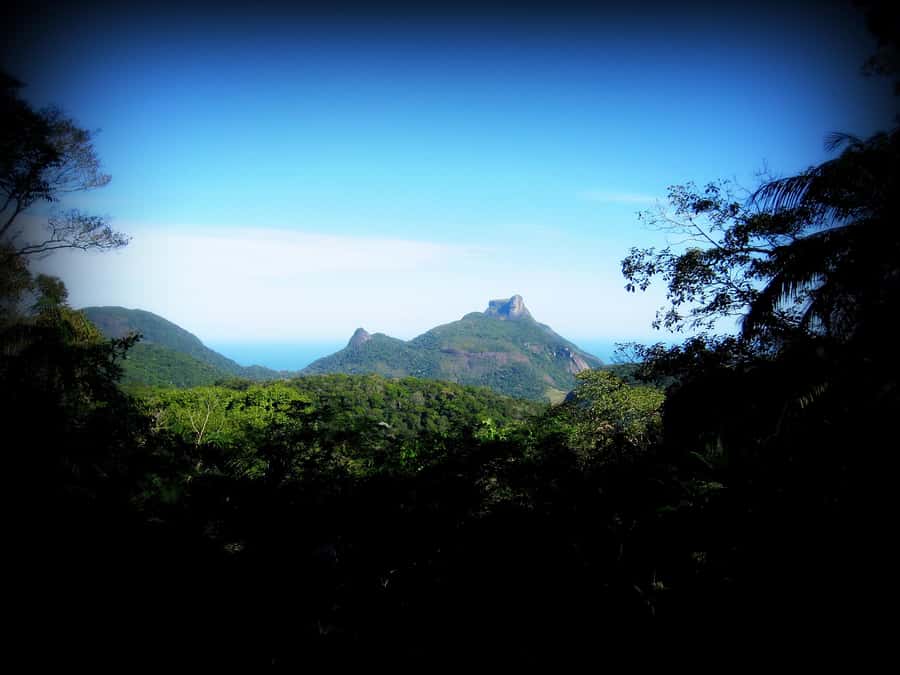
- Big rainforest views near the trails: you’ll catch open sightlines above the city
Entering Tijuca Forest: from Alto da Boa Vista to your first jungle trail
Your tour begins at Praça Afonso Viseu, in Alto da Boa Vista, at the entrance area for the Tijuca Forest. The meeting tip is simple: look for the entrance of Tijuca’s Forest on the opposite side of the restaurant in the middle of the plaza. That matters, because the area is busy and you don’t want to waste the first ten minutes playing “where are you.”
From the start, the vibe is very different from Rio’s streets. You’re trading traffic noise for wet leaf sounds and the kind of shade that makes you slow down without trying. The guide leads the way through the park with a focus on what’s around you, not just how fast you can walk.
This is also one of those tours where you start getting value immediately. You don’t spend an hour winding through empty paths first. You begin with a waterfall encounter, which is a great signal that you picked the right kind of hike: active, scenic, and built around a few big moments rather than nonstop walking.
You can also read our reviews of more hiking tours in Rio De Janeiro



Cascatinha Taunay: the 35-meter waterfall that sets the tone
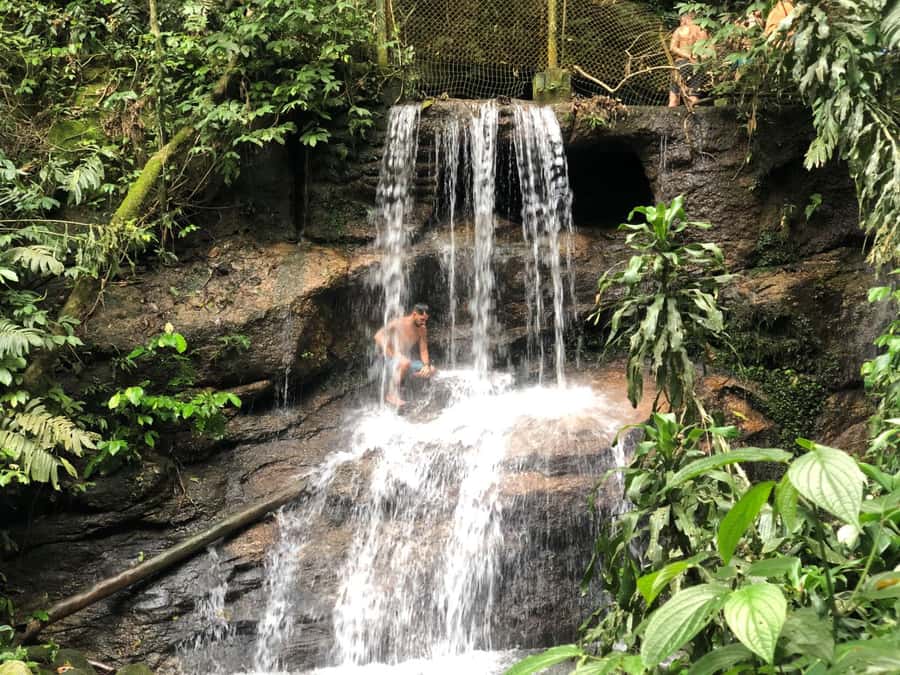
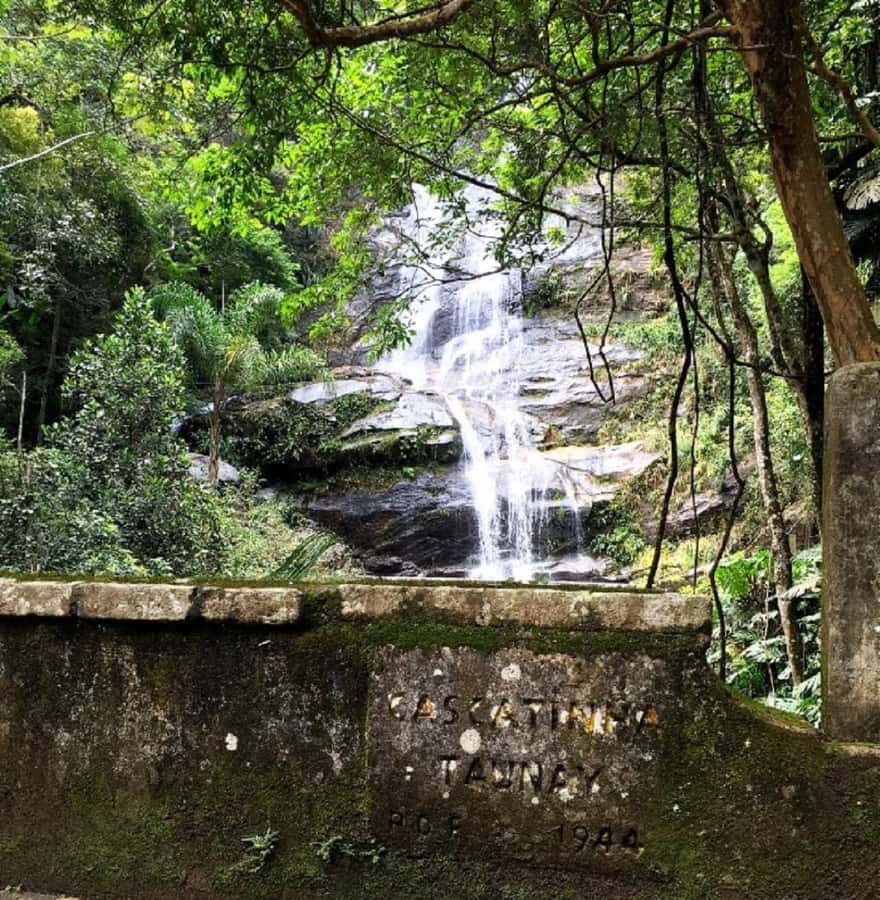
Right away you’ll hit Cascatinha Taunay, a 35-meter waterfall. It’s described as the most famous waterfall in the forest, and you’ll feel why early. The trail drops you into a different microclimate: mist in the air, cool air on your skin, and the feeling that the rainforest is doing the heavy lifting for atmosphere.
This is the moment that helps most people understand the whole park. Tijuca isn’t just “green.” It’s a working watershed with streams and falls fed by the forest. Seeing a major drop so early also makes the rest of the hike more satisfying, because your brain starts mapping what you’ll likely find later: water, rock formations, and spots where the trail opens up.
One practical note: even if you’re not planning a swim yet, bring yourself as if you might get wet. The tour includes stops where bathing is possible at waterfalls, and your first waterfall often primes you for that. A towel and breathable clothes make the day a lot less annoying when your hiking clothes suddenly become damp hiking clothes.
The hike setup: easy trails with a long, irregular route
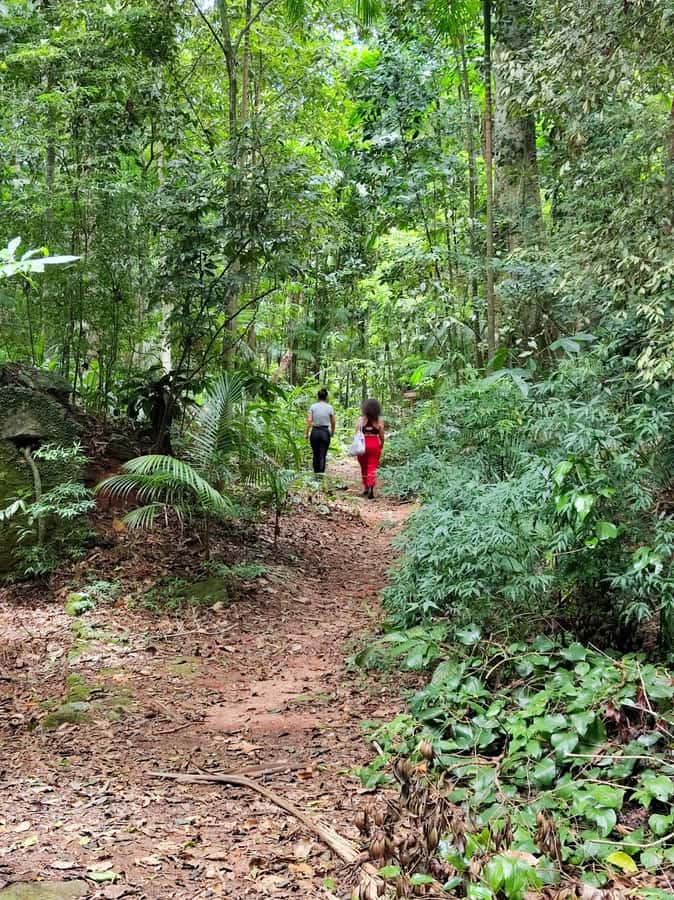
The tour says the trails are easy, and that’s mostly true. You’re not looking at technical climbing or scrambling over boulders. But “easy” doesn’t mean “short” or “smooth.” This route is long, with varied terrain—stones, roots, trunks, and the real chance of wet or slippery soil.
So what does that mean for you? Think in terms of effort, not difficulty. You’ll be walking uphill on rainforest paths that don’t behave like city sidewalks. If you’ve ever taken a trail after a rain and felt your footing go from fine to slightly dramatic, you’ll understand the point.
You’ll also want a plan for pacing. A common theme in guide feedback is that groups are hiked at the pace of the hikers—regular rest checks, encouragement, and real attention to whether you need water. That’s especially helpful because the day includes multiple stops for viewpoints and waterfall time, not just a straight line trek.
If you get easily winded, you’ll still likely manage. Just don’t treat the hike like a quick stroll. Comfortable shoes are non-negotiable, and bringing water is smart even though it isn’t included.
Caves and Cachoeira das Almas: the part that feels like another world
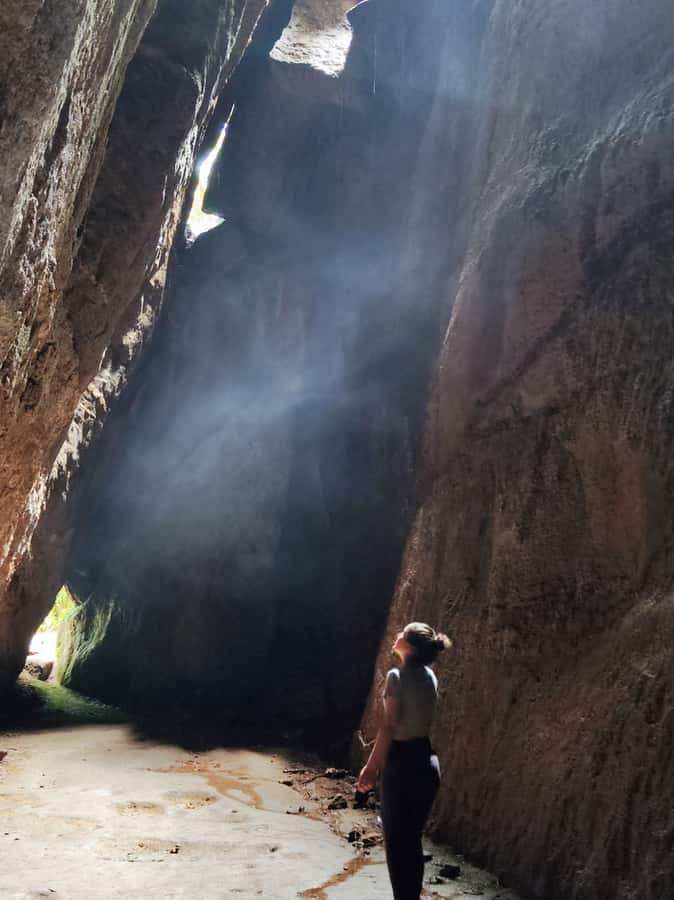
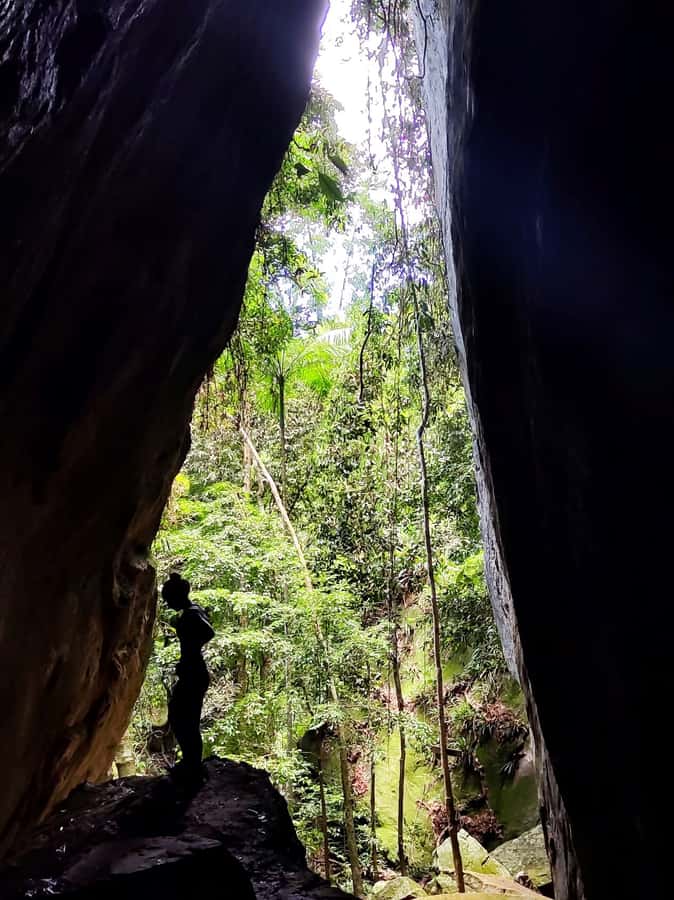
One of the most interesting aspects of this hike is the circuit of the caves. The tour explicitly notes that the caves visited are safe and pose no danger to participants, which is reassuring. You won’t be wearing explorer gear or doing anything sketchy. It’s more about experiencing the park’s hidden structure—rock, shaded interiors, and the way water and geology shaped what you see above ground.
You’ll also visit Cachoeira das Almas—named as part of the route. Even if the name sounds poetic, the practical takeaway is that this stop adds variety. After waterfall moments and rainforest walking, you get a change of pace and scenery. That breaks up the day in a good way, and it helps keep long hiking loops from feeling repetitive.
This is also where a good guide matters. Caves can be confusing without context. A guide helps you connect what you’re looking at—how the park is laid out, where water flows, and why certain rock formations feel significant. The result is that the caves don’t become a checkbox. They become a piece of the bigger Tijuca story.
If you’re someone who loves unusual features—waterfall behind the trees, rock formations, and places that feel tucked away—this part is a big reason the tour gets strong ratings.
Ruins, lakes, and the historical circuit you can actually enjoy
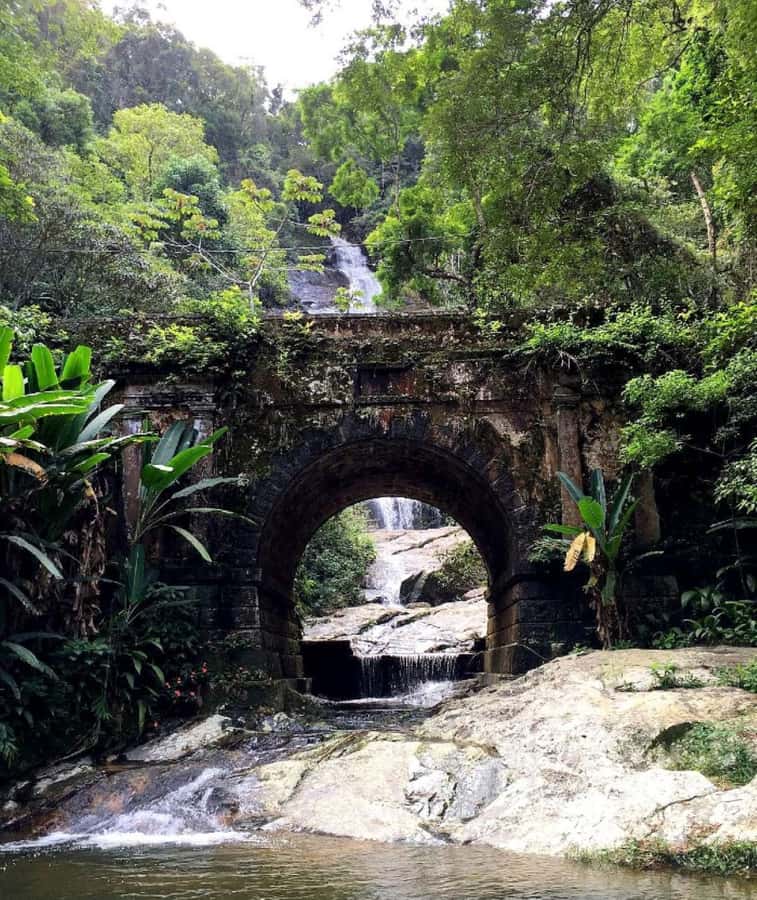
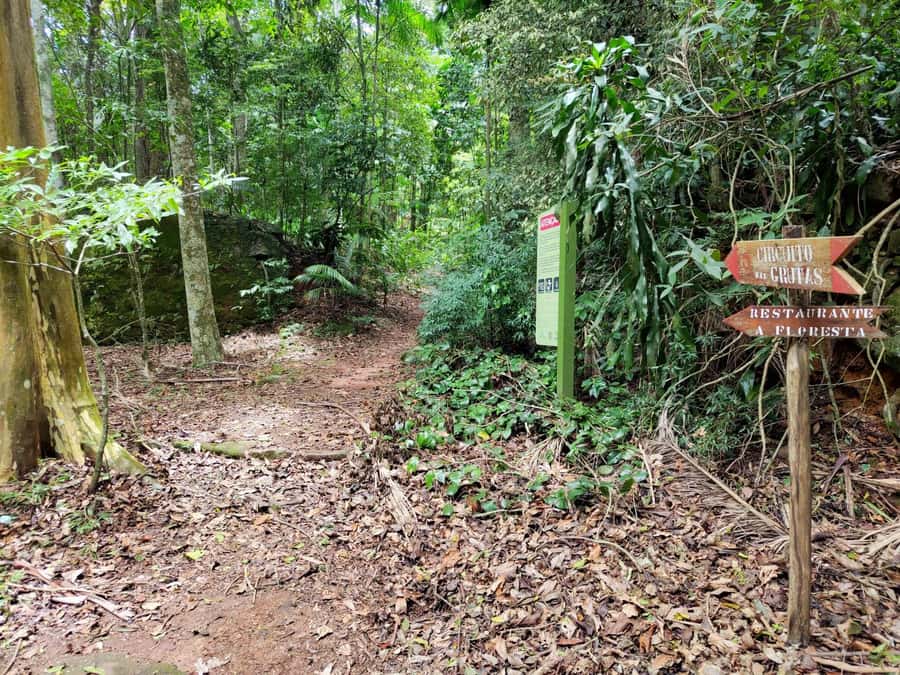
The hike isn’t only about scenery. You’ll spend time on both a historical circuit and the cave circuit. That pairing is smart. History in a forest could easily turn into a lecture. Here it tends to feel more like interpretation while you move—stopping at points of interest, then getting back on the trail.
You’ll also see different natural elements like streams with crystalline waters and a wide range of flora and fauna. The guide frames what you’re seeing so you understand why the park looks the way it does: the vegetation isn’t random, and the water system isn’t just pretty.
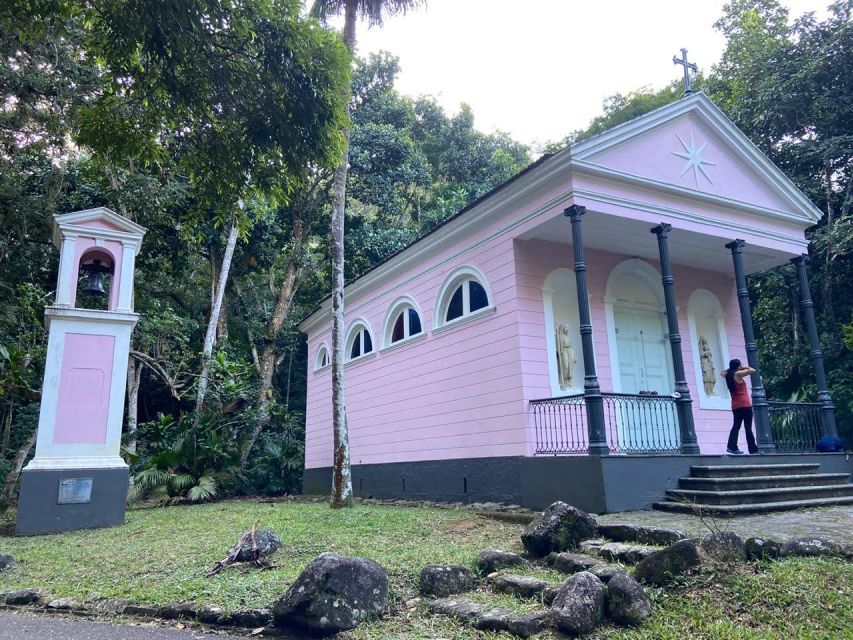
There’s also a stop at A Floresta Restaurant during the route. This matters because it gives you a real chance to reset during a day that’s otherwise full of movement and changes in terrain. Even if you don’t buy much, having a mental “landing zone” helps.
If you’re traveling with people who get bored on long hikes unless they have a story, this historical angle gives the day balance. It’s not just walking to reach a view. You’re learning what the park has been to humans over time, while still experiencing it as rainforest first.






Waterfall time, snacks, and the real reason to bring your towel
Some tours talk about waterfalls and then skip the best part. This one builds in waterfall breaks where you can relax and bath. The key is the water is described as clean, and you’re stopping at places where you can actually enjoy time in the water rather than just taking a few photos and rushing away.
When you get to these stops, you’ll usually have a rhythm: walk, arrive, cool off, then resume. Those breaks are useful even if you don’t swim. Stopping makes the long loop feel manageable. It also lets you enjoy the quiet moments that happen when the water noise takes over from the city sounds.
Snacks aren’t included, so this is where you’ll want to be prepared. If you like having something on hand, pack lightweight snacks that you can eat without fuss. The tour mentions snack time during the waterfall stops, but the planning point is on you.
And please bring a towel and swimwear if you want the full experience. It’s the difference between feeling refreshed and feeling like a damp backpack for the last stretch.
Wildlife moments: monkeys, plants, and the value of a slower pace
One of the best perks of hiking in Tijuca is that the forest has its own schedule. You can’t control whether you see wildlife, but you can increase your chances by staying calm and moving steadily—exactly what a guided, paced hike encourages.
In at least some groups, hikers have had luck seeing animals, including monkeys. That doesn’t mean you’re guaranteed wildlife on your day, but it does mean the park’s ecosystem is active enough that sightings are plausible.
Plants also reward your attention. Even when you’re not stopping constantly, the guide points out what you’re walking through, so you notice differences in vegetation and how water shapes the forest. That’s part of why this tour can feel satisfying even if you’re not a hardcore birdwatcher.
The best advice here is simple: don’t sprint between stops. Let the guide’s pauses do some of the work. When you slow down, you’ll hear more, spot more, and feel less rushed when the terrain turns irregular.
Price and value: why $40 can make sense for this kind of day
At $40 per person for a 4-hour guided hike, the value is in what you get rather than the headline number. You’re paying for a bilingual guide, small-group attention (up to 8 participants), and a route built around multiple highlights: Cascatinha Taunay, cave circuit, and waterfall swim time, plus viewpoint moments.
What’s not included is also important:
- Transportation isn’t included, so you’ll need to handle your way to the meeting spot.
- Water isn’t included, so bring your own.
- Snacks aren’t included, even though there are snack times at stops.
- Sunscreen and repellent aren’t included, but the rainforest setting makes them smart.
So how do you make the $40 feel like a bargain instead of an annoyance? Pack like you’re hiking and possibly swimming:
- Comfortable shoes for wet, rooty terrain
- Insect repellent and sunscreen
- Water and a few snacks
- Towel and swimwear if you want to go into the falls
- Cash for anything you might want at stops
If you’ve got limited time in Rio, this tour also has a “hit multiple highlights” structure. You’re not spending the day searching for the good parts of the park. The guide brings you to them in a logical flow.
Who this tour fits best (and who should skip)
This hike is a good match if you want an active rainforest experience with big moments and a guide who keeps the group moving at a human pace. It also fits couples, small groups, and visitors who want both nature and some history without turning it into a lecture.
You should think twice if:
- You have heart problems (not suitable)
- You use a wheelchair or have mobility impairments (not suitable)
- You’re traveling with children under 12 (not suitable)
If you have a basic fitness level and you can handle walking uphill on uneven paths, you’re likely fine. Remember: the tour is called easy, but it’s still an all-weather rainforest hike. Wet ground is possible. Stones and roots are part of the trail. You’re going to move.
Also, the tour doesn’t allow pets, weapons, or sharp objects. It’s a standard safety rule set for an outdoor adventure.
Final thoughts: should you book the Tijuca caves and waterfall hike?
I’d book this tour if you want the Tijuca Forest experience to be guided, efficient, and worth your time. The combination of Cascatinha Taunay, cave stops in a safe circuit, and waterfall breaks where you can actually cool off makes it feel like more than a standard walk. The small-group size (8 people) and guides like Lucas, praised for attentive pacing, are a big part of why it works.
Skip it if you’re looking for a super gentle, short stroll, or if your mobility needs are beyond what uneven rainforest terrain allows. And don’t underestimate prep: bring shoes, water, and your insect and sun protection.
If your goal is to see real rainforest variety close to Rio, get some views, and spend a few hours outside instead of in traffic, this one is a strong choice.
FAQ
How long is the Tijuca Forest hike?
The guided portion is about 4 hours, and the schedule includes an additional 30 minutes of free time.
What’s included in the price?
You get a bilingual live tour guide. Transportation, water, sunscreen and repellent, and snacks are not included.
What languages are offered?
The live tour guide is available in English and Portuguese.
Where do we meet?
Meet at Praça Afonso Viseu. Look for the entrance of Tijuca’s Forest on the opposite side of the restaurant in the center of the plaza.
Can I swim at the waterfalls?
The tour includes stops at waterfalls where you can bath and relax, and it states the waterfalls have clean water. Bring a towel and swimwear if you want to take advantage.
Is this tour suitable for children or wheelchair users?
It is not suitable for children under 12. It is also not suitable for wheelchair users or people with mobility impairments.