REVIEW · RIO DE JANEIRO
Pedra do Sal: Live Samba Night with Local Guide & Drink
Book on GetYourGuide →Operated by RIO AS A LOCAL TURISMO LTDA · Bookable on GetYourGuide
Samba starts on a carved staircase. Pedra do Sal is the place many Cariocas point to when you ask where Rio’s samba energy got its legs, and the experience mixes live music, local stories, and a social night out without you guessing what to do next. I like that the guides set a community tone right at the start, then steer you into the center of the music with practical help along the way.
I also love the way live samba here feels like everyday culture, not a performance staged for tourists. Guides such as Helena or Gustavo meet you at the yellow booth, and the night comes with English explanations, safety-conscious group pacing, and the kind of local context that makes you hear the rhythms differently.
One thing to consider: this can get very crowded, and it is not a sit-down samba show. If you hate tight spaces or you’re expecting a show with a clear stage and fixed seating, you may not enjoy the experience as much.
In This Review
- Key Things You’ll Notice at Pedra do Sal
- Pedra do Sal in Rio: Why This Night Feels Different
- Getting There and Meeting Your Guide: The Yellow Booth Plan
- Stop 1: Community Start at Pedra do Sal’s Rock and Staircase
- Stop 2: The History That Changes How You Hear Samba
- Stop 3: Live Samba Night Where People Actually Gather
- Drinks and Pace: What You Get for the $41 Price
- Safety, Comfort, and Group Handling (What to Expect)
- The Real-Life Crowd Factor
- Who This Tour Suits Best
- Practical Tips So You Enjoy Every Minute
- Guide Names You Might Meet
- Should You Book Pedra do Sal Samba Night?
Key Things You’ll Notice at Pedra do Sal
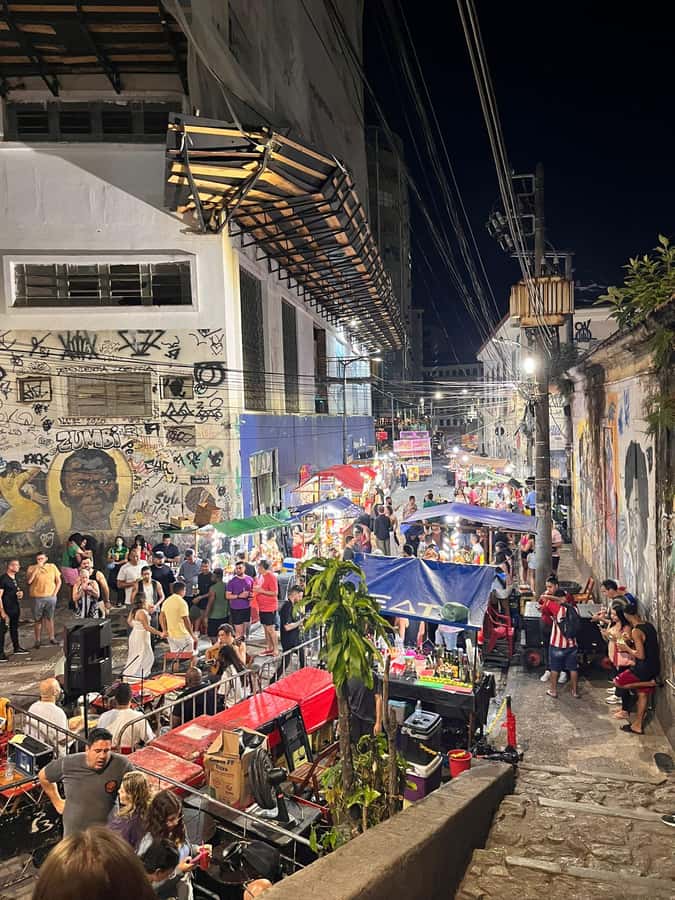
- A heritage-listed rock setting: Pedra do Sal is a landmark tied to the area’s samba origins.
- Little Africa context matters: you’ll connect samba to Porto Maravilha’s history, including quilombos and the port’s salt trade.
- Live street music, not a theater format: you’re joining the real scene where people gather and dance.
- Local guide handling logistics: guides keep the group together and help you navigate the area at night.
- One welcome drink included: you get an easy start without worrying about your first order.
Pedra do Sal in Rio: Why This Night Feels Different
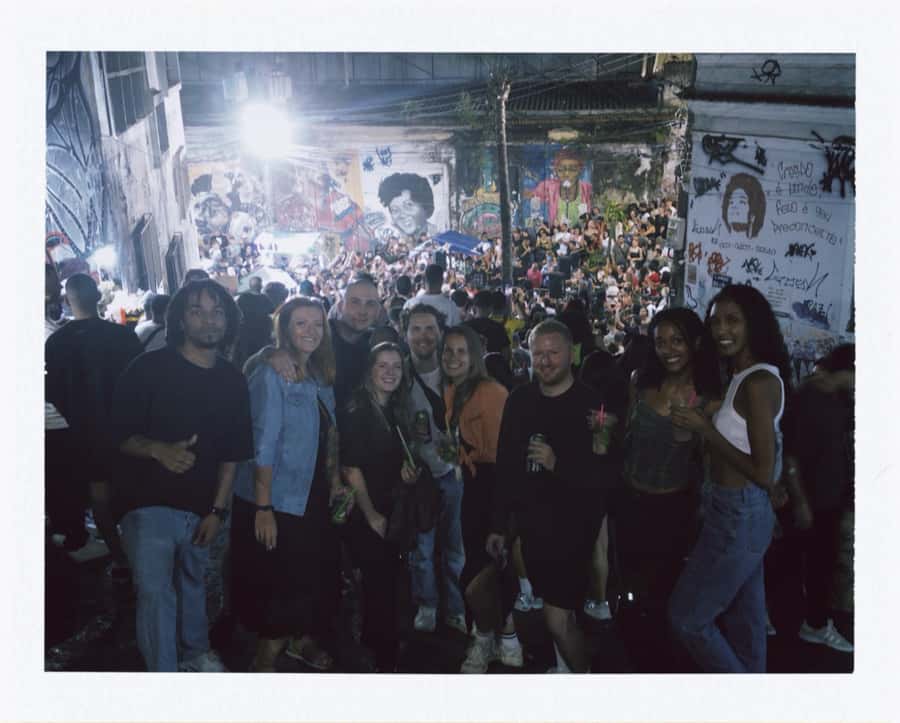
If you’ve ever watched samba from afar and thought, I get the idea, but I’m missing what it means, Pedra do Sal can close that gap fast. This is Rio’s Little Africa area, tied to the port world and the communities shaped by slavery and quilombos. The rock and staircase setup is more than scenery. It’s a physical reminder of how people moved through the city, met each other, and made music in public spaces.
You’re also not just standing around listening. You’re there for a shared night: history first, then the live music energy. That mix is the whole point. It turns a nightlife outing into something you can explain later, because you know what you’re looking at and why locals treat it like a social meeting place.
You can also read our reviews of more guided tours in Rio De Janeiro



Getting There and Meeting Your Guide: The Yellow Booth Plan
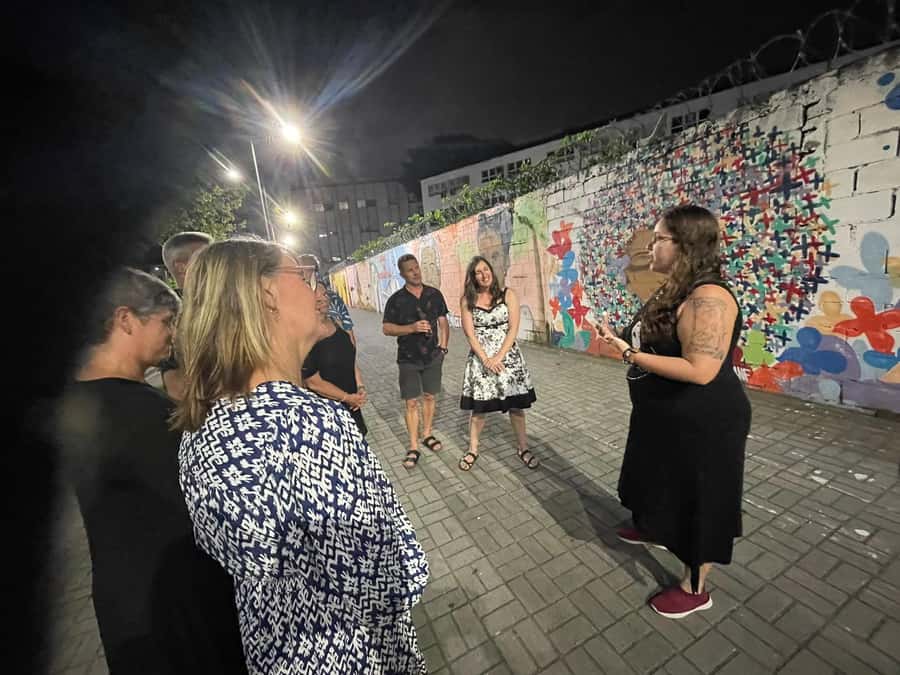
Your meeting point is simple and specific. You meet at the yellow booth in front of Angu do Gomes restaurant, and you should look for Helena or Gustavo. The start address is also listed as R. Sacadura Cabral, 75.
This matters because the area is lively and busy on samba nights. Having a clearly marked meeting spot reduces the usual stress of finding a group in the dark. It also helps if you’re going on your own. Multiple experiences with this tour highlight that being guided through the neighborhood feels calmer than trying to figure it out solo.
Bring a charged smartphone and wear closed-toe shoes. You’ll want your phone ready for quick check-ins and for navigating the area with your group. Closed-toe shoes are also practical because the night scene can mean uneven pavement and lots of movement.
Stop 1: Community Start at Pedra do Sal’s Rock and Staircase
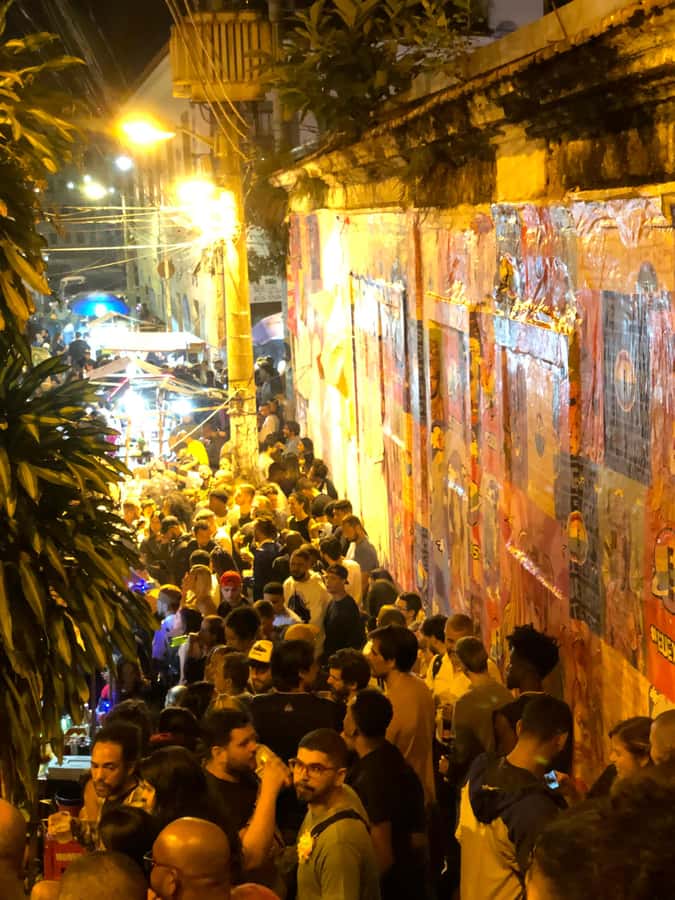
The tour begins with a moment of community before you move into the heart of the samba area. That sounds soft, but it’s actually useful. In practice, it helps you get grounded before the noise and crowd energy ramp up.
Then you head to Pedra do Sal itself, in front of the rock with the carved staircase. This is a heritage-listed site (heritage listed in 1984), and the staircase gives access to Morro da Conceição. Even if you’re not a history buff, you’ll feel the symbolism: this isn’t a random nightlife corner, it’s a specific gathering place tied to samba’s development in Rio.
What you’ll learn here is the connection between the port world and music. The area became known as Little Africa partly because it functioned as a point of sale and exchange for enslaved people, and as shelter for quilombos. From there, salt unloaded from ships docked in the port became part of the origin story of dockers and sambistas meeting here. You may not remember every detail, but you’ll likely remember the cause-and-effect: work, community, and rhythm feeding each other.
Stop 2: The History That Changes How You Hear Samba
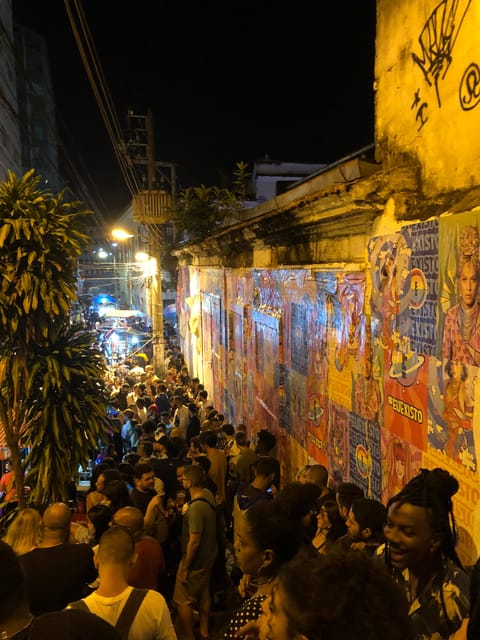
The best part of a guided samba night is when the guide helps you make sense of what you’re seeing. Here, the history isn’t thrown at you like a lecture. It’s tied directly to the setting: Pedra do Sal, the staircase, and the surrounding neighborhood’s identity.
You’re learning why this culture is important for Cariocas. Guides also give context around what Little Africa means in real life, not just as a label. That includes the port activity, the quilombo connection, and how those social networks fed samba culture. The result is that the music stops being just sound and becomes a story with a location.
In the English-language guidance, you’ll also get practical tips about street food and drinks. That’s worth paying attention to. A lot of visitors underestimate how much street food and drink are part of Rio’s night rhythm. If you know what to look for and when to pause for a bite, you’ll have a smoother evening.
Stop 3: Live Samba Night Where People Actually Gather
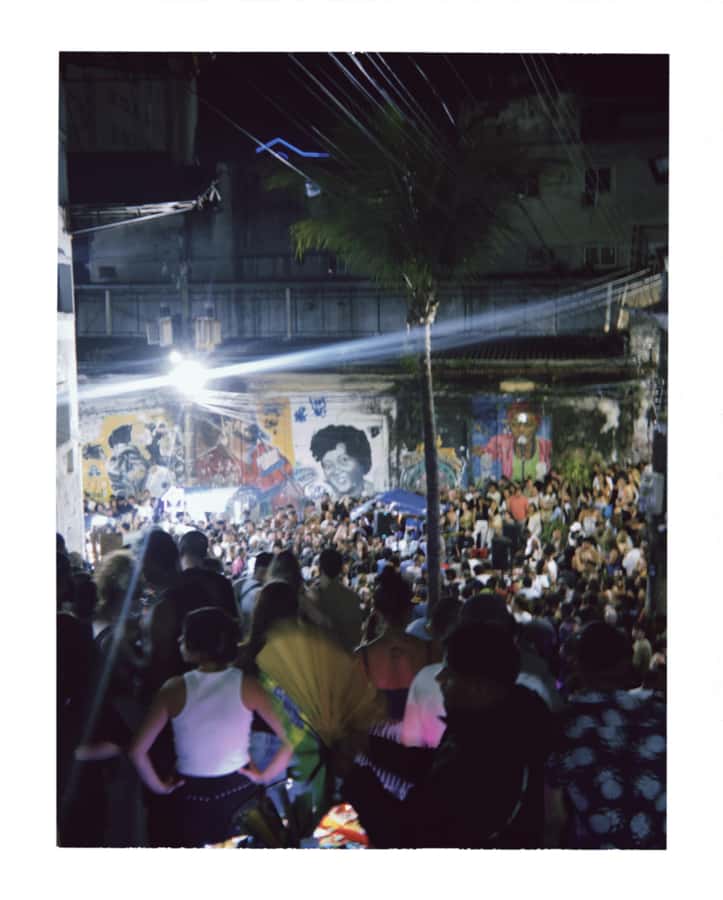
This is the heart of the experience: live samba in the area where locals go. And it’s important to understand the format up front. This is not a samba show in the traditional sense. You’re not buying a ticket to watch performers on command. You’re joining a social scene where music, dancing, and crowd energy belong to the people in the space.
That distinction shows up clearly in the best moments of the night. You’ll be around the kind of energy that makes you want to move, clap, sing along, or just stay close enough to feel the beat. Several guides have led groups here, and you’ll hear them translate the meaning of what’s happening while you watch people connect through rhythm.
If you get the vibe early, you’ll enjoy the whole evening more. Don’t wait for a moment that feels like a concert intro. The music can feel like it’s already happening, and your job is to become part of it.
You can also read our reviews of more evening experiences in Rio De Janeiro





Drinks and Pace: What You Get for the $41 Price
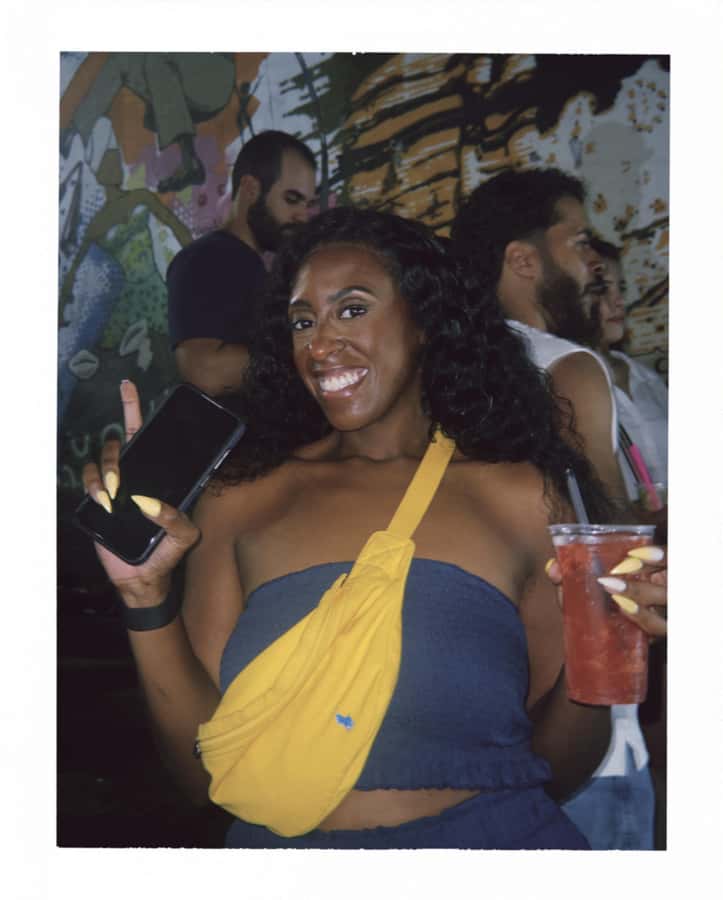
The price is $41 per person for 150 minutes. You also get one welcome drink included. Food is not included, and transportation is not included.
Here’s how I’d frame the value: you’re paying for a guided route into a specific night scene plus English commentary plus a safety-conscious group experience. Since this is not a fixed-seat show, you also can’t “set it and forget it” like some ticketed events. The guide helps you stay with the group and gives you confidence in where you should be at each moment.
Do keep expectations realistic on what’s included. You’ll need to plan on your own for extra drinks and any food you want. Still, that welcome drink helps you start the night without friction.
Safety, Comfort, and Group Handling (What to Expect)
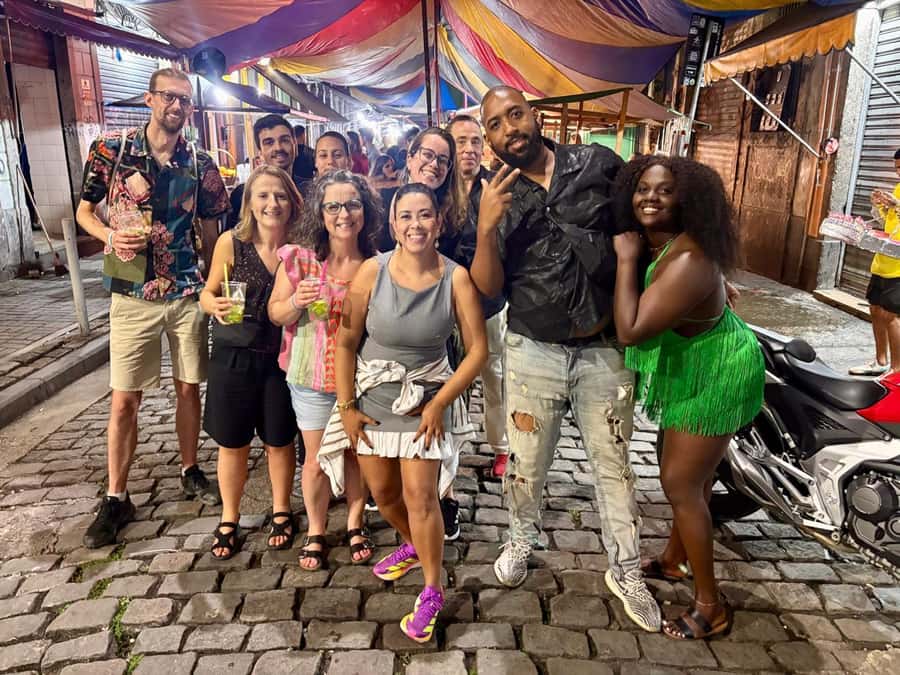
A recurring theme in the experience feedback is that guides look out for the group. People note feeling safe and cared for, especially when navigating the area at night and when crowd density rises. Some guides even help with practical wrap-up moments like getting everyone settled back into transport.
That’s the kind of value that matters in real life. In a busy street environment, the difference between a smooth night and a stressful night often comes down to whether someone keeps the group together and tells you what to do next.
You should still use your own judgment. If you’re uneasy in crowds, this might not be the best fit. And if you’re prone to claustrophobia, the tour is marked as not suitable. Closed-toe shoes help, but they do not change crowd volume.
The Real-Life Crowd Factor
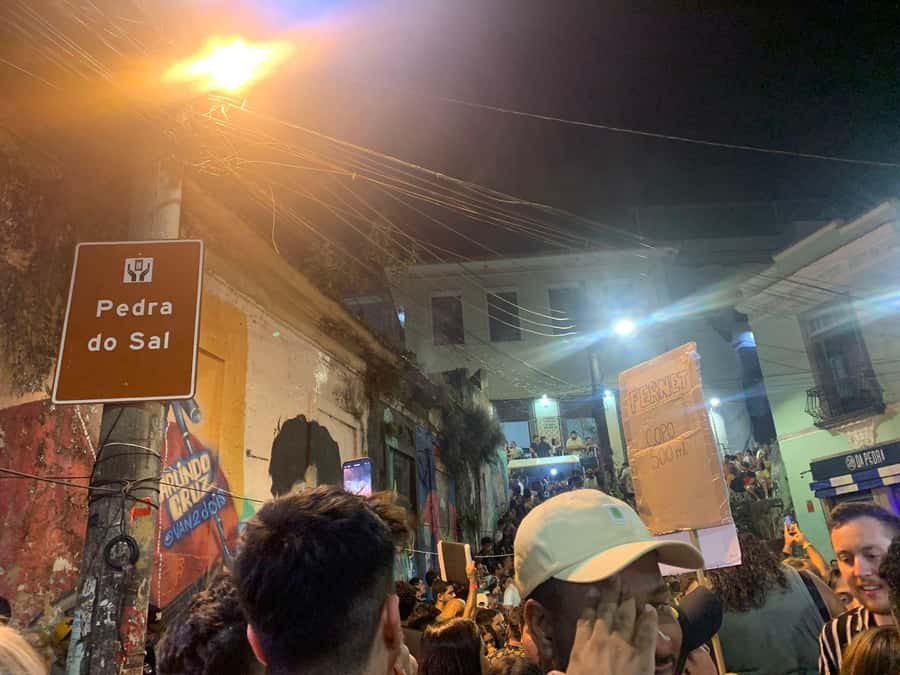
This place can be busy. That’s part of the point. Pedra do Sal is a social magnet for samba nights, so you’ll likely see a lot of people gathering and moving around.
This is also why the experience works best when you’re flexible. If you go in trying to hold a rigid plan for how the night will look, you’ll feel frustrated. If you go in thinking, I’m here for the neighborhood energy, you’ll probably have a better time.
Also consider timing. The tour is 150 minutes, so it’s long enough to feel the build-up, but not so long that you’re stuck when the energy peaks.
Who This Tour Suits Best
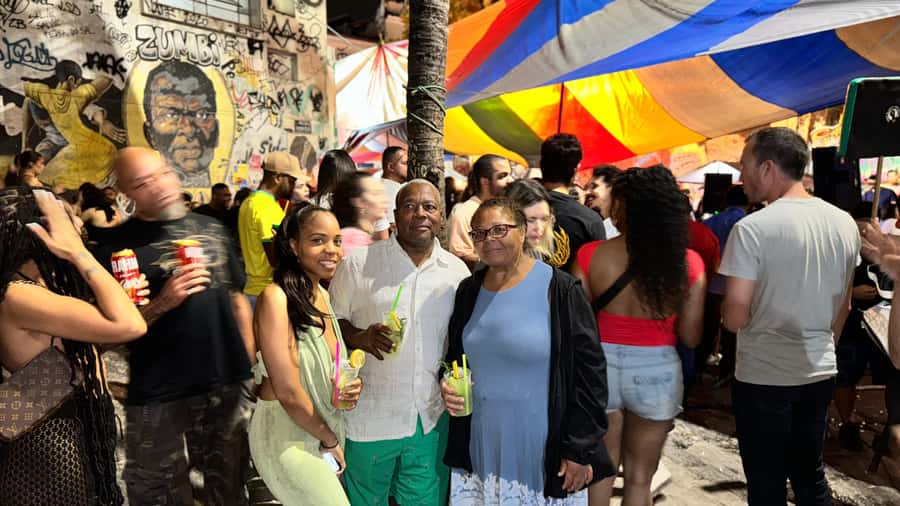
This is a great match if you want Rio nightlife that’s more than just bars and music. I’d especially recommend it if you:
- Want a guided entry into samba culture in a specific location tied to Little Africa
- Like learning why something matters while you’re experiencing it
- Are traveling solo and want a group structure that reduces guesswork
- Prefer real street energy over a staged show
It’s less ideal if you:
- Hate crowds or need a lot of personal space
- Are expecting a clearly staged performance setup
- Are pregnant or have claustrophobia (not suitable)
Practical Tips So You Enjoy Every Minute
A few things will help you get the most out of your night:
- Wear closed-toe shoes. The evening can involve a lot of standing and walking.
- Keep your smartphone charged so you can find your group and stay oriented.
- Plan on buying your own food and extra drinks. Only one welcome drink is included.
- Bring your ID (passport or ID card is fine; a copy is accepted).
- If you’re worried about comfort, eat earlier. Food isn’t included, and the night can run energetic.
Guides often share street food and drink tips. Even if you don’t follow every suggestion, those ideas help you avoid awkward timing like waiting too long to eat.
Guide Names You Might Meet
The meeting-point info says you should look for Helena or Gustavo at the yellow booth. Beyond that, the experience has been led by several English-speaking guides, including Evan, Lina, Yan, Matheus, and Vitória (among others). Different guides bring different energy, but the through-line stays the same: history, live samba, and keeping the group moving safely.
Should You Book Pedra do Sal Samba Night?
I think you should book this tour if you want a Rio night that feels connected to place and meaning. For many people, the biggest win is the combination of real street samba with clear historical context. You’re not just watching music; you’re learning why this neighborhood matters.
Don’t book it if you want a quiet, controlled experience or a theater-style show. The crowd factor and the street-scene format are part of what makes it authentic, but they can be a deal-breaker if you need space.
If you’re okay with a lively neighborhood evening and you like the idea of learning while you dance, Pedra do Sal is a strong use of 150 minutes in Rio.