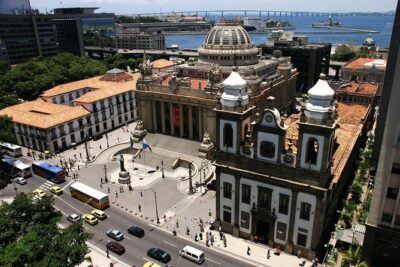
REVIEW · RIO DE JANEIRO
Rio: Historical Walking Tour
Book on GetYourGuide →Operated by CARIOCA TROPICAL TOUR OPERATOR · Bookable on GetYourGuide
If you like your sightseeing with street-level details, this is for you. I love the mix of subway-to-downtown convenience and expert commentary that turns major Rio landmarks into a clear story you can walk through; the main drawback is that it’s a lot of walking, so it’s not for people with limited mobility.
You start near Copacabana, ride the subway to the historic core, and spend about four hours seeing architectural highlights and classic downtown sites. You’ll get a small-group, professional guide (Spanish, English, or Portuguese), plus entrance fees, while meals and drinks stay on your tab.
In This Review
- Key things to notice before you go
- Why downtown Rio feels best on this guided walk
- From Copacabana to Cinelândia: the subway saves you time
- Cinelândia Station to Carioca Square: French influence and power in stone
- Praça XV and the Imperial layer of downtown Rio
- Confeitaria Colombo (1894) and Tiradentes Palace: old Rio with real context
- Teles Arch and Travessa do Comércio: the narrow streets that make Rio feel like Rio
- Merchant churches and downtown institutions: where the story becomes layered
- The pace, the group size, and why the guide matters
- Duration and route coverage: what 4 hours buys you
- Practical tips that make the day smoother
- Who should book this historical walk
- Should you book Rio: Historical Walking Tour?
- FAQ
- Is the tour duration really 4 hours?
- How much does the Rio Historical Walking Tour cost?
- What is included in the price?
- How do you get to downtown Rio during the tour?
- Where does the tour start and where does it end?
- What stops are included on the walk?
- What languages are the guides available in?
- Is it suitable for people with mobility impairments or wheelchair users?
- Are drinks and meals included?
Key things to notice before you go
- Subway included: you skip the hassle and roll right into downtown
- Cinelândia to Praça XV route: built around French architectural influence and former-capital landmarks
- Big-name facades, close-up views: you pass by and stop at major civic and religious buildings
- Confeitaria Colombo (1894): one of the best-known vintage stops on the walk
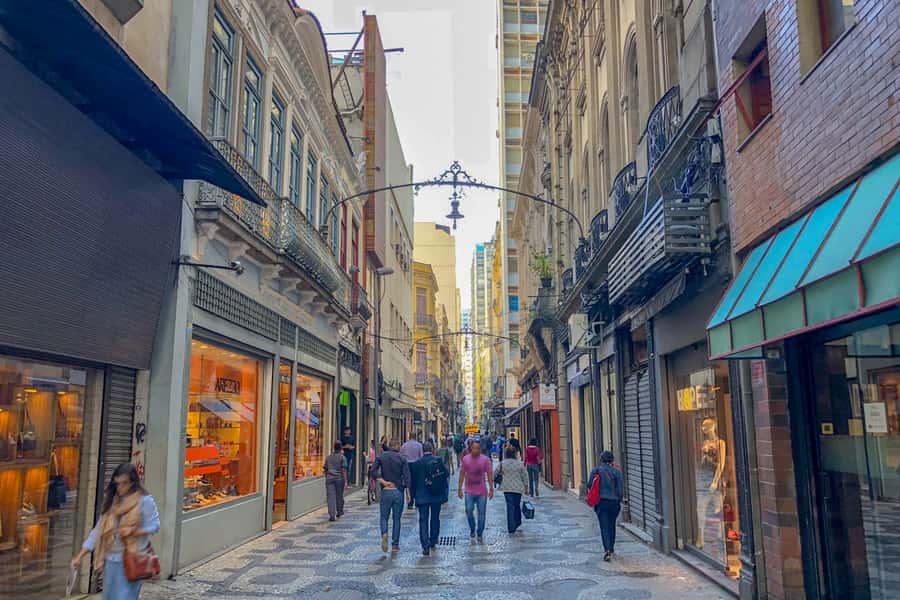
- Old streets and details: Travessa do Comércio and other narrow lanes reward slow looking
- Some stops depend on opening hours: a few museums/centers run only when open
Why downtown Rio feels best on this guided walk
Downtown Rio can look chaotic from a bus window. On foot, the city makes sense fast: you see how the streets connect, how the buildings frame the squares, and how different eras left their fingerprints.
I like that this tour doesn’t treat downtown like one long photo line. Your guide links places together so you’re not just collecting names—you’re understanding why they’re there, including how politics and the economy shaped what got built.
You can also read our reviews of more walking tours in Rio De Janeiro



From Copacabana to Cinelândia: the subway saves you time

Most of the time you start and finish near Copacabana Palace (A Belmond Hotel), either from the address at Av. Atlântica 1702 or another meeting point depending on the option you choose. Then you ride the subway to Cinelândia Station, which drops you into the historic center without the usual guessing game about getting there.
This matters for value. If you’re spending part of a short Rio trip, a guided plan that includes subway transport means you spend more of your four hours actually looking at landmarks instead of figuring out transit.
Cinelândia Station to Carioca Square: French influence and power in stone
Once you arrive at Cinelândia, the tone changes immediately. This area is known for relics of French architectural influence, and your walk is designed to show you those details while you move toward Carioca Square.
Along the route, you pass a trio of major religious and institutional landmarks:
- Naval Club
- Monastery Church of Santo Antônio
- Ordem Terceira de São Francisco da Penitência
Even if you’re not a hardcore architecture person, the guided pacing helps. You get a reason to look up and around—facades, entrances, and the way each building claims its space—rather than just watching the street flow by.
A practical consideration: you’re outdoors for long stretches. Wear comfortable shoes and plan for a steady walking pace.
Praça XV and the Imperial layer of downtown Rio
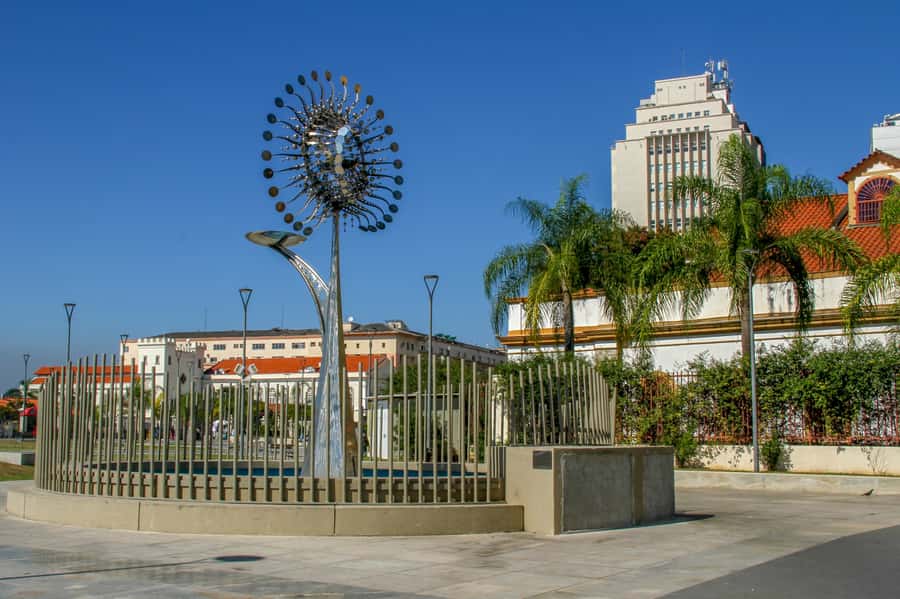
From Carioca Square, the tour pushes into Praça XV, one of those downtown spaces where the city’s roles shift across time. You’ll see the Imperial Palace, the statue of General Osório, and Mestre Valentim’s Fountain.
This stop is one of the most rewarding parts of the route because it turns a square into a timeline. Instead of skimming, you’re walking while learning what each landmark signals—who held influence, what priorities shaped public spaces, and how civic Rio looked in earlier decades.
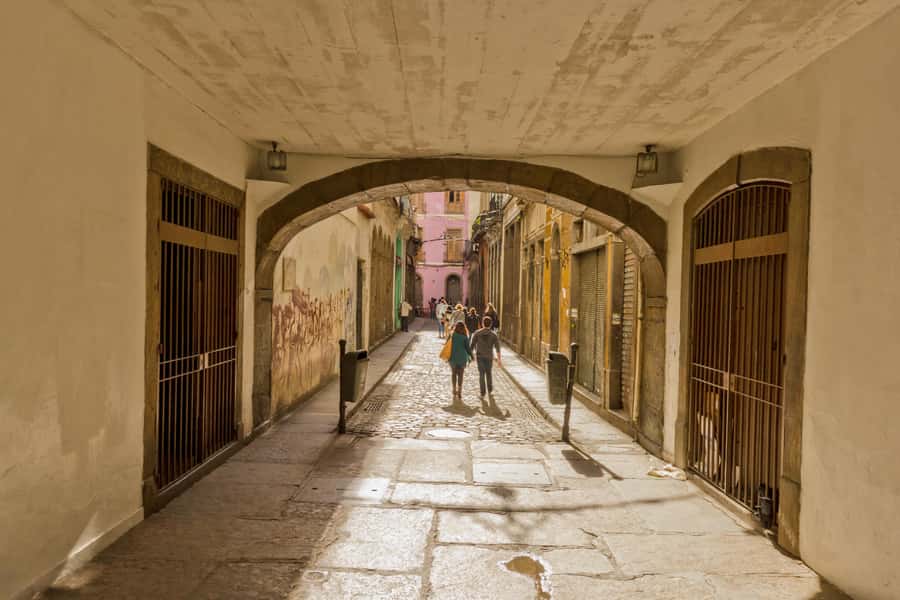
Your guide also takes you toward the Teles Arch, another landmark that’s best appreciated in person. Up close, you notice how the arch acts like a corridor between streets and views.
Confeitaria Colombo (1894) and Tiradentes Palace: old Rio with real context
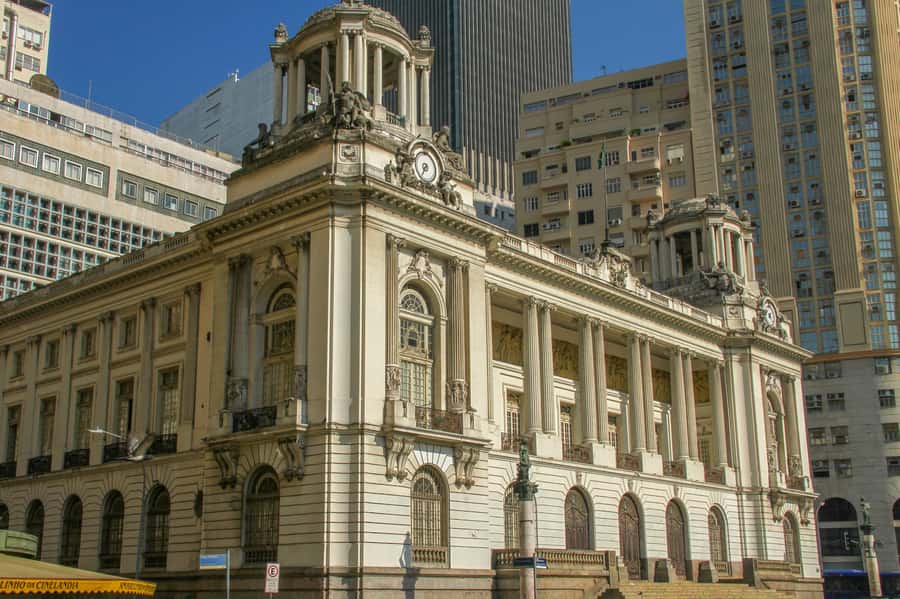
If you want proof that downtown isn’t all government buildings, here’s your pivot: Confeitaria Colombo, built in 1894. It’s the kind of place where you can pause and feel how restaurants and cafés have long played a role in city life—not just for snacks, but for meetings, prestige, and everyday social rhythms.
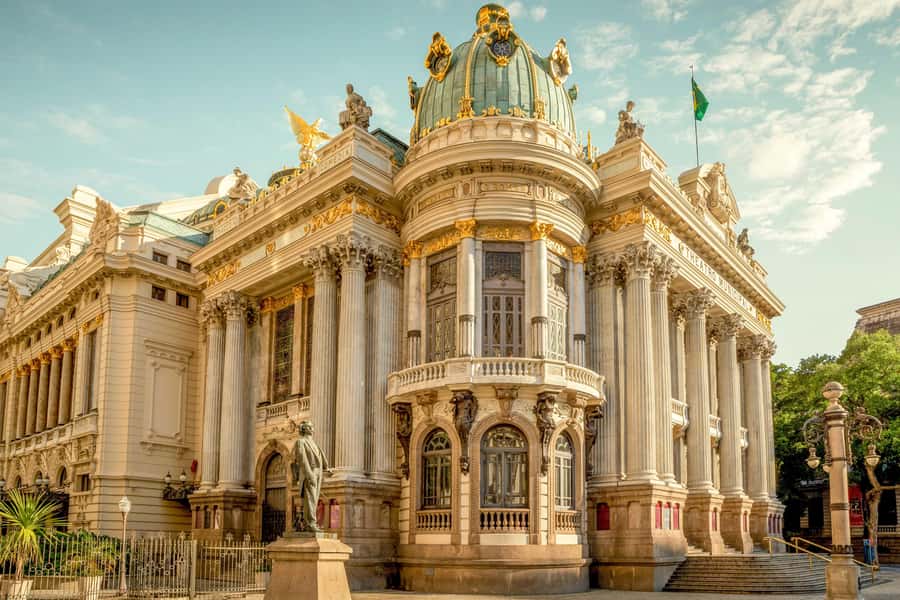
From there, you head to Tiradentes Palace (State Hall). On a walk like this, that’s not just another facade. It helps you connect the social world (shops, cafés, public spaces) with the official world (state power and administration) that shaped the city center you’re standing in.
I especially like how the guide approach balances architecture and politics. The overall effect is that you stop seeing downtown as a collection of monuments and start seeing it as a system.
You can also read our reviews of more historical tours in Rio De Janeiro






Teles Arch and Travessa do Comércio: the narrow streets that make Rio feel like Rio
After the big civic landmarks, the tour leans into streets where your feet and your eyes do the work.
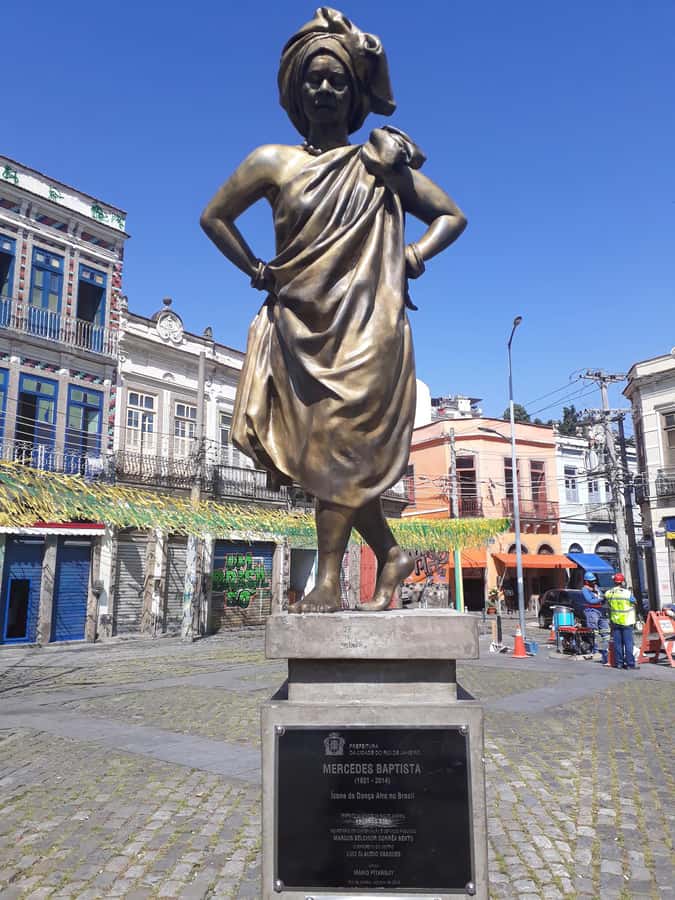
You reach Travessa do Comércio, described as cobble-stoned. That surface alone slows you down a bit, which is good on a tour like this—slower steps mean you catch more building details and street geometry, especially at turns where the view opens like a window.
You’ll also see the former residence of Carmen Miranda. This is a neat reminder that downtown Rio wasn’t only carved by officials and institutions. Culture lives in buildings too, and a well-timed stop like this can make the whole walk feel more human.
Merchant churches and downtown institutions: where the story becomes layered
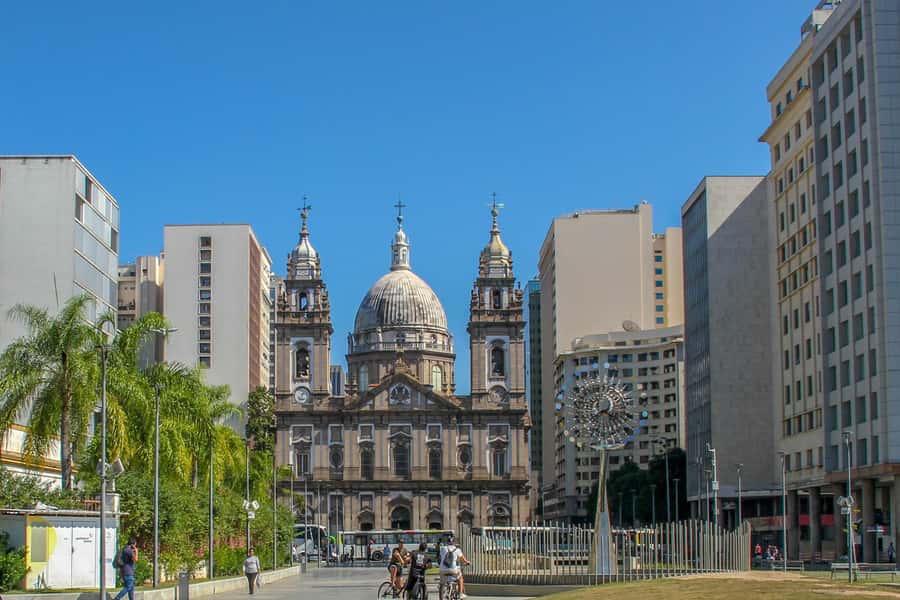
Next up, you head through another cluster of landmarks:
- Church of Our Lady of the Merchants
- Post Office Cultural Center
- France-Brazil House (when open)
- Bank of Brasil Cultural Center (when open)
- Candelaria Church (when open)
Two of these deserve a quick mindset shift. Post Office Cultural Center and the Bank of Brasil Cultural Center are the kind of places where you might expect pure utility. Instead, they often serve as cultural stages, which is a big theme in downtown Rio: old structures don’t just sit there; they find new roles.
As for the churches, they anchor the walking route emotionally. The Church of Our Lady of the Merchants connects the city to its mercantile past. Candelaria Church is a major spiritual landmark in the center, and having it in the final portion of the walk gives the route a satisfying arc.
Keep in mind that a few stops are only included when open. If France-Brazil House, Bank of Brasil Cultural Center, or Candelaria Church are closed, you’ll still get the overall route experience, but the exact interior stops can vary.
The pace, the group size, and why the guide matters
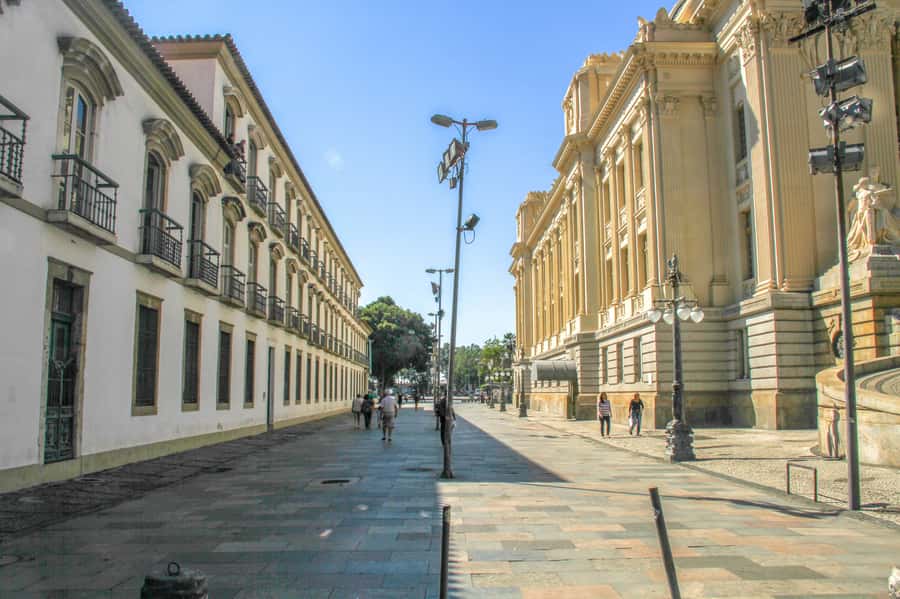
This is a small-group tour with a professional guide, and that’s not a small detail. In a city like Rio, the difference between a good explanation and a random walk is enormous.
The strongest feedback on this tour highlights guides who go beyond reciting facts. People appreciated Lucien, Monique, Ernani, and Mathilda for clear cultural and historical commentary and for answering questions about history, politics, and the economy. One review also noted flexibility when deciding what to prioritize, even when the group was just two people.
That last part matters if you like choices. A small group tends to move like a team instead of a factory line, which makes it easier to ask questions and adjust your focus as you learn what you care about most.
Duration and route coverage: what 4 hours buys you
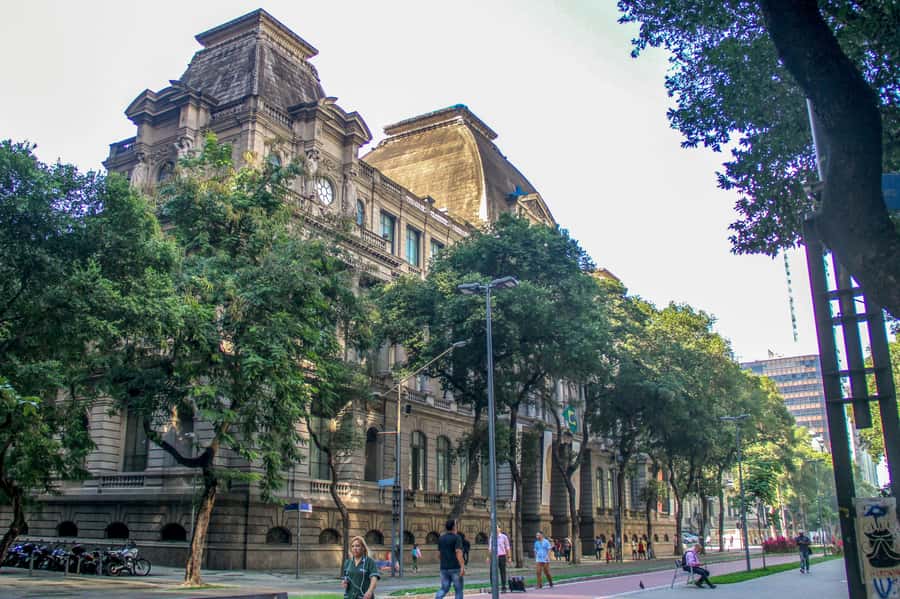
The tour lasts about 4 hours, which is a smart length for a downtown route. It’s enough time to get from Cinelândia through major squares and landmark buildings, while still leaving you with energy to explore the rest of Rio afterward.
For value at $79 per person, you’re getting:
- a professional guide
- entrance fees
- a small-group format
- subway transport as part of the plan
Meals and drinks are not included, so plan to handle water and snacks on your own. The overall trade-off is straightforward: you pay for a structured, guided route that takes care of the biggest friction points (where to go and how to get there).
Practical tips that make the day smoother
You’ll get the most out of this tour if you come ready to walk and look up. The route includes multiple churches, civic buildings, and museum-type cultural centers, so you’ll benefit from comfortable shoes and a quick ability to pause when your guide points out architectural details.
A couple of practical reminders:
- Some places are only on the route when open, so keep an adaptable attitude.
- If you prefer deep sitting-and-staring time, this format may feel a bit fast. The design is meant for movement and context as you go.
Who should book this historical walk
I’d recommend this tour if you:
- like downtown planning that saves time
- want architecture and civic history connected into one route
- enjoy questions and explanations, not just a list of stops
- want a small-group format with a guide who can respond to interests
You should probably skip it if:
- you have walking difficulties or need step-by-step accessibility (it’s not recommended for people with walking difficulties)
- you use a wheelchair (it’s not suitable for wheelchair users)
Should you book Rio: Historical Walking Tour?
If you want a focused, guided hit of downtown Rio—subway included, major squares, architecture, and landmark churches—this is a strong choice. The $79 price makes sense most days because entrance fees and transport are part of the package, and you’re not spending your time figuring out the route.
Book it if your goal is to understand what you’re seeing. The route is built to help you connect Cinelândia’s French-influenced look to Praça XV’s imperial layer, then onward through churches and cultural centers that show how the city reuses important buildings.
FAQ
Is the tour duration really 4 hours?
Yes. The tour is listed as lasting 4 hours.
How much does the Rio Historical Walking Tour cost?
The price is $79 per person.
What is included in the price?
Entrance fees, a professional guide, a small-group tour format, and transport by subway are included.
How do you get to downtown Rio during the tour?
You travel by subway to downtown Rio and arrive at Cinelândia Station.
Where does the tour start and where does it end?
The meeting point may vary depending on the option booked. The starting option includes Av. Atlântica 1702, Copacabana Palace, A Belmond Hotel, and the tour finishes at the same Copacabana Palace hotel.
What stops are included on the walk?
The tour includes stops in Cinelândia, Largo da Candelaria area, Confeitaria Colombo, the Church of Our Lady of the Merchants, France-Brazil House when open, Bank of Brasil Cultural Center when open, and Candelaria Church when open.
What languages are the guides available in?
The live tour guide is available in Spanish, English, and Portuguese.
Is it suitable for people with mobility impairments or wheelchair users?
No. It is not recommended for people with walking difficulties and it is not suitable for wheelchair users.
Are drinks and meals included?
No. Drinks and meals are not included.