
REVIEW · RIO DE JANEIRO
Climb Rio de Janeiro: Rock Climbing Tailored for All Levels
Book on Viator →Operated by Itaway Ecotours · Bookable on Viator
One steep wall and Rio’s famous views right there. This climbing experience takes you up near Sugar Loaf with a plan built around your skill level. You’ll get hands-on coaching and enough time on the rock to feel like you actually learned something, not just posed for photos.
What I like most is the way the tour focuses on proper instruction from the start, then matches your route to your past climbing experience. I also like that you’re not swallowed by a big group—each instructor works with up to two people, which means you get real feedback and time to practice.
The main thing to consider is that it depends on good weather, so if conditions are bad you may be moved to another date (or refunded). Also, even the beginner options are still physical—this is climbing, not a scenic walk.
In This Review
- Quick Key Points to Know
- Where Sugar Loaf Fits Into a Climbing Day in Rio
- The Skill Match: How the Route Choice Works
- What You’ll Do on the Rock (and Why It’s Not Just a Demo)
- Stop 1: Urca and the Sugar Loaf Approach
- Morning vs Afternoon: Picking the Right Slot for Your Energy
- Small Group, Better Feedback: How Two Climbers Per Instructor Helps
- Price and Value: What $127.42 Buys You in Rio
- Comfort on Your First Outdoor Climb: What to Expect
- The Only Real Drawback: Weather and the Outdoor Reality
- Who This Tour Fits Best
- Should You Book Climb Rio de Janeiro at Sugar Loaf?
- FAQ
- How long is the rock climbing experience?
- Where do I meet for the tour?
- Is this a private tour?
- What climbing options are available for different skill levels?
- How do they decide what route I should climb?
- What equipment is included?
- Is a cable car included?
- What’s not included in the price?
- What happens if the weather is bad?
Quick Key Points to Know
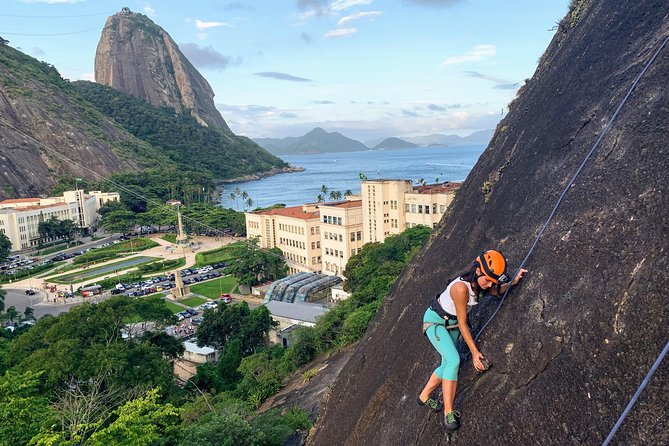
- Routes are matched to your climbing history, so beginners won’t get thrown onto advanced lines.
- Up to two hours on the rock at Sugar Loaf Mountain, not a rushed taste.
- Small private feel: only your group, with up to two climbers per instructor.
- Top-rope for first-timers and beginners, plus multi-pitch options for higher levels.
- Gear is included, from shoes and harness to helmet and belay/rappel device.
- Cable car descent is included when climbing Sugar Loaf, so you don’t have to figure out the logistics after.
Where Sugar Loaf Fits Into a Climbing Day in Rio

Sugar Loaf (Pão de Açúcar) is the kind of place that makes you stop asking whether it’s worth it. Even before you touch the wall, you’re dealing with a setting that feels built for a great story: water, beaches, and that iconic rock shape rising out of the city.
The tour uses this location well. You start in Urca, then get time on the climbing area tied to Sugar Loaf Mountain, with a route chosen based on you. If you’ve been climbing for years, you get options that can include multi-pitch styles; if you’re new, you can do top-rope coaching with the goal of building confidence.
One more practical point: the tour is about 3 hours total (approx.). That’s a useful length for Rio, where you might want mornings for beaches and afternoons for neighborhoods. You can pick a morning or afternoon option, which helps you avoid forcing this into the busiest part of the day.
You can also read our reviews of more tours and experiences in Rio de Janeiro.



The Skill Match: How the Route Choice Works
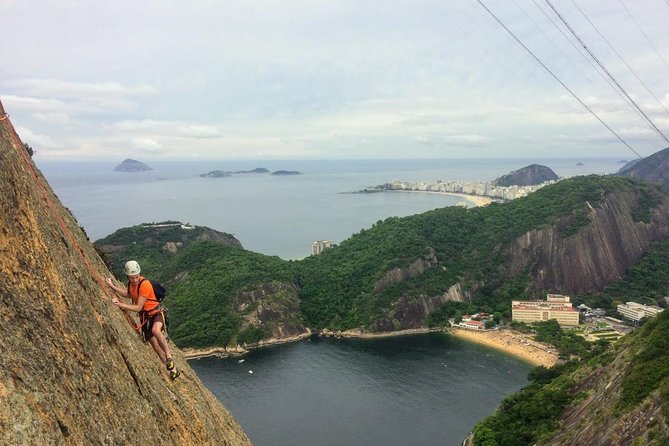
This isn’t a one-size-fits-all climbing route. Before you climb, an Itaway Agent uses your past climbing experience to determine what route makes sense for you. The instruction is then organized around the option you select that best fits your level.
Here’s how that matters in real life:
- If you’re a beginner, you should expect top-rope climbing and coaching focused on basics like movement, comfort on the wall, and understanding how the system works.
- If you’re intermediate or advanced, you may be guided toward multi-pitch routes, where you’re dealing with longer climbs and more than one section of rock.
This approach is valuable because it reduces the two common problems with “try climbing” tours: either you end up under-challenged and bored, or you get overmatched and spend the whole time anxious. Matching the route to your experience helps you spend your energy climbing, not worrying.
In the feedback, two names come up often around the comfort factor: Victor and Adilio. People highlighted how the guide made them feel secure during a first solo outside climb and how the day combined a good route with excellent service and friendly guidance. That lines up with the idea that the coaching should adapt to you, not just the wall.
What You’ll Do on the Rock (and Why It’s Not Just a Demo)
The big promise here is simple: up to two hours of climbing at Sugar Loaf Mountain. Two hours changes the feel of the activity. It’s long enough for you to warm up, learn the key technique for the route style you’re on, and actually repeat movements with better control.
Your time also isn’t spent guessing what to do next. The tour includes a certified bilingual instructor, so instructions are meant to be clear and practical. From the reviews, the coaching emphasis is on feeling secure and understanding what to do while you’re on the wall—especially important if you’re stepping into outdoor rock for the first time.
You’ll also be set up with individual gear:
- climbing shoes
- harness
- helmet
- belay/rappel device
And that “belay/rappel device” matters because it’s tied to how you move safely through the climb and how you manage rope systems. The tour also supplies collective climbing gear like rope, quickdraws, and anchor building equipment, so you’re not expected to bring technical supplies.
If you like activities where you can see measurable progress—like learning knots, getting comfortable with rope handling, and improving your route reading—this format tends to deliver more than a quick intro.
Stop 1: Urca and the Sugar Loaf Approach
The itinerary centers on Urca, which is a smart base. It keeps the day focused and avoids a long “meet, travel, climb, travel again” routine. From there, the climbing happens at Sugar Loaf Mountain.
If your chosen climbing option involves Sugar Loaf itself, you also get a cable car descent ticket to Morro da Urca. That’s a small detail, but it’s a real convenience. After climbing, you don’t want to waste energy solving transport or timing. The cable car return helps you keep the day smooth and predictable.
What you can take from this for your planning: build the rest of your day around that 3-hour window, and don’t schedule something tight immediately after. Even when the tour is well organized, you’ll likely want a little time afterward to cool down and enjoy the area around Urca.
Morning vs Afternoon: Picking the Right Slot for Your Energy
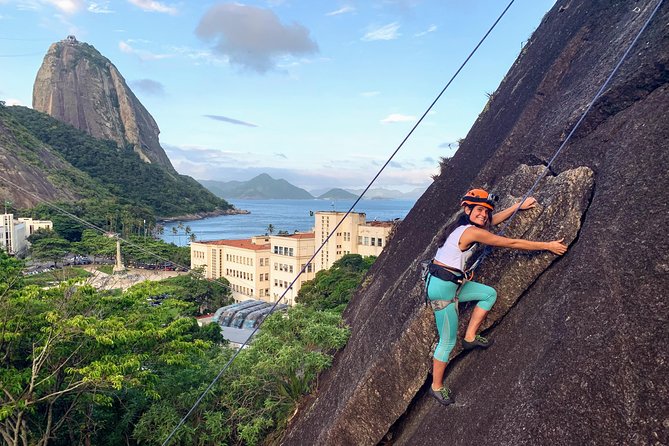
You can choose a morning or afternoon tour. That might sound like a basic scheduling option, but it affects how the day feels.
In Rio, weather and light can shift across the day, and climbing comfort often depends on conditions. Since the experience requires good weather, choosing a slot where you’ll be least stressed by delays is smart. If you know you’re planning a busy day later, the morning option can reduce the chance of the climbing pushing into your dinner plans.
On the other hand, afternoon can work well if you like to start slower and let your body warm up naturally. The key is to match the time window to the rest of your schedule, not just your preference.




Small Group, Better Feedback: How Two Climbers Per Instructor Helps
This tour is private, meaning only your group participates. Even within that, the climbing is run with a ratio of up to two people per instructor.
That ratio is the quiet reason many people enjoy this experience. When you have fewer people, the instructor can:
- check your setup more carefully
- watch your body position and adjust technique faster
- give you clearer guidance between attempts
- help you regain confidence if something feels tricky
That aligns with what the reviews emphasize: the guides made climbers feel secure, and instruction was tailored to first-time outdoor climbers and higher-skill climbers alike.
If you’re traveling solo and want a more personal pace, this format can feel less intimidating than bigger group tours. If you’re with a partner or friend, it can feel like a dedicated coaching session.
Price and Value: What $127.42 Buys You in Rio
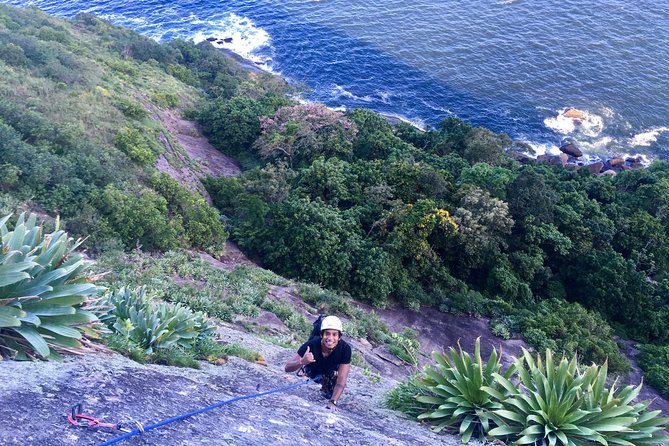
At $127.42 per person for about 3 hours, this sits in the mid-range for guided adventure activities in a high-demand location like Rio. The question is what you’re getting back.
You’re not just paying for access to a view. You’re paying for:
- a certified bilingual instructor
- full individual climbing gear (shoes, harness, helmet, belay/rappel device)
- key collective climbing equipment (rope, quickdraws, anchor building gear)
- and, if climbing Sugar Loaf, a cable car descent ticket to Morro da Urca
Also, your route selection is guided by your experience level, which is harder to build into a cheap tour. That skill-matching step reduces wasted time and helps you climb for the right challenge.
Where you should watch your budget: the tour does not include snacks, bottled water, or tips. Bringing snacks or budgeting for them makes the day more comfortable. And while tips vary by person, it’s smart to keep 10–20% in mind as typical guide compensation for this kind of service.
If you’re deciding between a basic “try climbing” experience and a more coached session, this one tends to feel like you’re actually learning the ropes—literally.
Comfort on Your First Outdoor Climb: What to Expect
If you’re new to outdoor climbing, the best part is often the shift from indoors to real conditions. Outdoors brings wind, different rock features, and the mental jump of being outside. This tour’s structure helps because it offers top-rope options for beginners and first-time climbers.
You can also expect your instructor to focus on the basics that keep things calm:
- how the system works
- how to move effectively on the route you’re on
- what to do when you hit a spot that feels uncomfortable
From the experience write-ups, Victor is specifically mentioned for making first solo climbers feel secure and comfortable. Adilio also comes up for delivering an excellent climbing day with great service and views.
If your biggest fear is not knowing what will happen next, that’s exactly what coaching + gear + equipment setup is meant to reduce.
The Only Real Drawback: Weather and the Outdoor Reality
Outdoor climbing is weather-dependent. The tour requires good weather, and if it’s canceled due to poor conditions, you’ll be offered a different date or a full refund.
That’s the main drawback because Rio can get changeable. If your trip is tightly scheduled and you don’t have flexibility, you’ll want to schedule this earlier rather than later. Then you have buffer time if weather knocks the climb off.
Also keep in mind that you should select the option that matches your skill level. If you pick too advanced for your experience, the route choice might still be adjusted by their matching process, but you’ll reduce your odds of having that smooth “I’m getting it” feeling.
Who This Tour Fits Best
This experience makes a lot of sense if you:
- want a real coached climbing session with gear included
- are a beginner who wants top-rope and confidence-building instruction
- are intermediate or advanced and want a route matched to your level
- prefer a private setup with more attention from your instructor
It’s also a good fit for couples or small groups. Up to two climbers per instructor keeps the interaction personal, and you’ll have more time for questions.
If you’re looking for a purely scenic activity with zero physical effort, this isn’t it. Climbing is active by nature.
Should You Book Climb Rio de Janeiro at Sugar Loaf?
If you want a guided climb where the hard parts are handled—equipment, safety systems, and instruction—and you’re excited by climbing with Rio’s Sugar Loaf scenery nearby, I’d book it.
Choose it especially if you value small-group coaching and you want your route matched to your experience instead of being forced into a generic “starter climb.” The guide comfort stories tied to names like Victor and Adilio are a strong signal that instructors focus on making you feel secure and supported.
Skip it only if you have no flexibility for weather or you know you’re not up for a physical activity, even at the beginner top-rope level. Otherwise, this is one of those Rio experiences that feels specific to the place—and actually teaches you something while you’re there.
FAQ
How long is the rock climbing experience?
It lasts about 3 hours (approx.).
Where do I meet for the tour?
You’ll meet at Praça Gen. Tibúrcio, 75 – Urca, Rio de Janeiro – RJ, 22290-270, Brazil.
Is this a private tour?
Yes. It’s a private tour/activity, so only your group participates.
What climbing options are available for different skill levels?
You can choose routes that fit your level, including top-rope for first-time climbers and beginners, and multi-pitch options for advanced, intermediate, and beginner levels.
How do they decide what route I should climb?
An Itaway Agent uses your past rock climbing experience to help determine the route.
What equipment is included?
The tour includes a certified bilingual instructor and individual gear like climbing shoes, harness, helmet, and a belay/rappel device, plus collective gear such as rope, quickdraws, and anchor building equipment.
Is a cable car included?
A cable car descent ticket to Morro da Urca is included if you climb Sugar Loaf Mountain.
What’s not included in the price?
Snacks, bottled water, and tips for guides are not included.
What happens if the weather is bad?
The experience requires good weather. If it’s canceled due to poor weather, you’ll be offered a different date or a full refund.