REVIEW · RIO DE JANEIRO
Rio de Janeiro: Bossa Nova Walking Tour with Guide
Book on GetYourGuide →Operated by Rio Bossa Experience · Bookable on GetYourGuide
Bossa Nova gets real when it walks with you. In this 3-hour route through Ipanema and Copacabana, you get live Bossa Nova music plus a guide-led story of where the style took root. The main tradeoff: it’s a full walking circuit, so plan on comfortable shoes and expect a steady pace rather than long breaks.
The best part is the guide format. The tour is led by an all-in-one musician and singer (Guilherme stands out in that role), so the history comes with guitar and other instruments as you move between iconic spots. It runs in Portuguese, Spanish, and English, which makes it easy to follow even if you’re not fluent in the language.
In This Review
- Why This Walk Feels Different From a Regular Sightseeing Tour
- Key Moments That Make the Tour Worth Your Time
- Starting in Ipanema: Praça Nossa Senhora da Paz Sets the Tone
- Hidden Corners and Street Stops: Learning the “Where” Behind the Sound
- Cantagalo and Praça General Osório: Getting the Neighborhood Picture
- Av. Atlântica and Scenic Views: The Ocean Setting Matters
- Dorival Caymmi and Tom Jobim Statues: Music History in Public Space
- Garota de Ipanema and Arpoador: Where the Story Gets Personal
- Casa de Cultura Laura Alvim and the Local Bar Finish: Closing the Loop
- The Live Music: Great for Fans, Not a Full Concert
- Price and Value: What $49 Buys You in Rio
- Who This Tour Is Best For (And Who Should Rethink It)
- Should You Book the Rio Bossa Nova Walking Tour?
- FAQ
- How long is the Rio Bossa Nova walking tour?
- Where does the tour start?
- What neighborhoods will you walk through?
- Is live music included?
- What languages is the tour offered in?
- Is food or drinks included?
- What should I wear or bring?
- Is the tour suitable for children or wheelchair users?
- What’s the cancellation policy?
Why This Walk Feels Different From a Regular Sightseeing Tour
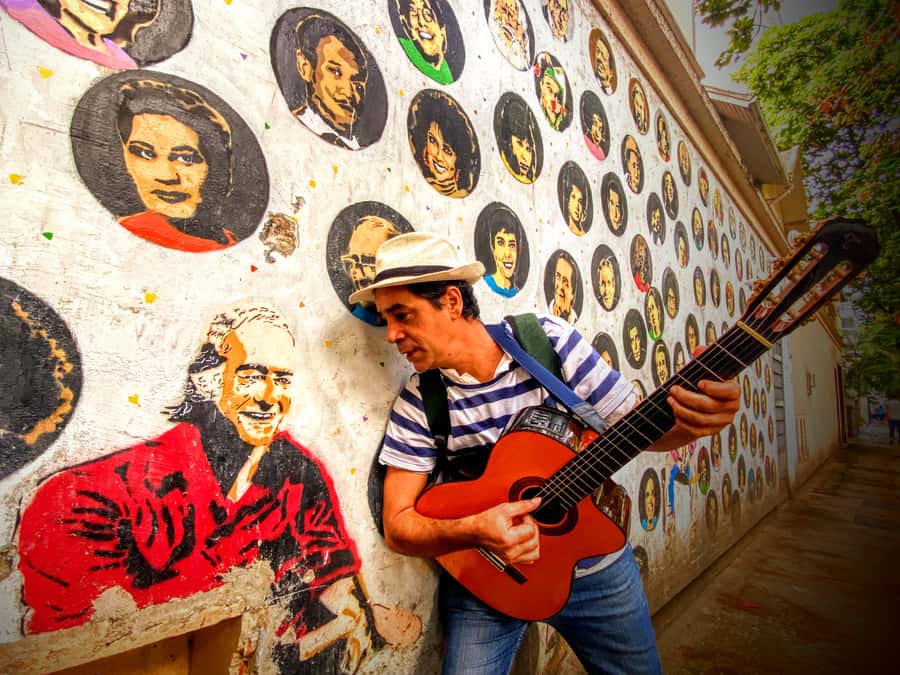
This isn’t just a list of famous views. The whole point is to connect Rio’s beachfront scenery to the people and moments that shaped Bossa Nova during the 50s and 60s. You’re walking the same general areas where songs were written, played, and composed, and the guide keeps translating that musical legacy into street-level context you can actually see.
I like how the experience blends three things that usually don’t mix well: music, history, and actual neighborhoods. You’re not stuck in a room listening to background facts. You’re moving through Ipanema and Copacabana, stopping in places that help you picture the atmosphere of the golden years.
One more practical note: music lovers will still get performances, but they’re timed in short live moments along the way. If you want a long, sit-down concert session, you may wish there were more music time. The trade is intentional: you’re paying for a story walk that happens to include live playing.
Key Moments That Make the Tour Worth Your Time
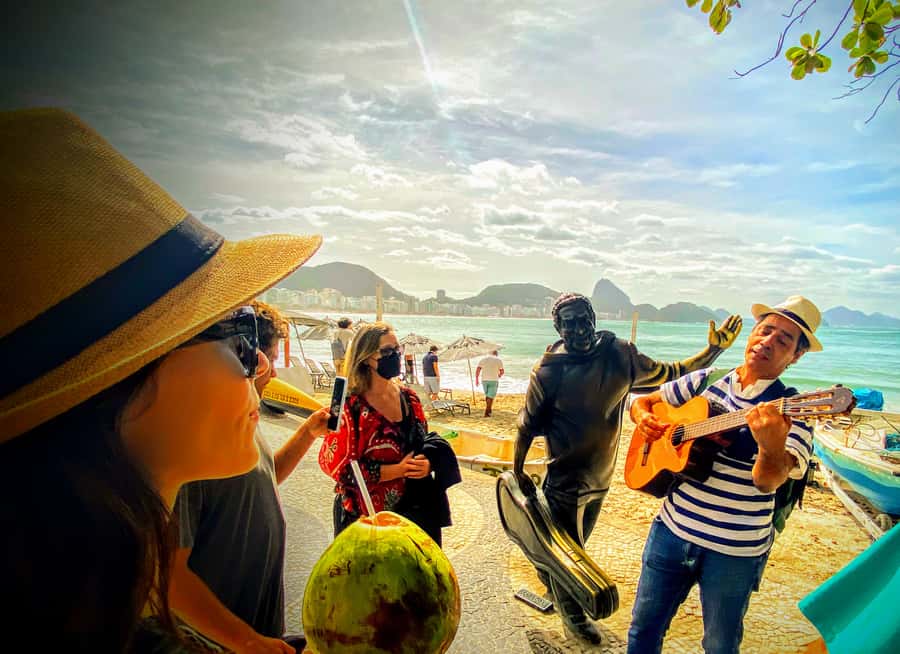
- A musician-guide who can explain the Bossa Nova story and play along as you walk
- Live performance moments sprinkled through the route, not just at the start or finish
- Two iconic neighborhoods: Ipanema and Copacabana, with scenic stops along Av. Atlântica
- Composer-focused storytelling with names you’ll hear again and again (Tom Jobim, Vinícius de Moraes, João Gilberto)
- Photo stops at major reference points tied to Bossa Nova culture and Rio’s landmarks
You can also read our reviews of more walking tours in Rio De Janeiro



Starting in Ipanema: Praça Nossa Senhora da Paz Sets the Tone
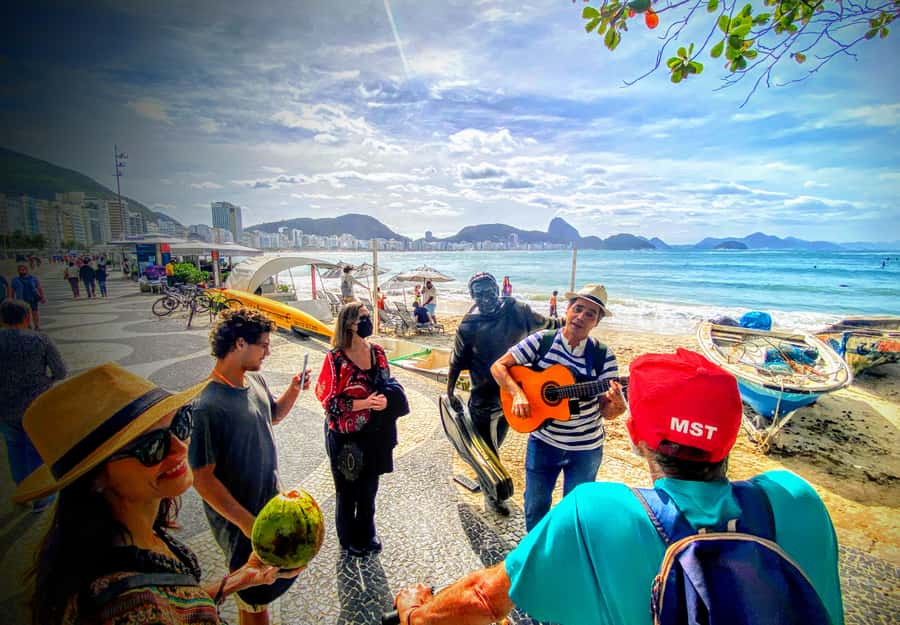
The tour begins at Praça Nossa Senhora da Paz in Ipanema, near metro exit A. This is a smart choice because you’re starting where the neighborhood feels distinctly Ipanema—walkable, open, and full of local rhythm. You’ll get oriented fast, which matters because the next three hours move with purpose.
Right away there’s a short class-style introduction (about 20 minutes). This is where the guide frames what you’re about to see. Instead of jumping straight to statues and views, you’ll learn the story arc of Bossa Nova: how it started, why it sounded the way it did in Rio’s cultural life, and who the big names were in its early rise.
If you’re the type who likes a narrative thread, this opening helps a lot. When you later pass by places connected to the music, you’ll know what question the guide is trying to answer with each stop.
Hidden Corners and Street Stops: Learning the “Where” Behind the Sound
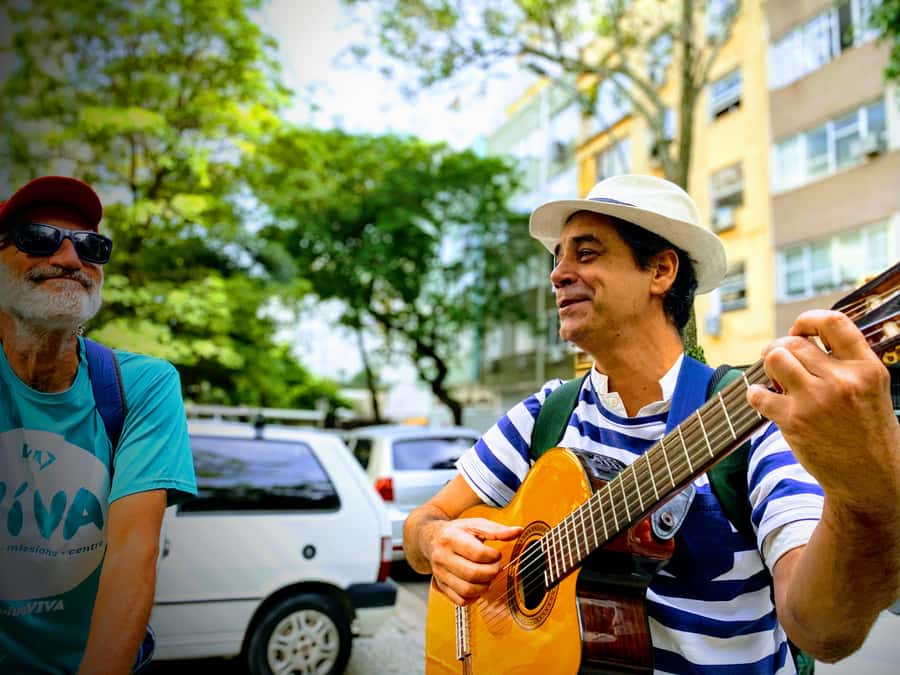
After the intro, the walk turns into a sequence of photo stops and short guided segments. You’ll move through smaller streets and key corners, including Rua Nascimento Silva, plus additional “secret stop” style pauses designed to show you how ordinary streets connect to creative life.
What I like about these sections is the how of the storytelling. The guide doesn’t treat Bossa Nova like a distant museum topic. The emphasis stays on locations: where people gathered, where the music was played, and how the neighborhood atmosphere fed the sound.
Expect short segments where you stand, look around, and then get the context. Some stops include a brief live music moment, which keeps the experience from becoming only lecture-style. You’ll also hear curiosities that help you picture the 50s–60s scene, including the glamorous, cultural feel Rio is famous for.
Cantagalo and Praça General Osório: Getting the Neighborhood Picture
As the route continues, you’ll reach Cantagalo and Praça General Osório. These pauses matter because they’re not only about famous photos. They help you understand the geographic “logic” of the walk—how different parts of Ipanema and its surroundings connect to the larger Copacabana area later.
This is where the tour starts to feel like a real stroll through Rio’s identity. The guide often ties what you’re seeing to the people who helped shape the genre, including references to key composers like Tom Jobim and Vinícius de Moraes. You’re not just memorizing names; you’re building a map in your head.
And because this is a guided circuit, you’ll also get clarifications on what things mean in Rio’s musical culture. That’s the difference between seeing a street and understanding why it’s mentioned when people talk about Bossa Nova.
Av. Atlântica and Scenic Views: The Ocean Setting Matters
One of the longer scenic breaks comes along Av. Atlântica (including a stop at Av. Atlântica, 3968). This is one of those sections where the walk actually pays off, because you get breathing room to take in the coast and let the story land in your surroundings.
The route description explicitly calls out scenic views on the way here and at a few later points. So don’t just treat it as transportation time. Use the pauses to look across the water and toward the rhythm of the promenade area. In a tour about a Rio sound, being close to the coastline isn’t a small detail—it’s part of what the guide is framing.
If you’re a photographer, this part of the route gives you your best chances for clean angles. If you’re not, it still helps you understand why Bossa Nova became tied to Rio’s identity so tightly.
You can also read our reviews of more guided tours in Rio De Janeiro






Dorival Caymmi and Tom Jobim Statues: Music History in Public Space
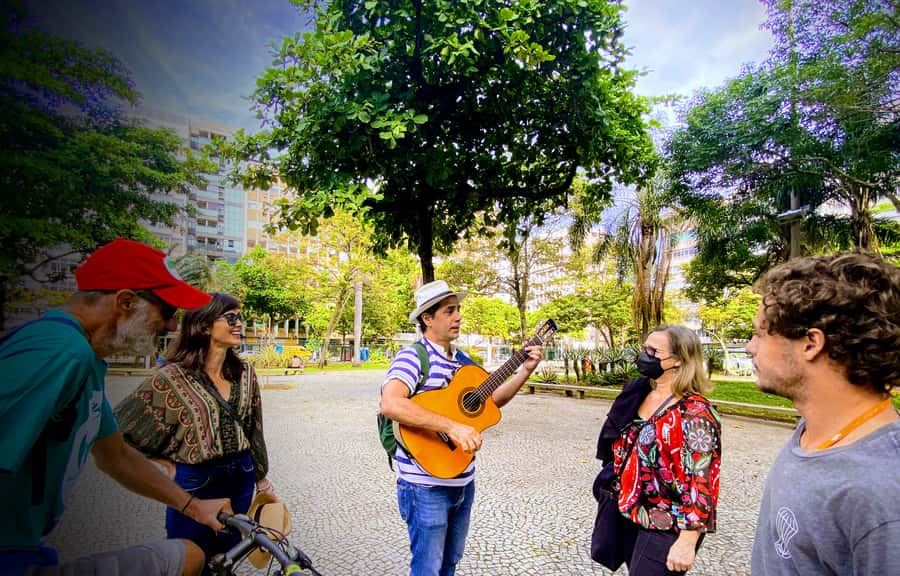
Later you’ll stop at the Estátua de Dorival Caymmi and then the Estátua de Tom Jobim. These aren’t random sightseeing points. They’re visible reminders that Rio didn’t just make music in private studios. It honored the people in public, and the city’s landscape became part of the cultural story.
I like that the guide uses these moments as anchor points. You’ll hear context that connects famous names to the places you’re standing in. This helps you avoid the common “I saw it, I forgot it” feeling that happens with tours that only show landmarks.
If you’re into understanding how cultural movements become part of everyday city life, these statue stops are your payoff. They make the music’s legacy physical and walkable.
Garota de Ipanema and Arpoador: Where the Story Gets Personal
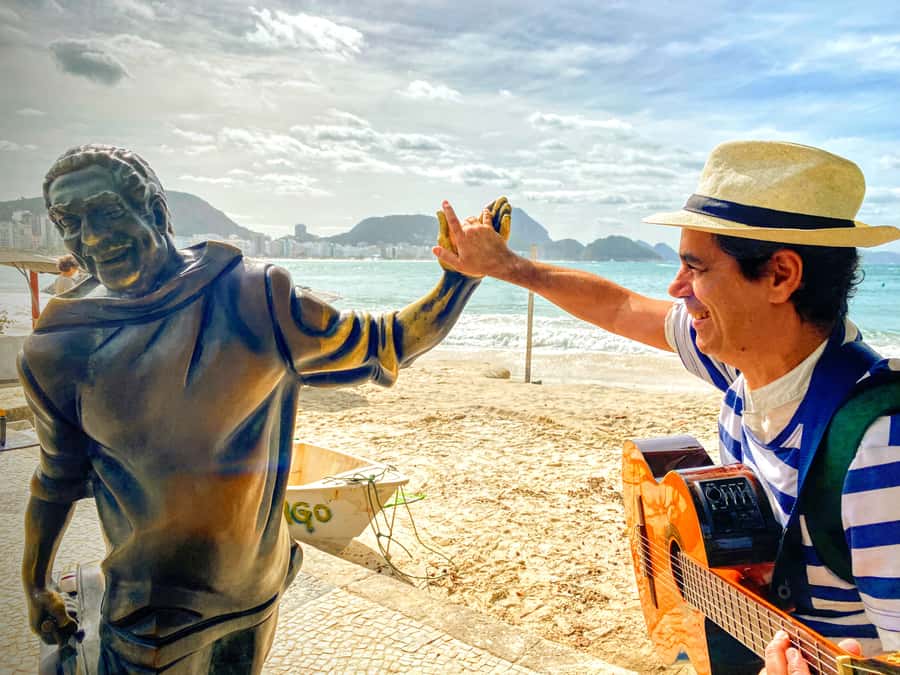
The walk includes Garota de Ipanema and then Arpoador. The tour’s framing emphasizes that you’ll walk by streets where the Girl from Ipanema did and the music’s cultural world took shape. Even if you know the song already, walking in the related area is a different kind of listening.
Arpoador also provides another moment for scenic viewing. The route calls out those scenic views specifically, so it’s not just a stop for a photo. The guide uses the location to keep connecting Bossa Nova to Rio’s physical mood—beach, promenade energy, and the sense of place that helped the genre spread.
Casa de Cultura Laura Alvim and the Local Bar Finish: Closing the Loop
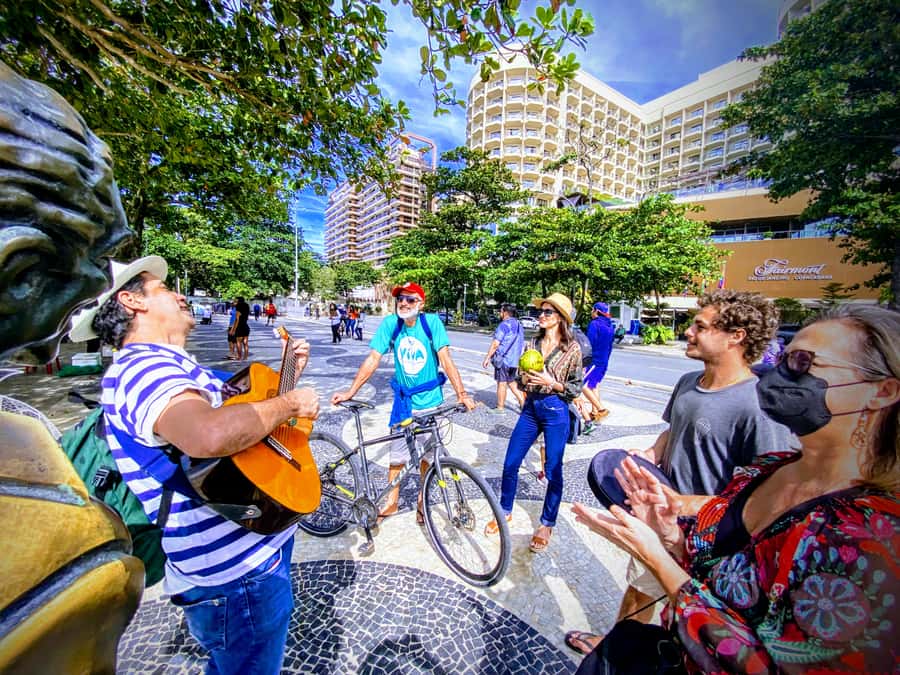
Toward the end, you’ll pass by Casa de Cultura Laura Alvim and then stop at a local bar for another guided photo and conversation moment (including a live performance option along the way). These segments shift the tone from “classic landmarks” into “how the culture lives now.”
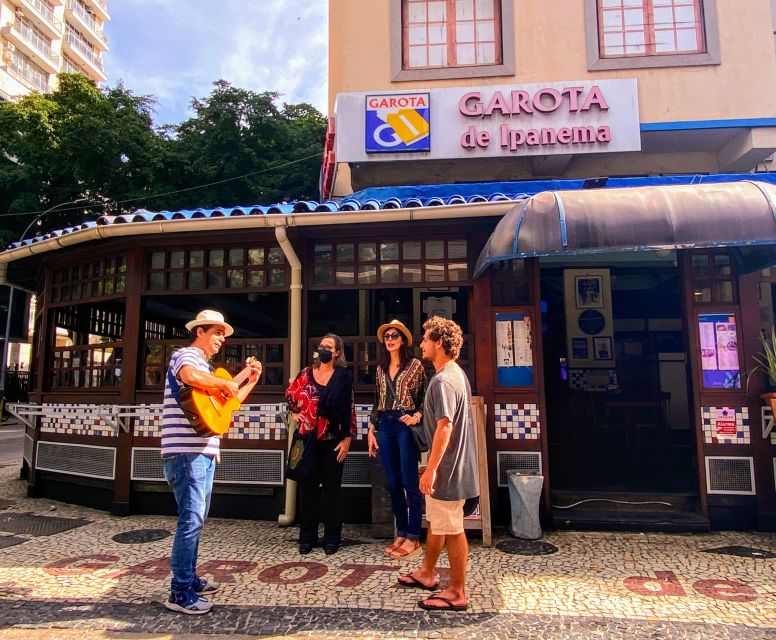
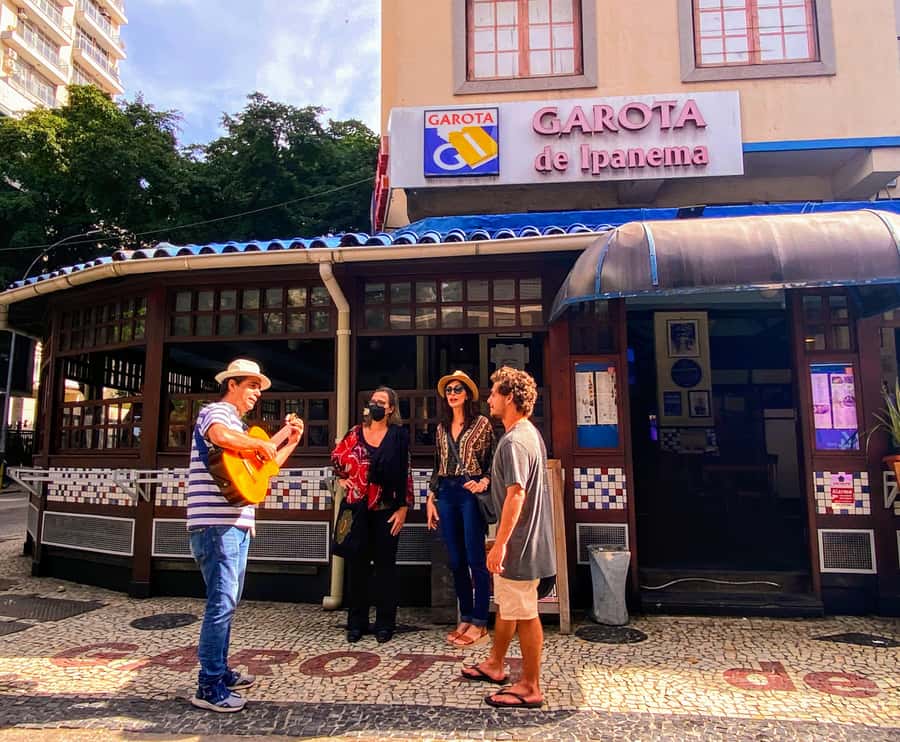
Then the tour finishes at Restaurante e Bar Garota de Ipanema. This matters because you’re ending in a place that matches the theme, not at a random street corner. You’ll likely feel like you have a final scene in your mind: history, location, and Bossa Nova atmosphere all stitched into one walk.
The Live Music: Great for Fans, Not a Full Concert
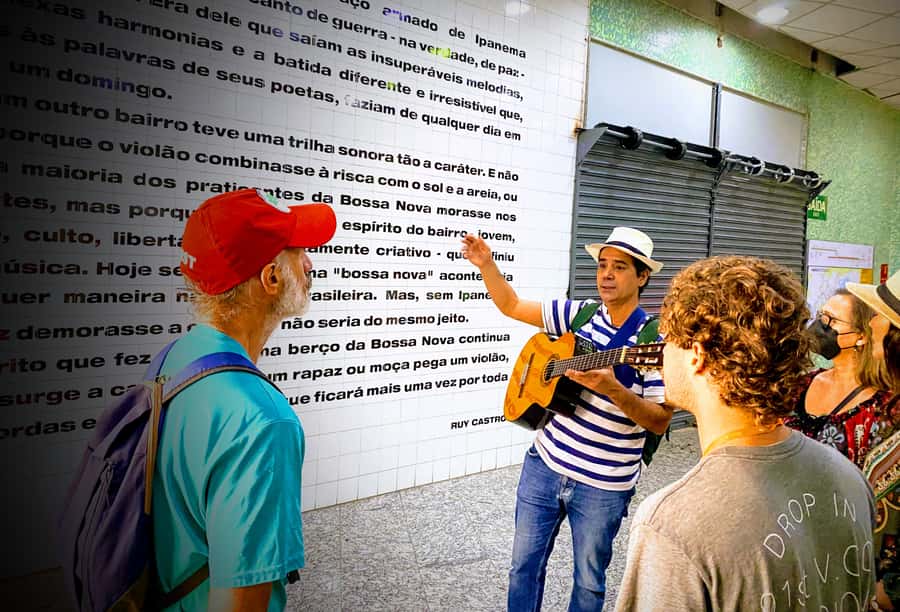
The live performance is built into the route, and the guide’s role as a musician and singer is central. That structure is ideal if you want your history with sound. You’ll hear the music during the walk, so the storytelling doesn’t stay abstract.
That said, one guest note you should take seriously is the desire for more music time. In other words, the performances are real, but they’re short moments inside a movement-based tour. It’s not a long, seated concert format.
If you go in expecting a “walking show with live snippets,” you’ll probably feel very satisfied. If you go expecting a full evening of music, you may find the balance a bit too street-and-story heavy.
Price and Value: What $49 Buys You in Rio
At $49 per person for about 3 hours, this tour sits in a sweet spot: it’s long enough to cover meaningful ground and multiple named stops, and it includes both a guide and live music. Transport and food aren’t included, so the value comes mainly from the guiding plus the added cost of having a musician performer.
You’re also paying for something harder to price: context. Seeing Ipanema and Copacabana is easy on your own, but learning how the Bossa Nova story ties to specific places takes a specialist guide. The guide being also a performer is what pushes this above the standard walking tour.
If you like music history but don’t want a lecture-only experience, this is a strong match. You get street views, composer references, and live guitar/instrument moments in one package.
Who This Tour Is Best For (And Who Should Rethink It)
This is best for you if you:
- Want an introduction to Bossa Nova that’s tied to Rio’s real geography
- Like the idea of live performance happening during the walk
- Enjoy walking tours where the guide connects stories directly to places
It may be less ideal if you:
- Need a very low-walking experience or use a wheelchair (the tour isn’t suitable for mobility impairments or wheelchair users)
- Prefer a long concert rather than multiple short live moments
- Have young kids under 8 (not suitable)
Should You Book the Rio Bossa Nova Walking Tour?
I’d book this if your goal is a music-themed Rio experience with real context. The pairing of Guilherme-style musician guidance and live performances makes it more than sightseeing, and the Ipanema-to-Copacabana route hits the neighborhoods where people expect the Bossa Nova story to live.
Book it if you’re curious about the big names—Tom Jobim, Vinícius de Moraes, João Gilberto—and you want that history explained while you’re standing in the right parts of the city. Skip it (or adjust expectations) if you want a long seated show, or if walking pace and access limitations are a concern for you.
FAQ
How long is the Rio Bossa Nova walking tour?
It lasts 3 hours.
Where does the tour start?
The meeting point is at Praça Nossa Senhora da Paz in Ipanema, near exit A of the nearby metro station.
What neighborhoods will you walk through?
You’ll walk through scenic areas in Copacabana and Ipanema.
Is live music included?
Yes. The tour includes a live performance by the musician who guides you.
What languages is the tour offered in?
The guide speaks Portuguese, Spanish, and English.
Is food or drinks included?
No. Food and drinks are not included.
What should I wear or bring?
Bring comfortable shoes and comfortable clothes.
Is the tour suitable for children or wheelchair users?
No. It’s not suitable for children under 8 years, people with mobility impairments, or wheelchair users.
What’s the cancellation policy?
You can cancel up to 24 hours in advance for a full refund.