REVIEW · RIO DE JANEIRO
Bossa Nova Walking Tour
Book on Viator →Operated by Rio Bossa Experience · Bookable on Viator
Bossa nova sounds better on Rio’s streets. On this 3-hour bossa nova walking tour, the guide ties classic songs to real corners in Ipanema and Copacabana, with live guitar at each stop.
I love that the music is performed right in the middle of the sightseeing, so the story lands in your ears, not just your head. I also like the small group size (up to 8), which keeps the walk relaxed and questions welcome.
One thing to consider: it’s outdoors, and transport plus food and water aren’t included, so you’ll want to plan for sun and grab your own drinks.
In This Review
- Key highlights you’ll actually feel
- Why a live guitarist makes this bossa nova walk click
- Your 3-hour route: where the walk starts and ends
- Stop-by-stop: what you’ll learn at each landmark
- Stop 1: Praca Nossa Senhora da Paz
- Stop 2: Praca General Osorio and the Hippie Fair link
- Stop 3: Copacabana Beach and the bossa nova spillover
- Stop 4: Estatua de Dorival Caymmi
- Stop 5: Parque Garota de Ipanema
- Stop 6: Estatua de Tom Jobim
- Stop 7: Casa de Cultura Laura Alvim
- Who should book this tour (and who might not love it)
- Price value: what $48 buys you in Rio terms
- What to bring and how to handle the outdoor walking
- Practical nitpicks that help you enjoy it more
- Should you book this bossa nova walking tour?
- FAQ
- How long is the Bossa Nova Walking Tour?
- What does the tour cost?
- Where does the tour start and end?
- Is transport included?
- What’s included in the tour price?
- What is not included?
- Is admission required at the stops?
- How many people are in the group?
- What’s the cancellation policy?
Key highlights you’ll actually feel

- Live guitar at every stop so you get sound, not just explanations
- Small group (max 8) for a personal, conversational vibe
- Ipanema-to-Copacabana locations tied to major bossa nova names and places
- Music-guided walking pacing with short talks (about 15–20 minutes each)
- End near the Garota de Ipanema area so you can keep the evening going
Why a live guitarist makes this bossa nova walk click
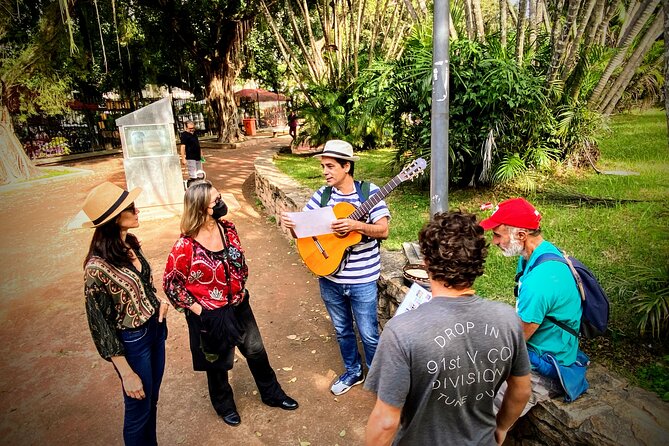
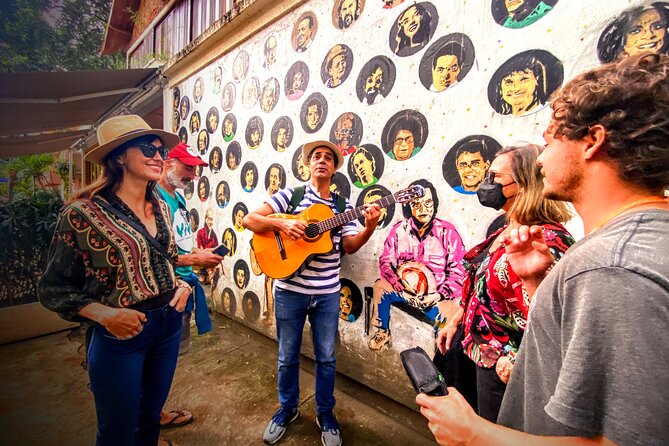
A walking tour can become a slideshow with legs. This one avoids that trap by building the format around sound. Every main stop includes a live guitar performance, so you’re not just learning titles and timelines. You’re hearing the melodies while the guide points to the surrounding streets and landmarks.
That matters because bossa nova is built for mood. The timing, the phrasing, the way a song flows, it all helps you understand why these neighborhoods became such a big stage. When the guitarist plays on the spot, the place feels connected instead of random.
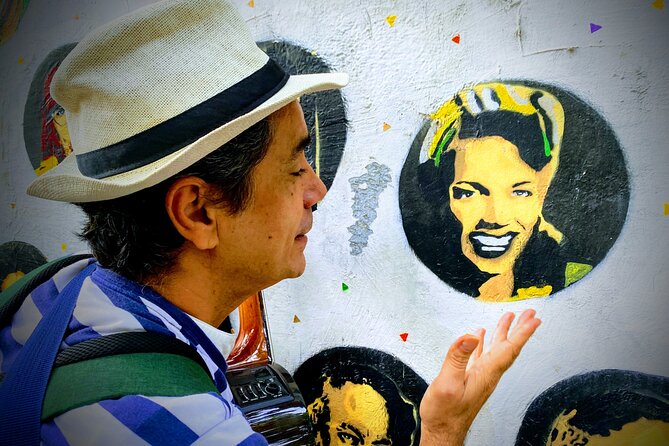
The guide aspect is also important. In the kind of tour where someone reads history off a script, you can tune out. Here, the vibe is more like a music lesson with stories, led by a guide-musician pair. In the reviews, the guide name you’ll hear most is Gui Guimares, and people mention him teaching the history through songs and conversation, not lectures. One review even calls out a standout detail: the guitarist plays on a guitar made in Grenada, Spain.
If you like music but you’re not a total bossa nova encyclopedia, you’ll still be okay. The tour is designed to be understandable even if you’re just curious. You don’t need to know every name before you arrive.
You can also read our reviews of more walking tours in Rio de Janeiro



Your 3-hour route: where the walk starts and ends
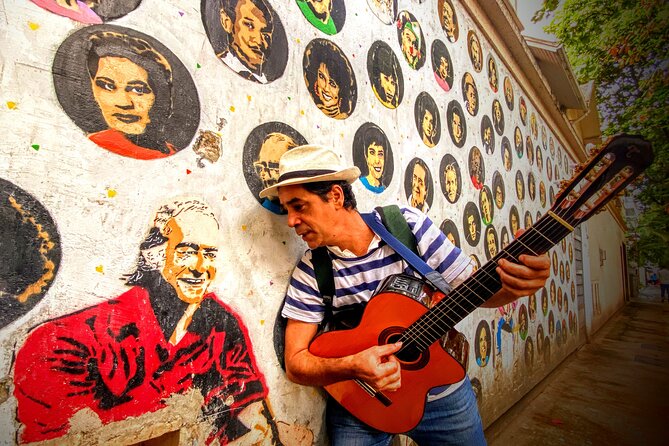
This is a compact tour in time and distance. Expect about 3 hours of walking with short stop talks. The stops are spaced so you get breaks for listening, not constant standing.
You’ll start at Nossa Senhora da Paz / Ipanema, in the Ipanema area. The meeting location is listed as Ipanema, Rio de Janeiro – State of Rio de Janeiro, 22411-001, Brazil. You’ll end at Restaurante e Bar Garota de Ipanema, on R. Vinícius de Moraes, 49 – Ipanema, right near the corner with Prudente de Morais.
That end point is handy. It puts you back in the Garota de Ipanema zone after the tour, so you can keep it easy afterward. Since transport isn’t included, you’ll probably appreciate having the tour finish near places you can reach by foot or public transit.
Also note the practical timing: each stop talk is short—often around 15 to 20 minutes—so you won’t lose the group to snack breaks or long museum detours. It’s more of a stroll-with-stories than a marathon.
One more reason to book early: the tour is commonly reserved about 23 days in advance. It’s not just a random add-on that always has space.
Stop-by-stop: what you’ll learn at each landmark
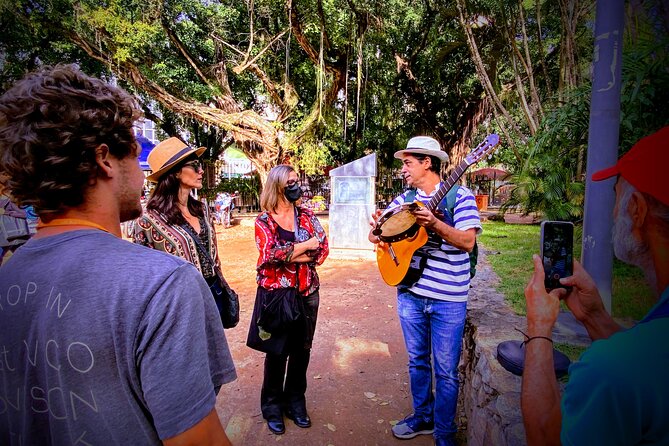
The tour is structured around places tied to Brazilian music names you’ll recognize if you’ve heard even a few classic tracks. Each stop includes an explanation and a live guitar performance, and the admissions at the listed stops are marked free.
Stop 1: Praca Nossa Senhora da Paz
You begin with a welcome talk and a briefing on the history of Brazilian music, then a live guitar performance. This first stop matters because it sets the tone. You’re learning the “why” behind what you’ll see next.
You’ll get an early sense of how the guide connects people, sound, and location. And because the first performance happens immediately, it helps you calibrate your listening. Instead of waiting for a highlight later, you hear the style from the start.
Drawback to plan for: the opening stop is early in your attention span. If you’re already tired from travel, arrive with enough energy to actually listen for the first performance.
Stop 2: Praca General Osorio and the Hippie Fair link
Next comes Praca General Osorio. Here the guide explains the Hippie Fair and how it ties into the broader bossa nova moment. Then you get another live guitar set.
This is a smart choice for context. Music scenes don’t grow in isolation. They come from street life, markets, gatherings, and everyday culture. By bringing you to a place associated with public life, you can understand why new sounds can spread fast when people are out and mixing.
If you go at a time when the fair atmosphere is less visible, the guide’s explanation still gives the missing layer. You’re not just walking past a location; you’re getting the connection.





Stop 3: Copacabana Beach and the bossa nova spillover
Then you head to Copacabana Beach. The talk focuses on how Copacabana was important for the bossa nova movement, followed by live guitar.
Even if you already know Copacabana as a famous beach, the tour asks you to look at it differently: as a cultural stage, not just a postcard. The guide’s job is to show how the sound and the scene could align. When you hear the music while you stand near the coastline, the mood of the songs makes more sense.
Potential consideration: Copacabana can feel busy and exposed. If the sun is strong, you’ll want sunscreen and a hat so you can concentrate on the performance.
Stop 4: Estatua de Dorival Caymmi
The next stop is the Estatua de Dorival Caymmi. Here the guide connects music from Bahia to bossa nova, with live guitar again.
This stop adds variety to the story. It nudges you to think beyond one neighborhood and one era. Instead, it treats bossa nova like a living thread influenced by other Brazilian musical roots.
The practical side: statue stops are usually easy visually. You can take photos, but keep some attention on the explanation. The guide’s point here is the connection, not just the monument.
Stop 5: Parque Garota de Ipanema
At Parque Garota de Ipanema, you’ll hear about the Girl from Ipanema and its link to the music, plus another live performance.
This stop is for anyone who has ever associated Ipanema with a specific song image. The phrase alone is enough to spark curiosity, and the guide turns that curiosity into a cultural explanation tied to the bossa nova vibe.
One useful strategy: watch how the guide frames the idea of the girl from Ipanema, then listen to the guitar with that framing in mind. You’ll catch details you might miss when you only think of the song as a catchphrase.
Stop 6: Estatua de Tom Jobim
Next is Estatua de Tom Jobim. The guide explains Antonio Carlos Jobim and you’ll hear live guitar again.
This is a centerpiece name. Jobim sits at the heart of the bossa nova sound people love. With this stop, the tour likely reinforces the big thematic links between composer, melody, and the Rio setting.
From a pacing standpoint, this is a good point mid-tour to let the story sink in. After several stops, you start to recognize what each new landmark is meant to add.
Stop 7: Casa de Cultura Laura Alvim
Your final stop is Casa de Cultura Laura Alvim. The guide explains who Laura Alvim is and why she matters to Brazilian culture and music, then closes with guitar performance.
This ending works well because it expands the “music only” view. Instead of stopping at the famous composers, you finish at a cultural space connected to the broader arts scene. It helps you understand that bossa nova is part of a larger creative ecosystem.
Timing-wise, it’s also one of the shorter talks, so you end feeling satisfied rather than drained.
Who should book this tour (and who might not love it)
This is a great fit if you want:
- Music plus place in the same package
- A small group and a guide who tells the story while playing
- A walk that’s paced for listening, not rushing
It’s also a good option for couples and solo travelers. The format feels social without being loud.
You might not love it if:
- You hate walking or standing for music explanations
- You prefer silent sightseeing and don’t want to stop at multiple landmarks in a row
- You’re looking for a major museum-style experience with indoor time (this is mostly outdoors)
The tour’s cap of 8 travelers is part of the appeal. It prevents the “herd of headphones” effect you sometimes get on group tours.
Price value: what $48 buys you in Rio terms
The price is $48.03 per person for about 3 hours. That’s roughly $16 per hour, but the more important part is what’s included.
You’re paying for:
- A tour guide
- Live guitar performance tied to the stops
You’re not paying for transport, entry fees, or a meal. That keeps the cost tied to the core experience: storytelling plus sound. Since admission is marked free at the listed stops, you’re not getting hit with museum ticket surprises.
So your “total day cost” depends on what you do before and after. Since food and water aren’t included, build in a small buffer for a drink break. That’s not a dealbreaker. It just means you’re responsible for your comfort.
What to bring and how to handle the outdoor walking
Because it’s a walking tour with weather sensitivity, go prepared. The experience requires good weather, and if it’s canceled for poor weather you’ll be offered a different date or a full refund.
On a sunny Rio day, that means:
- Sunscreen and a hat (you’ll be exposed at beach-adjacent stops)
- Comfortable shoes you can stand and walk in
- Your own water or a plan to buy a refill (since water isn’t included)
- A light layer if the evening air gets cooler
Also keep an eye on how you arrive at the start. It’s listed as near public transportation, so you can plan on using transit rather than counting on included transport.
For timing: the tour is roughly 3 hours, with a few 15–20 minute segments. If you schedule another activity right after, leave buffer time so you’re not sprinting across Ipanema while the music is still in your head.
Practical nitpicks that help you enjoy it more
- Listen early: the opening talk sets your understanding for everything that follows.
- Bring a little curiosity: even if you only know a few names, the guide’s job is connecting them to places.
- Ask questions during the stops: the small group format makes it easier to get answers.
- Expect photos, but don’t let your camera take over the moment. The guitar performance is the point.
If you’re the type who likes to learn while you walk, this tour clicks. It’s not “look, don’t think.” It’s more like “hear it, then see it.”
Should you book this bossa nova walking tour?
I’d book it if you want a music-first Rio experience that’s still grounded in real neighborhoods. The biggest strength is the consistent live guitar pairing with the stop explanations. That turns bossa nova into something you can feel in context, not just something you memorize.
I’d skip it if you’re only after a long list of sights and you hate structured listening time. You’ll be stopping often, and the format asks you to stay present during short talks.
One last reason to consider it seriously: the overall rating is 5/5 with 48 reviews, and the feedback pattern is clear—people love the guide-musician storytelling and the sense that bossa nova feels alive and active in Rio. If you’re even loosely interested in Brazilian music, this is the kind of tour that makes the city sound like itself.
FAQ
How long is the Bossa Nova Walking Tour?
It runs for about 3 hours.
What does the tour cost?
The price is $48.03 per person.
Where does the tour start and end?
It starts at Nossa Senhora da Paz / Ipanema, Rio de Janeiro, and ends at Restaurante e Bar Garota de Ipanema at R. Vinícius de Moraes, 49, Ipanema (near the corner with Prudente de Morais).
Is transport included?
No. Transport is not included.
What’s included in the tour price?
Your ticket includes a tour guide and live guitar musician performance.
What is not included?
Food, drinks, and water are not included.
Is admission required at the stops?
Admission is listed as free for the tour stops.
How many people are in the group?
The tour has a maximum of 8 travelers.
What’s the cancellation policy?
You can cancel for a full refund up to 24 hours before the experience starts. The tour requires good weather, and if it’s canceled due to poor weather, you’ll be offered a different date or a full refund.