
REVIEW · RIO DE JANEIRO
Historical Downtown and Lapa – Walking Tour
Book on Viator →Operated by Rio by Foot - Tours · Bookable on Viator
Rio tells its story at walking speed. This Historical Downtown and Lapa walking tour strings together iconic streets and museums, then lands you at one of Rio’s most memorable photo stops, all with a guide who’s happy to answer your questions.
I especially liked two things: the admission tickets included for the Biblioteca Nacional and the Museu Nacional de Belas Artes / WWII memorial stop, and the way the guide turns sidewalks into a real sense of Brazil’s political timeline. If you get guides such as Rafael or Juliana, the energy and backstory feel made for first-timers and history fans.
One consideration: the tour may not run if the minimum number of participants is not met, and that can be a problem if you’re on a tight schedule. If your time in Rio is short, I’d keep a Plan B day in mind.
In This Review
- Key highlights to look for
- Why this walking tour feels like the real Rio
- Starting at Praça Floriano and finishing near Praça Quinze de Novembro
- Biblioteca Nacional: when a building becomes a time machine
- Museu Nacional de Belas Artes (and the WWII memorial stop): culture with moral weight
- Avenida Rio Branco: the grand boulevard walk
- Escadaria Selarón: the landmark that earns the crowds
- The Republic stop: a quick pass with context
- Feira da Praça XV: market energy, but plan for your own food
- How the guide makes this tour worth more than the sum of stops
- Pace, group size, and what to wear
- Value: what your $40 buys you (and where it doesn’t)
- Who this tour is best for
- Should you book the Historical Downtown and Lapa Walking Tour?
- FAQ
- How long is the walking tour?
- What does the tour cost?
- Are admission tickets included?
- Is food and drinks included?
- Where do I meet the tour, and where does it end?
- How many people are in the group?
- What’s the cancellation window?
Key highlights to look for

- Ticketed museum stops: Biblioteca Nacional plus Museu Nacional de Belas Artes / WWII memorial area are included.
- Escadaria Selarón photo payoff: you’re walking to a major visual landmark, not just seeing it from afar.
- A guide with time for questions: expect lots of talk about Brazil’s political history.
- Small group size: capped at 20 people, so it’s easier to ask follow-ups.
- Easy pacing with brief breaks: at least one reviewer called out a quick bathroom break and drink refill.
Why this walking tour feels like the real Rio

This isn’t a sit-and-stare bus tour. You’re moving through Rio’s Centro at a human pace, with stops chosen for what they say about the country, not just what they look like on postcards.
The structure is simple: you start in the historic core, visit major cultural institutions (with tickets handled), take a longish boulevard walk, then work your way toward Lapa/Santa Teresa territory where Escadaria Selarón steals the show. Along the way, your guide ties the buildings and streets to what’s happened in Brazil politically and culturally over time.
If you like learning while you walk, you’ll get more from this than from a purely visual route. And if you’re traveling with parents or anyone who wants context for the sites (instead of another round of “look up!”), this style usually lands well.
You can also read our reviews of more walking tours in Rio de Janeiro



Starting at Praça Floriano and finishing near Praça Quinze de Novembro
You’ll meet at Praça Floriano, 1 – Centro (20031-050) and end at Praça Quinze de Novembro – Centro (20010). That start-to-finish setup is handy: it keeps you in the same general neighborhood for most of the trip, then lets you finish close to another hub for continuing your day.
The tour runs for about 3 hours. That’s long enough to cover meaningful ground, but short enough that you’re not locked into your whole afternoon. It’s also a good pairing with a later neighborhood wander, since you end in the Centro area rather than somewhere far outside the city core.
One extra practical note: it’s listed as near public transportation, so if you need to adjust your plan, you’re not stuck far from transit.
Biblioteca Nacional: when a building becomes a time machine
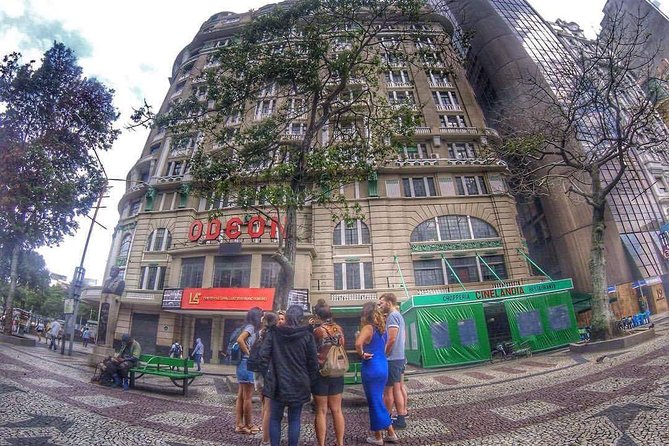
The first real “wow” stop is the Biblioteca Nacional (25 minutes, admission included). Even if libraries aren’t usually your thing, this stop is built for first-time orientation. You’re stepping into a place that represents Brazil’s long relationship with documents, knowledge, and public culture.
The time here isn’t meant to turn into a long museum day. It’s more like a focused introduction: you’ll walk into the idea of why this kind of institution matters, and you’ll get context you can carry with you as you move to the next sites.
Why I think this stop is valuable: it gives you a baseline. After you’ve seen the library’s role in shaping public life, the rest of Centro’s landmarks start to feel less random and more connected.
Museu Nacional de Belas Artes (and the WWII memorial stop): culture with moral weight
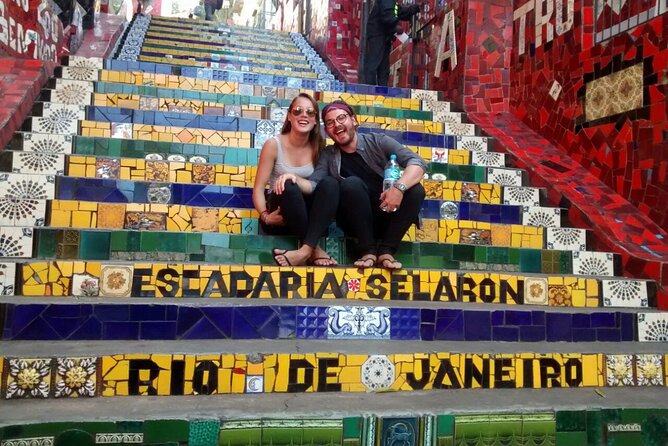
Next is the Museu Nacional de Belas Artes area, plus the listing includes the National Monument to the Dead of the Second World War (15 minutes, admission included). That mix is interesting because it shifts you from art and culture to remembrance and collective memory.
Fifteen minutes doesn’t sound like much, but this is one of those “brief stop, big meaning” segments. Your guide’s narration does most of the work here—helping you see what you’re looking at and why it’s placed in this part of the city.
This is a good moment in the tour for anyone who likes their history with a side of reflection. It also helps break up the walk so you’re not just covering architecture and street corners for the entire 3 hours.
Avenida Rio Branco: the grand boulevard walk
Then you move onto Avenida Rio Branco (walk segment, about 20 minutes). This kind of central boulevard is where a city shows its self-image—wide roads, major façades, and the sense that the street itself has been a stage for civic life.
Avenida Rio Branco works well inside a walking tour because you can look at one building at a time instead of speeding past it. The guide can also connect what you’re seeing to the bigger political and cultural story you’ve been hearing since the first museum stop.
Tip: wear shoes you trust. You’re not doing a marathon, but 20 minutes of boulevard walking adds up when you stack it with multiple shorter segments.
You can also read our reviews of more historical tours in Rio de Janeiro






Escadaria Selarón: the landmark that earns the crowds
After the institutional stops, you get to Escadaria Selarón. This is the one you’ll hear people mention before they even tell you what the tour includes.
Here’s the thing: it’s easy to think of Escadaria Selarón as just a famous staircase. Your guide’s job is to make it feel more grounded—why it’s in this location, what it represents, and how it connects to Rio’s neighborhood identity and street-level creativity.
It also gives you the best payoff for photos without requiring a long detour. You’ll likely spend enough time to take pictures and still listen to the commentary.
One practical consideration: this is a photo hotspot, so expect people around. Go with patience, and use the time to watch how locals and other visitors move through the space.
The Republic stop: a quick pass with context
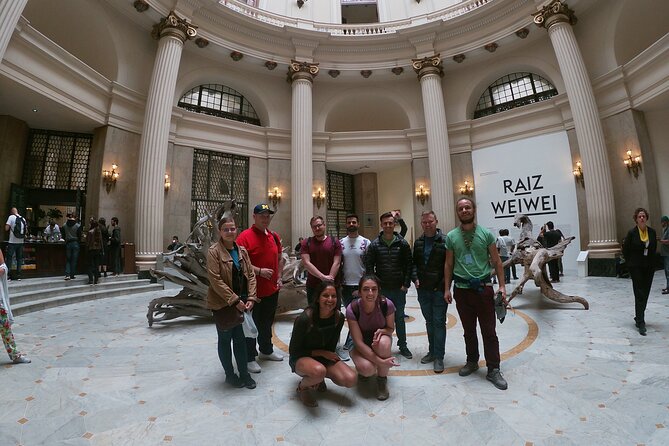
The itinerary includes a stop simply labeled the Republic. You shouldn’t expect a full museum deep-dive here based on the way the tour is paced, but it still matters as a threading point between places.
This is where the guide’s narrative style really shows. When your route includes a label like this, it usually means your guide is connecting something in the built environment to a broader political shift. If you like history, this kind of stop can be a turning point: it can make earlier landmarks feel like chapters, not random stops.
If you want the most out of this section, don’t be shy about asking questions. This tour is set up for that.
Feira da Praça XV: market energy, but plan for your own food
You’ll also stop at Feira da Praça XV (15 minutes, admission ticket not included). This is the “street life” flavor of the itinerary—an opportunity to see a market setting in the historic center.
A couple things to keep in mind:
- Food and drinks are not included on the tour.
- Any snacks you want are on you.
- Based on one reviewer’s experience on a Saturday, market activity can add energy to the walk.
So go into this stop with a light plan. If you’re hungry, either bring water/snacks if allowed by the local situation or grab something nearby after the tour ends. The tour does include a bit of time that can work for quick breaks, like bathroom and drink refills, but it’s still not a full meal stop.
How the guide makes this tour worth more than the sum of stops
The real strength of this tour is how the guide uses your route like a classroom. You’re not just learning names of buildings—you’re getting explanations you can use to read Rio as you continue exploring on your own.
Two themes come up again and again:
- Brazil’s political history: the guide is specifically positioned to take your questions on politics and historical change.
- Practical orientation: guides often offer suggestions for what to do next and where to eat, which can save you time later.
That Q&A feel is a big deal when you’re traveling. If you’ve ever left a landmark with questions but no place to ask them, this style solves that problem.
And if you care about storytelling style, pay attention to which guide you get. Names that came up include Rafael and Juliana. One reviewer described Rafael as friendly, safety-minded, and quick to answer questions, while another highlighted Juliana’s high energy and bilingual delivery (English and Portuguese).
Pace, group size, and what to wear
This tour caps at 20 travelers, which helps keep the route comfortable and makes it easier to hear your guide without constantly turning your head.
The walk is about 3 hours, and one reviewer measured it at roughly 3 miles at a steady pace. That means it’s not a sit-down tour, and it’s not designed for a leisurely stroll where you pause for every storefront. You’ll get breaks, but you’ll also keep moving.
What I’d wear:
- Comfortable walking shoes with grip.
- Light layers. Rio weather can swing, and outdoor tours feel it.
- Sunglasses and water planning, especially if it’s sunny.
Also, since it’s listed as near public transportation, you can usually adapt if someone in your group needs to step away briefly—though you’ll want to stay with the group for the narration.
Value: what your $40 buys you (and where it doesn’t)
At $40 per person for about 3 hours, the value here comes from the ticketed cultural stops and the guided context.
Admission tickets are included for:
- Biblioteca Nacional
- Museu Nacional de Belas Artes (and the WWII memorial stop)
That matters because museum entry fees add up. More importantly, it stops you from wasting time at ticket counters while you’re supposed to be learning.
What’s not included:
- Food and drinks
- Hotel pickup and drop-off (unless you selected a pickup option, which is not indicated as included by default)
- Admission for Feira da Praça XV (listed as not included)
So you should budget for at least a snack and water refill, and plan your day around the tour rather than expecting it to handle meals.
If you’re traveling on a tighter budget and you still want a “real Rio” history angle, this is a strong deal. It’s not a bargain by price alone; it’s a bargain because it’s built to prevent wasted time on confusing sightseeing.
Who this tour is best for
This one fits best if you:
- Love history and want it explained while you walk.
- Want a first-timer orientation that goes beyond the usual top hits.
- Prefer small-group experiences and Q&A time.
- Are okay with a moderate walking pace over a few hours.
It’s also a good fit for multi-generational trips. One reviewer did the tour with parents and described it as ideal because it delivered structure and cost control without sacrificing cultural depth.
If you’re the type who hates being inside museums or doesn’t want any political discussion, you might find the tone a bit “classroom-like.” But if you’re curious, that’s exactly the point.
Should you book the Historical Downtown and Lapa Walking Tour?
I’d book this tour if you want your Rio day to feel organized and meaningful. The combination of ticketed museums, a boulevard walk, and Escadaria Selarón gives you three kinds of sightseeing in one go: institutional, civic, and street-level.
I’d think twice if your itinerary is extremely tight and you can’t handle any risk of a last-minute cancellation due to minimum participant numbers. In that case, keep a backup plan for another Centro activity.
Also, remember it’s not a food tour. Plan for snacks and hydration on your own, and you’ll get a smooth, enjoyable 3-hour history walk.
FAQ
How long is the walking tour?
The tour lasts about 3 hours.
What does the tour cost?
It costs $40.00 per person.
Are admission tickets included?
Admission tickets are included for the Biblioteca Nacional and the Museu Nacional de Belas Artes / WWII memorial stop. Feira da Praça XV is listed as not including an admission ticket.
Is food and drinks included?
No. Food and drinks are not included.
Where do I meet the tour, and where does it end?
You meet at Praça Floriano, 1 – Centro, Rio de Janeiro, and the tour ends at Praça Quinze de Novembro – Centro.
How many people are in the group?
The tour has a maximum of 20 travelers.
What’s the cancellation window?
You can cancel for a full refund up to 24 hours in advance of the experience start time.