
REVIEW · RIO DE JANEIRO
Rio De Janeiro: SUGARLOAF MOUNTAIN HIKE & CLIMB
Book on GetYourGuide →Operated by Andre Rio Climbing Instructor · Bookable on GetYourGuide
Climb Sugarloaf Mountain the hard way. I love that this is a real Pão de Açúcar adventure with safety gear, guided step-by-step by Andre. You also get the kind of Rio views people chase for a day, but you earn them with sweat, rocks, and even a chance to spot monkeys along the route.
The two best parts for me are the rope-and-gear approach that lets you climb without prior experience, and the small-group pace that keeps you moving without feeling rushed. One consideration: this is steep, and you need a good fitness level plus a head for heights during the rocky sections.
In This Review
- Sugarloaf Mountain, Done as a Real Hike-Climb (Not a Cable-Car Stroll)
- Key Moments That Make This Tour Worth Your Time
- Starting at Urca: The Warm-Up Hike Before the Rocks
- The Nature Reserve Path: Where the Trail Gets Real
- The 20-Meter Vertical Wall: Short, Intense, and Fully Guided
- The Final Steps to the Summit: Views Show Up Fast
- Copacabana and Guanabara Bay From Above: Why the Climb Changes the View
- How Long Is This Really? Your 4-Hour Plan in Real Life
- Cable Car Return: Walk Down If You Want the Full Experience
- What to Bring So You Don’t Hate Yourself at 2,000 Feet
- Gear and Equipment: What’s Included vs What You Must Add
- Price and Value: Is $60 a Good Deal for Sugarloaf?
- Who Should Book This (and Who Should Skip It)
- Should You Book the Sugarloaf Mountain Hike-Climb?
- FAQ
- Do I need climbing experience for this Sugarloaf Mountain climb?
- How long is the tour?
- How big is the group?
- What languages does the instructor speak?
- Is there a minimum age?
- What should I bring?
- Are sandals or flip flops allowed?
- Is the cable car included for the way back?
- Can hotel pickup be arranged?
Sugarloaf Mountain, Done as a Real Hike-Climb (Not a Cable-Car Stroll)
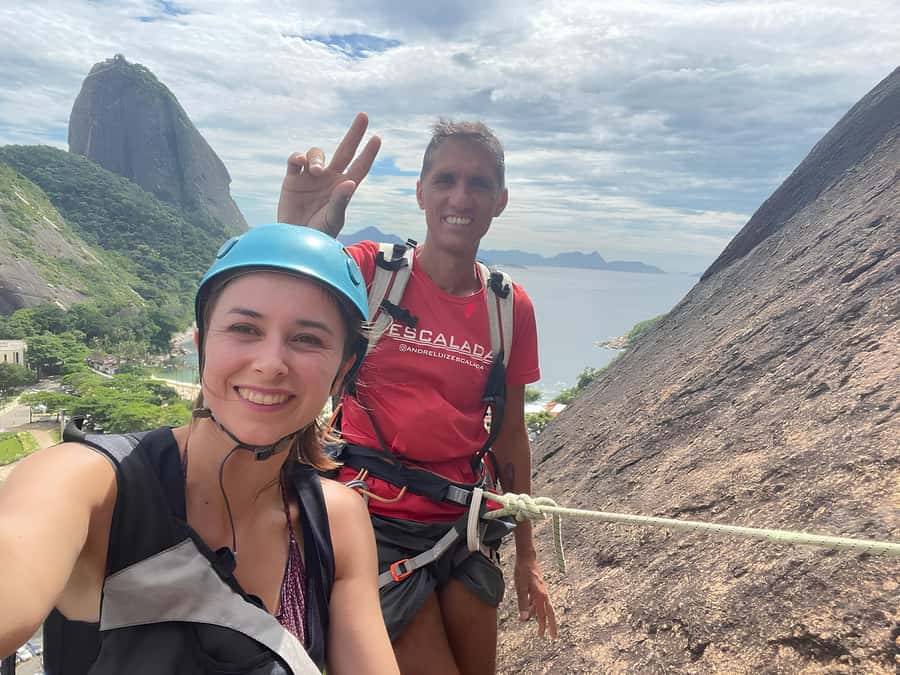
This tour is built around effort, not shortcuts. You start on foot near Urca (the Sugarloaf area), work through a nature reserve feel, and then finish with that iconic climb that most people only see from below. The bonus is that it doesn’t feel like just reaching a viewpoint. It feels like earning the viewpoint.
You’re not just “going up.” You’re hiking, scrambling on a challenging path, and then handling a short but serious vertical section with climbing equipment and an experienced instructor. That mix is why the day feels special in the Rio context, where it’s easy to get stuck doing the obvious stuff only.
And yes, it’s meant for beginners. You don’t need climbing knowledge, but you do need to be comfortable following directions and trusting the safety setup.
Key Moments That Make This Tour Worth Your Time

- Small group (max 5): more attention, less waiting, smoother pacing.
- Rope-assisted challenge: a big 20-meter vertical wall you tackle with guidance.
- Nature reserve walking: a narrow, rocky path with tropical plants and careful footing.
- Summit payoff: sweeping views over Copacabana and the Bay of Guanabara.
- Monkey spotting chances: the trail can come with wildlife moments.
- Andre’s safety-first style: calm coaching, motivation, and support if you feel nervous.
You can also read our reviews of more hiking tours in Rio De Janeiro



Starting at Urca: The Warm-Up Hike Before the Rocks
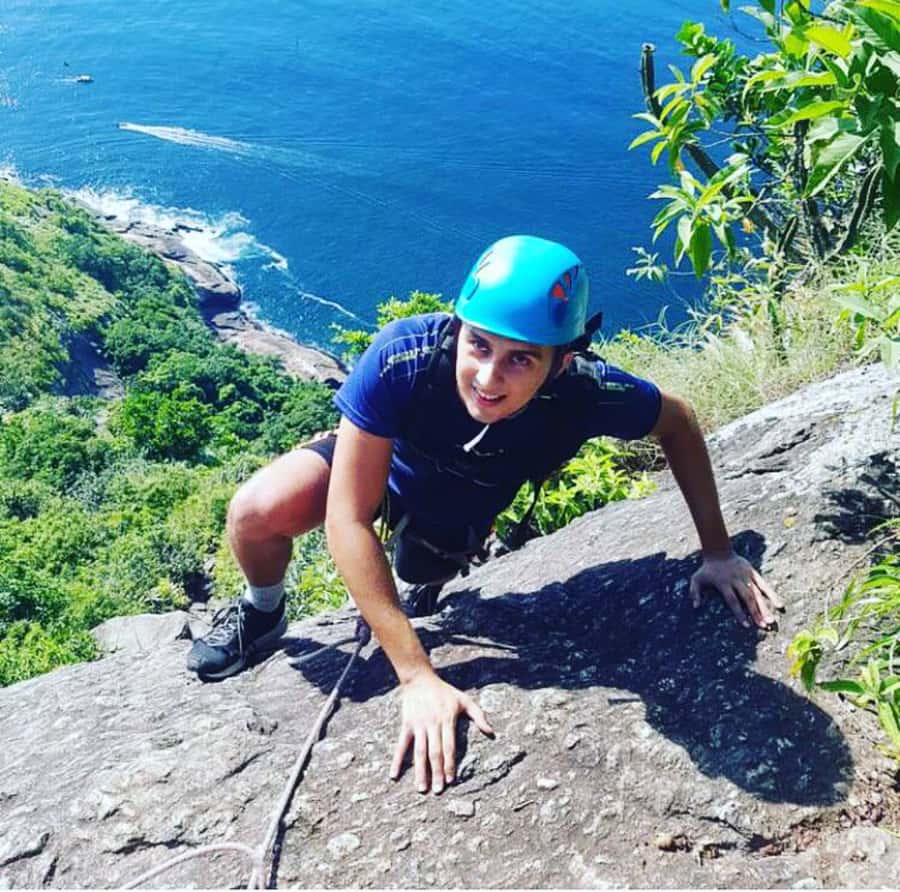
The day begins with a hike in Urca, at the foot of Sugarloaf Mountain. This part matters more than you might think. It gets your legs working, you learn the rhythm of the group, and you settle into “trail mode” before the climbing portion.
Then the route shifts down a narrow, challenging path through the nature reserve. You’ll pass tropical plants, and the path has sections where you need safe, careful steps along the rocks. This is where good shoes show their value.
Practical note: if you’re thinking you’ll just stroll for 20 minutes and then climb, adjust that expectation. This is a hiking-and-climbing experience from the start.
The Nature Reserve Path: Where the Trail Gets Real
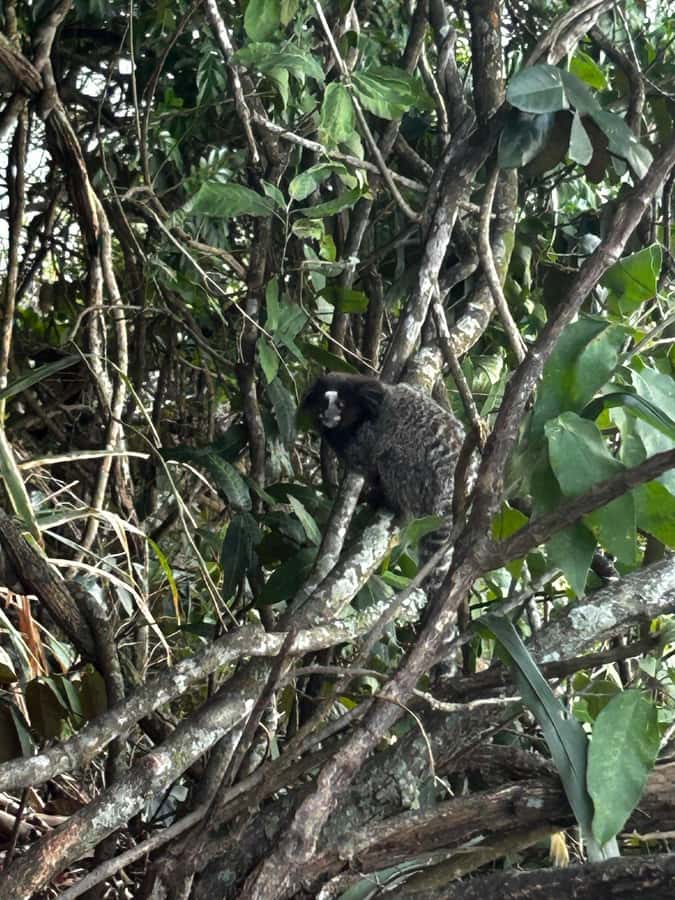
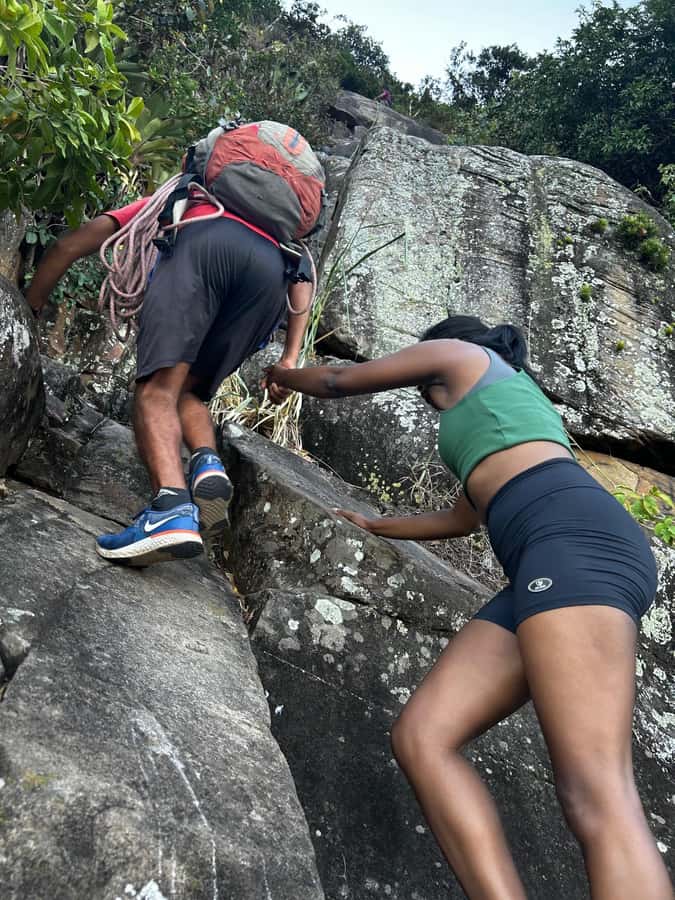
After that first section, the trail keeps building. The path continues upwards through rocky passages, and you’ll work through portions that can feel steep and exposed.
This is also where your “head for heights” comes into play. Even if you’re not doing the rope segment yet, you’ll still be on terrain where a slip would be a problem. You’ll want to keep your focus on foot placement and listen for Andre’s guidance on where to put hands and feet.
The good news? The tour is designed so you’re not left alone. Andre works with you through the route and keeps things grounded in practical movement, not theory.
The 20-Meter Vertical Wall: Short, Intense, and Fully Guided

Here’s the centerpiece: a biggest challenge section that’s about a 20-meter vertical wall. That sounds intimidating because it is. But the important detail is that you’re not doing it as a free solo. You climb with equipment, and you’re guided by an instructor who knows how to get beginners through the hard parts.
What you can expect during this portion:
- Equipment support for the vertical section
- Step-by-step coaching so you’re not guessing
- Assistance if you’re hesitant or afraid
One of the most reassuring themes in the experience is that Andre keeps a security-first mindset. People describe feeling safe, even if it’s their first real outdoor climbing. And while the rock climbing segment isn’t very long in total time, it can feel like a lot when you’re already a bit tired from the hiking. So pace yourself earlier in the day.
The Final Steps to the Summit: Views Show Up Fast
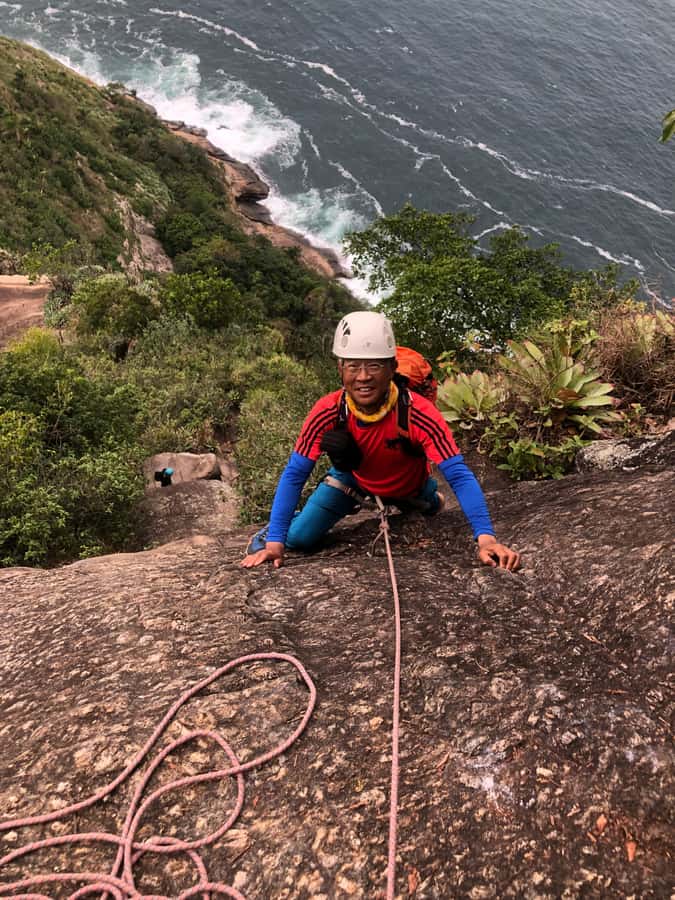
After you clear the major vertical challenge, you still have a few last meters to the summit. This is where your effort starts paying you back immediately.
Once you reach the top area, you get the big view: Copacabana and the Bay of Guanabara spread out in front of you. This is the moment most people came for—and climbing it on foot makes the view feel more personal than simply riding a lift.
Another smart detail: if weather holds and you start early, you may find you’re not stuck fighting a sea of other tourists at the top. Some schedules can get you to the summit before the biggest crowds arrive, which turns the view into something calmer.






Copacabana and Guanabara Bay From Above: Why the Climb Changes the View
From up there, Rio looks different. You see why Sugarloaf is more than a landmark. It’s a viewpoint that frames the city’s coastline and water in a way the beach-level photo never quite captures.
What I like about earning this view is the sequence. First you earn it with hiking steps and careful footing. Then you earn it again through that vertical wall. By the time you stand at the summit, you’re not just looking. You’re registering the city.
And if you’re lucky, the trail can include wildlife moments—monkeys are on the radar during the hike portion.
How Long Is This Really? Your 4-Hour Plan in Real Life

The tour is listed as 4 hours. In practice, the day feels like a focused half-day: hike up to the challenging terrain, complete the rope-assisted climb, and then wrap things up with your return.
One helpful thing from real-world experience: the climb and hike don’t always land at the exact same start time for everyone. Andre reaches out to schedule it, so your day may feel slightly different than you expect based on a generic start.
Also, you should plan on moving steadily rather than treating it like a casual walk. Steep sections are part of the program.
Cable Car Return: Walk Down If You Want the Full Experience
Here’s where you get to decide your style. The tour does not include the cable car ticket for the return. That means you should be ready to walk back down if you’re okay with stairs-and-trail legs.
At least one real experience described a setup where Andre covers the first cable car down, and the rest is handled as downhill hiking. Still, don’t assume that’s always the case for every booking. The safe move is to have a plan for walking downhill, and pack accordingly (water, snacks, shoes with grip).
If you’re choosing between options, walking down often feels like part of the reward. You keep a connection to the trail you just climbed. But if heights tire you out or you’re pushing your limit, using the cable car can help you finish the day comfortably.
What to Bring So You Don’t Hate Yourself at 2,000 Feet
This is one of those tours where the “small stuff” matters. Bring items that keep you safe and comfortable through steep, rocky hiking and the climbing portion.
Bring:
- Sunglasses
- Food and drinks (snacks help)
- Sunscreen
- Comfortable clothes
- Sports shoes with good grip
- Sportswear
Avoid:
- Sandals or flip flops (seriously—this is not that kind of route)
- Pets (assistance dogs allowed)
- Alcohol and drugs
I also suggest carrying a small amount of water even if you think you’ll be fine. You’re out for around half a day, you’ll sweat, and the sun can be part of the challenge.
Gear and Equipment: What’s Included vs What You Must Add
The tour includes climbing and hiking guidance, plus certified climbing equipment. That means you’re not responsible for bringing rope gear or figuring out how it works.
What you still provide is your everyday essentials: footwear, sun protection, and fuel. And because you’re outdoors in Rio, you should assume the weather can change how “grippy” the rocks feel.
One real-world note from experience: on a day with messy weather overnight, the climbing still happened because the rock was dry enough. That tells you Andre watches conditions and aims to manage risk, not ignore it.
Price and Value: Is $60 a Good Deal for Sugarloaf?
At $60 per person for a 4-hour small-group hike-and-climb, this is priced like an activity, not like a view. But that’s exactly what it is: guided climbing + certified equipment + local expertise, with taxes and fees included.
The value comes from three places:
- You get the famous Sugarloaf challenge with real instruction (not just a hike guide).
- You climb with gear and a safety-minded approach, even without prior experience.
- You do it in a small group (up to 5), which tends to matter a lot when the terrain gets steep.
Your extra costs are mainly personal: drinks and snacks, and a possible cable car ticket if you decide you need it. Hotel pickup can be arranged on request, but it isn’t included by default.
If you’re the type who likes feeling “I did that,” this price feels fair for what you’re actually getting.
Who Should Book This (and Who Should Skip It)
This tour is not for everyone. Here’s the clearest fit based on the requirements.
You’ll likely love it if:
- You’re reasonably fit and can handle steep hiking.
- You have a head for heights and you can stay focused on your footing.
- You want a guided climbing experience without needing prior climbing skills.
- You prefer small-group, nature-and-adventure days over “stand in line” sightseeing.
You should think twice if:
- You have altitude sickness concerns.
- You have low fitness or struggle with steep terrain.
- You’re sensitive to heights during rocky sections.
- You’re under 18.
This also isn’t set up as a family tour. The minimum age is 18.
Should You Book the Sugarloaf Mountain Hike-Climb?
I’d book it if your Rio trip has room for one real adventure day. The combination of a challenging hike, a short but serious 20-meter vertical wall, and summit views over Copacabana and the Bay of Guanabara is a powerful package—especially with a guide like Andre who keeps the whole thing safety-first and beginner-friendly.
Skip it if you want a purely easy viewpoint day. This isn’t that. It’s steeper, rockier, and more demanding than the cable-car route. If that sounds like fun, you’ll probably leave feeling like you really did something.
FAQ
Do I need climbing experience for this Sugarloaf Mountain climb?
No. The tour is designed so you don’t need prior climbing knowledge, but you do need good fitness and a head for heights.
How long is the tour?
The duration is 4 hours.
How big is the group?
It’s a small group limited to 5 participants.
What languages does the instructor speak?
The instructor speaks Portuguese, Spanish, and English.
Is there a minimum age?
Yes. It’s not suitable for children under 18.
What should I bring?
Bring sunglasses, food and drinks, sunscreen, comfortable clothes, and sports shoes/sportswear.
Are sandals or flip flops allowed?
No. Sandals or flip flops are not allowed.
Is the cable car included for the way back?
No. A cable car ticket is not included for the way back, in case you don’t like to walk.
Can hotel pickup be arranged?
Hotel pickup isn’t included, but it can be arranged on request.