
REVIEW · RIO DE JANEIRO
Rio de Janeiro: Flamengo Museum Ticket Entrance
Book on GetYourGuide →Operated by Mude Administração de Museus Esportivos · Bookable on GetYourGuide
Flamengo history comes with a built-in wow factor. The Flamengo Museum at the club’s HQ in Gávea turns decades into something you can walk through—starting from the club’s early days and flowing into modern world football.
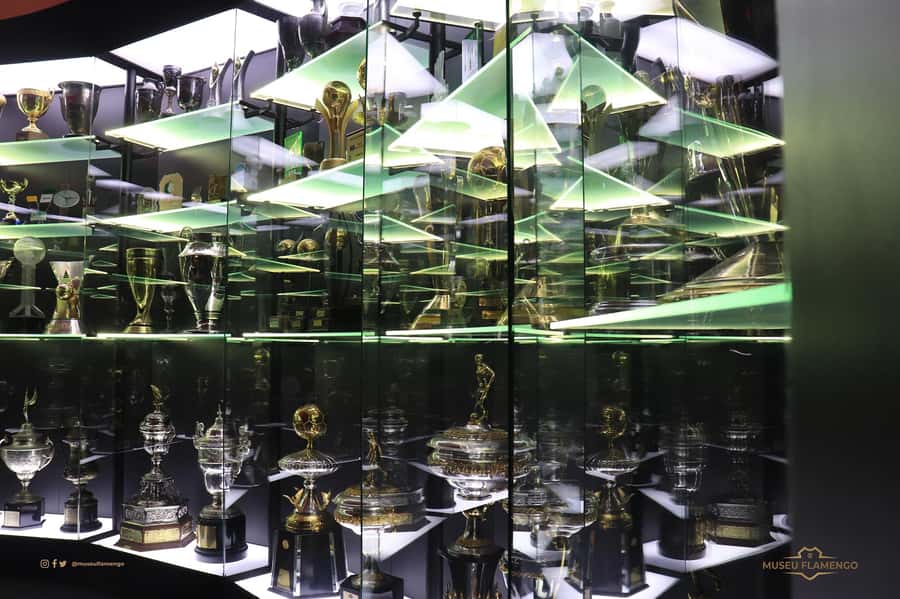
Two things I really like here: the trophy room spread across four floors, and the way the museum uses 14 themed sections with screens, sensory settings, and interactive moments to keep the story moving. A possible drawback: the rules are strict, so if you hate museum restrictions (no flash, no food, no smoking), plan your visit accordingly.
If you want a straightforward, one-day cultural stop that still feels like Flamengo culture, this is a strong pick. Just note it’s a museum ticket entrance (not a full tour of Gávea), and there’s no food included—so you’ll want to eat before or after.
In This Review
- Key highlights you’ll care about
- Where the Flamengo Museum fits in Rio (Gávea, not the tourist strip)
- What you’ll actually do inside: ticket entry + a guided-style digital route
- The story from 1895 to world football: how the museum builds momentum
- The trophy room across four floors (and how to pace it)
- The 14 themed sections: screens, sensory moments, and “Rubro-Negro” energy
- Multi-sport artifacts and preserved collection: more than match-day fame
- Museum rules that affect your comfort (read this before you go)
- Language help: digital guide in English, Spanish, Portuguese
- Price and value: is $18 worth it?
- Timing tips: choose a slot that matches how you like to move
- Who should book this ticket—and who might skip it
- Should you book the Flamengo Museum ticket entrance?
Key highlights you’ll care about
- Four floors of trophy viewing that you can pace at your own speed
- 14 themed sections that mix tech, interaction, and emotional storytelling
- A start-to-finish Flamengo timeline, from sailing-club roots (1895) to today’s football power
- Multi-sport club artifacts, idols, and carefully preserved items beyond football alone
- Digital guide in English, Spanish, and Portuguese to help you understand what you’re seeing
- Located at Flamengo’s headquarters in Gávea, south Rio de Janeiro, tied directly to club life
Where the Flamengo Museum fits in Rio (Gávea, not the tourist strip)
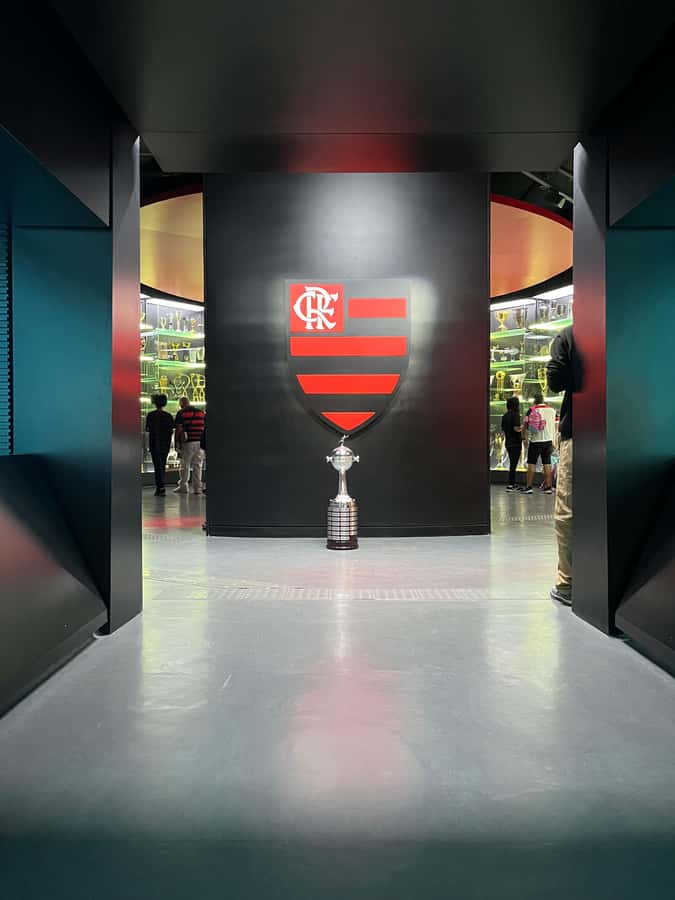
The Flamengo Museum is in Gávea, at the headquarters of Clube de Regatas do Flamengo. That matters because you’re not just seeing a building that happens to be themed like Flamengo—you’re visiting the club’s actual home base area, tied to everyday identity.
This is a good add-on for a day when you also want a calmer, more local-feeling neighborhood stop than the busiest Rio center. And because the experience is built around a self-paced route (with a digital guide), you don’t need to stack it around a complex schedule.
Time-wise, it’s listed as valid for 1 day, with starting times based on availability. So you can choose a slot that fits your heat level and energy—morning if you like to beat crowds, later if you prefer a slower start.
You can also read our reviews of more tours and experiences in Rio De Janeiro



What you’ll actually do inside: ticket entry + a guided-style digital route
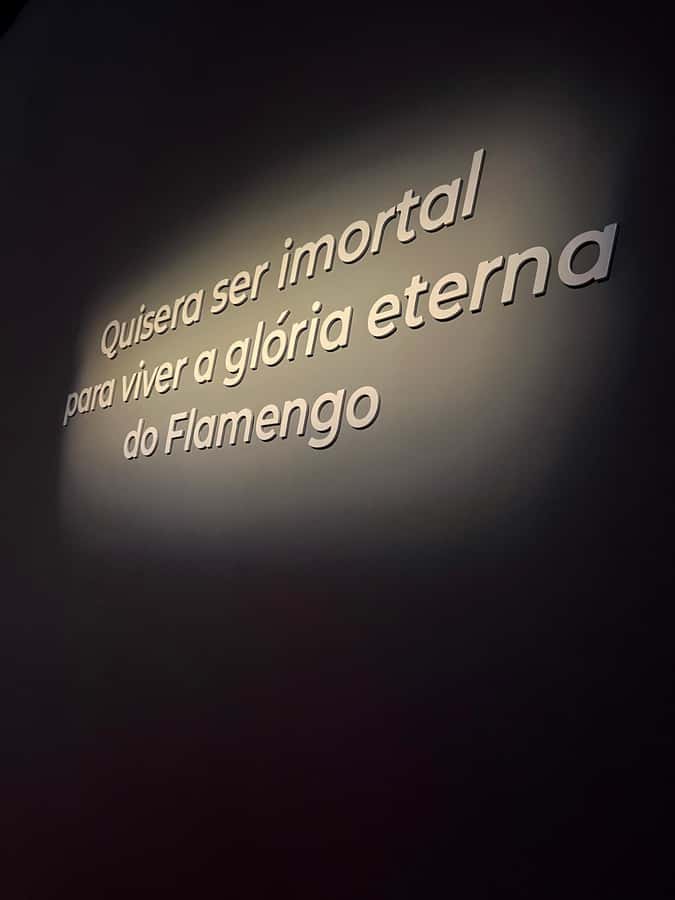
This experience is essentially a museum visit with a digital guide. You enter and follow the museum’s story structure, using the included Digital Guide to Experience in multiple languages (English, Spanish, Portuguese).
That’s a big deal for value. You’re not paying extra for a separate in-person guide, and you don’t have to rely on whatever signage you can read. The guide helps connect the objects and media to the Flamengo timeline, especially when the museum uses screens and sensory environments to tell the story.
You should also plan your expectations: this isn’t a quick photo stop. It’s built to make you spend time with moments—trophies, historical objects, and themed sections that are designed to make you feel the club’s big turning points.
The story from 1895 to world football: how the museum builds momentum
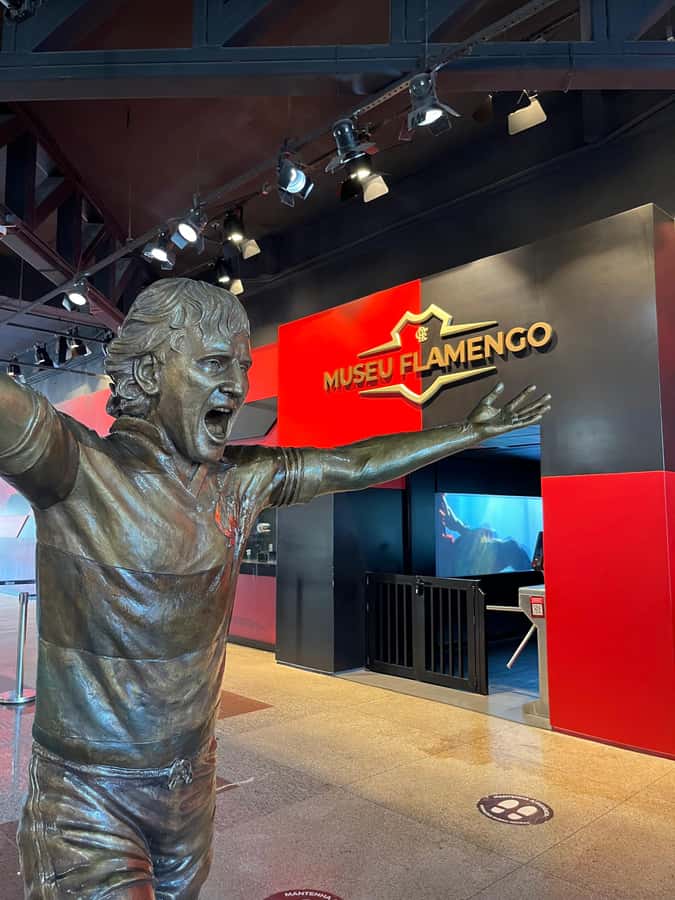
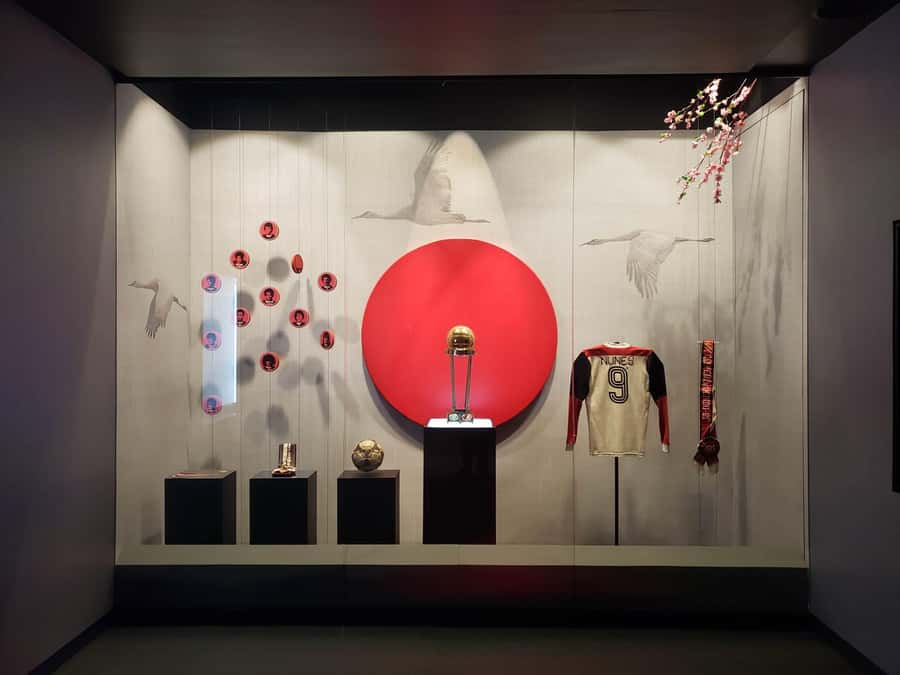
Flamengo didn’t start as a football giant. The museum traces the club’s path from its early days as a sailing club and then follows how it grew into a major force in world football.
That timeline is the heart of why the museum works. Many sports museums only show trophies and headlines. Here, the emphasis is on transformation: how Flamengo became Flamengo over generations, and how the identity expanded beyond one sport.
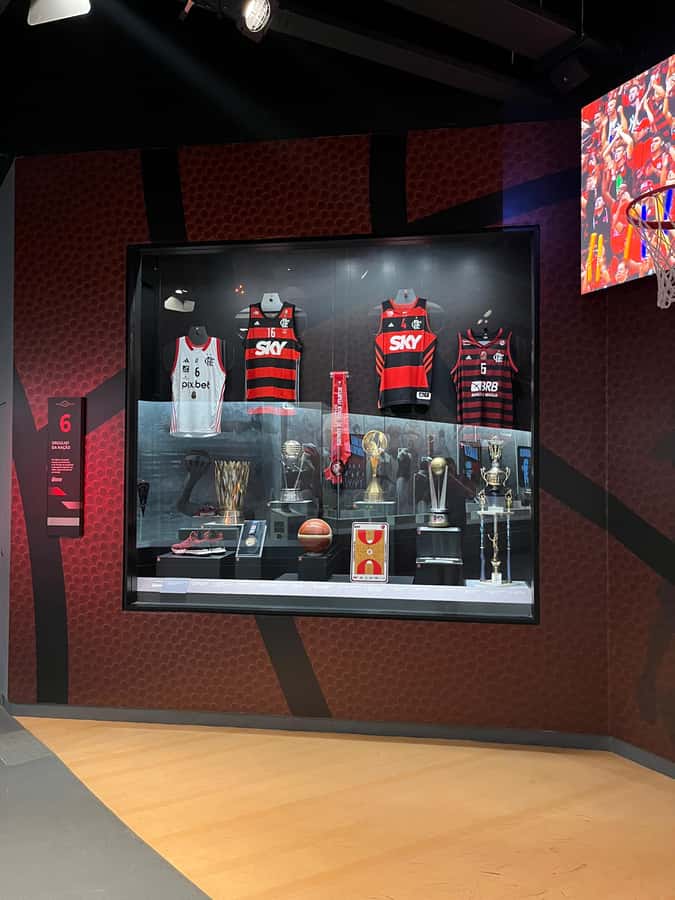
You also get a sense that the club’s culture lives in more than matches. The museum includes historical objects and references to idols from several sports, not just the most famous football era. If you like sports history that respects the whole organization, this gives you more than the typical one-team highlights.
The trophy room across four floors (and how to pace it)
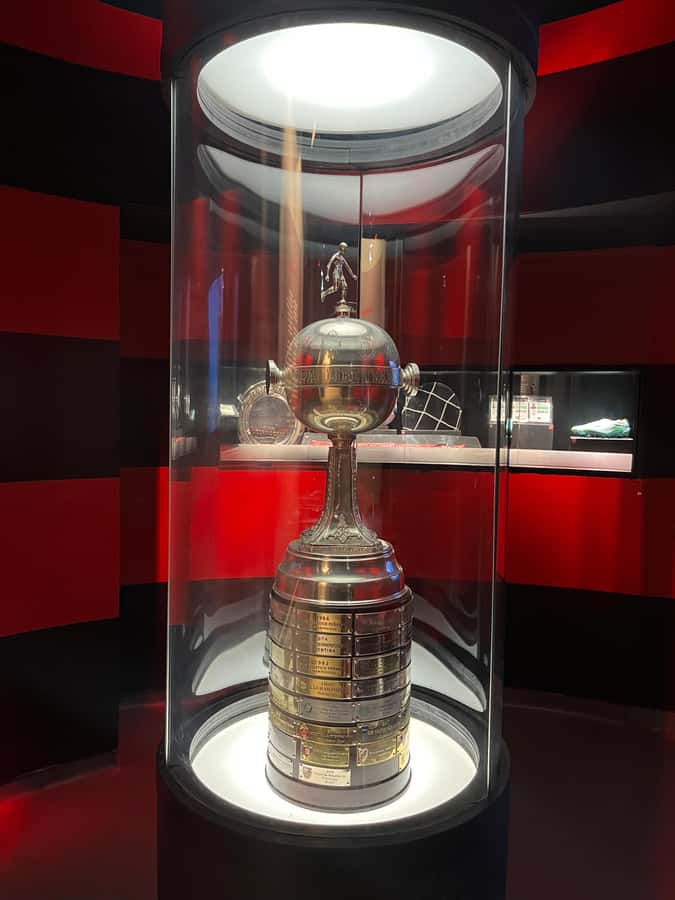
One of the most praised aspects is the trophy room spread across four floors. That setup changes the visit. Instead of seeing one trophy area and moving on, you naturally break the experience into multiple layers.
In practice, this means you can choose a pacing style:
- If you like structure, focus on floor-to-floor progression and use the screens to interpret what you’re seeing.
- If you’re more photo-and-objects oriented, slow down in trophy-focused areas and let the themed sections act as intermissions.
A small practical note: with four floors, you’ll want comfortable footwear. The museum rules limit sportswear, so pick something you’d wear for regular walking, not gym-only gear.
The 14 themed sections: screens, sensory moments, and “Rubro-Negro” energy

The museum’s design uses 14 themed sections that combine technology, interactivity, and emotion. Expect giant screens, sensory environments, and spaces designed to put you in the middle of key moments.
The “Rubro-Negro” angle shows up in how the story is staged. It’s not just facts in a row. The museum is set up so you feel the club’s identity as you move through different eras.
What I like about this approach is that it reduces the problem of sports museums becoming a list you forget five minutes later. The media and interactive elements act like memory hooks, especially if you’re not already a lifelong Flamengo fan.
You can also read our reviews of more museum experiences in Rio De Janeiro






Multi-sport artifacts and preserved collection: more than match-day fame
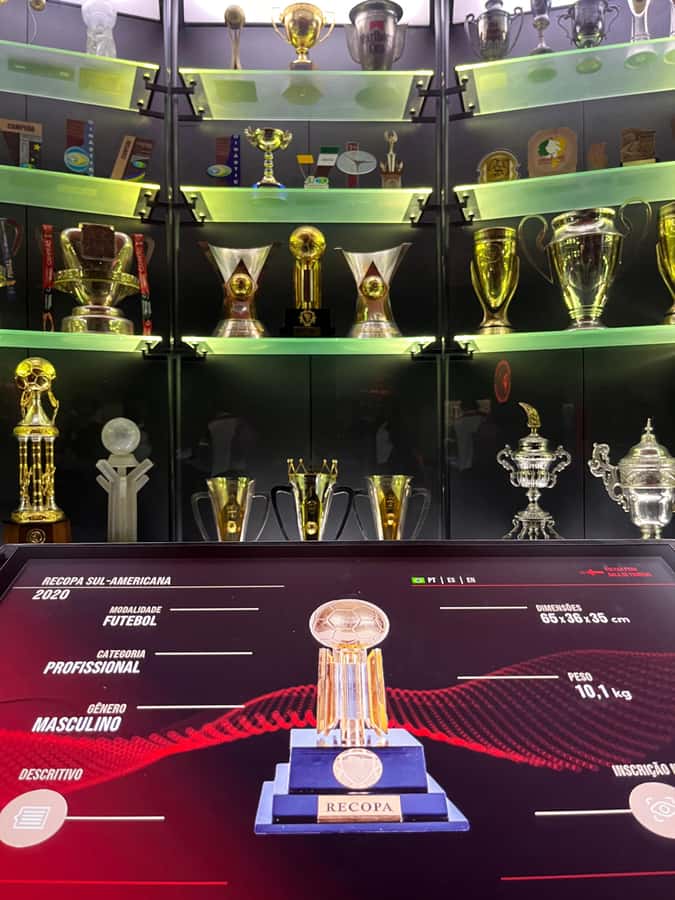
Flamengo is famous for football, but the museum includes a wider club picture. You’ll see idols from multiple sports, plus historical objects that show how the club built culture across disciplines.
You also get the benefit of a collection that is described as unique and carefully preserved. That’s important because it means this isn’t just modern displays thrown together—it’s meant to respect the past while still using modern storytelling tools.
If you care about how clubs function as organizations (not only how they win matches), you’ll probably appreciate the extra context.
Museum rules that affect your comfort (read this before you go)
The museum has a long list of restrictions. They’re not random—they’re the kind of rules museums use to keep the space safe and protect displays.
Plan around the following:
- No flash photography, and no filming where prohibited by the venue rules
- Keep your cell phone on airplane mode or silent
- Smoking is expressly forbidden inside
- No food or drinks inside
- No pets (assistance dogs allowed)
- No alcohol or drugs
- No weapons or sharp objects
- No plastic bags
- No scooters
- No making fire
- No vaping
- No glass objects
- No unaccompanied minors
- Sportswear is not allowed
That last point can be surprising. If you’re visiting after a long walk day in Rio, switch into regular clothing before you arrive. Think of these rules as part of the experience: the museum is designed to be calm, controlled, and display-focused.
Language help: digital guide in English, Spanish, Portuguese
One of the smart inclusions is the Digital Guide to Experience available in English, Spanish, and Portuguese. The activity also lists an instructor with those languages, which signals the museum is set up to support non-Portuguese speakers.
This is especially useful in a museum like this, where screens and themed sections may not be fully self-explanatory without context. If you’re even somewhat interested in how Flamengo evolved since 1895, the guide keeps you from getting lost in surface-level impressions.
Price and value: is $18 worth it?
At $18 per person for a 1-day museum ticket, the value comes from the format. You’re paying for:
- A multi-floor trophy presentation
- A structured route through 14 themed sections
- A digital guide in three languages
- A club HQ setting in Gávea
Compared with many add-on attractions in Rio, this can be a good deal because you’re not just paying for entry—you’re paying for an experience designed to keep you engaged for a meaningful amount of time.
The main “cost” isn’t money; it’s time and rules. You’ll need to show up ready to follow the museum guidelines (no food/drinks, no flash, silent phone). If that fits your travel style, the ticket price feels fair.
Timing tips: choose a slot that matches how you like to move
Because the ticket is valid for 1 day and starting times depend on availability, you should pick a time based on your energy. This museum uses screens and sensory areas, so if you’re traveling with someone who gets overstimulated easily, aim for a calmer time block.
If you’re a slower museum visitor, go early enough that you’re not rushed into the next activity. If you prefer faster stops, you can still do it in a single visit, but don’t plan to hop straight into long travel right after—your brain will still be processing Flamengo’s eras.
Who should book this ticket—and who might skip it
This is a great fit if:
- You’re into football culture but want the broader club story back to 1895
- You like museums with tech and storytelling, not just static display cases
- You want a one-day indoor option in Rio that feels tied to real local identity
- You appreciate multi-sport sports history, not only one discipline
You may want to think twice if:
- You hate museum rules and restrictions around phones, smoking, food, and photography
- You’re looking for a simple quick look with lots of casual wandering
- You were hoping for a tour around Gávea beyond the museum itself (this ticket doesn’t include that)
Should you book the Flamengo Museum ticket entrance?
Yes, if you want a focused Rio experience that connects you directly to Clube de Regatas do Flamengo and their long arc from early beginnings to modern fame. The museum’s best features—the four-floor trophy room and the 14 themed, screen-based sections—make it more than a “see a few things” stop.
I’d book it if you can follow the rules without stress and if you’ll actually use the digital guide in a language you’re comfortable with. If you’re only curious about one specific match-era, you might find it more satisfying to plan a quick museum visit and then spend extra time elsewhere in Rio.