
REVIEW · RIO DE JANEIRO
Rio de Janeiro: Brazilian Cooking Class with Hotel Pickup
Book on GetYourGuide →Operated by Rio Carioca Tours & Service · Bookable on GetYourGuide
A cooking class in Rio beats another list of sights. You’ll start with hotel pickup, then head straight to a chef’s kitchen in the Copacabana area for a hands-on meal you’ll actually eat and talk about. What I like most is the choice of feijoada or seafood moqueca, plus the way side dishes and drinks build a complete Brazilian dinner.
Two things I really like: you’re not just tasting, you’re learning by doing, and the chef connects each dish to its cultural meaning. One thing to keep in mind is that in busy seasons, the timing can run longer because of Rio traffic and the number of people in the city.
In This Review
- Key highlights at a glance
- Hotel pickup from Copacabana areas: the easiest way to start
- Choosing feijoada or seafood moqueca: your meal’s main character
- Why this choice is valuable
- What to consider before you pick
- Side dishes you’ll actually remember: coalho, flambéed sausage, and brigadeiro
- Coalho cheese with pepper jelly
- Sausage with onion flambéed in cachaça
- Brigadeiro for the sweet finish
- Drinks in the kitchen: caipirinha and coconut shake mixing skills
- The chef-led learning: why the teaching style matters
- Language support
- Group size feel
- What happens after you cook: eating together, then back to your hotel
- Price and value: what $117 buys you in real-world terms
- Practical tips that help you enjoy the class more
- Who should book this cooking class (and who might skip it)
- Should you book Rio de Janeiro Brazilian Cooking Class with Hotel Pickup?
- FAQ
- How long is the cooking class?
- Is hotel pickup included?
- Where is the class located?
- Which main dishes can I choose from?
- Are drinks included?
- Is dessert included?
- What languages will the instructor speak?
- Can I cancel for a refund?
- Is it hands-on, or mostly a demonstration?
Key highlights at a glance
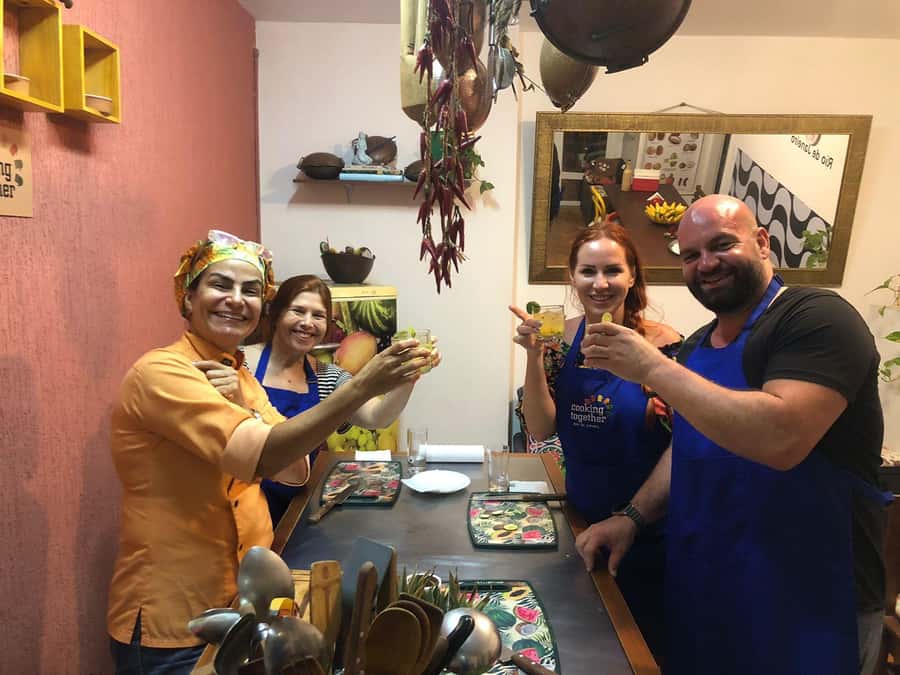
- Choose your main course: feijoada or seafood moqueca, then cook it step by step
- Learn the “why,” not only the “how” from the chef, including cultural context
- Make classic sides and dessert like coalho cheese with pepper jelly and brigadeiro
- Mix traditional drinks including caipirinha and a coconut shake
- Round-trip transfer included from many hotel areas and the cruise port
- Built for fun learning: hands-on cooking even if you’re not a home cook
Hotel pickup from Copacabana areas: the easiest way to start
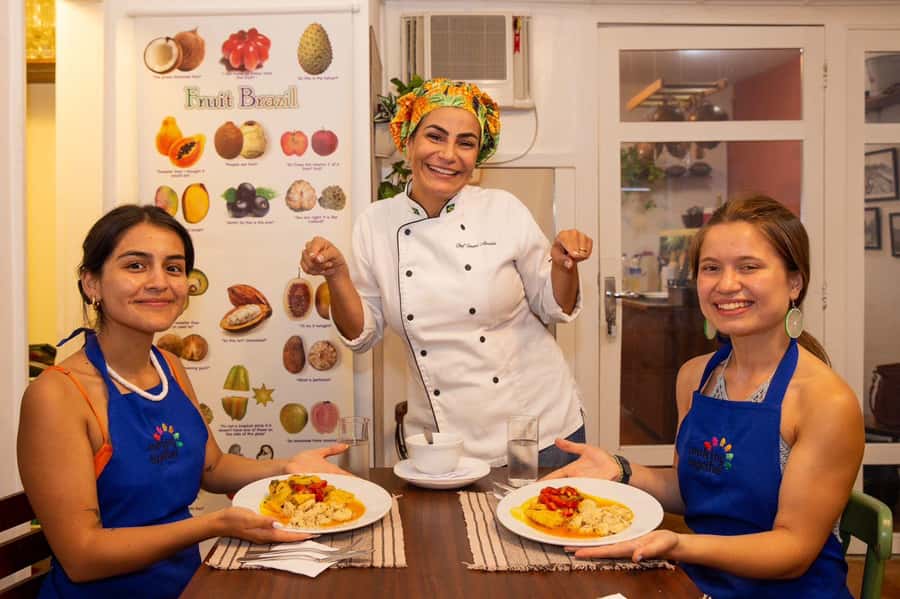
This experience runs about 4 hours, and the day is set up to feel low-effort. In the afternoon, you’ll get round-trip transfer from many hotel zones like Leblon, Ipanema, Copacabana, Leme, Botafogo, Flamengo, and Centro, plus the cruise port. That matters in Rio, because it saves you from haggling with taxis or trying to judge traffic by yourself.
Once you’re picked up, you’re transported directly to the chef’s kitchen. You also get a clear beginning and end: arrive, cook, eat, then return to your hotel. If you’ve only got one Rio evening where you want something more real than a restaurant loop, this format is a smart fit.
The one logistical note I’d plan around: high season traffic can stretch the timing. It’s not the class you’re losing, it’s the road time. If you’re traveling in peak months or you’re on a tight schedule, build in a little slack so you don’t feel rushed.
You can also read our reviews of more cooking classes in Rio De Janeiro

Choosing feijoada or seafood moqueca: your meal’s main character
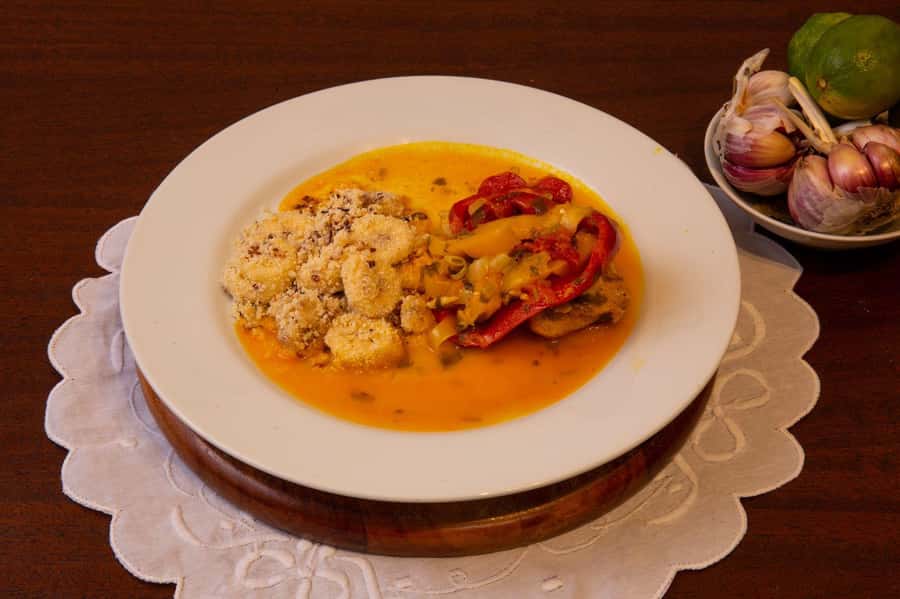
Before cooking starts, you’ll choose between two iconic Rio/Brazil staples:
- Feijoada: a hearty black bean stew with pork
- Seafood moqueca: a flavorful fish stew with coconut milk
This choice is more than a menu decision. It shapes what you’ll practice in the kitchen: seasoning, simmering, balancing rich ingredients, and managing textures over heat. Either option gives you a proper Brazilian centerpiece, not a “light” class meal.
Why this choice is valuable
If you’re the type who likes to understand a culture through food, this is a strong way to do it. The chef guides you through the preparation, and they also explain the stories and cultural significance of the dish. That’s the difference between eating dinner and understanding why dinner exists in the first place.
What to consider before you pick
Think about your comfort level with:
- Longer-simmer stew flavors (both options rely on depth, not quick cooking)
- Richness (pork in feijoada, and coconut milk in moqueca)
- Seafood preference (if seafood isn’t your thing, feijoada is the safer bet)
If you’re traveling with someone who debates food styles, this is one of the easiest ways to compromise: both dishes are classic and both teach you Brazilian cooking fundamentals.
Side dishes you’ll actually remember: coalho, flambéed sausage, and brigadeiro
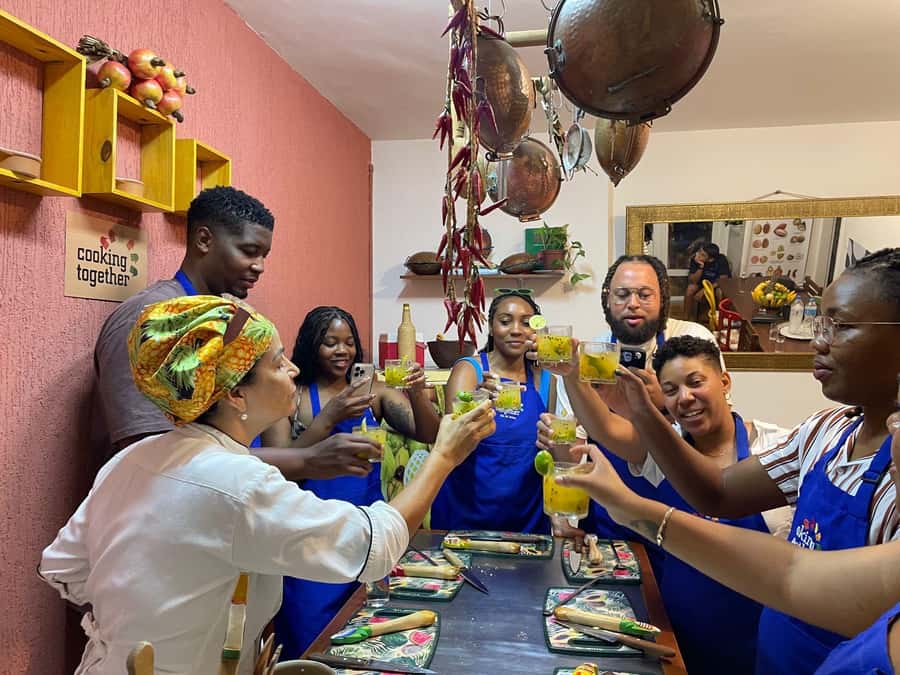
The best cooking classes give you tools you can use again. This one supports that with a lineup of sides and sweets that cover different cooking techniques.
You can also read our reviews of more tours and experiences in Rio De Janeiro






Coalho cheese with pepper jelly
You’ll make coalho cheese with pepper jelly. This side is a nice introduction to Brazilian flavor balancing: salty cheese plus sweet heat. It’s also visually fun to prepare, and it gives you an extra “wow” plate beyond the main stew.
Sausage with onion flambéed in cachaça
You’ll also prepare sausage with onion flambéed in cachaça. Flambé is the kind of technique most people only see on TV. Here, you get the guidance to do it yourself in a controlled setting, so you come away with real confidence, not just a photo.
Brigadeiro for the sweet finish
And yes, there’s brigadeiro. This dessert is one of Brazil’s most beloved treats, and making it is a fast way to understand why people get excited about simple ingredients turned into something special. During the class, you’ll prepare it as part of the experience.
A quick heads-up on the “dessert” detail: the activity notes say dessert is not included, yet the class highlights brigadeiro as a thing you’ll make. In plain terms, you should expect to participate in brigadeiro during the cooking session, but don’t assume an extra dessert course beyond what’s part of the class plan.
Drinks in the kitchen: caipirinha and coconut shake mixing skills
Food in Brazil is social. Drinks help set that tone, and you’ll mix two traditional favorites:
- Caipirinha
- Coconut shake
You’re not handed a drink and sent on your way. You’ll learn how to mix them, which is half the fun because it brings the whole meal together. If you’re used to doing “restaurant dining,” this feels more hands-on and more playful.
One caution: the activity says additional drinks are not included. So, if you want more than the drinks tied to the class, budget for that separately.
The chef-led learning: why the teaching style matters
The chefs teaching this class get praise for more than just cooking. The standout theme in the experience is teaching that’s patient and engaging, with cultural context before the cooking starts.
In particular, Carina is noted for being a fantastic chef and teacher who makes the class extremely fun, and Chef Simone is recognized for explaining the cultural significance behind the dishes before you start cooking. That order matters. When you know what you’re making and why it matters, you’re more likely to remember the steps and flavor logic.
Language support
You can choose instruction in Portuguese, Spanish, or English, which helps if your Portuguese is still in the “please help me order coffee” stage. Having an instructor who can match your language makes the hands-on part smoother, and it helps you ask questions without guessing.
Group size feel
One booking described the class as private and hands-on for just two people. The data doesn’t promise private for everyone, but it does suggest you may get a more personal feel than you would in a huge group format. If you prefer quieter attention, this is the kind of class to look for.
What happens after you cook: eating together, then back to your hotel
Once cooking is done, you sit down to eat what you made. That’s the core value of this format. Instead of cooking through fatigue and then grabbing dinner somewhere else, you taste your work right away.
The atmosphere is described as convivial, and that fits the overall structure. You share stories with fellow participants, and you get to compare what each person chose (feijoada vs moqueca) and how they experienced the flavor differences.
When the meal ends, the transfer brings you back to your hotel. That return ride is part of the convenience value. In a city where planning can get messy, having a scheduled finish keeps your evening from turning into guesswork.
Price and value: what $117 buys you in real-world terms
At $117 per person for a 4-hour experience, this isn’t a bargain cooking class. But it also isn’t a bare-bones “demo with snacks” either.
Here’s what you’re getting for the money:
- Round-trip transfer (time and hassle you don’t pay separately for)
- Cooking class instruction (hands-on, not just watching)
- Ingredients for all dishes
Then add the scope:
- A main dish (feijoada or seafood moqueca)
- Side dishes like coalho cheese with pepper jelly
- Technique practice like cachaça flambé
- Dessert via brigadeiro
- Mixing drinks (caipirinha and coconut shake)
If you compare this to the cost of buying ingredients, paying for a chef’s time, and then also booking a driver for pickup and return, the price starts to make sense. The transfer alone can be a noticeable part of the total value in Rio, especially with traffic. For me, this class is best viewed as a complete evening experience that happens to be cooking.
Practical tips that help you enjoy the class more
A few small, useful notes from the provided info that can make your day smoother:
- Optional knives: you can bring your own set of knives if you want. If you’re used to a particular knife, bringing it can help you cook more comfortably.
- Plan for afternoon timing: the pickup happens in the afternoon, and the total time can stretch in peak traffic seasons.
- Mobility matters: if you have reduced mobility or wheelchair use, notify in advance. An adapted vehicle can be arranged for an additional 100 USD or 500 BRL.
- Pickup add-ons outside the main zones: Barra da Tijuca/Recreio dos Bandeirantes can require an extra 10 USD or 40 BRL per person.
- Languages are covered: Portuguese, Spanish, English are available, so you shouldn’t feel stuck.
If you want the best experience, come hungry, and treat it like a class first and a meal second. You’ll get more out of it that way.
Who should book this cooking class (and who might skip it)
This experience is a strong match if you:
- Want a real Brazilian meal that includes more than one plate
- Prefer hands-on learning over watching from the sidelines
- Like learning the story behind food, not only the recipe
- Enjoy classic Brazilian drinks like caipirinha
It may not be your best choice if you:
- Need a very strict schedule with no flexibility (traffic in high season can stretch timing)
- Only want a quick snack or a short demo
- Are only interested in one dish and nothing else
If you’ve already done the main tourist icons and you want one “Rio, but in a kitchen” day, this is the kind of activity that changes your trip in a good way.
Should you book Rio de Janeiro Brazilian Cooking Class with Hotel Pickup?
If you’re looking for value that goes beyond dinner, I’d book it. The combination of hotel pickup, a chef-led hands-on class, and a full set of dishes plus caipirinha and a coconut shake makes this feel like a complete experience rather than an add-on tour.
Choose it especially if you want to leave with practical skills: how to build flavor in stews, how to work with cheese and sweet heat, and how Brazilian comfort food turns everyday ingredients into something people remember. Just give yourself a bit of timing buffer for Rio traffic, and you’ll be set for a genuinely memorable food evening.
FAQ
How long is the cooking class?
The duration is 4 hours.
Is hotel pickup included?
Yes. Round-trip transfer is included, with pickup from many hotels in Leblon, Ipanema, Copacabana, Leme, Botafogo, Flamengo, and Centro, or from the cruise port.
Where is the class located?
The experience is in Copacabana, Rio de Janeiro, with the chef’s kitchen as the main stop.
Which main dishes can I choose from?
You can choose feijoada (black bean stew with pork) or seafood moqueca (fish stew with coconut milk).
Are drinks included?
You’ll mix caipirinha and a coconut shake as part of the experience. The activity also notes that additional drinks are not included.
Is dessert included?
You’ll prepare brigadeiro during the class. At the same time, the activity lists dessert as not included, so you should expect brigadeiro as part of the class food plan rather than extra dessert beyond that.
What languages will the instructor speak?
The instructor can teach in Portuguese, Spanish, and English.
Can I cancel for a refund?
Yes. You can cancel up to 24 hours in advance for a full refund.
Is it hands-on, or mostly a demonstration?
It’s a hands-on cooking class where you prepare the dishes, side items, and drinks in the kitchen.