REVIEW · RIO DE JANEIRO
Surf lessons: in Arpoador in Ipanema.
Book on GetYourGuide →Operated by Surf Matrix · Bookable on GetYourGuide
Surf has a way of making Rio feel personal. At Praia do Arpoador, you get a small-group lesson built to help you stand up safely in real ocean conditions. I love the setup: max 6 people means you actually get attention, not just a quick demo. I also like the communication—your instructor is trilingual (English, Portuguese, Spanish), so you’re not guessing what to do next.
One thing to consider: you do need to be confident swimming in the ocean with waves, because the lesson includes real time in the sea.
In This Review
- Key highlights you’ll feel fast
- Why Arpoador is such a smart beginner spot
- Price and what you actually get for $33
- Meeting at Praia do Arpoador: find the yellow tent
- What you bring (and what you can skip)
- How the 1-hour lesson is paced: sand first, then sea
- Step 1: theory and technique on the sand
- Step 2: practice in the water using today’s best conditions
- The real focus in the waves: getting up safely
- Instructor quality: the coaching makes the difference
- Weather, sea conditions, and why flexibility is part of the deal
- Sunset vibes at Arpoador without pretending you can multitask
- Who should book this surf lesson (and who should skip)
- Practical tips so you get the most out of your hour
- Should you book Surf Matrix at Arpoador?
- FAQ
- Where does the surf lesson meet?
- How long is the lesson?
- What’s included in the price?
- Do I need to bring my own surfboard?
- What should I wear or bring?
- Is it suitable for complete beginners?
- Do I need to be able to swim well?
- How big is the group?
- What language will the instructor speak?
- What if weather or sea conditions aren’t good?
Key highlights you’ll feel fast
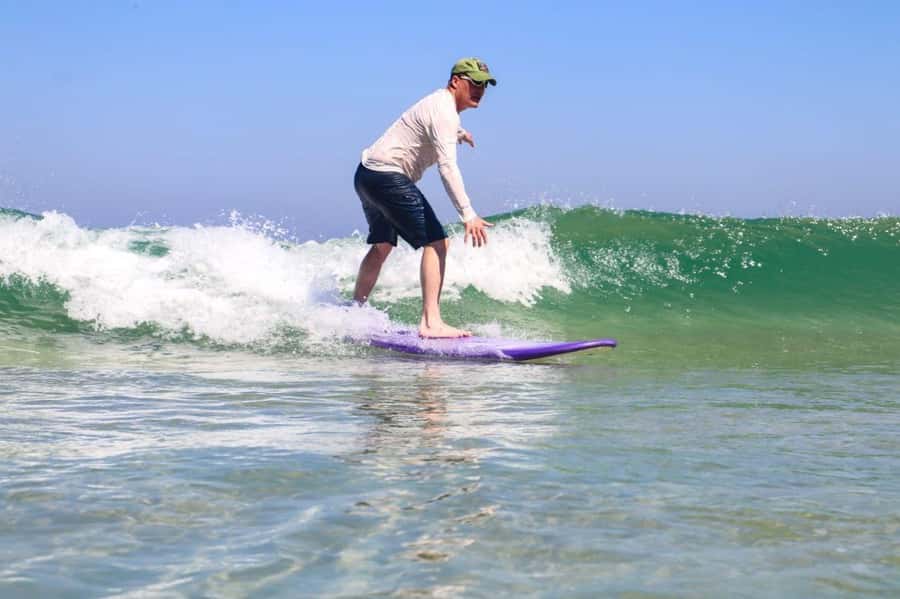
- Small group (up to 6) means more coaching moments when you need them
- Trilingual instructors (English, Portuguese, Spanish) keep instructions clear
- Sand-to-water teaching starts on shore with the exact movements you’ll use in the waves
- Surf at Praia do Arpoador where conditions are usually steady for learning
- Safety rules are built in, not tacked on at the end
- Sunset views in Ipanema can make the whole session feel like more than a class
Why Arpoador is such a smart beginner spot
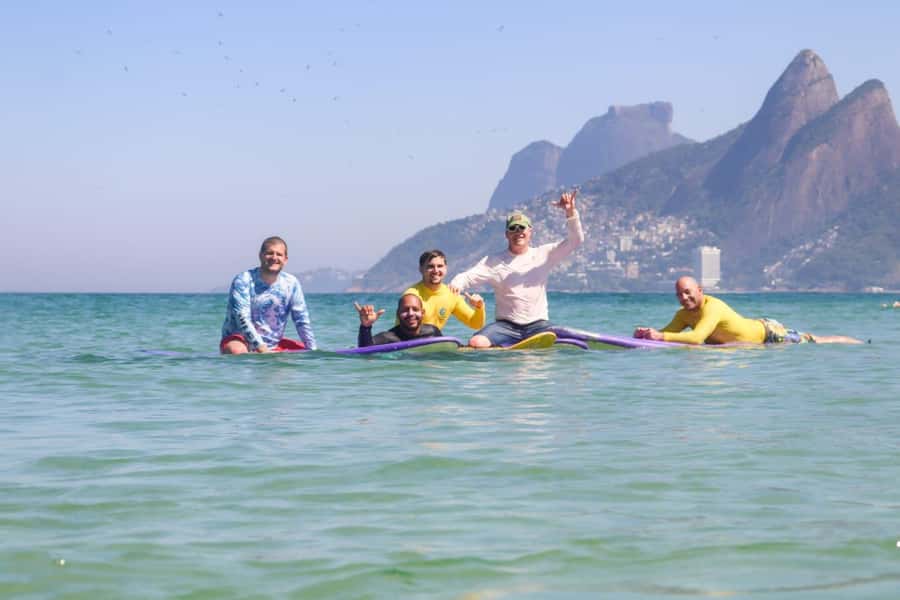
Praia do Arpoador sits between Ipanema’s energy and the Atlantic’s attitude. The key for you: it’s known for constant waves, which is exactly what a surf lesson needs. When waves show up consistently, you get repeat attempts instead of long stretches of waiting for the ocean to cooperate.
Also, the location has that famous Rio vibe. Even if you’re focused on getting your stance right, you’ll still notice the scenery shift as the light changes. People often talk about the sunset view here, and it fits the moment: you’re learning a skill, but the beach is also doing its best to be beautiful.
You can also read our reviews of more tours and experiences in Rio De Janeiro



Price and what you actually get for $33
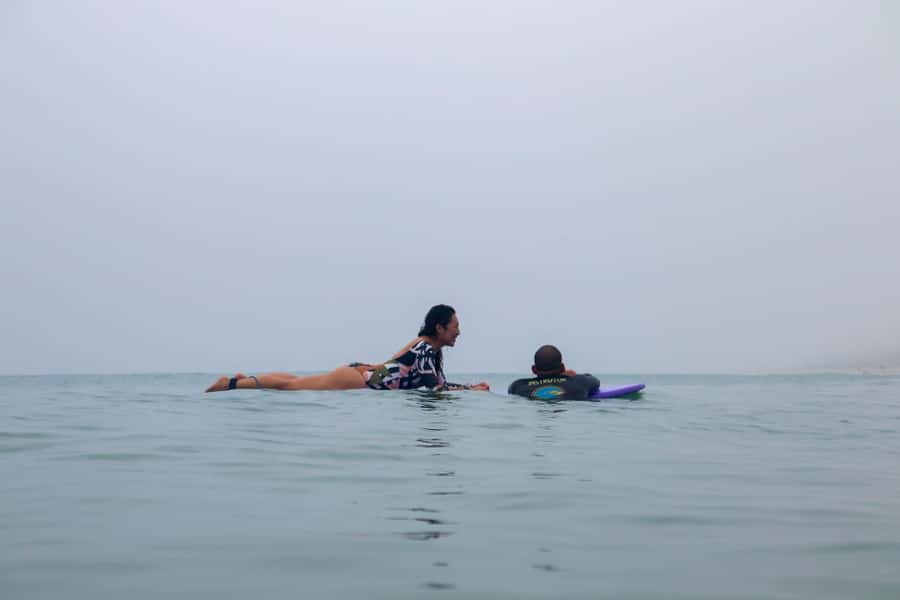
At around $33 per person for a 1-hour lesson, this is fairly priced for what’s included. You get:
- equipment (so you’re not tracking down a board and leash first)
- a small group
- an instructor who teaches both theory and technique
- time in the water based on your level
The best value piece is the coaching format. A one-hour surf session can be a mess if it’s only random time in the ocean. Here, the class starts with instruction on sand first, then you practice right away. That structure is what helps beginners improve faster for the money.
Meeting at Praia do Arpoador: find the yellow tent
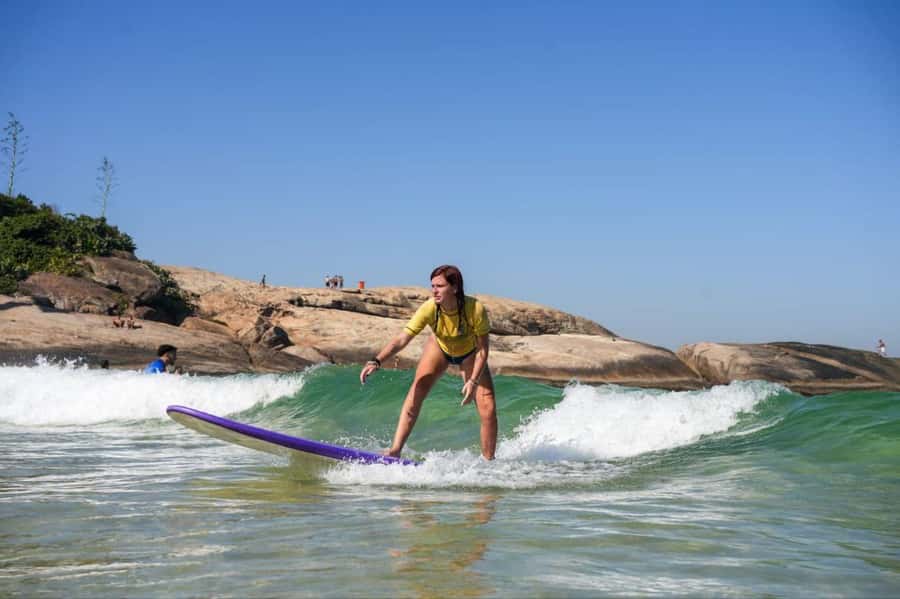
You’ll meet at Praia do Arpoador in Ipanema, waiting at the yellow tent. Before class begins, the team tries to contact students, but you shouldn’t count on it. If you don’t hear anything, just go straight to the tent so you don’t waste time.
This matters because surf lessons run on ocean timing. If you’re late, the waves don’t care, and your lesson window can shrink. Showing up early is the easiest way to get the full session—especially if the schedule depends on sea conditions.
What you bring (and what you can skip)
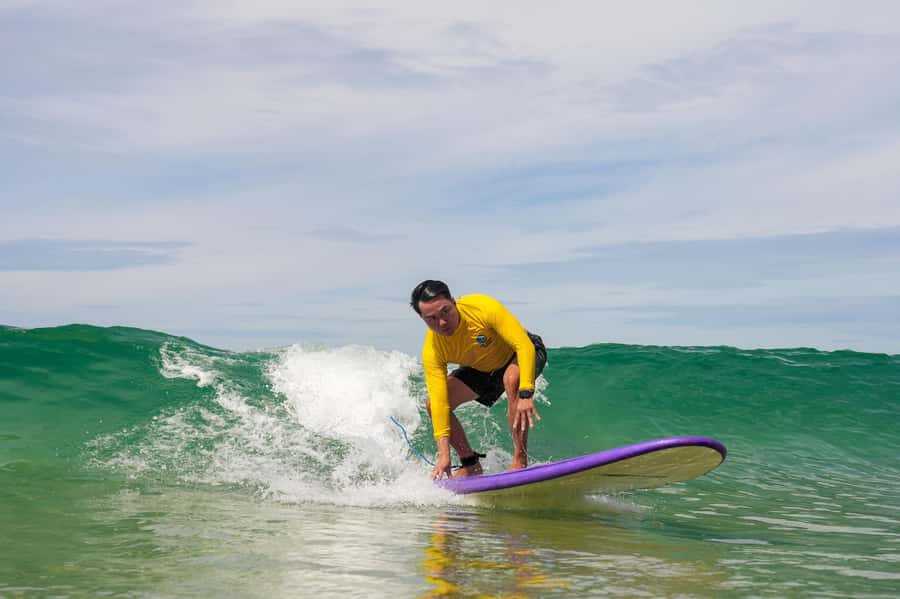
Bring shorts. That’s all that’s specifically required in the setup.
You don’t need to bring your own surf gear. All equipment is provided, which is a big deal if you’re traveling light. If you’re the type who hates carrying extra stuff across Rio, you’ll appreciate this.
One more practical note: this is not a fit for kids under 5, and it’s also not recommended for pregnant women or people with pre-existing medical conditions. If any of that applies, it’s worth choosing a different kind of beach activity that’s easier on your body.
How the 1-hour lesson is paced: sand first, then sea
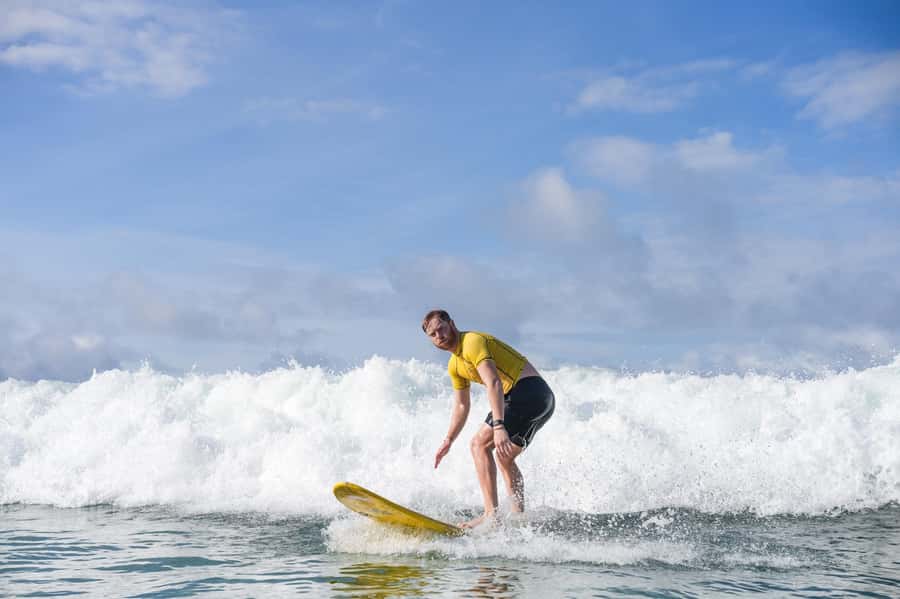
The lesson is designed as a clear sequence, and you’ll feel it immediately.






Step 1: theory and technique on the sand
You start on shore with a practical teaching session. The goal is simple: you learn what matters before you’re tired and balancing on a board.
On the sand, you’ll cover things like:
- how to observe the sea (where waves come from and how they break)
- positioning on the board so you’re not guessing
- paddling technique
- the drop (the moment you move as a wave carries you)
- key safety rules for surfing
This part is underrated. When you understand what the ocean is doing, you stop treating each wave like a surprise attack. Instead, you start predicting what comes next. That calm mindset helps you learn faster.
Step 2: practice in the water using today’s best conditions
After sand instruction, you move into the sea to put it all together. The lesson uses the best conditions of the day for your level. Translation: you’re not thrown into the toughest surf just because you booked a lesson.
In a small group, the instructor can watch you closely and adjust. If you’re struggling with paddling or timing, you get the kind of feedback that prevents you from repeating the same mistake 20 times.
The real focus in the waves: getting up safely

Surfing isn’t hard because it’s mystical. It’s hard because it’s physical and timing-based. This lesson attacks both.
You’ll spend time on:
- learning how to paddle effectively so you actually get into position
- watching wave timing and using it instead of fighting it
- practicing the approach to the board as the wave arrives
- understanding the mechanics around the drop
Safety rules are included as part of the teaching, not an afterthought. That’s important at Arpoador, where there are always people around the shoreline. You want to know how to enter, exit, and avoid risky situations—not just how to stand.
And yes—getting up often takes more than one try. The good news is that a strong instructor makes those tries feel productive, not discouraging.
Instructor quality: the coaching makes the difference
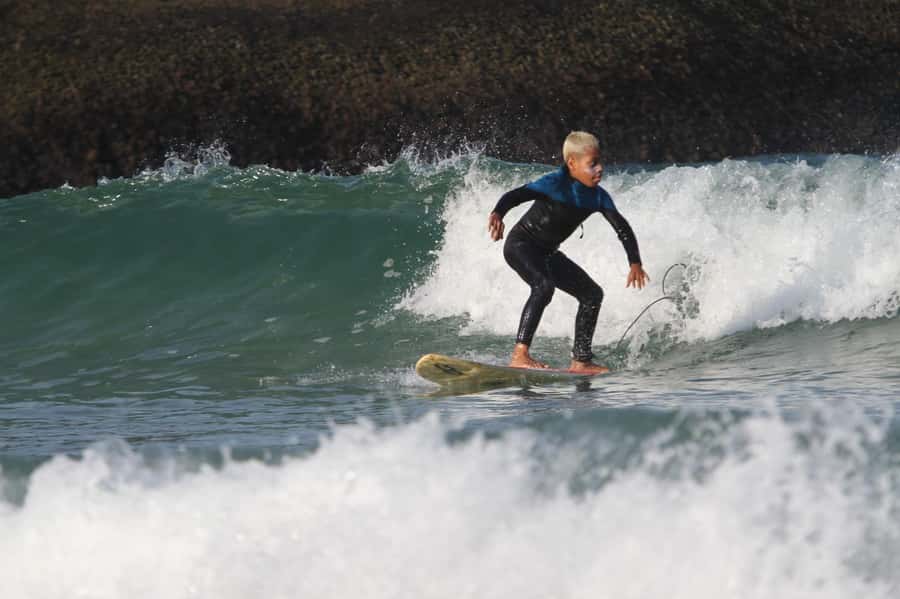
The biggest praise in this experience is about the instructors themselves, with names like Rafael showing up often. What stands out in the way he’s described: he brings energy, he’s supportive when you can’t get up yet, and he gives advice that sticks.
You’ll likely notice a few teaching traits that make lessons work:
- patience when you need repeated attempts
- clear explanations you can follow in English, Portuguese, or Spanish
- coaching that helps you improve the next attempt, not just judge the last one
One more thing I like here: the team is flexible with timings when the ocean changes. Surf lessons are weather-dependent. Having instructors who adapt rather than stick rigidly to a plan helps you keep the class experience intact.
Weather, sea conditions, and why flexibility is part of the deal
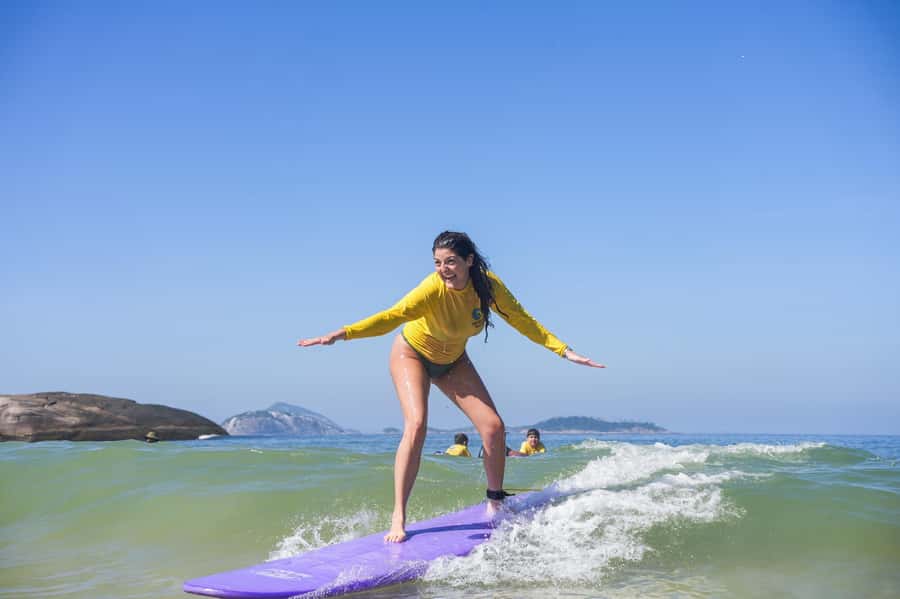
This activity depends on weather and sea conditions. That’s not a small footnote—it’s basically the whole game in Rio surf.
If conditions aren’t right, you won’t just power through. Instead, you’ll either be offered a new date or you’ll receive a full refund. For you, that means the lesson should be safer and more effective when you actually go.
If you’re booking during a busy stretch of Rio, plan to keep your schedule reasonably open. Even a strong forecast can’t fully predict the ocean’s mood.
Sunset vibes at Arpoador without pretending you can multitask
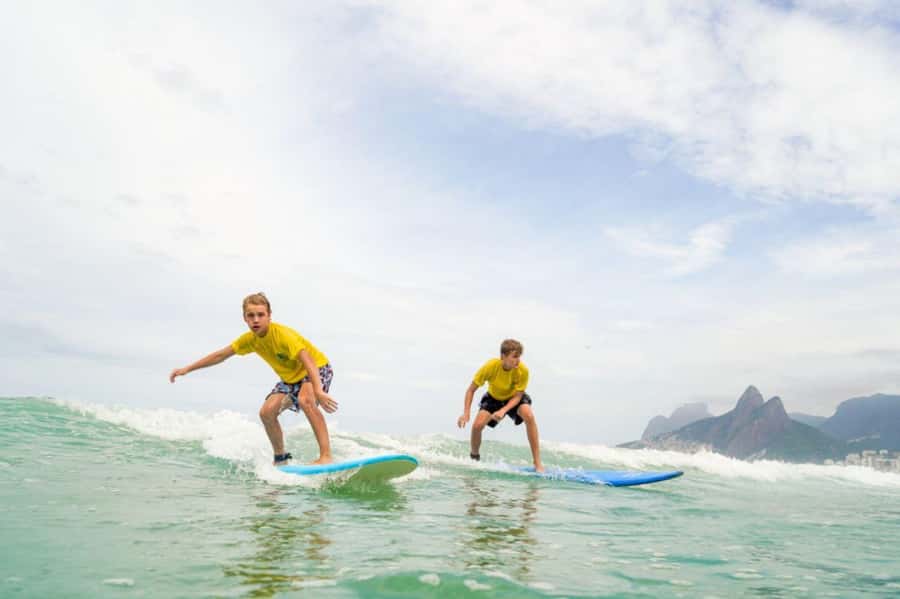
One of the nicest bonuses here is how the beach looks as light changes. Arpoador is known for great surf, and it’s also known for views that make the walk back feel like a reward.
Still, don’t treat sunset like a cinematic requirement. Your main mission is learning surf technique, staying safe, and enjoying the rhythm of the lesson. If sunset happens to land during your session, it’s a bonus—not a distraction you have to chase.
Who should book this surf lesson (and who should skip)
This is a good match if you:
- want your first serious surf lesson with a coach
- like the idea of learning on sand first and then practicing immediately
- can swim confidently in open water with waves
- appreciate small-group attention (up to 6 people)
- want instruction in English, Portuguese, or Spanish
It’s not the right fit if:
- you’re not comfortable swimming in the ocean with waves
- you have medical conditions that make ocean activity risky
- you’re bringing a child under 5
- you’re pregnant
If you fall into the middle category—comfortable swimmers but nervous—this format still helps. The sand portion is designed to get you oriented so you’re not starting cold.
Practical tips so you get the most out of your hour
Before you go, keep these in mind. They’re the difference between a fun try and a frustrating one.
- Be honest about your swim confidence. Surf needs ocean comfort, not just courage.
- Wear shorts and keep your gear simple. The lesson provides equipment, so don’t overpack.
- Expect to work your legs and core. Even beginner paddling uses stamina.
- Pay attention on the sand. The movements you learn first are the ones you need in the water.
- Keep a good attitude about timing. Waves arrive in sets. Your job is to follow the rhythm.
Should you book Surf Matrix at Arpoador?
I’d book it if you want a structured beginner surf lesson in Rio with small-group coaching, equipment included, and trilingual instruction. The sand-to-water teaching sequence is especially valuable, because it helps you connect technique to what you’re seeing in real waves.
Skip it if you’re not confident swimming with waves, or if you fall into the groups the lesson notes as not suitable. Also, if your trip has no flexibility at all and you can’t handle weather changes, you may feel annoyed if the sea doesn’t cooperate.
In the end, this isn’t a long tour. It’s an hour that tries to teach you the basics the right way—then lets you test them immediately at Arpoador.
FAQ
Where does the surf lesson meet?
You meet at Praia do Arpoador in Ipanema, at the yellow tent.
How long is the lesson?
The lesson is one hour.
What’s included in the price?
The lesson includes equipment, a one-hour class, and a small-group format with a trilingual instructor (English, Portuguese, Spanish).
Do I need to bring my own surfboard?
No. All equipment is provided.
What should I wear or bring?
Bring shorts.
Is it suitable for complete beginners?
Yes. The classes are designed to teach you the basics, and instruction is customized based on your skill level.
Do I need to be able to swim well?
Yes. You must be confident swimming in the ocean with waves.
How big is the group?
It’s a small group, limited to 6 participants.
What language will the instructor speak?
The instructor speaks English, Portuguese, and Spanish.
What if weather or sea conditions aren’t good?
The experience depends on weather and sea conditions. If it’s canceled, you’ll be offered a new date or you’ll receive a full refund. Food and transportation are not included.