REVIEW · RIO DE JANEIRO
Rio de Janeiro: Brazilian Cooking Class in Rio de Janeiro
Book on GetYourGuide →Operated by Gregtur Tourism · Bookable on GetYourGuide
Cooking Brazil beats any food tour. This hands-on class in Copacabana has you cooking real favorites with a local chef, then sitting down with the instructor to toast your work and taste what you made with coconut drinks and caipirinhas. One catch: transport isn’t included, so you’ll need to handle your own trip to the studio.
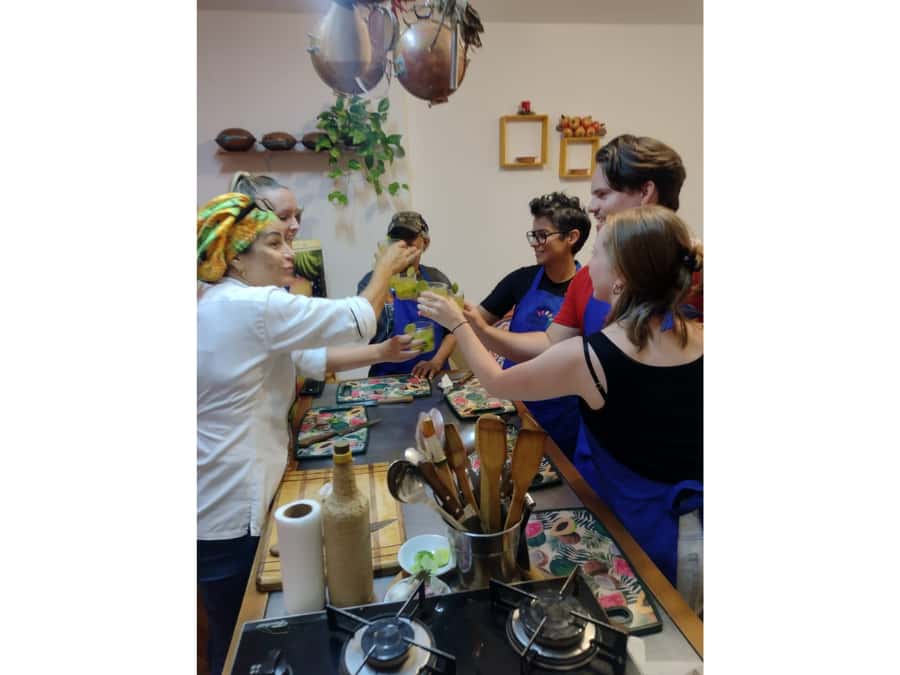
I love how small the group is (max 7), which makes it easier to ask questions while you cook. Chef Simone also sets a relaxed, friendly tone—one review even called it a safe environment to get to know each other—and her daughter sometimes helps, which adds to the warm, hangout feel.
In This Review
- Key highlights you’ll actually care about
- Copacabana Kitchen Setup: Small Group, Real Instructions
- What You’ll Cook: Brazil’s Favorites, Course by Course
- 1) Starter: Fried cheese with spicy guava jam
- 2) Another savory bite: fried sausage slivers
- 3) Drinks: caipirinha and batida de coco
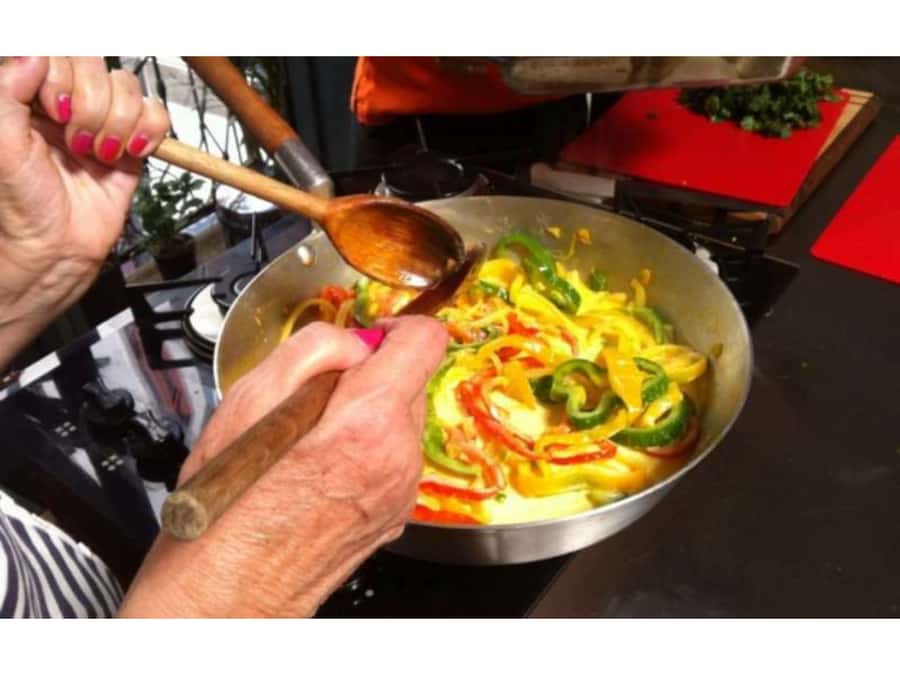
- 4) The main course you’ll cook: Feijoada or Seafood Moqueca
- 5) Sides: banana farofa and flavored rice
- 6) Dessert: a surprise based on exotic fruit or classic sweets
- Moqueca vs. Feijoada: Choose Your Main Dish by Day
- How Chef Simone Teaches: From Safe and Social to Tastes You Can Repeat
- Drinks, Cassava, and the Meal Moment You’ll Remember
- Why This Class Works for Beginners and Food Nerds
- Price and Value: Is $220 Worth It in Rio?
- Logistics You Should Plan For (Without Guessing)
- Who Should Book This Class (and Who Might Not)
- Should You Book This Brazilian Cooking Class in Rio?
- FAQ
- Where is the cooking class located?
- How long is the experience?
- How much does it cost?
- What do you cook in the class?
- Which main dish do you make on different days?
- Are drinks included?
- Do I need cooking experience?
- Is transportation included?
- What languages does the instructor speak?
- Is the group private and how big is it?
Key highlights you’ll actually care about
- Copacabana kitchen class with max 7 people so you’re not waiting your turn
- 7 Brazilian recipes taught, served as a multi-course meal with drinks
- Chef Simone leads in Portuguese, English, or Spanish depending on the class
- Moqueca on Mon/Wed/Fri, Feijoada on Sat, so you can plan around your main
- You cook the meal yourself, from appetizers through dessert
- Two drinks included, plus the typical Brazilian sides like cassava sticks and farofa
Copacabana Kitchen Setup: Small Group, Real Instructions
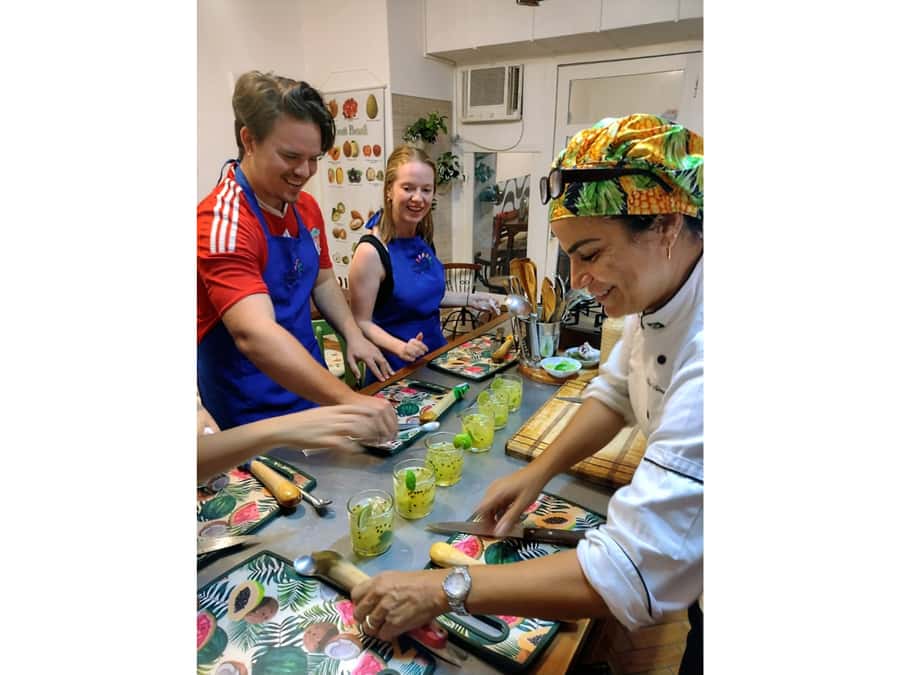
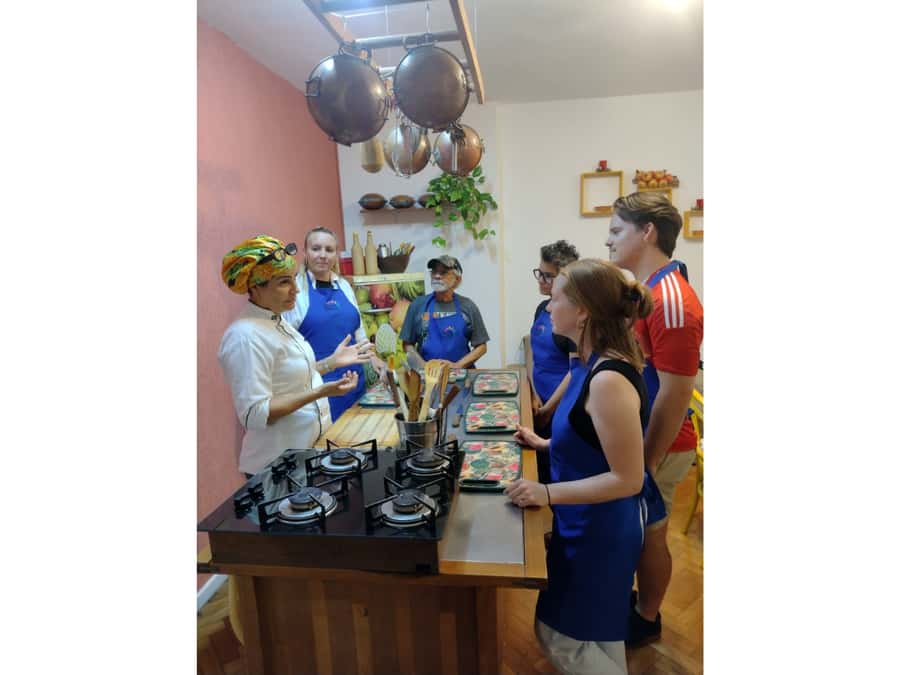
This cooking class is set up for people who want to do more than watch. You’re in a studio in the Copacabana area, and you’ll be working at the same time as the other participants—so the class rhythm stays active instead of turning into a long lecture.
The biggest practical win here is the small group size. With a max of 7, you’re more likely to get hands-on help when you’re chopping, seasoning, or figuring out timing on the stove. That matters because Brazilian food relies on balance—salt, acidity, spice, and texture—things you learn fastest by doing them.
Language support is another comfort factor. The instructor can teach in Portuguese, English, or Spanish, which means you won’t be stuck guessing what to do next. Even if your Portuguese is limited (mine would be), you can still follow the process and understand why each step matters.
And because this is a private group experience, it often feels less like a scheduled activity and more like a hosted evening. In one class experience, the environment felt safe and social—more like you’re sharing a meal with people you’ll remember than just checking off a ticket.
You can also read our reviews of more cooking classes in Rio De Janeiro

What You’ll Cook: Brazil’s Favorites, Course by Course
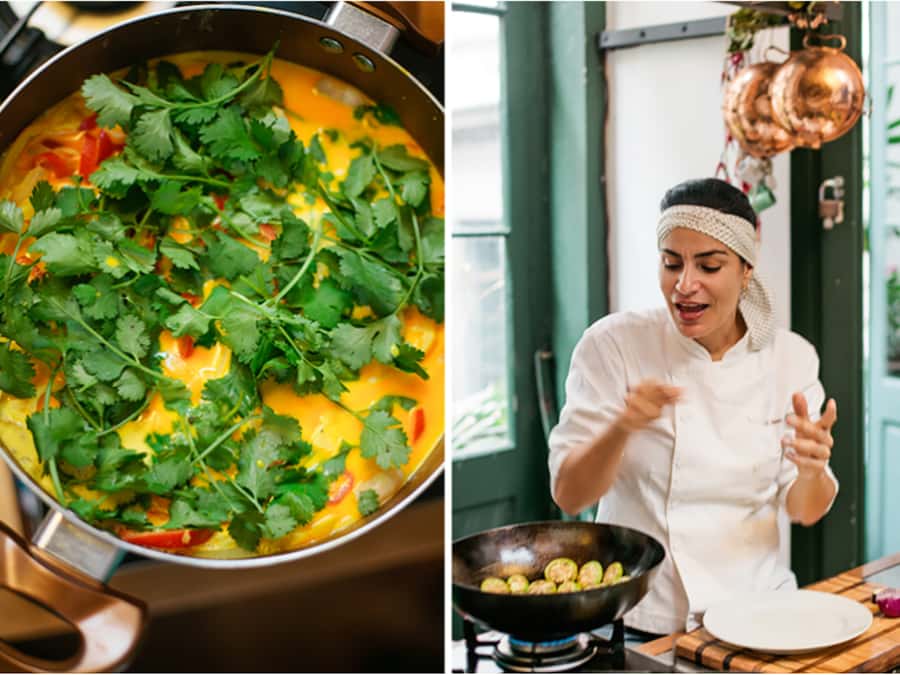
You’ll learn a set of Brazilian recipes that show up constantly in everyday life and celebrations. The sample menu gives you a clear idea of the structure: starters, drinks, the main course, sides, and a dessert that can change with what’s available.
Here’s the practical flow you can expect.
1) Starter: Fried cheese with spicy guava jam
You start with fried cheese served alongside spicy guava jam. This is a smart first dish because it teaches you two key ideas at once:
- how to get a good crisp on fried cheese
- how fruit-forward sweetness can handle heat
Guava jam isn’t just a topping here—it’s part of a Brazilian flavor logic: contrast. Sweet and spicy together makes the palate feel awake.
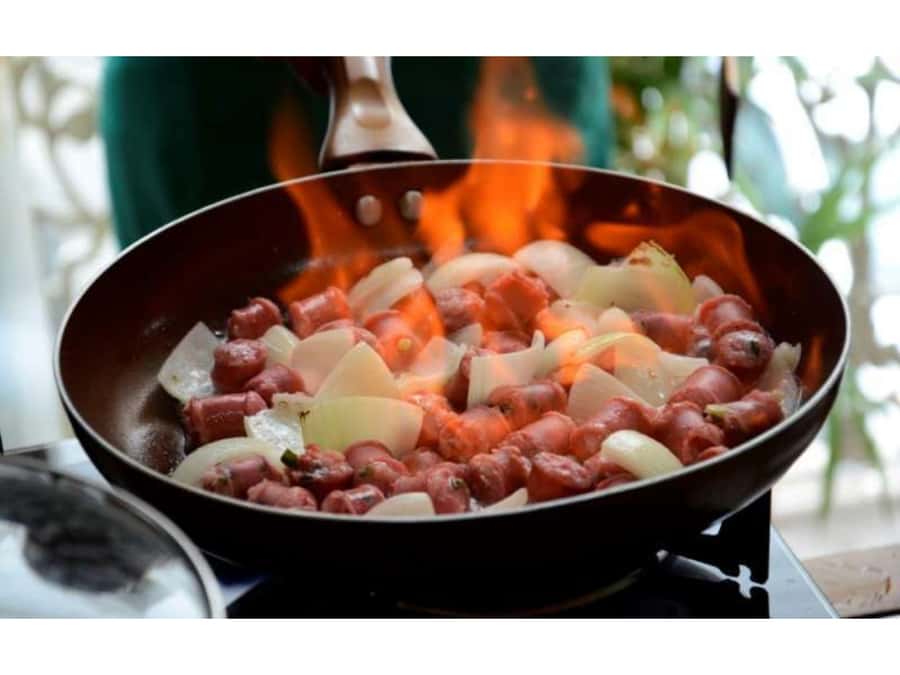
2) Another savory bite: fried sausage slivers
Next comes fried sausage slivers. The main goal is texture and seasoning. You’ll learn how small pieces cook quickly and how to keep them flavorful without overcooking. It’s the kind of dish that also translates well at home because you can adapt it based on what sausage you can find.
3) Drinks: caipirinha and batida de coco
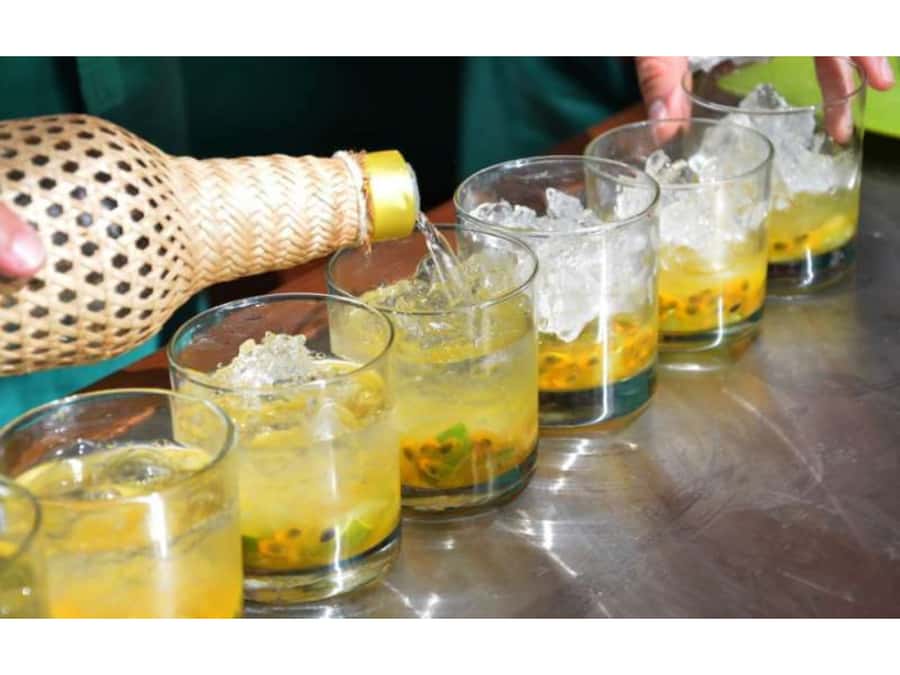
Brazilian meals don’t wait until the end. You’ll get at least two drinks during the class—lime caipirinha and batida de coco (coconut-based). This is more than a perk. It helps you understand how these drinks fit into a real meal: citrus for brightness, coconut for comfort.
Also, if you’re new to caipirinha style cocktails, this is a good way to get the method basics in a friendly setting rather than trying to brute-force it later.
You can also read our reviews of more tours and experiences in Rio De Janeiro





4) The main course you’ll cook: Feijoada or Seafood Moqueca
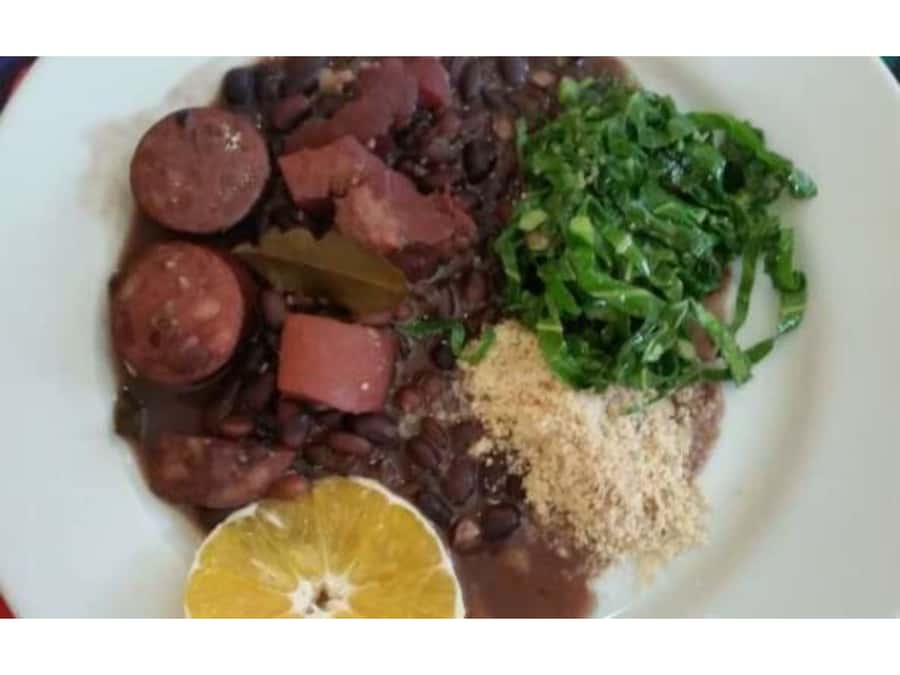
The class then focuses on your big-ticket Brazilian comfort dish. On some days it’s pork and beans feijoada, and on others it’s seafood moqueca. Either way, you’re not just tasting—you’ll be cooking the main dish yourself.
This is where the class earns its value. Feijoada and moqueca both rely on time, layering flavor, and knowing when the dish is ready. Even if your technique isn’t perfect the first try, you’ll understand the logic behind the final result.
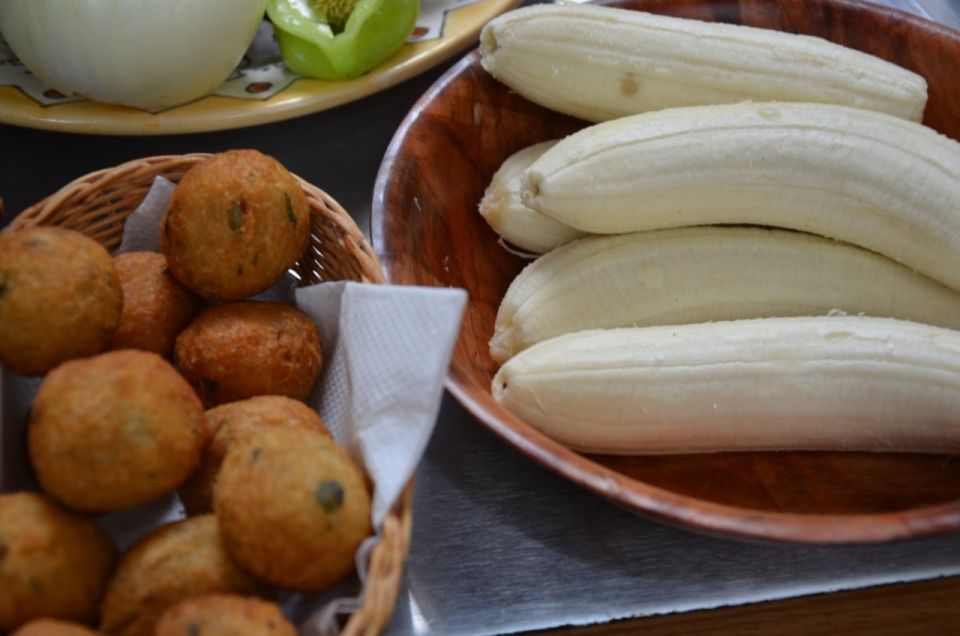
5) Sides: banana farofa and flavored rice
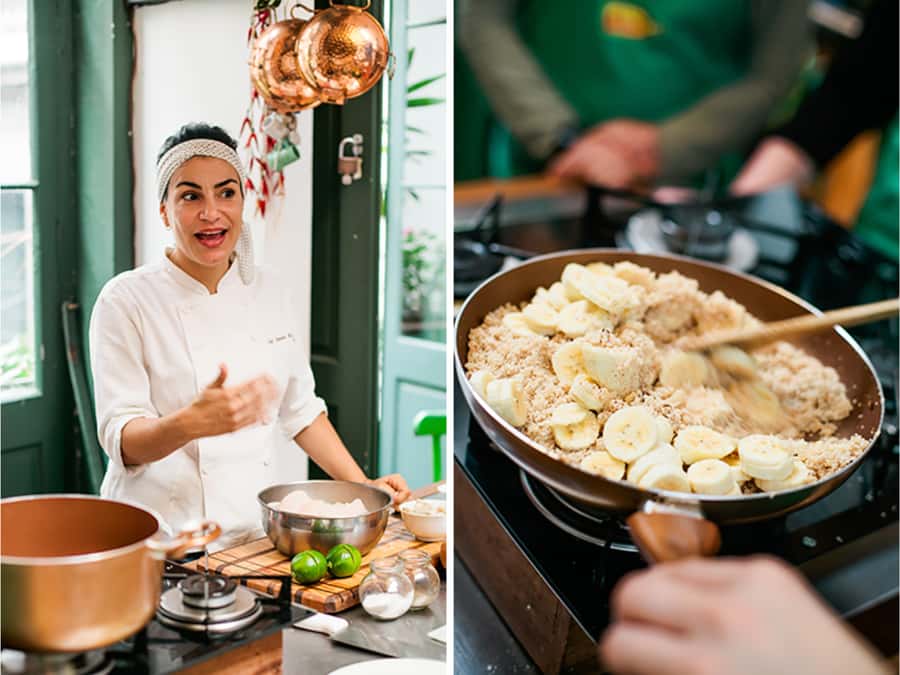
After the main, you’ll work on sides that are common on Brazilian tables. You’ll make banana farofa and flavored rice. Farofa is a standout because it’s all about texture—slightly crunchy, nutty, and savory. If you’ve ever wondered what makes a meal feel “finished” in Brazil, farofa is a big part of that answer.
6) Dessert: a surprise based on exotic fruit or classic sweets
Dessert is a wildcard, which is part of the fun. You’ll get a surprise dessert that can include Brazilian classics like brigadeiro or doce de leite, depending on what fruit or sweets are available.
This is a practical highlight too: brigadeiro and doce de leite are both famous for being approachable. You’ll leave with a recipe you can actually make again, not just a dish you ate once.
Moqueca vs. Feijoada: Choose Your Main Dish by Day
If you want to plan around taste, timing matters. The class runs with different mains:
- Moqueca (seafood) is on Mondays, Wednesdays, and Fridays.
- Feijoada (pork and beans) is on Saturdays.
So before you book, decide what you’re craving. I’d pick moqueca if you want something aromatic and seafood-forward, with a coastal feel. I’d pick feijoada if you want thick, hearty comfort food—beans and pork in a way that feels designed for slow enjoyment.
One more tip: since the main dish changes by day, you should match your expectations. If you like variety, choose the day that lines up with what you most want to master.
How Chef Simone Teaches: From Safe and Social to Tastes You Can Repeat
Chef Simone is a big part of why this experience works. Multiple participants highlighted her mix of entertainment and instruction—she’s not just telling you what to do, she’s making sure you understand the process while keeping the mood friendly.
In at least one experience, the class felt like a safe environment to get to know others during the cooking. That matters because cooking can feel intimidating if you’re worried about messing up. When the tone is relaxed, you’ll focus on learning, not on fear.
The teaching style also helps beginners. The class is built so you don’t need prior cooking experience. You’ll be guided through techniques and ingredients, and you’ll get answers as you go. That’s how you turn a one-time meal into a skill.
And yes, there’s a social payoff. After you prepare the meal, you sit down with the instructor to toast your efforts and taste everything together. That moment is usually what makes cooking classes memorable—the shift from work at the counter to enjoying the result.
Drinks, Cassava, and the Meal Moment You’ll Remember
Brazilian food has a way of turning meals into events. Here, the drinks and sides are part of that structure.
Along with your two included drinks, the meal includes cassava sticks and Brazilian accompaniments like farofa and flavored rice. Cassava sticks are one of those simple but satisfying side formats. They give you crunch and a starchy base that plays well with both seafood and bean-based dishes.
Then comes the key ritual: you toast with the instructor after the cooking is done. It sounds small, but it changes your experience. You don’t leave feeling like you participated in a demo. You leave feeling like you contributed to the meal and earned the taste.
Why This Class Works for Beginners and Food Nerds
I like that this isn’t pitched as a chef-only challenge. You can walk in without cooking experience and still get real value. You’ll learn by doing: chopping, frying, mixing, and cooking the main course.
At the same time, it offers enough depth for food lovers. Brazilian cuisine has strong regional signatures and ingredient logic. You’ll see how flavors are layered and how sauces and sides balance the main dish.
One reason this translates well to home cooking: the ingredients used are described as being findable around the world. That means you’re not learning recipes that depend on some impossible specialty only available in Rio. You’ll likely be able to reproduce the flavors with substitutions you can source where you live.
Price and Value: Is $220 Worth It in Rio?
At $220 per person, you’re paying for a full, guided cooking session—not just a tasting. The value case here is the bundle:
- you cook multiple recipes in a small group
- all ingredients and equipment are included
- you get two drinks
- the class is private-group style with a max of 7 participants
- taxes are included in the listed price
Compared with paying separately for a meal plus a cooking workshop, this can make sense—especially because you’re leaving with skills and recipes you can use again. Also, you’re not commuting blind: the studio is in Copacabana, and the class includes a structured menu from appetizers to dessert.
The only real money risk for you is if you don’t enjoy hands-on cooking. If you’re the type who prefers to watch and learn later from a book, you might feel the cost more than the benefit. But if you like action—chopping, tasting, adjusting seasoning—this is the right format.
Logistics You Should Plan For (Without Guessing)
Transportation isn’t included. So before you book, map out how you’ll get to Copacabana for your start time. If you’re staying far away, budget extra time for the ride and keep a little buffer. Cooking classes have a timing feel; being late can throw off the workflow.
The duration is listed as 3 hours, while the highlights describe a 4-hour cooking class. Either way, treat it as a half-evening commitment. Don’t plan tight connections afterward unless you’re good at moving quickly.
Languages are Portuguese, English, or Spanish. If you’re choosing based on language, check what’s available for your date so you can follow the steps comfortably.
Who Should Book This Class (and Who Might Not)
This cooking class is a strong fit if you:
- want to learn by doing, not just eating
- like Brazilian flavors such as feijoada and moqueca
- enjoy social experiences in a small group
- want recipes you can recreate using ingredients you can find elsewhere
It may be less ideal if you:
- dislike cooking or frying and would rather watch
- hate scheduling around a specific day (since moqueca vs. feijoada depends on the weekday)
- want your transportation fully handled (because pick-up and drop-off aren’t included)
Should You Book This Brazilian Cooking Class in Rio?
If you’re in Rio and you want a meal with a skill component, I think it’s worth booking. You get hands-on cooking, a small-group setup, two included drinks, and a real chef-led finish where you taste what you made. Chef Simone’s teaching style—friendly, attentive, and socially warm—shows up clearly in how people describe the experience.
Book it if you can make your own way to Copacabana and you’ll actually enjoy cooking. Don’t book it if you’re mainly chasing a passive food tour vibe or you’re looking for a fully escorted city itinerary.
FAQ
Where is the cooking class located?
It takes place in the Copacabana region of Rio de Janeiro.
How long is the experience?
The duration is listed as 3 hours (the highlights also describe a cooking class lasting around 4 hours).
How much does it cost?
It’s $220 per person.
What do you cook in the class?
You cook a Brazilian menu that includes items like fried cheese with spicy guava jam, fried sausage slivers, a main dish (either feijoada or seafood moqueca depending on the day), banana farofa, flavored rice, and a surprise dessert. Drinks are included as well.
Which main dish do you make on different days?
Moqueca (seafood) is on Mondays, Wednesdays, and Fridays. Feijoada (pork and beans) is on Saturdays.
Are drinks included?
Yes. The class includes 2 drinks.
Do I need cooking experience?
No experience is required.
Is transportation included?
No. Pick-up and drop-off are not included.
What languages does the instructor speak?
The instructor can teach in Portuguese, English, and Spanish.
Is the group private and how big is it?
It’s a private group with a maximum of 7 participants.