REVIEW · RIO DE JANEIRO
Favela Santa Marta: Walking Tour with local guide
Book on GetYourGuide →Operated by Tour by Foot · Bookable on GetYourGuide
A favela tour that actually changes how you see Rio. Favela Santa Marta in Dona Marta is guided on foot, so you get the stories behind the colors and the everyday life behind the stereotypes. The walk also includes a funicular ride up and a stop at Laje do Michael Jackson, tied to the They Don’t Care About Us video.
I love that this tour is led by an official local guide who focuses on real residents, not a canned script. I also like the practical structure: you move by streets and viewpoints, then you see community spaces like the arts and sports centers, plus craft shops along the way.
The one drawback to plan for is that not every slot is guaranteed on every day. Some visits are tied to opening hours (like the community daycare), and if the Santa Marta cable car isn’t running, the “easy” start becomes a longer uphill climb.
In This Review
- Key points before you go
- Favela Santa Marta: why the walk changes your mental map
- Funicular up to Dona Marta’s top (and your Plan B)
- Street-level storytelling: murals, houses, and daily reality
- Dona Marta arts and sports centers: projects you can actually point to
- Laje do Michael Jackson: a pop-culture detour with real local meaning
- Included stops and what you may still want to buy
- Price and value: what $34 gets you in real-world terms
- Timing, group size, and how to plan your day
- Safety, respect, and what to bring so the day runs smoothly
- Who should book this Favela Santa Marta walking tour?
- Should you book this tour?
- FAQ
- How long is the Favela Santa Marta walking tour?
- What is included in the tour price?
- Is there food included?
- What languages are available for the guide?
- Where does the tour start?
- What should I bring?
- What happens if the Santa Marta Cable Car isn’t operating?
- Can the tour happen in rain?
- Is the tour private or small group?
- Is the tour suitable for people with mobility impairments?
Key points before you go
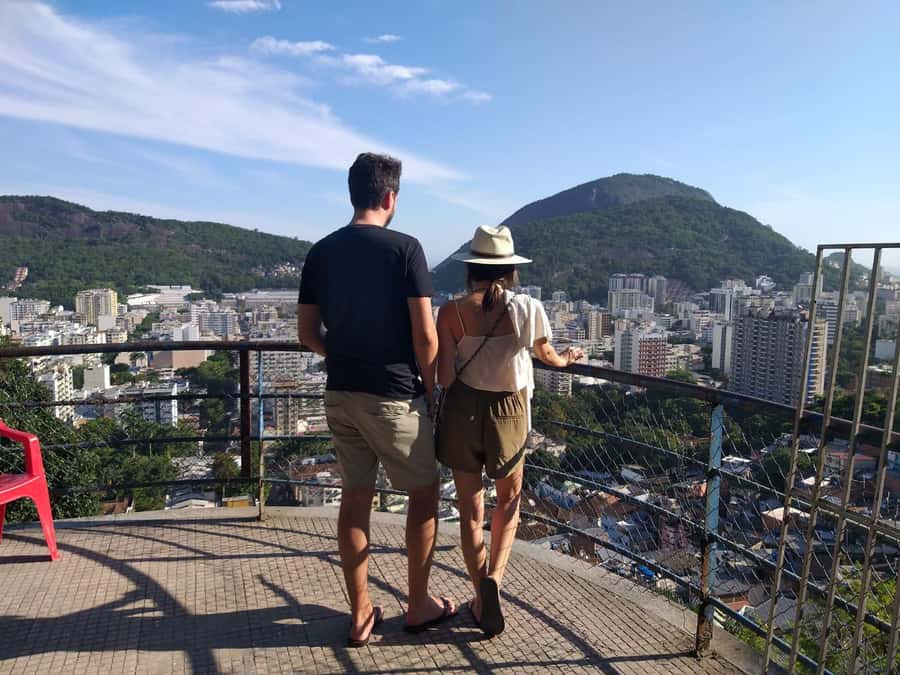
- Local, resident-focused guiding that helps you understand daily life, not just scenery
- Funicular up first, then an on-foot street walk through Dona Marta
- Arts center, sports center, murals, and traditional houses built into the route
- Laje do Michael Jackson viewpoint with the Michael Jackson statue and big mountain views
- Daycare and music/project stops can depend on timing and openings
- Good footwear matters because this is a walking tour and the top is reached by hill or car
Favela Santa Marta: why the walk changes your mental map
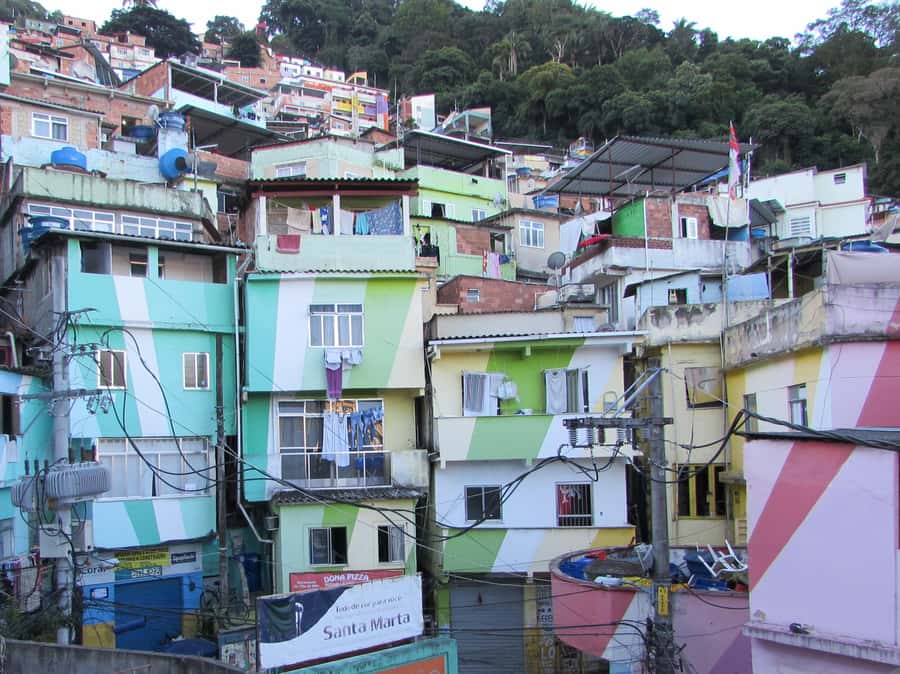
Favela Santa Marta sits in Dona Marta, and the tour is designed to shrink distance fast. You go up first, then move street by street, which makes the place feel connected instead of scary or distant. The colors and murals aren’t just decoration here. They’re part of how residents show pride, creativity, and community.
What I like most is the way the tour balances “what you see” with “what it means.” You’ll hear how people live in the area, including the fact that Dona Marta is home to about 8,000 residents. That one number helps you switch from thinking of a favela as a headline, to seeing it as a functioning neighborhood.
Still, keep expectations grounded. This is not a checklist photo safari. It’s a history and daily-life walk that depends on your guide’s pacing and language fit.
You can also read our reviews of more walking tours in Rio De Janeiro



Funicular up to Dona Marta’s top (and your Plan B)
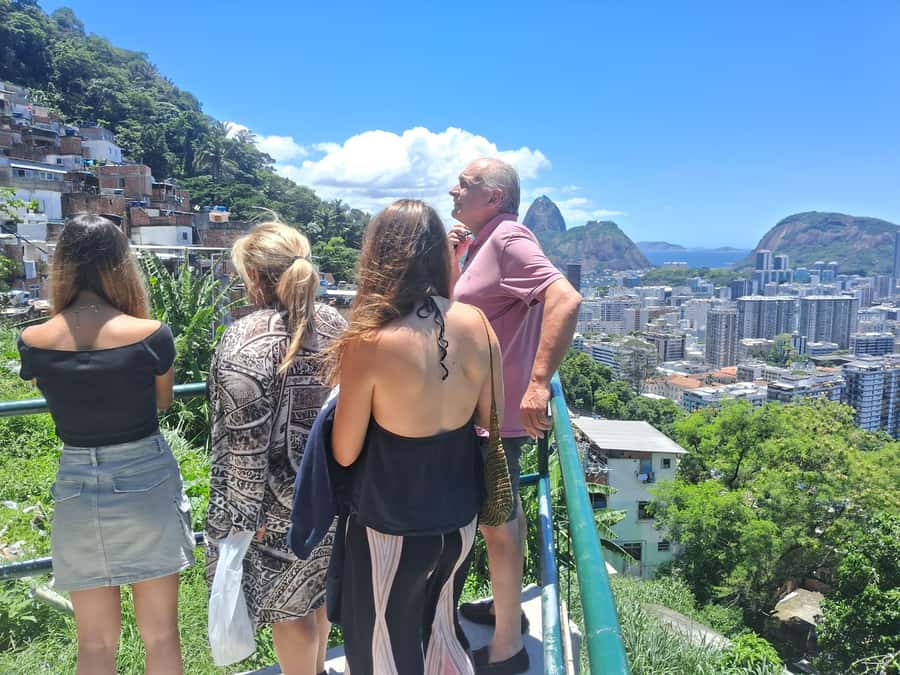
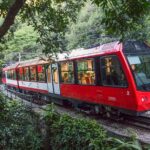
Most tours start with a ride up by funicular to reach the highest part of the favela. That matters because it saves time and energy for the street walk that follows. It also gives you a first “overview moment,” so you understand where you’re going before you start weaving through the blocks.
If the Santa Marta Cable Car is not operating, you’ll have to walk uphill with your guide. You also have the option to take a taxi about R$ 15 (when needed) to get to the top. Either way, wear shoes that work on uneven pavement and stairs.
Timing is also something to watch. One review noted a late guide arrival, which threw off the start time. That’s not the norm implied here, but it’s a good reminder to build a little buffer into your day and to confirm your language preference ahead of time.
Street-level storytelling: murals, houses, and daily reality
Once you’re up, the tour shifts to walking through the streets while learning the history of the colorful houses and how residents use the neighborhood spaces. The goal is simple: you should walk away with the stereotypes stripped out. The tour specifically points you toward educational projects and community efforts, so you’re not just seeing walls—you’re seeing support systems.
As you go, you’ll pass street art murals and colorful traditional houses. These stops aren’t random. They’re used to talk about identity, creativity, and how the neighborhood communicates without waiting for outsiders to explain it.
One more small thing I appreciate: this route isn’t “only viewpoint, only photos.” You’ll spend time moving through the neighborhood, which makes your brain do the work of connecting details. In plain terms, it’s hard to keep misconceptions once you’re standing in the middle of real life.
Dona Marta arts and sports centers: projects you can actually point to
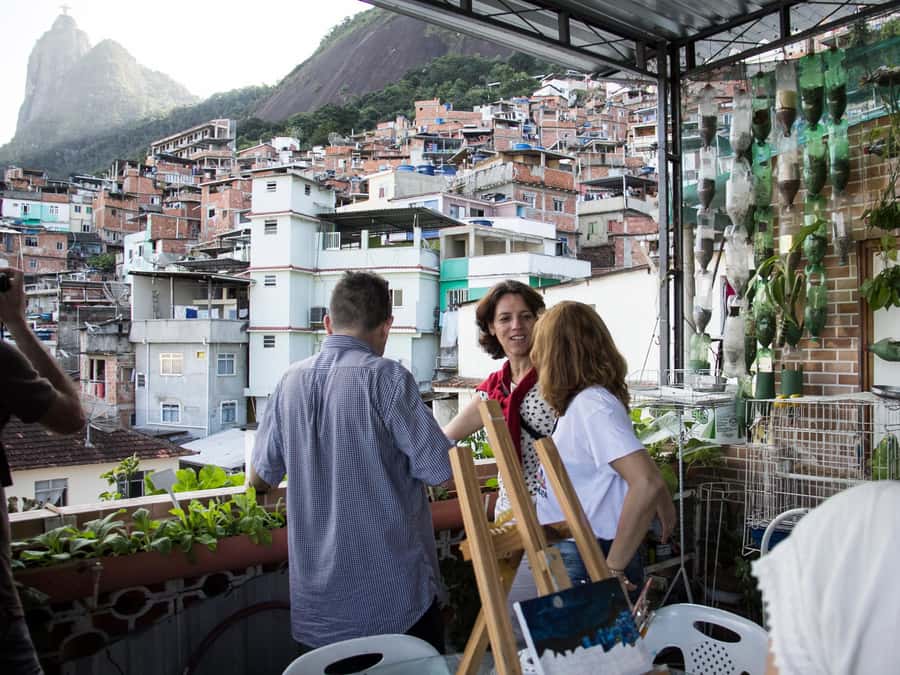
Two of the anchor stops are the Dona Marta arts center and the favela’s sports center. On a lot of tours, you’re told to imagine how communities work. Here, you’re shown spaces built for kids and adults to practice skills, meet others, and stay engaged locally.
Why that matters: sports and arts aren’t only hobbies. They’re community glue. They create routine, build confidence, and give youth alternatives that don’t require leaving the neighborhood. Even if you don’t know how a project operates, the fact that these centers exist—and that the tour takes you there—signals that Dona Marta is actively investing in people.
You may also visit community social projects tied to residents’ groups. The tour includes a stop at the Residents’ Association, which gives you a more grounded view of how decisions and initiatives happen at neighborhood level.
One review had a minor snag: there was talk of a music-related school, but it didn’t happen when expected. The group did hear percussions, then got told it would be later in the day. That’s a useful heads-up: schedule timing can affect which project rooms you see. Your guide should be able to explain what’s available that day.
Laje do Michael Jackson: a pop-culture detour with real local meaning
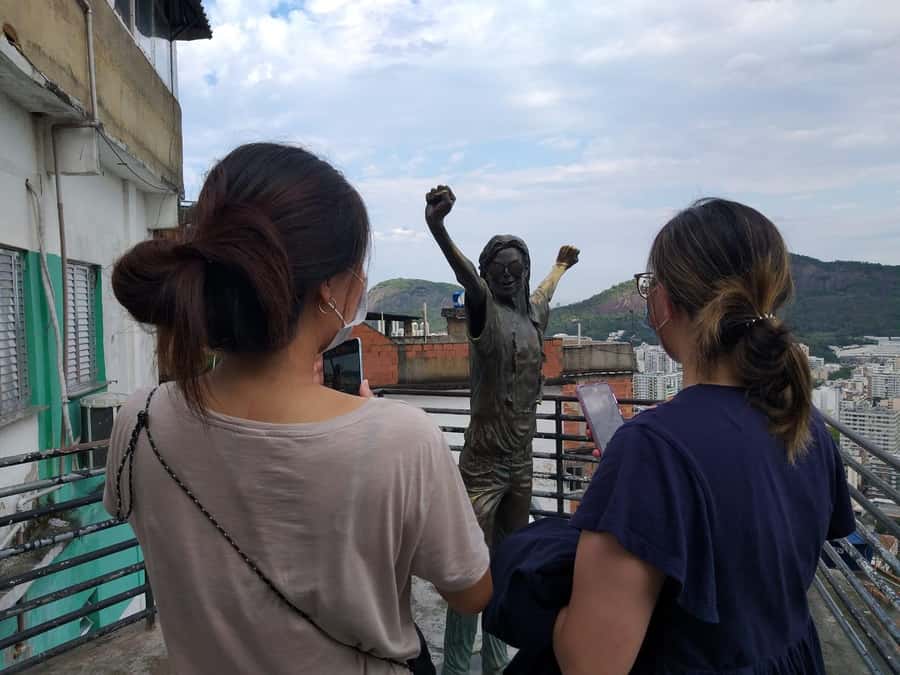
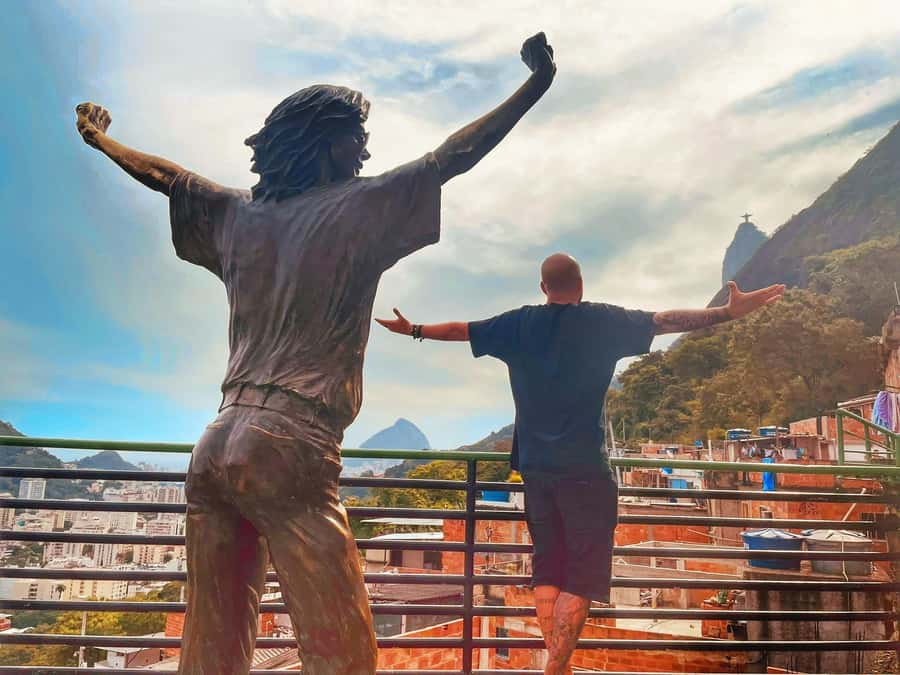
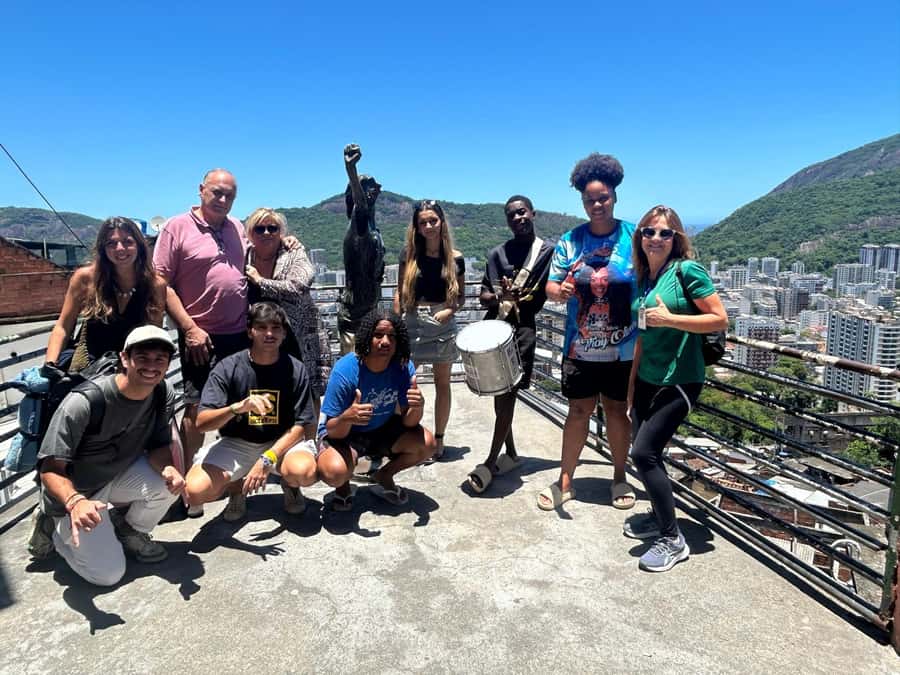
The Laje do Michael Jackson stop is the most movie-related moment of the tour. It’s a viewpoint area with a statue of Michael Jackson, connected to the filming setting for They Don’t Care About Us.
This part works because it’s not treated like a gimmick. You get context for why the location became famous through that video, and you get to pair pop culture with physical place. Then you get the view—wide sightlines across the mountains and the region around Rio.
I’d treat this stop as both a breather and a perspective shift. You’re physically elevated over the neighborhood, so you can take in scale. Then you remember that what looks like a “district” from far away is made of homes, schools, and daily schedules on the ground.
You can also read our reviews of more guided tours in Rio De Janeiro





Included stops and what you may still want to buy
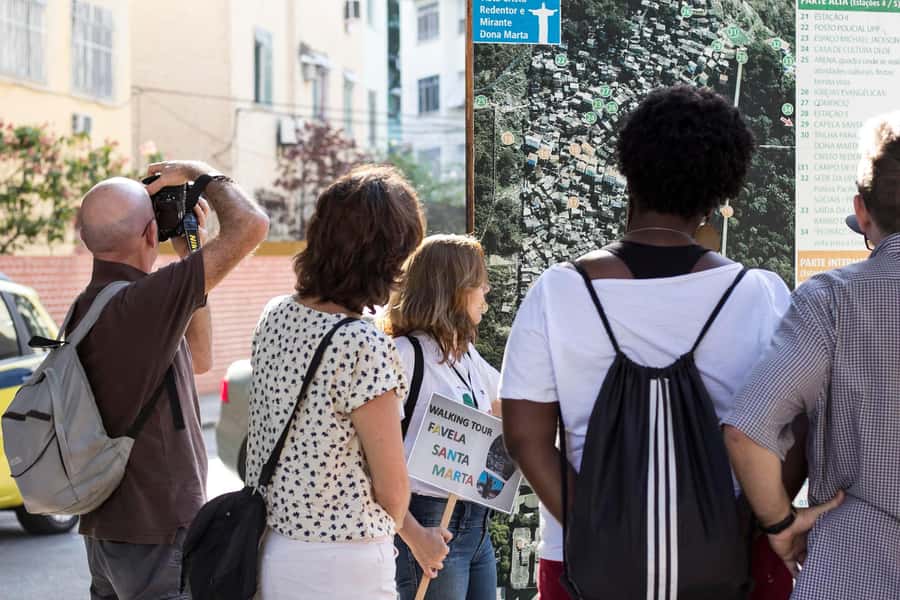
The tour includes a set of community-focused visits:
- Favela walking tour with a local resident guide
- Visit to the community daycare when open
- Visit to handicraft shops
- Visit to the Residents’ Association and social projects
Daycare is explicitly conditional, meaning you should expect it only if it’s open that day. If it’s closed, don’t assume it was skipped. It’s part of how the tour is designed: you go where the community is actually running, not where a tour company thinks it should be open.
Food is not included. You can purchase your own meal or snacks at a pub during the tour. I recommend bringing cash even if you prefer card, because some small shops and purchases work best with bills on hand. Souvenirs and drinks are also easier if you’re ready to pay locally.
Price and value: what $34 gets you in real-world terms
At $34 per person for about 150 minutes, you’re paying for more than walking. You’re paying for (1) a guide who knows residents and projects, (2) a route that includes several community spaces, and (3) language support across English, French, Spanish, and Portuguese.
Is it expensive? For a guided community tour in Rio, $34 is pretty reasonable, especially because the stops are not just “look at this wall.” You’ll cover a funicular ride, multiple buildings/centers, viewpoint time, and handicraft browsing.
When the guide is strong, you’ll get the payoff. Multiple positive comments highlighted that the guide provided lots of explanation, including the origins and way of life in the neighborhood. One guide name that came up was Marco, praised by a French guest for making the experience memorable and speaking French well.
When it’s weak, the value can drop fast. One negative review described limited explanation and a language mismatch, plus a late arrival. That’s the main risk with any tour that depends on guide assignment. Your best defense is to book with your language needs clearly stated.
Timing, group size, and how to plan your day
The tour duration is 150 minutes, and you’ll want shoes that can handle that length. Private or small group options are available, which can help you ask questions and keep pacing comfortable.
Meeting point can vary based on what you book, so double-check your exact pickup location before you leave. If you’re trying to fit this between other Rio plans, give yourself slack. A favela walk has real-world variables: funicular operation, project opening times, and guide pacing.
Weather is another practical factor. The tour can take place in light rain, so dress accordingly. You don’t want to be caught with poor traction or cold feet halfway up.
Safety, respect, and what to bring so the day runs smoothly
This tour is not suitable for people with mobility impairments, so if that’s your situation, plan a different type of visit.
For everyone else, the essentials are straightforward:
- Bring passport or an ID card
- Wear comfortable shoes
- Carry cash for souvenirs, food, and drink
- Expect light rain at times, and dress for it
Respect is part of the package. You’re walking through a working neighborhood with active community spaces. Keep your voice down in shared areas, ask before taking photos, and treat the tour like you’re visiting people—not collecting content.
On the “what to expect” side, the route is built around educational and community stops. That means you’ll spend time listening, not just staring. If you go in ready to ask questions, it feels more personal and less like a lecture.
Who should book this Favela Santa Marta walking tour?
This is a great fit if you want:
- A guide-led, neighborhood-focused experience in Dona Marta
- A walking tour that includes arts, sports, and community spaces
- A pop-culture stop that connects to place, not just a viewpoint
It’s also a good option if you’re traveling with a child, based on a positive review that mentioned doing it with a daughter and finding it interesting and friendly.
I’d think twice if:
- You strongly require a specific language and you’re worried about guide assignment quality
- You need step-free access (the tour is not suitable for mobility impairments)
- You hate walking or uneven streets
Should you book this tour?
Yes, you should book if you’re ready for a guided neighborhood walk that mixes stories with real community spaces, including Dona Marta arts and sports centers and the Laje do Michael Jackson viewpoint. The $34 price makes sense when you value context, not just photos, and the strong ratings point to how much difference a good guide makes—especially someone like Marco who can explain clearly.
Just go in prepared. Bring cash, wear good shoes, and be clear about your language preference. If the cable car isn’t running, expect a tougher start, and if a project is scheduled for specific hours, you might see alternatives based on what’s open that day.
FAQ
How long is the Favela Santa Marta walking tour?
The tour lasts about 150 minutes.
What is included in the tour price?
It includes the favela walking tour, a local resident guide, visits to community spaces such as the Residents’ Association and social projects, community daycare when open, and handicraft shops.
Is there food included?
No. Food is available to buy at a pub during the tour, where you can purchase your own food.
What languages are available for the guide?
The tour offers live guiding in English, French, Spanish, and Portuguese.
Where does the tour start?
The meeting point may vary depending on the option you book.
What should I bring?
Bring a passport or ID card, comfortable shoes, and some cash.
What happens if the Santa Marta Cable Car isn’t operating?
You’ll have to walk to the top of the favela with your guide, or you can take a taxi (about R$ 15).
Can the tour happen in rain?
Yes, it can take place in light rain, so dress accordingly.
Is the tour private or small group?
Private or small groups are available.
Is the tour suitable for people with mobility impairments?
No, it is not suitable for people with mobility impairments.