REVIEW · RIO DE JANEIRO
African Heritage: Gastronomy and Musicality Experience
Book on Viator →Operated by Traveller XP · Bookable on Viator
Rio tells its real story on these streets. This 5-hour private experience in Rio de Janeiro links Afro-Brazilian gastronomy and musicality with major sites tied to African ancestry and the transatlantic slave trade. You also get guided context that pushes past the usual tourist shortcuts and helps the city make more sense.
What I like most is how Isabella (the guide named repeatedly in past experiences) explains history in plain language you can actually use while you’re walking. Second, the day ends in sound and rhythm: a hands-on percussion session plus time in places where Afro-Brazilian culture isn’t staged, it’s practiced.
One consideration: the themes here are heavy. You’ll spend time at sites connected to slavery and human remains, so if you want a light, carefree tour, this may feel like a lot. Also, food is part of the experience and it’s noted as not suitable for people with food restrictions.
In This Review
- Quick hits
- Why This Tour Feels Different Than a Standard Rio Walk
- Morrinho at MAR: Seeing Favela Life Through a Different Lens
- Eduardo Kobra’s Street Art as Ancestral Storytelling
- Pretos Novos and the Reality of Slavery in the Present
- Cais do Valongo and Little Africa: Culture Built From Port Histories
- Quilombo Pedra do Sal: Where Resistance Became Music
- Pedra do Sal Food: Afro-Brazilian and Yoruba Tasting
- Percussion Workshop at Pedra do Sal: Learning Rhythm With People Who Live It
- Largo de São Francisco da Prainha at Sunset: Music Meets Urban Life
- Price and Value: Is $110 a Good Deal?
- Who Should Book This Tour (And Who Might Skip It)
- Should You Book African Heritage: Gastronomy and Musicality in Rio?
Quick hits
- Morrinho Project at MAR: a detailed, on-display model of favela life that challenges stereotypes
- Eduardo Kobra mural viewing: ancestral themes shown through Brazil’s large-scale street art
- Instituto de Pesquisa e Memória Pretos Novos: archaeological context and an exhibition of Africans’ remains
- Valongo and Little Africa: the pier of Valongo and the neighborhood story behind Afro-Brazilian traditions
- Pedra do Sal: Yoruba and Afro-Brazilian tasting plus an instructor-led percussion workshop
- Sunset at Largo de São Francisco da Prainha: samba, funk, jazz, and chorinho in a classic Rio square
Why This Tour Feels Different Than a Standard Rio Walk
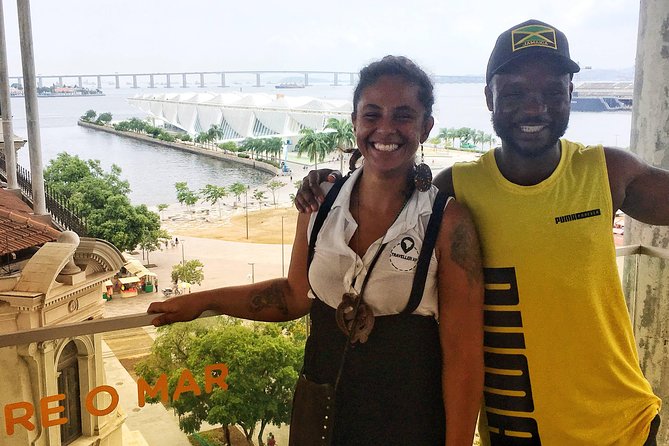
Most Rio sightseeing puts things into boxes: beaches, viewpoints, maybe one museum. This tour works the other way around. It treats Afro-Brazilian heritage as the backbone of Rio, not an add-on. The stops connect history, memory, food, and music so you start seeing how culture survives—and changes—over time.
I also like the pacing of a half-day format like this. With a start time of 10:00 am, you’re not rushed through dark topics at night, and you still have time to plan the rest of your day. At the same time, the route is short enough that you’re not exhausted by the end, especially since it’s a private tour with only your group.
The other big plus is that you’re not just looking at famous landmarks. You’re being guided through places that are part of living identity: community spaces where samba happens weekly outdoors, and cultural sites tied to African religious traditions. That matters because it turns history into something you can recognize in daily life.
You can also read our reviews of more historical tours in Rio de Janeiro

Morrinho at MAR: Seeing Favela Life Through a Different Lens
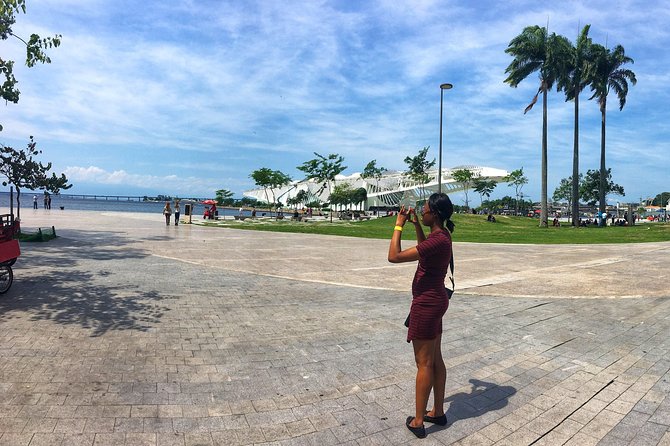
The day begins at Museu de Arte do Rio (MAR), where the Morrinho Project is permanently on display. This isn’t a generic “facts about favelas” stop. Morrinho is a detailed installation—a model that reproduces the streets and daily life of the Pereira da Silva favela, including inhabitants and routines.
Why this matters: too often, favelas get flattened into one image for outsiders. Morrinho forces a slower look. You’re seeing the neighborhood as a real social world—creative, communal, and resilient—rather than a single headline. Even if you’ve visited other parts of Rio, this kind of perspective change tends to stick.
Practical detail: this is listed as about 25 minutes, and admission is free. That’s a good length for absorbing something meaningful without turning it into a lecture that drains your energy. If you’re the type who likes to understand how people live, rather than just where they live, you’ll probably feel satisfied here.
Potential drawback: because this challenges stereotypes, it may feel uncomfortable if your expectations were formed by simplified media stories. It’s not trying to be neutral fluff. It’s trying to help you see people as people.
Eduardo Kobra’s Street Art as Ancestral Storytelling
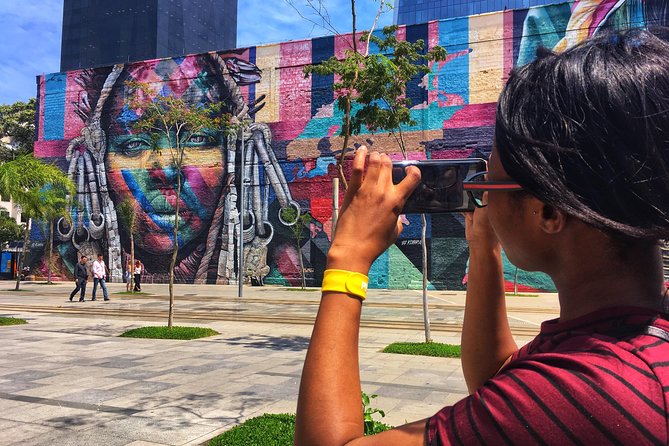
After MAR, you’ll contemplate the art of Eduardo Kobra, known for massive graffiti murals that turn walls into public storytelling. In this experience, the viewing is framed around ancestral ethnic groups and very old cultures linked—directly and indirectly—to the history of Brazil.
This stop works well because it bridges time. It takes what you might consider “street art” and treats it as cultural messaging. It also gives you a visual break after the museum context, while still staying on theme.
You might find this part helpful if you’re worried that the day is all heavy education. It gives your eyes something to decode: symbols, references, and scale. Street art can feel temporary and disposable on the internet; in Rio, it’s often more like public memory.
Pretos Novos and the Reality of Slavery in the Present
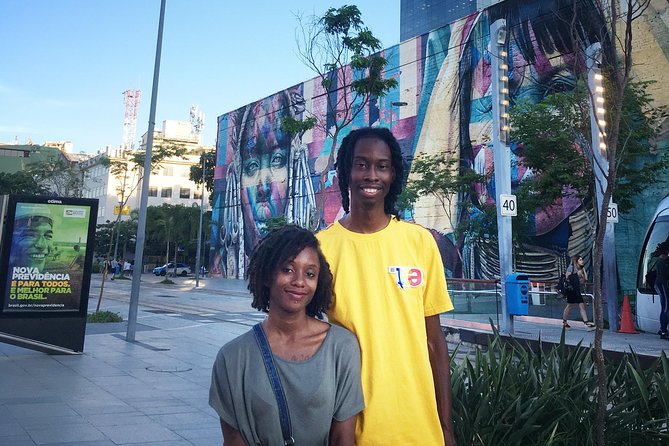
Next is the Instituto de Pesquisa e Memória Pretos Novos (IPN). Here you visit an archaeological site and a permanent exhibition connected to Africans discovered in that place. The emotional impact comes from the fact that this isn’t abstract. It’s about physical remains and what that means for understanding the slave period in Brazil.
Why this stop is so valuable: museums can teach history as a timeline. Sites like IPN force history to become a question you feel. You’re pushed to understand the slave trade as a system with human costs—not just numbers.
Admission is listed as free, and the scheduled time is about 40 minutes. That’s long enough to absorb what you’re seeing, but not so long that you lose track of the human meaning. If you plan to take photos, consider doing it sparingly. This kind of site usually reads better when you’re present, not performing.
Possible consideration: if you’re sensitive to topics involving human remains, take that seriously before you book. This is one of the most important parts of the itinerary, and it may be emotionally demanding.
Cais do Valongo and Little Africa: Culture Built From Port Histories
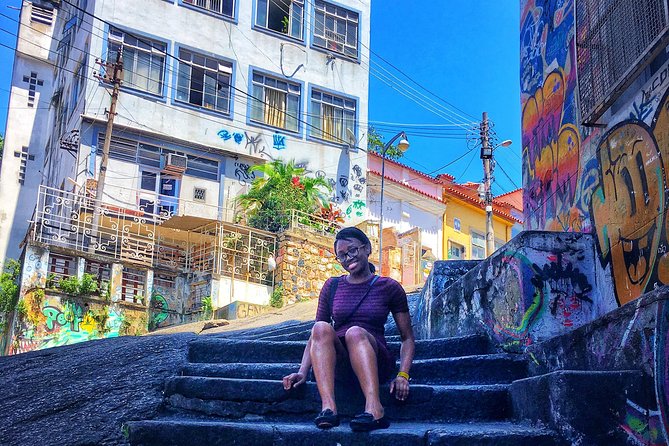
From IPN, you move to Cais do Valongo, the Historical Site of the Pier of Valongo, plus the region often referred to as Little Africa. This is a short stop—about 15 minutes—but it carries major weight in the story of humanity.
The core idea here is simple: the port wasn’t just a place where ships arrived. It became a starting point for traditions, communities, and cultural survival. You’ll learn the history and the traditions tied to the area, and you’ll see why this location matters beyond Rio.
Why I think a short stop works here: Valongo is the kind of place where the meaning is strong even when you don’t spend hours. The guided framing helps you connect it to what you’re going to see next—especially the cultural practices that grew in the wake of forced migration.
If you like “big picture” history that still points to real neighborhoods and ongoing traditions, you’ll probably enjoy how Valongo sets up the later stops around community life.






Quilombo Pedra do Sal: Where Resistance Became Music
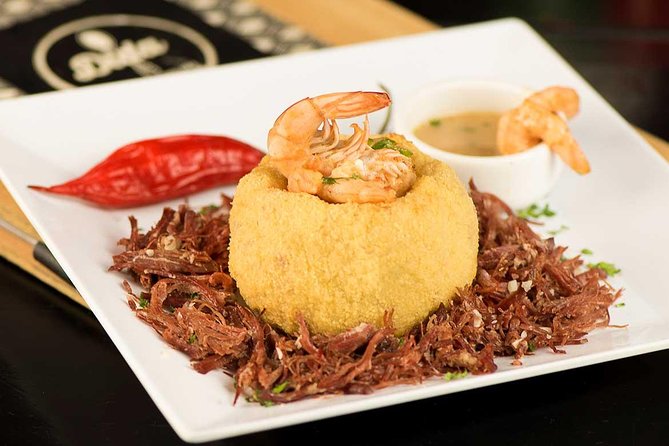
Then comes one of the most human parts of the experience: Pedra do Sal and the surrounding community life connected to Quilombo Pedra do Sal. This area is described as a place of cultural resistance, fundamental for the survival of Afro-descendants and the preservation of their heritage.
Here’s what makes it more than a historical sightseeing point: you’re meeting a remaining community and learning about traditions that are still practiced. The experience also notes weekly outdoor samba sessions where Cariocas celebrate Afro-Brazilian legacy.
Why that matters for you: it changes your understanding of culture from museum artifact to living practice. When you hear samba in a context tied to community survival, it stops being just a soundtrack and becomes a form of memory.
You’re also likely to notice that this section is timed to let you slow down. It’s not just walking-through and leaving. It’s meant to feel like you’re joining the energy of the place, in a respectful guided way.
Pedra do Sal Food: Afro-Brazilian and Yoruba Tasting
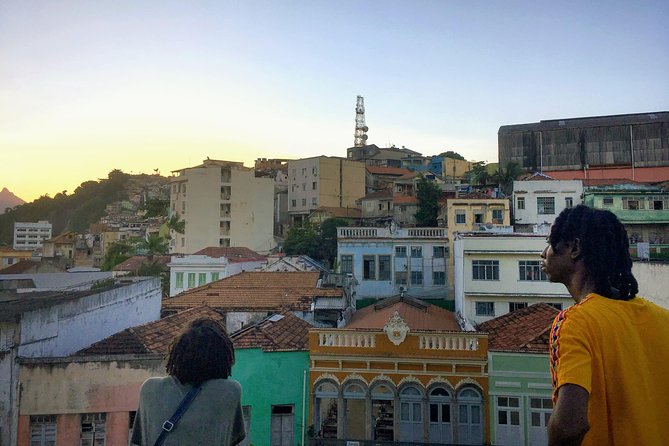
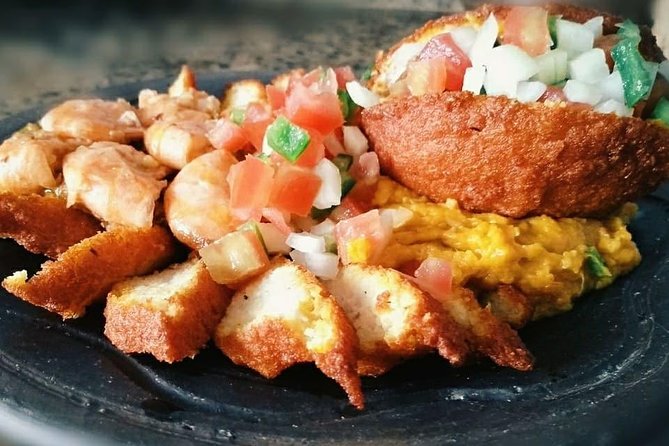
At Pedra do Sal, the experience shifts into gastronomy. You get a tasting of typical dishes of Afro-Brazilian and Yoruba cuisine, tied to daily practice of religions of African origin.
I like how this is handled as part of the cultural story, not as a separate “food break.” Yoruba food and Afro-Brazilian culinary traditions carry identity. They also reflect how ingredients, rituals, and community life got reshaped over generations.
Important practical note: drinks are not included, and it’s stated that the tour is not suitable for people with food restrictions. If you have dietary needs, you’ll want to check very carefully before booking, since this is an included tasting component.
What you can do to get the most out of the tasting: bring an open mindset about flavor and ingredients. You don’t need to know every term to enjoy it. The guide context helps you connect what you taste to what you’re learning.
Percussion Workshop at Pedra do Sal: Learning Rhythm With People Who Live It
Also at Pedra do Sal, you’ll do a percussion workshop led by an instructor and drummer from the African continent. The plan focuses on musical culture that still influences people today.
This is the part where the tour becomes active. Instead of just receiving information, you’re participating in rhythm. That matters because music isn’t only something to admire—it’s something to learn with your body, even if you’re not a musician.
Why this experience hits: the workshop ties back to the historical stops. Ports and slavery are part of the story, but so is creation. Rhythm becomes survival, community connection, and identity in motion.
Timing note: this block is listed as 3 hours for the combined Pedra do Sal immersion with tasting and workshop. That’s a lot of time, so plan on staying present. You’ll likely want comfortable clothes and shoes that can handle walking plus workshop movement.
Largo de São Francisco da Prainha at Sunset: Music Meets Urban Life
To wrap, the tour ends at Largo de São Francisco da Prainha in the Saúde area. This is a classic Rio square where history, music, and everyday urban life mix in a way that’s hard to fake.
The description is very specific about timing: when the sun sets behind Morro da Conceição, the square comes alive with sounds of samba, funk, jazz, and chorinho. You’ll also find outdoor seating, cold beers, and snacks from local bars, with surrounding buildings of Portuguese architecture.
Why I think this ending works: you finish with energy instead of ending on a classroom note. After sites tied to painful history, it’s meaningful to spend your last moments in the soundscape of the city. It feels like a payoff, but not a gimmick.
Practical consideration: since the atmosphere changes with the light and time of day, the feeling here depends on weather. The experience also states it requires good weather, and that matters for any outdoor music-focused stop.
Price and Value: Is $110 a Good Deal?
At $110 per person for about 5 hours, this is priced like an experience with serious guidance and at least one included active component. Here’s where the value comes from:
- The tour includes Afro-Brazilian gastronomy tasting plus a percussion workshop.
- It also includes IPN tickets (and IPN is one of the core historical stops tied to archaeological discovery and memory).
- Several other stops list free admission, so you’re not paying extra entry fees all day.
Drinks aren’t included, so if you like beer or sodas, budget separately. Still, you’re getting more than transport and checkmarks. You’re getting context, guided interpretation, and hands-on cultural participation.
For who it’s worth it: if you care about Afro-Brazilian culture beyond a quick overview, this day is built to support that. If you’re only here for beaches and quick photo spots, you might feel the time is heavy and the pacing too meaning-focused.
The best indicator is how you want Rio to feel. If you want it to connect history to daily sound and food, this price will probably feel fair.
Who Should Book This Tour (And Who Might Skip It)
This tour is a strong match if you want:
- A guided, Afro-centered perspective on Rio’s culture and heritage
- Historical context tied to specific places like MAR, IPN, and Valongo
- Food that connects to Yoruba and Afro-Brazilian traditions
- Music participation through a percussion workshop
You might reconsider if:
- You have food restrictions, since it’s stated as not suitable
- You want a light, mostly carefree outing
- You’re uncomfortable with sites connected to slavery and remains
It’s also designed to be approachable for most people. The experience notes that most travelers can participate, and it’s private, which usually makes questions easier and the pace more comfortable.
If you’re traveling as a couple, solo, or with friends who want more than the usual highlights, this kind of tour tends to land well because it changes how you read the city while you’re there.
Should You Book African Heritage: Gastronomy and Musicality in Rio?
If you’re choosing between a generic Rio tour and something that treats Afro-Brazilian culture as the main character, I’d book this. The mix of Morrinho at MAR, slavery memory at Pretos Novos, port history at Valongo, and then actual food plus rhythm at Pedra do Sal makes the day feel connected, not scattered.
The key reason to say yes: you leave with cultural understanding that shows up in your senses—what you taste, what you hear, and what you learn tied to real locations. Just go in ready for emotional weight at the historical sites, and be sure you’re comfortable with the included tasting.
If that sounds like your kind of Rio, this tour is a solid use of your time.