REVIEW · RIO DE JANEIRO
Rio: Tijuca National Park Small-Group Hike to Pedra Bonita
Book on GetYourGuide →Operated by Jungle Me · Bookable on GetYourGuide
Rainforest trails, then Rio in one sweeping view. This Tijuca National Park hike links the Pedra Bonita viewpoint to the Atlantic rainforest, with that dramatic angle toward Rio’s coast.
I love the intimacy of a maximum 6-person small group and the way guides like Tito (and others) translate the jungle into clear, practical stories about plants, wildlife, and local history.
The main consideration is fitness: even with an easy label, you still hike uneven ground for about 2 hours up and down, with a 203 m elevation gain.
In This Review
- Key highlights to know before you go
- Why Pedra Bonita feels special in Rio
- Getting to Tijuca: comfort for your start, jungle air for the payoff
- The rainforest walk: what “easy” really means on uneven ground
- Stop points that break up the climb without interrupting the flow
- Pedra Bonita summit: the views you came for
- The Tijuca story: coffee farms, reforestation, and why the jungle is here
- Small-group touring: why max 6 changes the vibe
- What to bring and how to prep (so the hike stays easy)
- Price and value: what you’re really paying for
- Who this hike is best for (and who should skip it)
- Should you book this Pedra Bonita small-group hike?
- FAQ
- How long is the overall tour?
- How long is the hiking portion, and what distance do we hike?
- What is the elevation gain for the hike?
- Is this hike really easy?
- How big is the group?
- What’s included in the price?
- Is food or water included?
- What should I bring for the hike?
- Is it suitable for children?
- Is luggage allowed?
Key highlights to know before you go
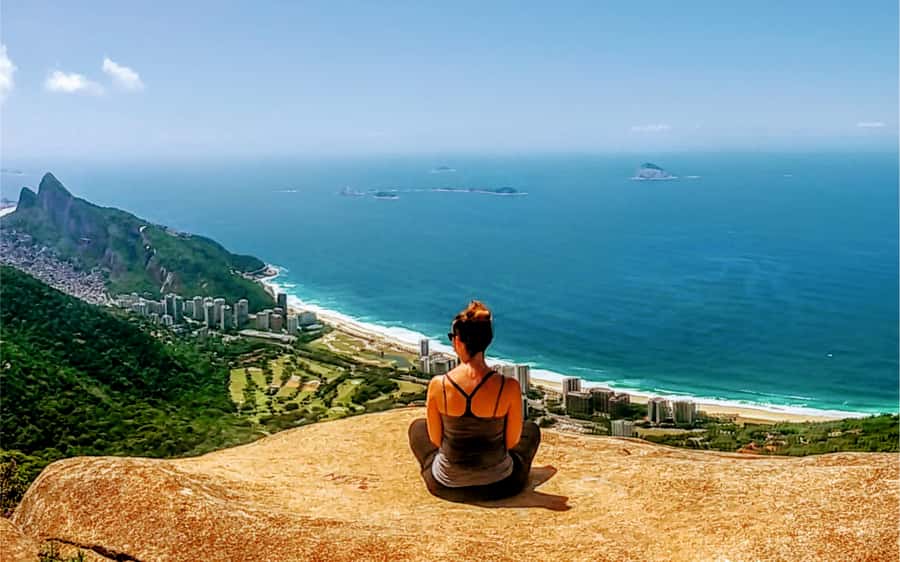
- Pedra Bonita summit views at 696 m that frame Rio’s coastline and the iconic Pedra da Gavea
- Easy hike on paper, steady hike in practice: 3.5 km round-trip, 203 m elevation gain, rainforest footing
- Small group format (max 6) means more time for questions and plant-and-wildlife spotting
- Atlantic Rainforest inside the city: Tijuca is a huge urban forest, and the guide puts it in context fast
- Coffee-farm history and 19th-century reforestation woven into the walk
- Quick photo moments at viewpoints like Vista Chinesa without turning the day into a sightseeing marathon
Why Pedra Bonita feels special in Rio
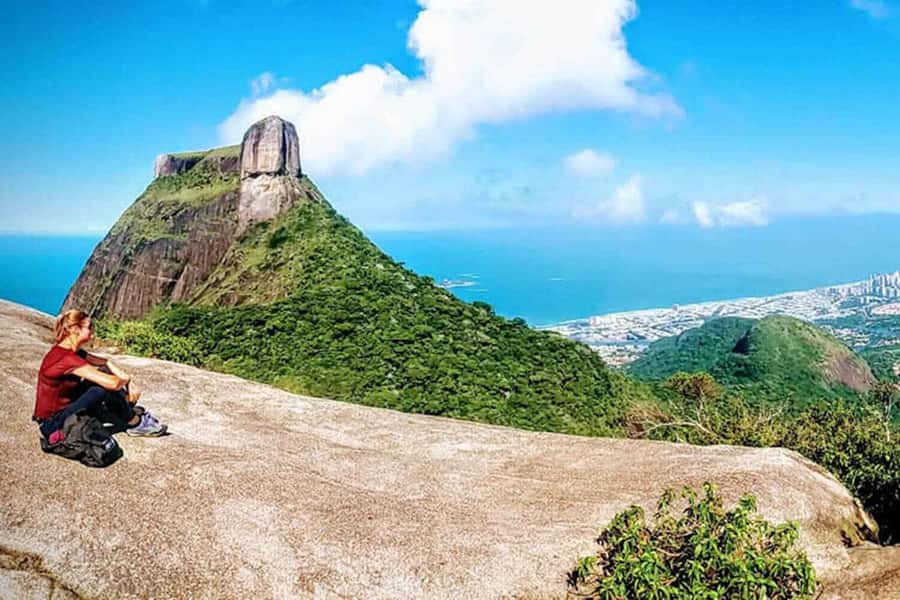
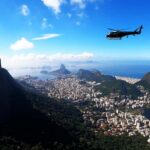
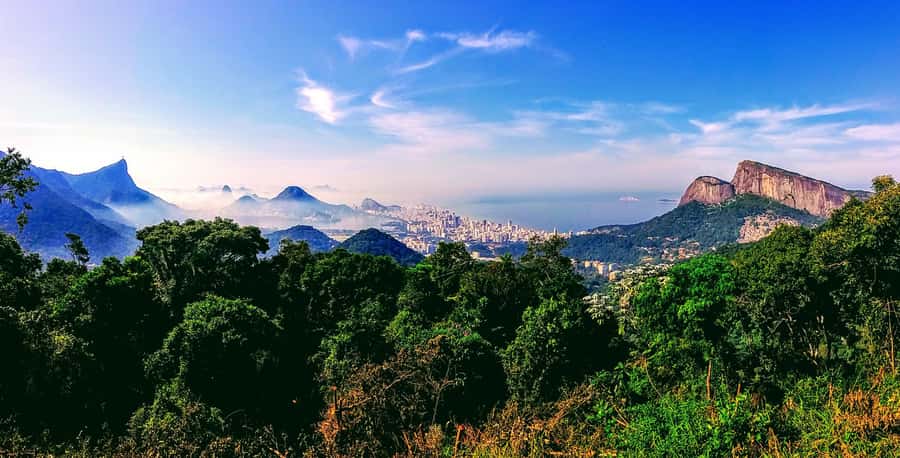
Rio has a lot of lookouts. Pedra Bonita is different because you’re not just staring at the city from above. You’re moving through the jungle first, then stepping out onto rock where the ocean-and-cliff geometry becomes the star.
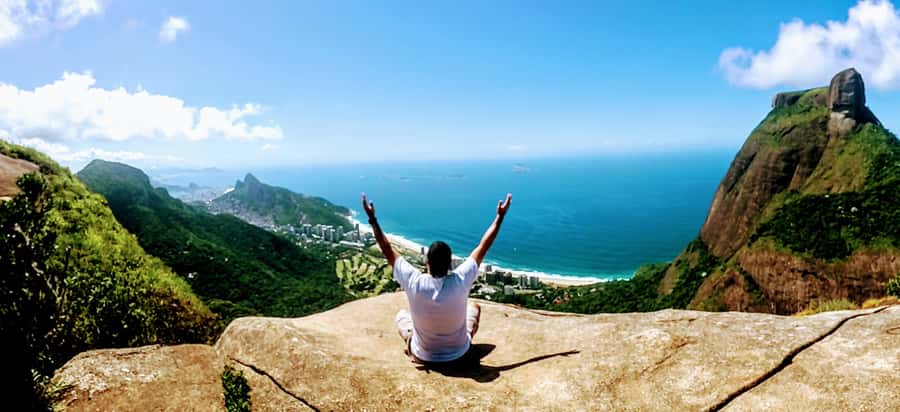
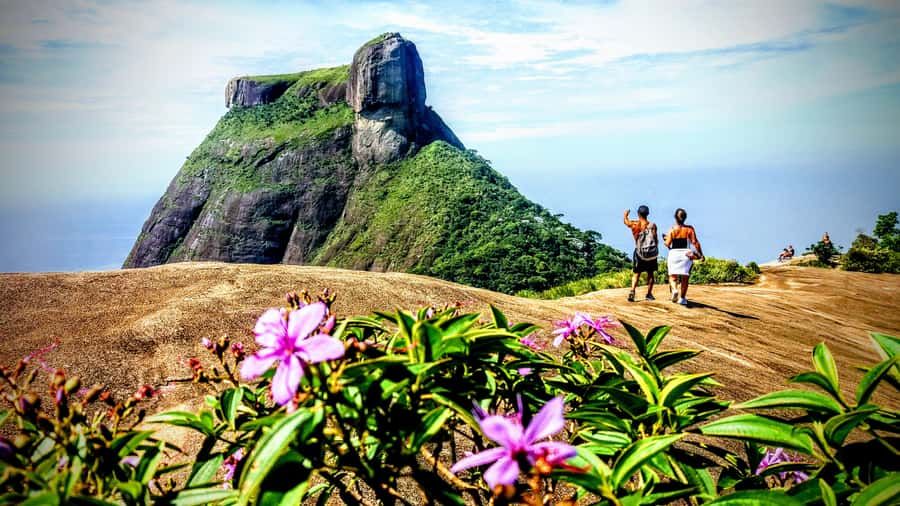
The summit reaches 696 meters (2,283 feet). From there, you get a unique view looking in a way that makes Pedra da Gavea (844 m / 2,769 ft), that famous ocean-ending monolith, feel close enough to touch. It’s the kind of perspective you don’t get from the most obvious tourist spots.
I also like that the experience is designed for “rewarding without suffering.” The hike is short enough to fit in a half-day, but you still earn the views with a real climb through humid rainforest trails.
You can also read our reviews of more hiking tours in Rio De Janeiro

Getting to Tijuca: comfort for your start, jungle air for the payoff
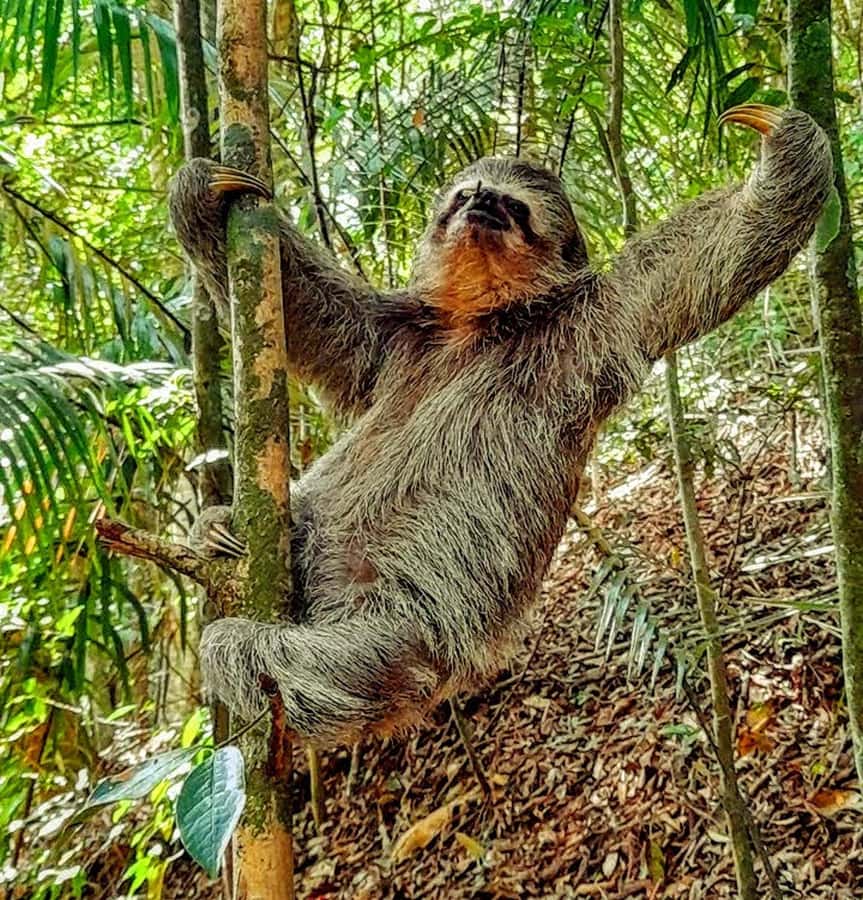
This is built as a straightforward South Zone plan. You’re picked up from a long list of hotels around Ipanema, Copacabana, Botafogo, Flamengo, and nearby areas, then driven up toward the Tijuca Mountains.
Once you reach the park area, the day gets more focused: there’s a short guided introduction (around 20 minutes) that sets you up to notice what matters on the trail—trees, rainforest layering, and what kinds of wildlife you might realistically spot. The goal isn’t to rush. It’s to help you look smarter during the hike.
Transportation time matters here because it determines how comfortable your pacing will be. You’re not starting the trek the second you get out of bed in your hotel. You get time to settle, meet your group, and get the basics before the uphill begins.
The rainforest walk: what “easy” really means on uneven ground
The hike is labeled EASY and is about 3.5 km (2.2 miles) round-trip with roughly 2 hours of hiking time. Elevation gain is 203 m (667 ft), which is enough to feel the climb without turning it into a long grind.
What you need to know is the trail is in rainforest terrain. Even when the grade isn’t brutal, you’ll still deal with uneven footing, roots, and muddy patches depending on conditions. The tour notes that fitness is required, and the operator can refuse participation if someone can’t endure the effort.
The best way to handle this is to treat it like a “steady effort” day. Wear real trail shoes or hiking boots (no sandals), and bring a small daypack. If you’re the type who tends to start too fast, force a slower first 10–15 minutes. You’ll arrive at the viewpoints fresher and enjoy the guide’s stops along the way.
Stop points that break up the climb without interrupting the flow
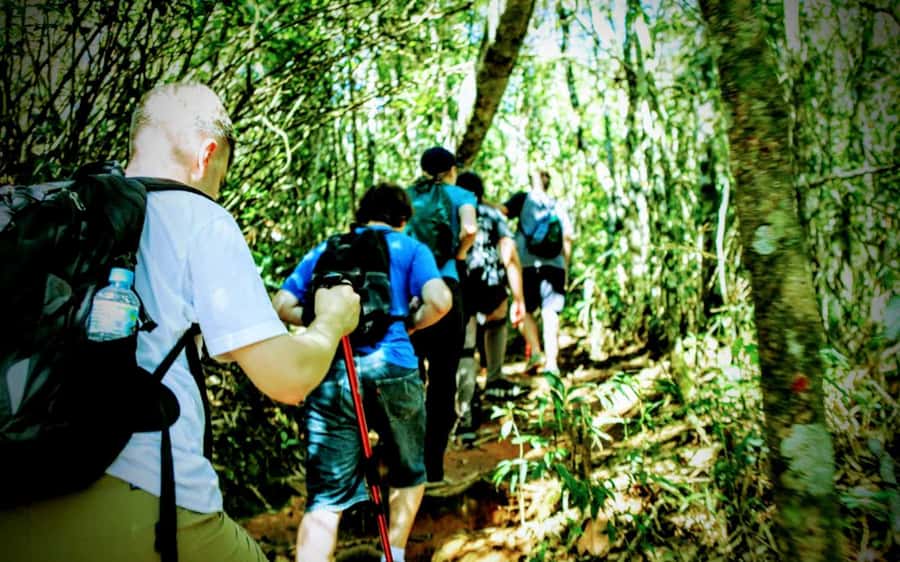
The route is paced with short guided pauses instead of one long push. Along the way, you’ll get viewpoints and photo chances that let you catch your breath and reorient to what you’re seeing.
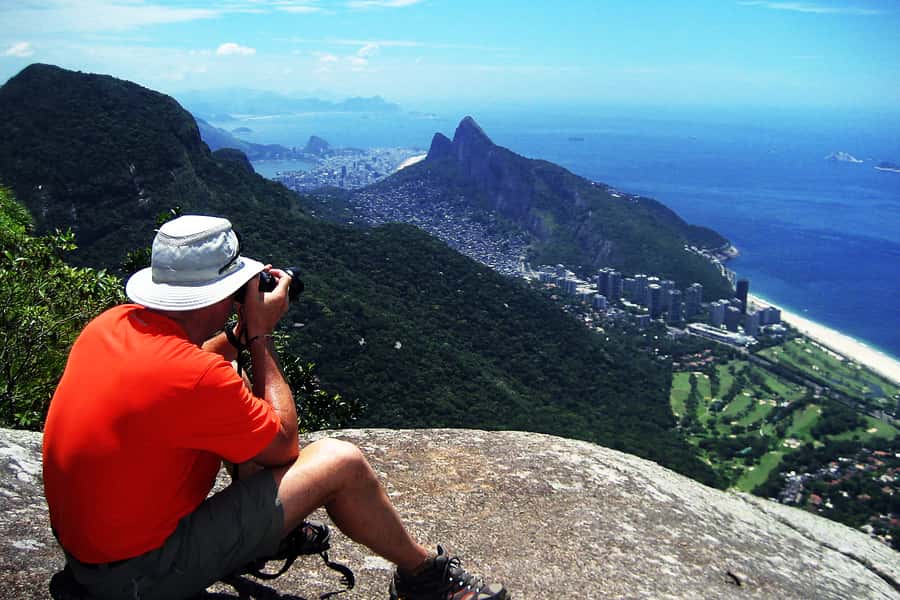
A key moment is at the approach to Pedra Bonita, where you step onto exposed rock and the view opens up. From that angle, the coastline perspective shifts from distant “Rio in general” to specific geographic features—especially Pedra da Gavea and the ocean-facing drama of the cliffs.
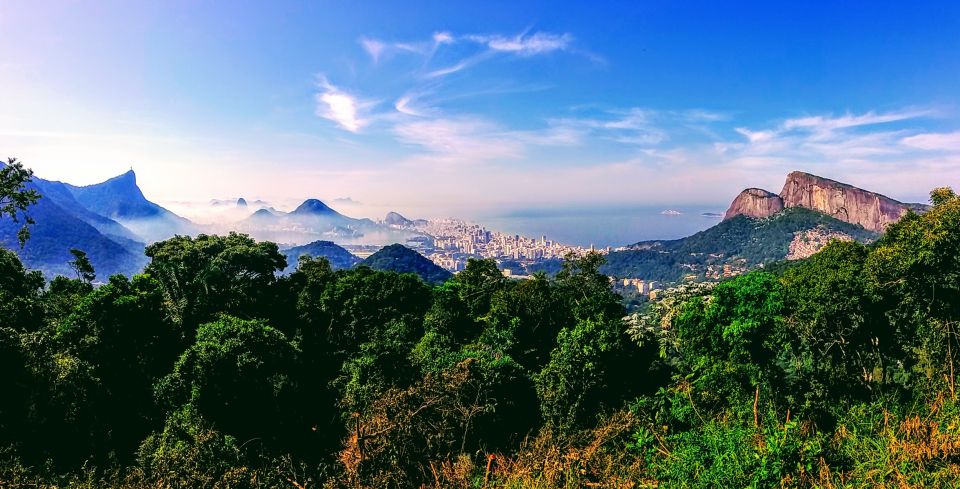
After you descend from the main viewpoint, the tour continues with more park time and another guided segment (about 40 minutes). Then there’s a brief Vista Chinesa photo stop (about 15 minutes), which is handy if you want one more shot of the mountains without adding another full hike.
This structure is why the day feels like a complete experience instead of “walk up, take a photo, walk down.”
Pedra Bonita summit: the views you came for
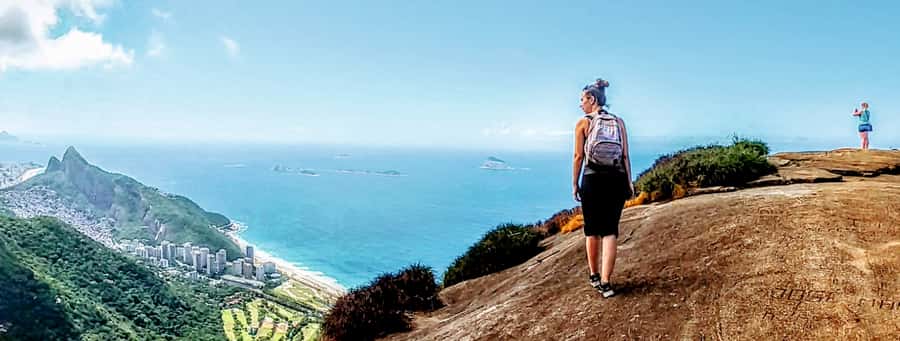
At the top of Pedra Bonita (696 m), you’re going to feel the payoff right away. You look down and out over Rio, and the view tends to click into focus once you realize why this summit is positioned the way it is.
That’s where the unique angle matters. The tour highlights that you can see Pedra da Gavea, one of the highest monoliths in the world, and that it ends directly in the ocean. When you line up that geology with the coastline, the geography turns into something you can actually understand.
Plan for photos, but also plan for stillness. The best view moments aren’t always the ones where you’re rushing to frame the perfect shot. Pause for a minute. Look for the shapes of the cliffs and the ocean edge, then let your guide point out what to notice.

The Tijuca story: coffee farms, reforestation, and why the jungle is here
One of the reasons this hike stands out is that it doesn’t treat the rainforest like scenery. The guide weaves in how Tijuca Forest developed and why it matters to Rio today.
You’ll hear about the park’s history, including the coffee farms that once existed here during the forest’s earlier years. Then you get the 19th-century turning point: reforestation that helped bring the forest back. In practical terms, this gives you a mental map while you walk—what you’re seeing isn’t just “green,” it’s also a recovery story.
This is where the guide can make a big difference. In past groups, guides have been praised for explaining ecosystems, local economy, and history in clear English, not just listing names. If you care about understanding what you’re stepping onto, this part can be the most satisfying.
Small-group touring: why max 6 changes the vibe
A maximum group size of 6 people is not a gimmick here. It’s what makes the guide’s job possible during a short 5-hour day. With a smaller group, the pacing stays human, and you’re less likely to get lost in a line of strangers.
It also helps with the micro-moments: when the guide stops to explain a tree, a fruit, or a wildlife sign, you can actually hear the details. Some guides are especially good at helping you spot animals like monkeys and pointing out the plants you’d otherwise walk past without noticing.
Think of it like this: big tours are about coverage. This one is about attention. That’s what turns a hike into a learning walk.
What to bring and how to prep (so the hike stays easy)
The tour is straightforward, but your comfort depends on your packing. You should plan for rainforest basics and a couple of essentials that make the day smoother.
Bring:
- Water (the guidance is 1 to 2 liters) plus snacks since food isn’t included
- Insect repellent, sunscreen, and weather-appropriate clothing
- Comfortable shoes (sneakers or hiking boots; no sandals)
- A small backpack or daypack
- Any personal items you need for humidity and sun
Also note the “no large bags” rule. Keep it light so you don’t waste energy managing luggage. If you’re carrying camera gear, use a strap and keep your hands free for stable footing on uneven sections.
Price and value: what you’re really paying for
At $63 per person for about a 5-hour experience, this isn’t priced like a quick viewpoint stop. You’re paying for three things that usually cost extra when you do them separately:
1) a bilingual guide (English and Portuguese),
2) transportation from South Zone hotels, and
3) insurance that requires a participant’s passport number, birth date, and full name.
Food and water aren’t included, so you’ll budget for that yourself. But the hike itself is short enough that you’re not forced into buying extra meals. If you show up prepared with water and snacks, the day stays cost-controlled.
The best value angle is the small group and the quality of interpretation. A short trek with excellent guidance can feel like an all-day tour without the all-day cost. If you want views plus context, this price can make sense fast.
Who this hike is best for (and who should skip it)
This is ideal if you want an outdoor Rio experience without committing to a full-day trek. It’s also a good pick if you like learning about rainforest ecology and local history while you walk.
It’s less suitable if you:
- have heart or serious pulmonary conditions or anything that makes cardiovascular effort risky
- need mobility assistance or use a wheelchair
- are traveling with children under 12 (not recommended)
Because the operator may refuse participants they believe can’t handle the effort, be honest with yourself about stamina. The hike is “easy” compared to bigger mountain treks, but it still involves a real climb and uneven rainforest ground.
Should you book this Pedra Bonita small-group hike?
Book it if you want a short, rewarding trek in Tijuca that ends with serious views of Rio—and you appreciate a guide who explains the why behind the jungle, not just the what.
Skip it or choose something gentler if you’re worried about any uphill effort. The route asks you to walk and hike for about 2 hours total on rough terrain, and that’s not a “sit down and stroll” experience.
If you’re comfortable with that, this is one of the better ways to combine Tijuca National Park rainforest time with the kind of Pedra Bonita summit viewpoint you’ll remember long after the photos fade.
FAQ
How long is the overall tour?
The tour lasts about 5 hours.
How long is the hiking portion, and what distance do we hike?
The hike is approximately 2 hours and the round-trip distance is about 3.5 kilometers (2.2 miles).
What is the elevation gain for the hike?
The hike has an elevation gain of about 203 meters (667 feet).
Is this hike really easy?
It’s rated easy, but it still involves up-and-down hiking on rough rainforest terrain, so moderate fitness is required.
How big is the group?
It’s a small-group experience with a maximum of 6 people.
What’s included in the price?
You get a bilingual tour guide (English and Portuguese), insurance, and transportation from designated hotels in Rio’s South Zone.
Is food or water included?
No. You should bring snacks and water (recommended 1 to 2 liters).
What should I bring for the hike?
Bring comfortable shoes, snacks, sunscreen, water, comfortable clothes, insect repellent, weather-appropriate clothing, and a small daypack.
Is it suitable for children?
It’s not recommended for children under 12 years old.
Is luggage allowed?
Luggage or large bags are not allowed.