
REVIEW · RIO DE JANEIRO
Rio de Janeiro: Sugarloaf Mountain Hike and Climb
Book on GetYourGuide →Operated by Nattrip Brasil · Bookable on GetYourGuide
Sugarloaf feels closer than you think. This guided Sugarloaf Mountain hike and climb turns Pão de Açúcar into an active adventure, not just a viewpoint stop. I love how you get multiple panoramic lookouts along the way, and I really enjoy the hands-on part: a 20-meter vertical wall where you practice basic rock-climbing moves. The main drawback is that it is real work on steep, sometimes scramble-y terrain, so it’s not a fit if you have heart problems or serious medical limitations.
You’ll start near the obelisk at Praça Gen. Tibúrcio in Urca, then head out on the Pista Claudio Coutinho trail for an early payoff: Guanabará Bay and Niterói in about 20 minutes. From there, the route gets more technical with stone ramps and belvederes, and you may even spot monkeys in the wild.
In This Review
- Key highlights I’d plan around
- Why this Sugarloaf adventure feels like Rio, not a checklist
- Getting going: Praça Gen. Tibúrcio and the Pista Claudio Coutinho start
- First big views: Guanabará Bay and Niterói in about 20 minutes
- The technical trail: stone ramps and belvederes
- Learning to climb: the 20-meter vertical wall (what it’s really like)
- Pedra Filosofal: the view checkpoint that feels like a reset button
- Summit of Sugarloaf and the cable car descent on Urca Hill
- What’s included, and why that matters for value
- Pickup zones: where it’s easiest to start
- Safety and fitness: who should consider a different Rio plan
- Price and logistics: is $68 a fair trade for 4 hours?
- Who this tour suits best
- Should you book this Sugarloaf Mountain hike and climb?
- FAQ
- How long is the Sugarloaf Mountain hike and climb?
- What is the meeting point in Rio?
- Is hotel pickup included?
- What languages will the guide speak?
- What should I bring?
- Are sandals or flip-flops allowed?
- Is this suitable for people with heart problems?
Key highlights I’d plan around
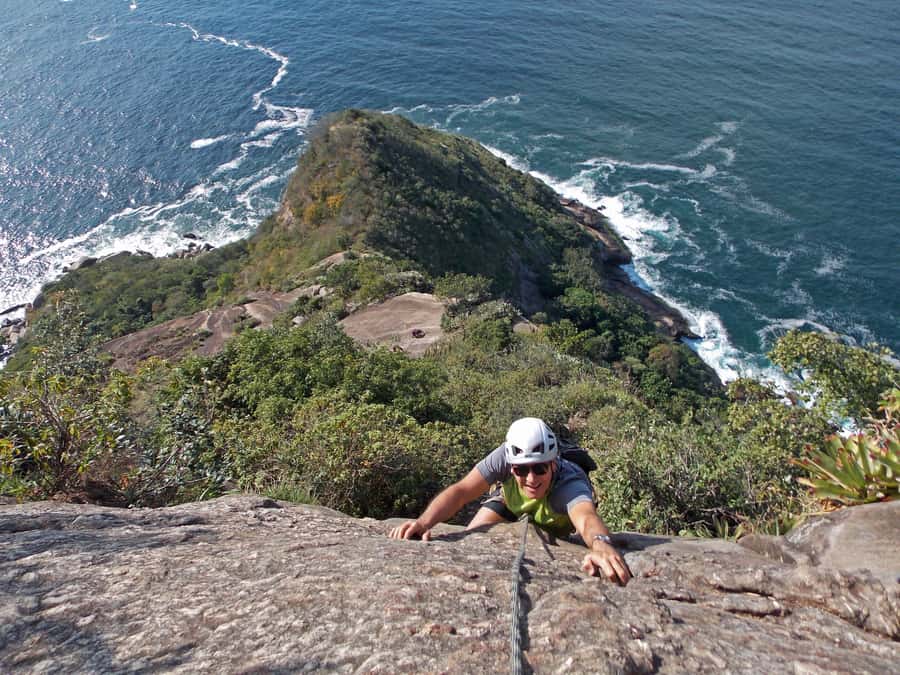
- 20-meter vertical wall with certified climbing equipment and coaching for first-timers
- Views from different angles: Guanabará Bay, Niterói, then the Copacabana–Gávea–Dois Irmãos sweep
- Pedra Filosofal viewpoint as a big visual checkpoint before the summit
- A route that keeps moving: hike, scramble, then climb, then cable car descent
- Wildlife chance: monkeys sometimes show up on the trail
- Guides who focus on safety and encouragement, including climbers like Didi and Sergio
Why this Sugarloaf adventure feels like Rio, not a checklist
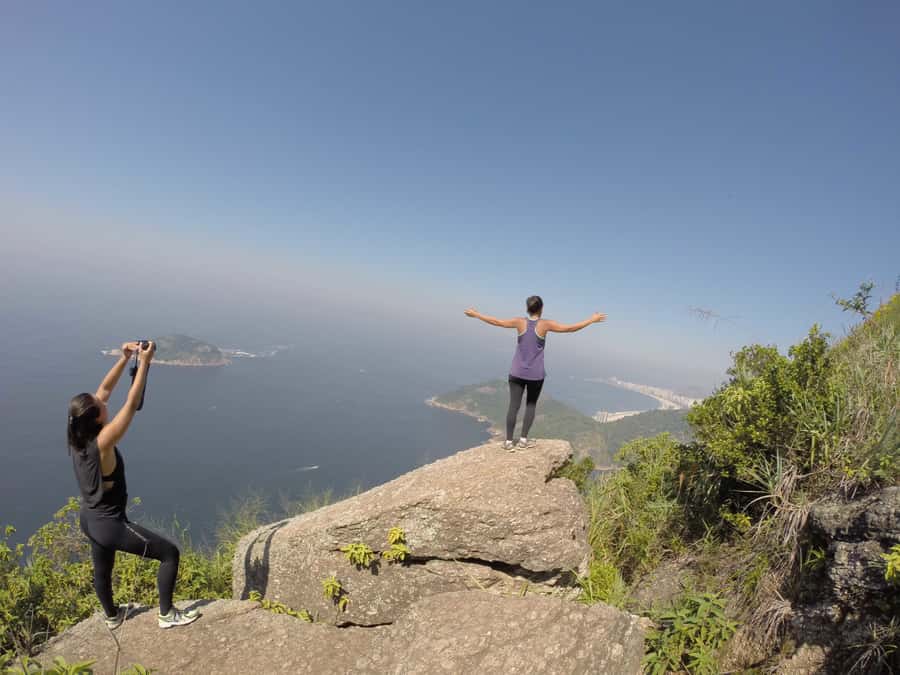
Rio is full of places you can see from a single spot and move on. This experience is different because you earn the views step by step. You’re not just taking photos; you’re hiking up the mountain, tackling rocky sections, then doing a short, structured climbing challenge with proper gear.
That mix is the whole point. If you like active travel, you’ll feel the altitude, the texture of the rock under your hands, and the switch from “easy path” to “hands and feet” without it turning into a full-day expedition. It’s also a great way to see Sugarloaf as part of the landscape of Urca rather than an isolated postcard.
One more thing I appreciate: it’s guided. The trail has technical parts, and the climb is vertical, so having someone teaching holds, pacing you, and keeping you safe matters a lot.
You can also read our reviews of more hiking tours in Rio De Janeiro



Getting going: Praça Gen. Tibúrcio and the Pista Claudio Coutinho start
Meeting is at Praça Gen. Tibúrcio, 75 in Urca, near the obelisk. I like meeting points like this because you can actually orient yourself when you arrive, instead of guessing where a hotel lobby pickup might dump you.
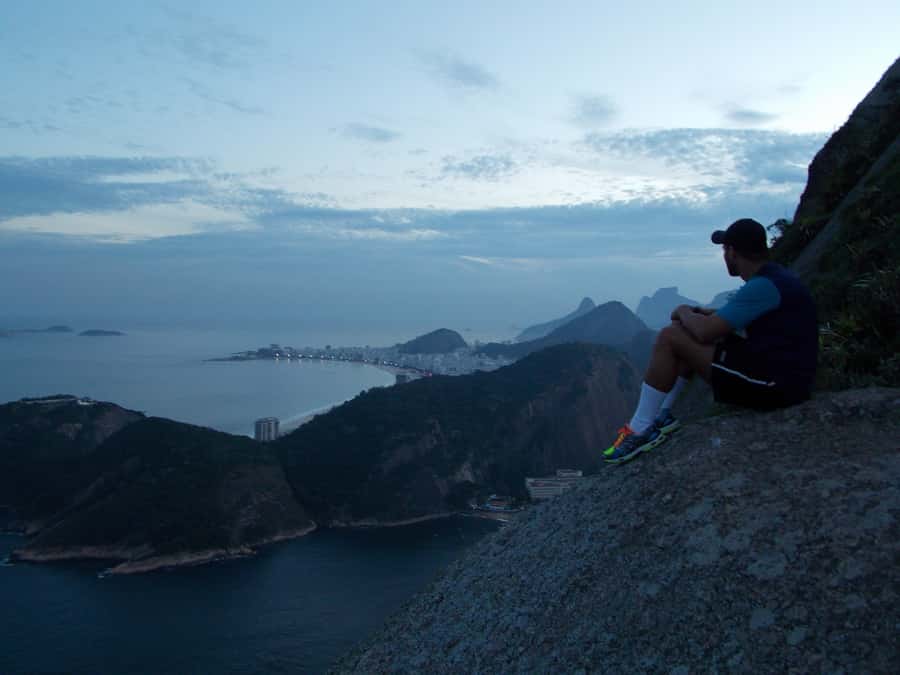
From there, you set off on the Pista Claudio Coutinho route. The early segment is a quick on-ramp to the adventure. In about 20 minutes, you reach a lookout with views over the entrance to Guanabará Bay and the city of Niterói. That’s a smart rhythm: you get a payoff early enough that you’re motivated when the trail later turns more technical.
Pace-wise, the experience is built for a 4-hour total duration. That means you won’t be wandering. You’ll hike, climb, and descend with momentum, which is great if you’re trying to fit a major Rio moment into a short window.
First big views: Guanabará Bay and Niterói in about 20 minutes

This first lookout is more than a pretty stop. It’s where you start understanding Rio’s geography: water lines, the bay entrance, and how Niterói sits across the water. If you’ve only seen Rio from the beachfront, this angle helps you place everything you’ll see later from higher up.
Bring water and plan to keep it in reach. You’ll be moving uphill and working your legs, so a dry “quick sip later” approach turns into “why didn’t I refill” real fast. The tour asks you to bring water and a daypack, and it even recommends 3 liters if you want to stay comfortable.
Also, wear footwear with grip. The tour does not allow sandals or flip-flops, and for good reason: rocky footing and scrambling are part of the day.
The technical trail: stone ramps and belvederes
After those early views, the route gets more demanding. You’ll face a more technical trail, including stone ramps and several belvederes (viewing spots) along the way.
This is one of my favorite sections because it’s where the “hike” becomes clearly an “experience.” You’re still outdoors, still sightseeing, but you’re also solving the trail with your body. You’ll likely use hands at times, and you’ll feel how the rock changes the way you walk.
A practical tip: keep your daypack light. You’re told no luggage or large bags, and that restriction is there to keep the hiking smooth and safe.
And yes, there can be wildlife. One of the fun details from the experience is the chance to encounter monkeys in the wild. Don’t chase them, don’t try to get close, just be aware that your “quiet nature moment” might include a scampering branch overhead.
Learning to climb: the 20-meter vertical wall (what it’s really like)
Here’s the part that turns this from a normal hike into a real adventure: a 20-meter high vertical wall. The tour provides certified climbing equipment and a guide who coaches you through the climb.
If you’ve never climbed before, this is still the right style of challenge. The intent is basic rock climbing, which means you’re not expected to have advanced technique. In the field, you’ll be shown how to use holds and where to place your feet.
What I like about this setup is that it’s structured. You don’t wander into technical rock on your own. You go when the guide says you’re ready, you get gear, and you’re guided through the moves. Guides like Sergio and Didi are known for encouragement and helping you find the right hand and foot positions, which matters when your brain starts doing that thing where it suddenly thinks you’re much higher than you are.
Height can be a factor. If you’re not comfortable with exposure, talk that through with your guide at the start. Being able to pace yourself and breathe helps a lot, and several guides are praised for creating a safe feeling on the climb.






Pedra Filosofal: the view checkpoint that feels like a reset button
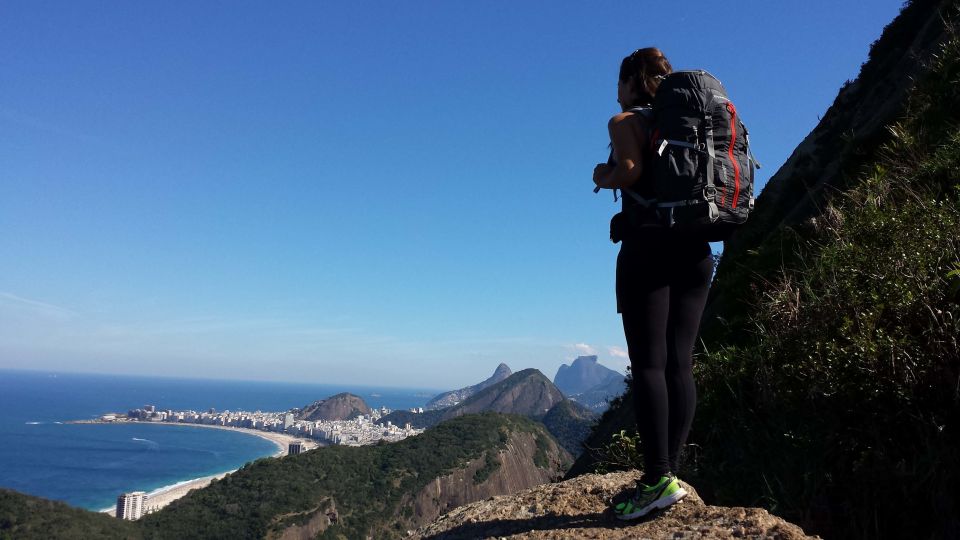
Once you reach Pedra Filosofal, you’ll get a major panorama spread. This is where the tour really shows off Rio’s famous landmarks at once: Copacabana Beach, Pedra da Gávea, and Morro Dois Irmãos.
I think of this as a reset point. Up to now, you’ve been working your body. At Pedra Filosofal, you can stop being “in the climb” and become “in Rio.” It’s also a great moment for photos because the view is wide, not just straight ahead.
If the weather is clear, expect the payoff to feel bigger. The tour notes that the itinerary and sightseeing order may change due to weather or adverse conditions. That’s not a flaw; it’s reality on a mountain. Plan for the possibility of shifting timing so you don’t get grumpy if clouds roll in.
Summit of Sugarloaf and the cable car descent on Urca Hill
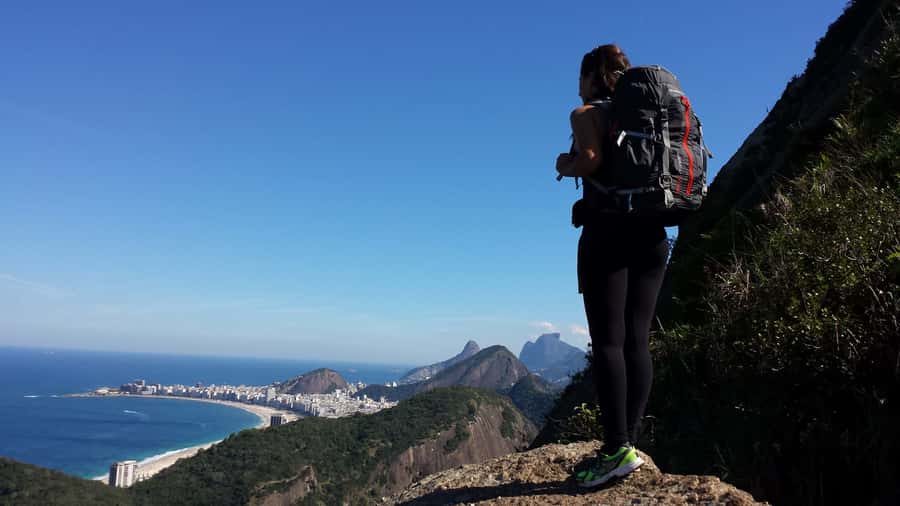
From Pedra Filosofal, you continue onward to the summit of Sugarloaf Mountain, then begin the descent using the cable car back down to Urca Hill.
The descent is one of those smart travel choices. After climbing and scrambling, a cable car ride saves your legs and lets you enjoy the moment instead of feeling like you’re just trying to survive the way down. It also keeps the total day tight, which is a big reason the duration lands at around 4 hours.
Some people also mention small extras at the top, like grabbing a quick bite such as pizza before the cable car. The exact timing of any food moments can vary day to day, but it’s common for the summit to be a “slow down and take it in” moment.
And for the record: early in the trip, you’ll be climbing and working. Later, you’ll be standing still, looking out, and suddenly realizing you can see half the city.
What’s included, and why that matters for value

At $68 per person for about 4 hours, the value is not just “a guide and a viewpoint.” You’re paying for a coordinated mix of hike + climbing with safety gear and insurance built in.
Included items you should care about:
- Bilingual guide (English, Portuguese, and Spanish are offered)
- Certified climbing equipment
- Personal accident insurance
- Hotel pickup and drop-off if you book the transportation option (where eligible)
- All taxes, fees, and handling charges
For me, the key value drivers are the gear and the insurance. The climb is vertical and equipment isn’t optional when safety matters. Certified hardware and coverage mean you show up to the climb ready, not improvising with borrowed sneakers and hope.
Pickup zones: where it’s easiest to start
Pickup is optional, and it only applies if you book the transportation option. It’s designed to pick up most hotels in the South Zone and Downtown Rio. If a specific accommodation isn’t in the pickup net, you’ll be redirected to the nearest available pickup location.
Hotels in Barra da Tijuca, Recreio, São Conrado, and Santa Tereza aren’t eligible for pickup. If you’re staying in those areas, it’s worth planning to get yourself to Urca and the meeting point.
Also, note the tour doesn’t allow pets or luggage/large bags. So if you’re carrying beach gear or a big day suitcase, factor time for packing down before you meet the group.
Safety and fitness: who should consider a different Rio plan
The tour isn’t recommended for people with heart complaints or other serious medical conditions. If that’s you, skip this and choose a gentler Sugarloaf experience instead.
You should also come with comfortable footwear with good grip. Sandals and flip-flops are specifically not allowed. And you’re told to bring water and a light snack (it’s recommended that you bring sunscreen too).
A blunt reality check from the experience tone: even if you can climb stairs and walk uphill, you’ll still face steep sections and scrambling. Several guides are praised for safety and encouragement, but the physical effort is part of the deal. If you’re average fitness, you can likely do it, as long as you pace yourself and listen to the guide. If you’re unsteady on your feet, that’s the signal to rethink.
Finally, no alcohol/drug use before or during the activity, and weapons aren’t allowed. That’s about safety and liability, not moral advice.
Price and logistics: is $68 a fair trade for 4 hours?
For a hike and climb that includes a 20-meter wall, certified equipment, an expert guide, and personal accident insurance, $68 is a reasonable price. You’re not paying for a chair to look at Rio. You’re paying for instruction, gear, and a real outdoor activity that you can’t safely DIY in the same way.
Where the money can be a waste is if you’re not physically prepared for steep terrain or you can’t handle heights. In those cases, you’ll spend the day thinking about discomfort instead of enjoying the views.
If you want your Rio day to include both a workout and a standout sight, this one is good value for what’s actually happening.
Who this tour suits best
I’d point this toward you if:
- You want active sightseeing and a short but meaningful adventure day
- You like learning by doing, especially with climbing coaching
- You want big Rio panoramas from multiple points, not just one cable car stop
- You’re comfortable with steep walking and using your hands sometimes
I’d skip it if:
- You have heart issues or serious medical concerns
- You want a fully gentle, stroller-friendly plan
- Heights and exposure stress you out more than you can manage
Should you book this Sugarloaf Mountain hike and climb?
Yes, if you’re choosing one “real adventure” in Rio for a half-day, this is a strong pick. The pricing makes sense for what’s included, and the experience has a clear arc: views early, technical hiking next, a coached climb at a vertical wall, then a summit payoff and cable car descent.
If you’re unsure about fitness, go conservative with expectations. Wear good shoes, bring water, and tell your guide if you need a slower pace. The climb is built as basic instruction, and the best part is you’ll still come away with Rio views that feel earned.
FAQ
How long is the Sugarloaf Mountain hike and climb?
The duration is 4 hours.
What is the meeting point in Rio?
Meet your guide at Praça Gen. Tibúrcio, 75 – Urca, Rio de Janeiro – RJ, 22290-270, Brasil, near to the obelisk.
Is hotel pickup included?
Pickup is optional. If you book the transportation option, hotel pickup and drop-off are included when available in the South Zone and Downtown Rio. Some areas are not eligible.
What languages will the guide speak?
The live tour guide speaks Spanish, English, and Portuguese.
What should I bring?
Bring water and a daypack. A light snack and sunscreen are also recommended (water around 3 liters is advised).
Are sandals or flip-flops allowed?
No. Sandals or flip-flops are not allowed. You should wear comfortable footwear with good grip.
Is this suitable for people with heart problems?
No. The activity is not recommended for people with heart complaints or other serious medical conditions.