
REVIEW · RIO DE JANEIRO
Little Africa – Walking tour from the passed to the future
Book on GetYourGuide →Operated by Viajecom Io Turismo Viagem e Intercâmbio · Bookable on GetYourGuide
Little Africa has gravity. This 3-hour Rio walking tour uses the streets of a former slave-era trading zone to explain how African heritage shaped Brazil—then looks toward what comes next. You’ll move at a walking pace through alleys where the layers of history still feel close, with a guide who frames the trip as more than sightseeing.
I like the way the tour focuses on African heritage in Brazil, not vague “culture talk.” I also love how the storytelling often lands with emotion, which is why guides like Larissa and Gabriela stand out in the way they connect details to real human lives.
One thing to plan for: English quality can vary by guide, and you may run into an extra museum entry fee at a stop that’s not always included in the base price.
In This Review
- Key Highlights Worth Planning For
- Little Africa Still Matters in Rio’s Black Heritage Story
- A 3-Hour Walk Through Markets, Stores, Houses, and Graveyards
- Why the “walking through alleys” format is worth it
- The one drawback: you need to be ready for close-up history
- Art and Culture: The Past-to-Future Thread
- What you should watch for during the walk
- Language on the Day: English, Portuguese, Spanish (and Real-World Tips)
- Price and Logistics: What You’re Actually Paying For
- Is it good value?
- Meeting Point and What to Bring So the Tour Flows
- What I’d bring (based on how the tour operates)
- Who This Tour Is Best For (and Who Should Be Careful)
- Great match if you:
- Be cautious if:
- Should You Book This Little Africa Tour?
- FAQ
- How long is the Little Africa walking tour?
- Where is the meeting point?
- What is included in the tour price?
- What is not included?
- What languages are offered for the tour?
- How much does it cost?
- Are there discounts for children?
- Is there a minimum number of customers?
- Is ID required?
- Is cancellation flexible?
Key Highlights Worth Planning For
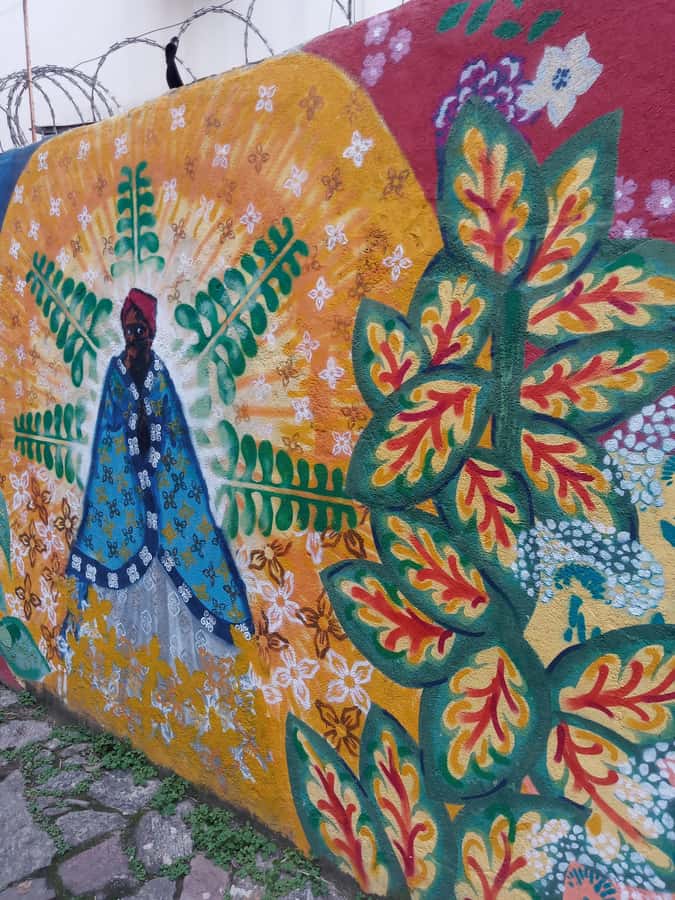
- Black heritage built into the route across a former slave open market area
- Art and culture explanations that connect the past to what you see today
- Emotional storytelling that can feel intense if you’re not expecting it
- 3 hours on foot through alleys and historical spots in the Little Africa zone
- English, Portuguese, and Spanish guided options, depending on the day/guide
- Budget reality: ticketing can be split between the tour cost and a museum stop
Little Africa Still Matters in Rio’s Black Heritage Story
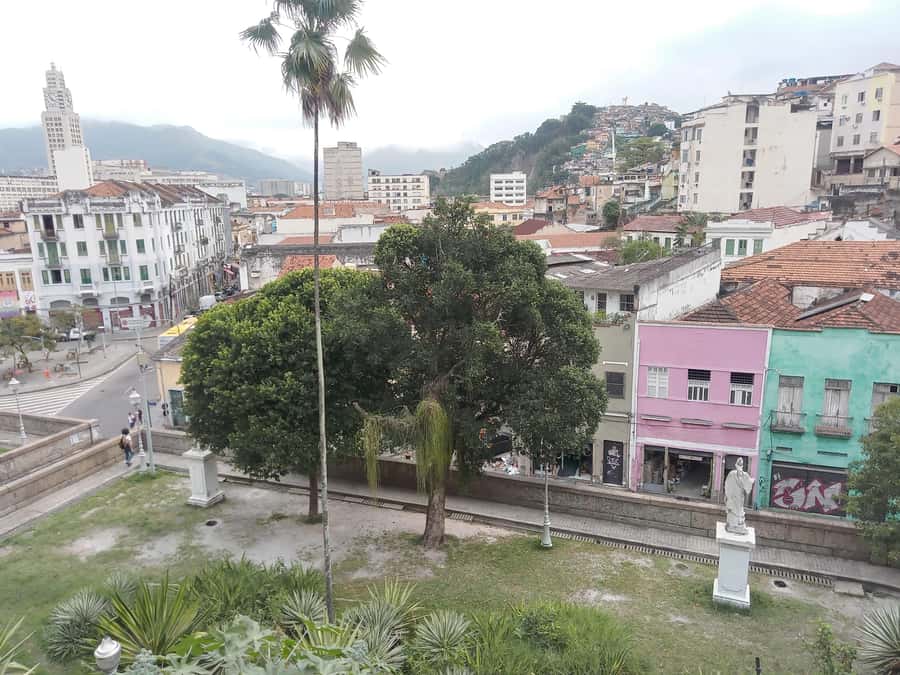
If you want Rio that’s more than beaches and samba clubs, this tour is a smart pivot. Little Africa is the name many people use for an area that used to be a key entry point in Rio for men, women, and children arriving from the African continent. That history didn’t stay in the past. It shaped the city’s culture, community life, music, art, faith, and family stories.
What makes the area powerful is that it isn’t presented as an abstract lesson. You’re walking through a zone that historically included an open slave market, plus stores, houses, and graveyards. Even if you don’t see everything with your eyes, you’ll understand why the guide’s remarks matter: they’re designed to help you read the place like a living document.
And yes, expect a lot of people to get emotional. This isn’t framed as a casual stroll. It’s respectful, and you’ll want to match that tone—quiet attention, no rushing, and a willingness to sit with the weight of what you’re learning.
You can also read our reviews of more walking tours in Rio De Janeiro



A 3-Hour Walk Through Markets, Stores, Houses, and Graveyards

The tour lasts about 3 hours, and it’s built around the idea that history sticks better when you physically move through it. You start from downtown Rio de Janeiro, then head into the Little Africa area on foot.
Here’s what that means in practice: you won’t be staring at one single monument. Instead, you’ll pass through multiple historical moments in the same general neighborhood. The guide points out what this area used to be—how people entered the city, how commerce worked, and how everyday life and survival played out in a network of stores, houses, and burial places.
Why the “walking through alleys” format is worth it
Alley streets can feel small and ordinary until someone gives you the right context. Then the geometry changes. Doors, corners, and street layouts start to make sense as part of how the space functioned. You get a sense of how dense, busy, and high-stakes life was in that era.
If you’re the kind of traveler who likes learning by observation—good. This tour rewards that instinct. It also helps that the guide is expected to guide your attention, not just recite dates.
The one drawback: you need to be ready for close-up history
This is not “hands-off” history behind glass. Some parts of the story connect directly to human suffering and displacement. If you know that kind of content drains you fast, plan your day so you’re not immediately rushing into something upbeat right afterward.
Art and Culture: The Past-to-Future Thread
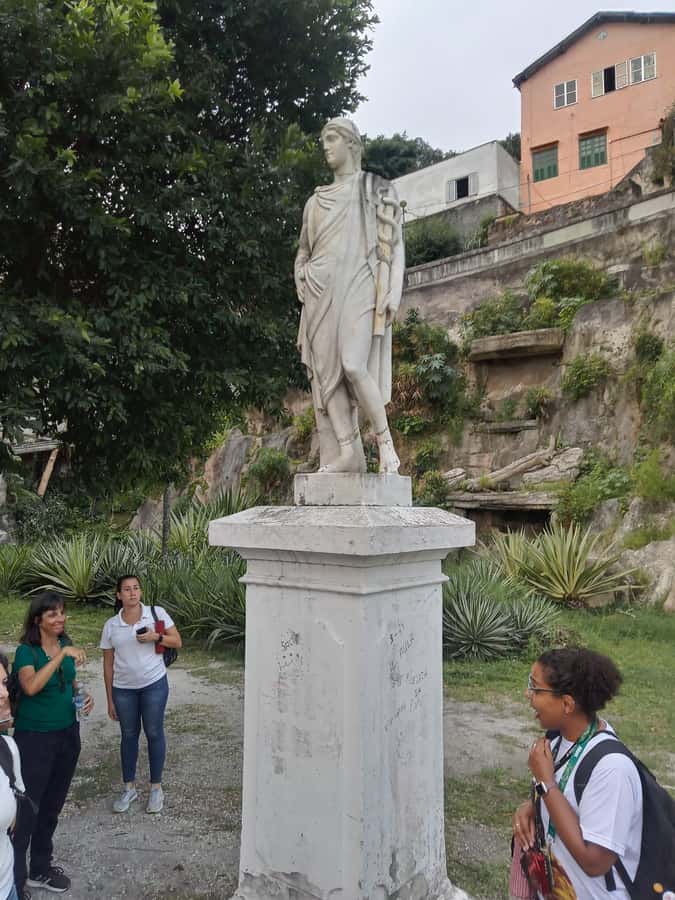
The tour’s title hints at the big idea: Little Africa – Past to the Future. In other words, you’re not only learning what happened—you’re being asked to notice what continues.
You’ll see how Black history and heritage show up through art and culture. That can include how communities expressed identity, how creativity survived oppression, and how cultural memory gets carried forward. You’ll also likely connect the dots between the historic space you’re walking through and the lived Brazil that exists now.
This is where guides make a difference. In the feedback, guides like Luana and Rafael were described as thoughtful, kind, and energetic—exactly the combination you want when history turns heavy. A strong guide doesn’t just explain what happened; they help you visualize it, step by step, so the story feels present rather than distant.





What you should watch for during the walk
Pay attention to the guide’s prompts. The tour’s format depends on you noticing small things—where you are in the neighborhood, what the guide emphasizes, and why a particular remark is placed at that moment on the route. If you tune out because you’re thinking about lunch, you’ll lose the point of the tour.
Language on the Day: English, Portuguese, Spanish (and Real-World Tips)
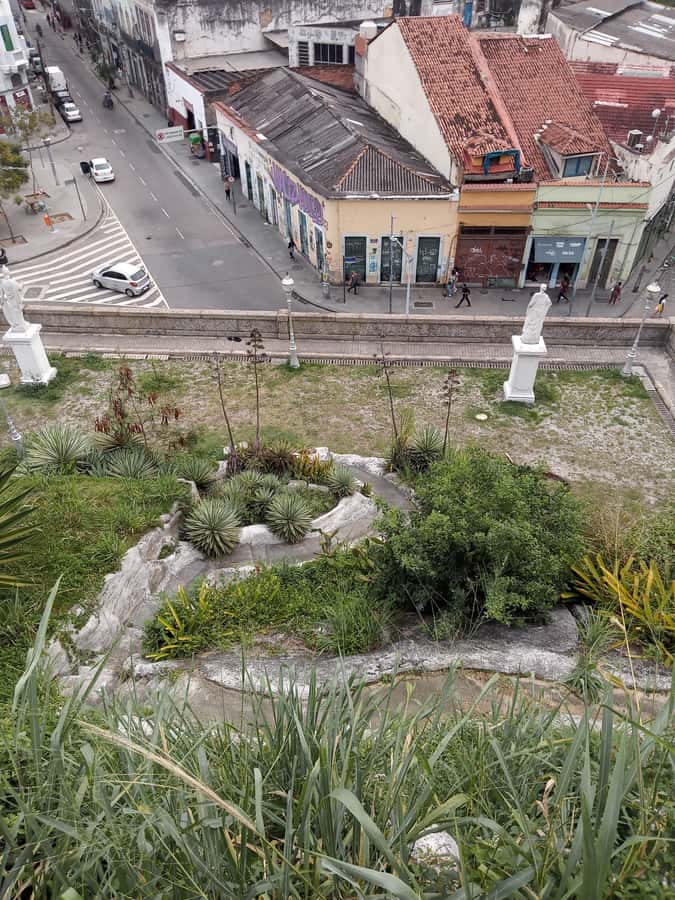
The tour offers live guiding in English, Portuguese, and Spanish. That’s great, but here’s the practical reality: communication quality can vary by guide. Some people reported that one English-speaking guide didn’t articulate as clearly, and the group struggled to follow.
So what should you do?
- If English is your only comfortable language, confirm that the day you book has an English guide who can clearly explain details.
- If you can manage a little Portuguese or Spanish, you’ll likely get more from the tone and rhythm of explanations.
- Come with a slightly flexible mindset: if your guide is harder to follow, take notes on the key places you’re seeing anyway. The physical context still helps.
If you’re traveling with kids, this language point matters even more, because younger travelers often latch onto tone and clear explanations. One bright side: the tour is designed for a general audience, and you can still pick up meaning even if every sentence doesn’t land.
Price and Logistics: What You’re Actually Paying For
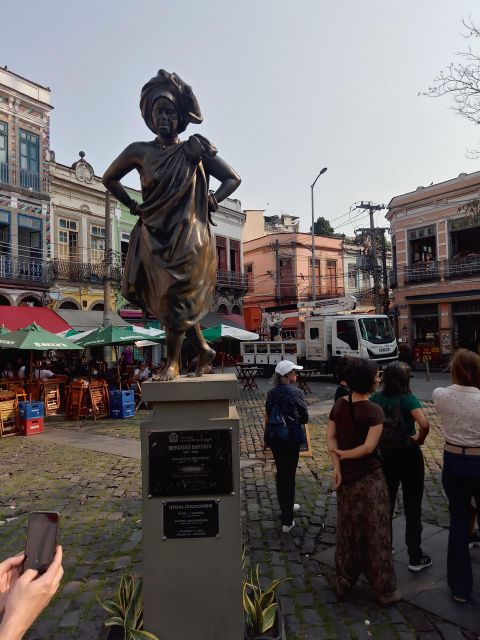
Let’s talk money, because this tour uses a two-part cost structure.
- US$32 per person is paid up front when you reserve online.
- Then there’s an additional amount paid directly with the guide: R$160 per person.
- The info also states a total payment of R$310 per passenger, and that payment by credit/debit card includes 5% of taxes.
Is it good value?
For a 3-hour guided walking tour focused on Black heritage in a specific historical zone, the value can be strong—especially if you care about interpretation, not just photo stops. You’re paying for more than movement; you’re paying for a guided framework that helps you understand how a former entry and trading area shaped Brazil.
But budget your expectations carefully because:
- Food and beverage are not included.
- Transportation is not included.
- Souvenirs are not included.
- And one stop may involve an additional museum entry fee that wasn’t expected by some people.
So the smart move is to treat this as a learning-focused tour with a history-heavy itinerary, and plan a bit of extra spending for the day.
Meeting Point and What to Bring So the Tour Flows
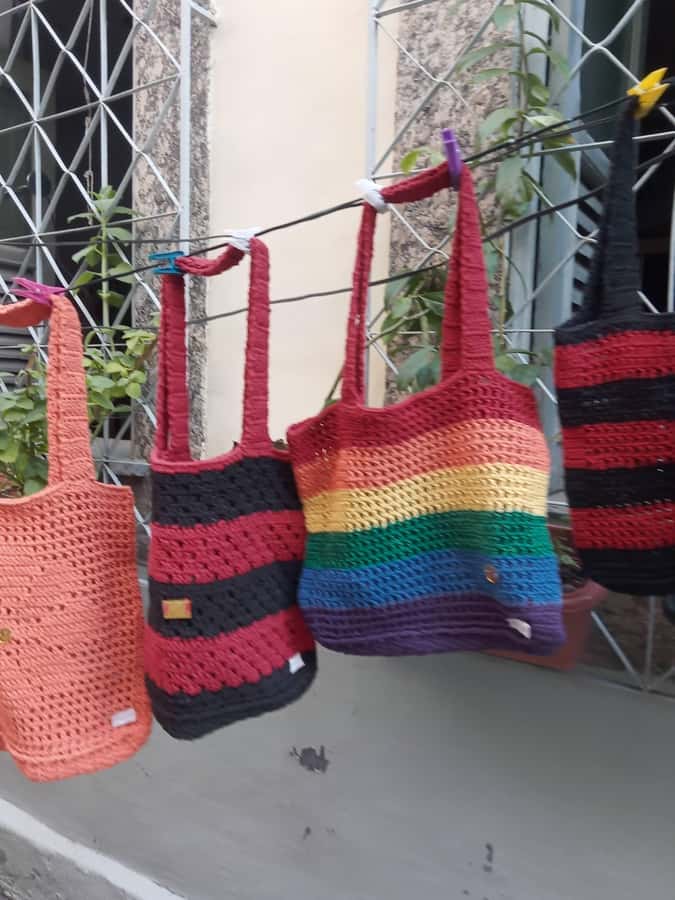
You meet in downtown Rio de Janeiro. The exact pickup spot can be important—so arrive early enough to find the group and get oriented.
Also, bring ID. The tour info says ID or a copy is mandatory. That’s not a small detail. If you forget it, the experience may start with friction instead of meaning.
What I’d bring (based on how the tour operates)
This is a walking tour through neighborhood streets and historical stops, so:
- Comfortable walking shoes
- Water (since food and beverage aren’t included)
- Your ID copy
- A charged phone for navigation and quick notes
If you’re sensitive to emotionally heavy topics, you might also plan a calm buffer afterward. A lot of people find this tour moves them.
Who This Tour Is Best For (and Who Should Be Careful)

This tour fits travelers who want more than surface-level city sightseeing.
Great match if you:
- Want Black history and heritage told in a place-specific way
- Like guides who connect art, culture, and lived history
- Prefer walking tours that help you understand context through streets and alleys
- Enjoy learning with emotional impact, not detached lectures
Be cautious if:
- You rely on crystal-clear English every step of the way
- You don’t want surprises around museum fees
- You’d rather keep the day light and upbeat, since the subject matter can feel intense
For families: children 5–10 years old get 50% discount, and 0–4 years are free on the parent’s lap. That’s a helpful structure, but with a walking tour and heavy themes, I’d judge it based on your child’s temperament and attention span.
Should You Book This Little Africa Tour?

I’d book it if your goal is real understanding of Rio’s African roots, told in a walking format that makes the neighborhood feel like part of the lesson. The standout pattern from feedback is guide quality—when the guide is strong (like Larissa, Gabriela, Luana, or Rafael), the tour becomes memorable fast, with storytelling that puts you in the moment.
I’d think twice if English clarity is non-negotiable for you, since there have been reports of weaker English articulation by at least one guide. Also, if you hate the idea of paying extra for a museum stop, keep a small buffer in your budget.
If you want a Rio experience with weight and meaning—plus art and culture links to the future—this is a solid choice.
FAQ
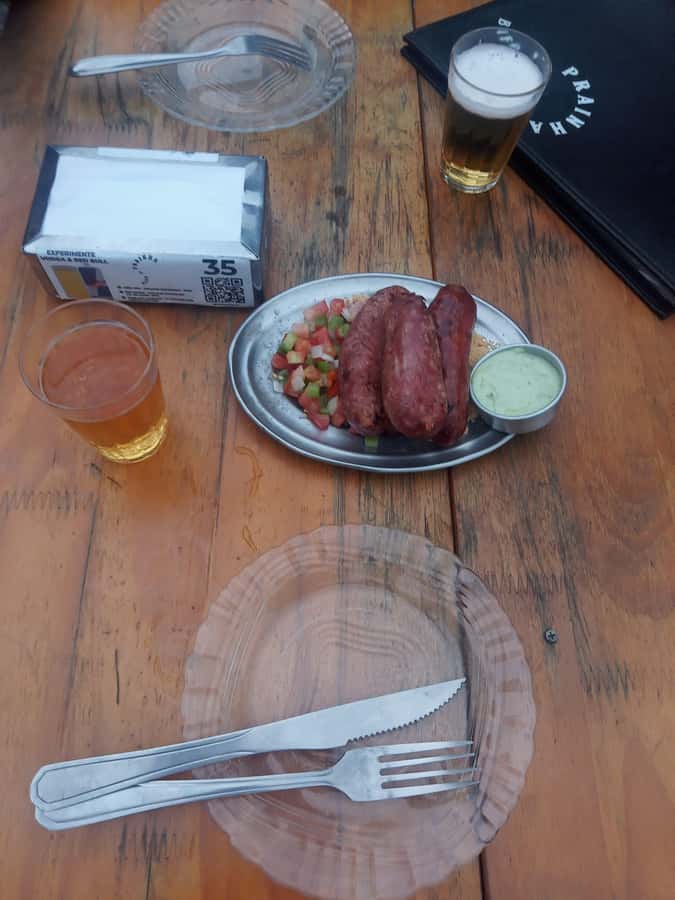
How long is the Little Africa walking tour?
The tour is about 3 hours.
Where is the meeting point?
The meeting point is downtown of Rio de Janeiro.
What is included in the tour price?
The tour includes online service and tour guide service.
What is not included?
Food and beverage, transportation, and souvenirs are not included.
What languages are offered for the tour?
The tour is guided live in English, Portuguese, and Spanish.
How much does it cost?
You pay US$32 per person when reserving online, and then you pay an additional R$160 per person directly with the tour guide.
Are there discounts for children?
Yes. Children 5–10 years old get 50% discount, and children 0–4 years old are free on the parent’s lap.
Is there a minimum number of customers?
Yes. The minimum is 2 customers.
Is ID required?
Yes. ID or a copy is mandatory.
Is cancellation flexible?
Yes. There is free cancellation up to 24 hours in advance for a full refund.