REVIEW · RIO DE JANEIRO
Rio: African Culture Walking Tour
Book on GetYourGuide →Operated by Tour by Foot · Bookable on GetYourGuide
History runs under your feet. This 3-hour walk pairs black resistance history in Rio with an ending at Cidade do Samba, where you get a peek behind the Carnaval curtain. What I like most is the way the guide turns the story into something you can actually follow, including clear explanations from guides such as Rafael. I also like that the tour doesn’t stop at street-level impressions; it includes entrance to Cidade do Samba.
One thing to plan for: food and drinks are not included. Rio afternoons can be warm, so bring water if you tend to run low on energy during a walking tour.
In This Review
- Key highlights you’ll care about
- Why Little Africa and Pedra do Sal change how you see Rio
- The guide experience: clear teaching with room for real conversation
- The walk itself: what you’re likely to notice on the Little Africa route
- From resistance history to Carnaval production: how the City of Samba fits in
- A fair heads-up about authenticity at the warehouse
- Small-group value: why $100 can make sense here
- What you should bring (and what to skip)
- Who this tour is best for
- Should you book the Rio: African Culture Walking Tour?
- FAQ
- How long is the Rio African Culture Walking Tour?
- What’s included with the ticket price?
- Is there food or drinks included?
- What languages are available for the live guide?
- Is the tour wheelchair accessible?
- Do I need to contact the operator by WhatsApp?
- What’s the cancellation policy?
Key highlights you’ll care about
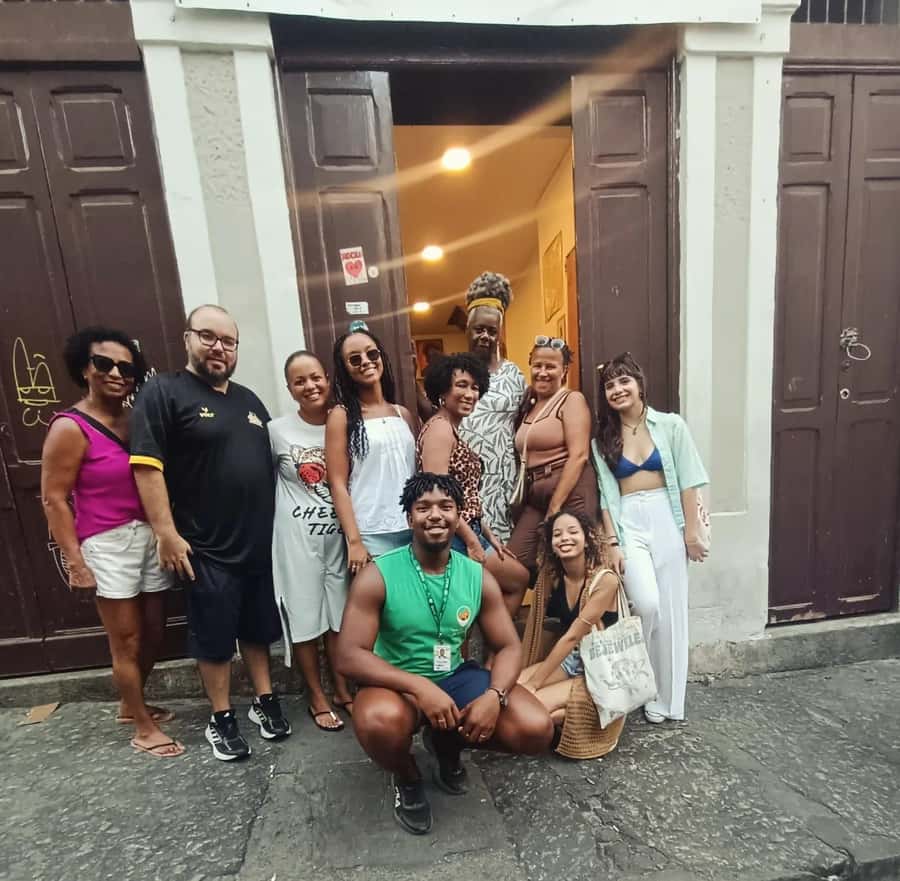
- Little Africa and Pedra do Sal walking route: you’ll cover key places tied to black resistance and Afro-Brazilian culture that most visitors miss.
- Guide-led history you can ask questions about: you’ll get room to compare the topic to your own experiences and ask follow-ups.
- Cidade do Samba entry included: you’ll learn where the samba school parades come from and what goes into Carnaval behind the scenes.
- Small group size (max 15): the pace stays conversational, and discussion feels realistic.
- Carnaval “behind the curtains” access: you’ll tour a big samba school warehouse space where Carnaval production happens.
- Multilingual guide options: English, Spanish, and Portuguese are available.
Why Little Africa and Pedra do Sal change how you see Rio
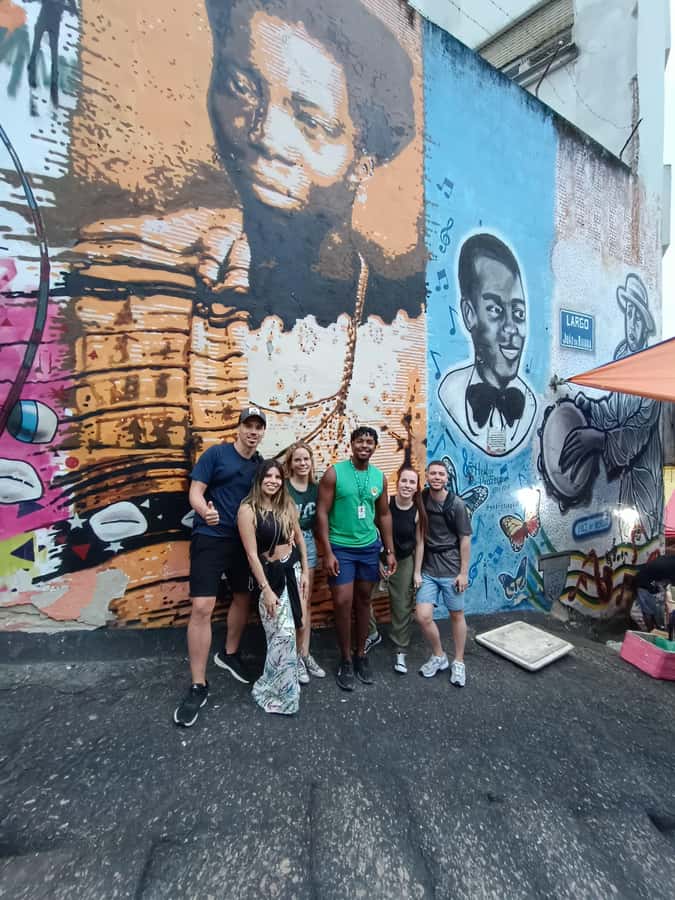
Rio can look like sun, beach, and Carnaval on repeat. This tour nudges you to see something else running alongside it: the long, complicated story of black presence in Brazil, and the resistance that shaped what Rio became.
The walking part centers on two areas often described as part of Rio’s Little Africa and the Pedra do Sal region. That framing matters because it sets expectations. You’re not just sightseeing. You’re following the social and historical threads that connect the city’s Afro-Brazilian traditions to the struggle around slavery and abolition in Brazil.
In practical terms, this kind of tour helps you read the city in layers. After you learn the background, you start noticing details you’d otherwise walk past: how cultural memory survives in public life, and how music, community, and identity show up in Rio even when the city is busy moving on.
You can also read our reviews of more walking tours in Rio De Janeiro



The guide experience: clear teaching with room for real conversation
A good cultural tour depends on the guide’s skill at turning information into understanding. Here, that’s a big part of the value, and it shows up in multiple ways: guides are reported as attentive, informative, and able to explain Afro-Brazilian history in a clear, didactic way.
I especially like the approach that seems built into the experience: history isn’t treated like a lecture you survive. You’re encouraged to ask questions and talk through what you’re learning. One review experience highlighted how a guide connected themes of racial oppression with parallels people recognize from the United States, while also pointing out meaningful differences. Even if you’re not coming from that background, you’ll likely appreciate the chance to make the content make sense.
Also, this tour is designed for small groups—up to 15. That matters. In a larger crowd, questions get swallowed. In a smaller group, the guide can actually respond, and you won’t constantly lose your place.
Finally, language coverage is a real plus. You can choose a guide who works in English, Spanish, or Portuguese, so you’re not relying on your basic ability to catch meaning through gestures.
The walk itself: what you’re likely to notice on the Little Africa route
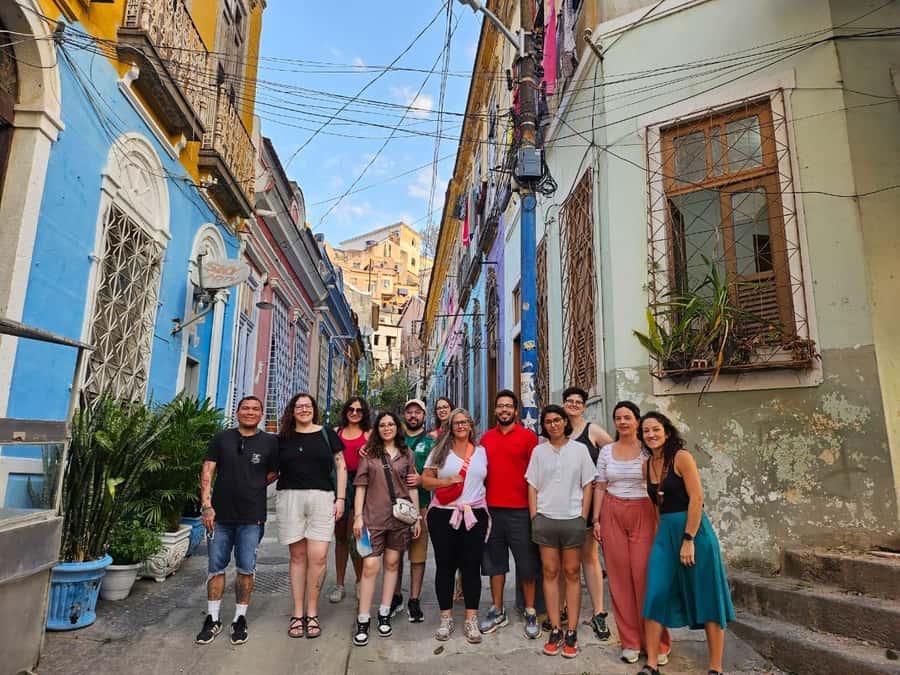
The exact street-by-street details aren’t listed in your info, but the tour description is clear about what the walk covers: a walking tour in Little Africa and the Pedra do Sal region, focused on the most important places in Rio’s history of black resistance.
That gives you a useful way to prepare. Go in with an open mind and a watchful eye. Even without a landmark list, you can still get a lot from this kind of route by paying attention to three things:
- How the guide ties places to specific moments in history
The best part is the connection: you don’t just see streets and buildings, you connect them to resistance and cultural tradition.
- Cultural traditions as living systems
The tour isn’t only about what happened long ago. It frames Afro-Brazilian culture and traditions as something that continued, adapted, and still shapes present-day Rio.
- The contrast between what you know and what you expected
Many people arrive expecting the usual Rio focus. This tour reframes the city by giving the historical backbone behind music, identity, and public expression.
Pace-wise, you’ll want to know what to expect physically. The tour is only 3 hours, and feedback suggests you don’t end up doing an all-day slog. Still, it’s a walking experience, so comfortable shoes matter. Bring water, and don’t plan a major late-afternoon detour right afterward.
From resistance history to Carnaval production: how the City of Samba fits in
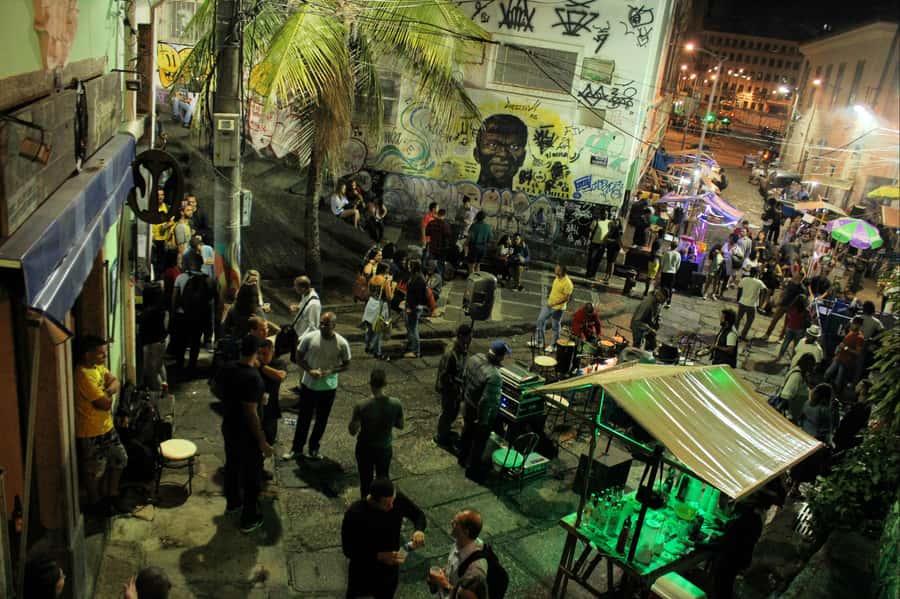
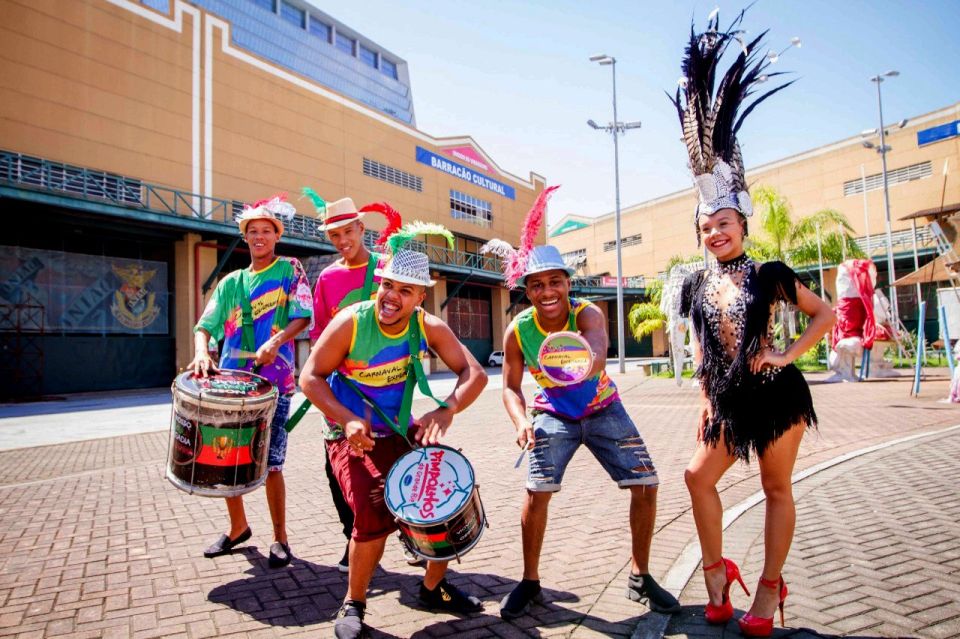
The ending is the moment many people look forward to: you finish at the City of Samba, with entrance included, and get a behind-the-scenes view of Carnaval.
Here’s the key idea: this isn’t just a stop where you walk around and take photos. You learn about the origins of samba school parades—where the tradition comes from and how the parade format connects back to community organization and Afro-Brazilian cultural life.
Then you get a real “production” look. One review described the warehouse visit as a highlight: you can access one of the biggest samba school warehouse spaces where Carnaval items are created. That’s where the dream becomes practical work—planning, building, crafting, and logistics done far from the loudest street spectacle.
A fair heads-up about authenticity at the warehouse
One consideration to keep in mind: the most “behind-the-scenes” production spaces can feel more practical than deeply historical. That came through in feedback describing the warehouse portion as having a bit less authenticity than the neighborhood history part. Translation: it’s still fascinating, but it’s more about how Carnaval machinery works than about stepping through a deeply ancestral space.
If you go in with that expectation, you’ll get the full payoff. Think of it as two halves:
- Half 1: history and meaning in the neighborhoods.
- Half 2: the craft and organization that turns meaning into Carnaval.





Small-group value: why $100 can make sense here
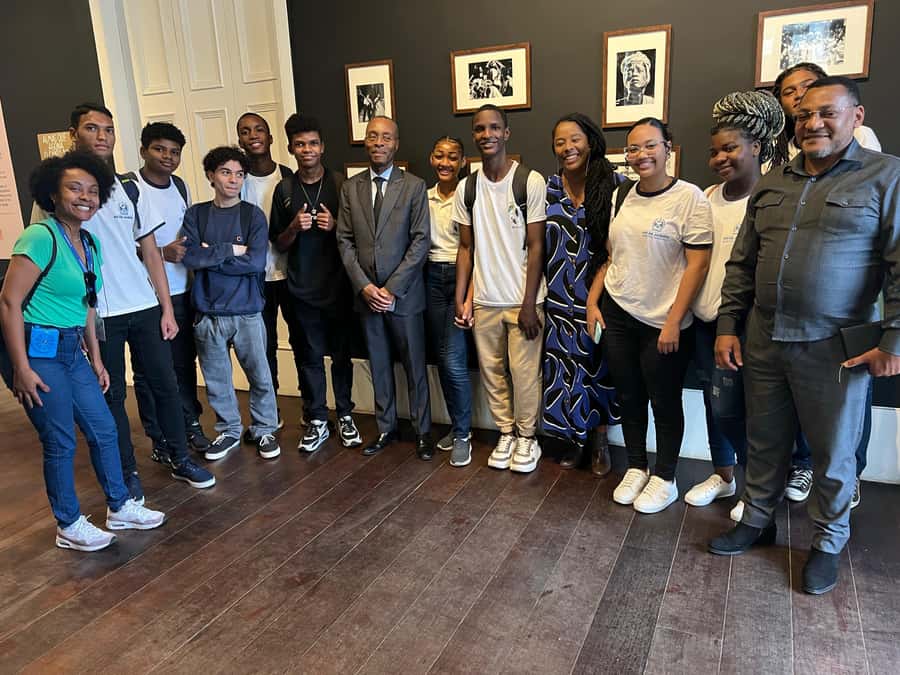
At $100 per person for a 3-hour experience, this isn’t a “cheap and cheerful” add-on. So let’s talk value in the concrete ways that matter.
You’re paying for:
- A live guide (and not just any guide, but people who can explain Afro-Brazilian history clearly and respond to questions).
- A small group size (max 15), which usually improves your experience more than people expect.
- A meaningful route in Little Africa and Pedra do Sal, focused on history of black resistance rather than casual sightseeing.
- Entrance to Cidade do Samba, plus a behind-the-scenes style visit related to Carnaval.
Because the entrance is included, you’re not stuck doing the math mid-trip or paying extra at the gate. Also, since the tour includes all taxes, fees, and handling charges, there’s less surprise at the end.
Where you need to be responsible is what’s not included: food and drinks. If you’re sensitive to low energy during walking tours, plan to pick up a snack before you start, or carry water. That small bit of planning helps you fully enjoy the story without the “I’m starving” distraction.
What you should bring (and what to skip)

You don’t need a fancy checklist for this tour. You do want the basics right so the history and Carnaval portion land well.
Bring:
- Comfortable walking shoes
- A water bottle
- Your curiosity and a few questions
Skip:
- Heavy expectations that this will be a long museum day
It’s a walking tour plus a Carnaval-focused visit. You’ll get plenty of learning, but it’s designed to move through the city and culminate at the samba production space.
Who this tour is best for
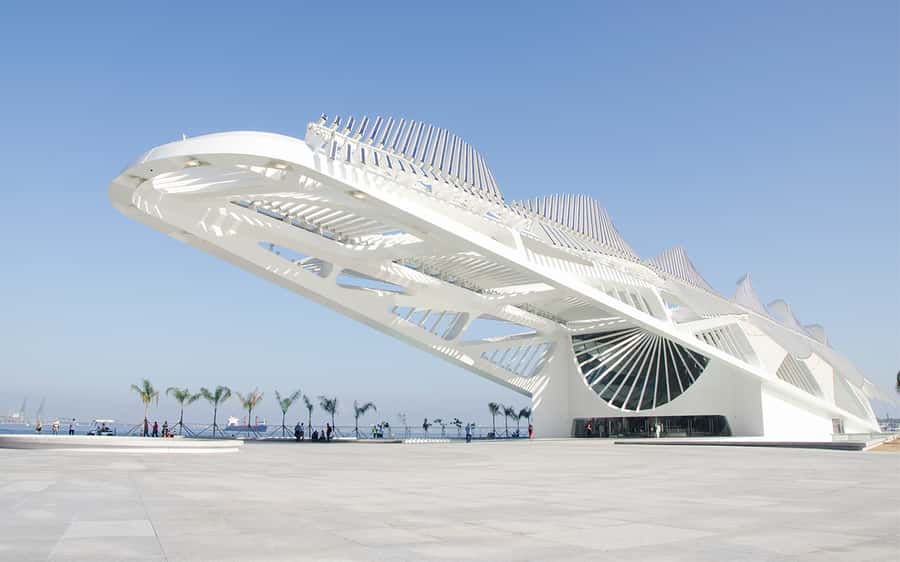
This is a smart pick if:
- You want Rio beyond the usual postcard loop
- You care about how Afro-Brazilian culture connects to resistance and abolition history
- You like tours where the guide can answer follow-ups, not just recite facts
- You want Cidade do Samba access without having to plan it yourself
It may not be the best fit if:
- You want food included as part of the ticket
- You prefer only outdoors sightseeing, because a large part of the finish focuses on Carnaval production spaces
- You’re looking for a full-length parade day experience (this is a behind-the-scenes style visit, not a stadium event based on your info)
Should you book the Rio: African Culture Walking Tour?
Yes, if you want a Rio experience that connects present-day Carnaval culture to the historical reality behind it. The strongest reasons to book are the combination of a focused walking route in Little Africa/Pedra do Sal and the included Cidade do Samba entrance, with guides who tend to be attentive and open to discussion.
Book it especially if you like tours that:
- Explain the bigger picture without making you feel lost
- Give you something to look at beyond beaches and monuments
- End with a real look at how Carnaval gets made
Just go in ready for the one tradeoff: plan your own water and snacks since food and drinks aren’t included.
FAQ
How long is the Rio African Culture Walking Tour?
The tour lasts 3 hours.
What’s included with the ticket price?
The tour includes a walking tour in Little Africa and Pedra do Sal, a behind-the-scenes visit at the City of Samba, and entrance to Cidade do Samba, plus all taxes, fees, and handling charges.
Is there food or drinks included?
No. Food and drinks are not included.
What languages are available for the live guide?
The live guide is available in English, Spanish, and Portuguese.
Is the tour wheelchair accessible?
Yes, it’s listed as wheelchair accessible.
Do I need to contact the operator by WhatsApp?
You’re asked to send a WhatsApp contact.
What’s the cancellation policy?
There’s free cancellation up to 24 hours in advance for a full refund.