REVIEW · RIO DE JANEIRO
Pedra da Gávea Trail with Guide
Book on Viator →Operated by Botas na Trilha Ecotur · Bookable on Viator
You earn every view here. This guided Pedra da Gávea hike takes you into Tijuca National Park’s Atlantic Forest, then pushes you through a real climbing-style route with hands-on safety.
What I like most is the pro guide support—trained for jungle rescue and first aid—plus the way the itinerary hits iconic rock features like the Gávea Plateau and Carrasqueira in one long, focused day.
One drawback to weigh: it’s a difficult, hands-on trail with roots, rocks, and sections that use chains, ropes, and rappelling gear, so you’ll want strong fitness and comfort with height and effort.
That early start and steep terrain aren’t for the lazy weekend crowd. The route can involve climbing and rappelling technique, plus natural obstacles that you overcome using your hands. And the bigger reality is that weather can change plans, including postponing or canceling for safety.
In This Review
- Key Things to Know Before You Go
- Pedra da Gávea’s Real Hook: It’s Steep, Technical, and Worth the Work
- Tijuca National Park: Atlantic Forest Breathing Room (Between the Rock Moves)
- Meeting Point and the 7:30am Start That Shapes the Day
- Safety Is the Main Course: Ropes, Seats, Helmets, and Trained Guides
- The Route Through Carrasqueira: Key Points You’ll Pass Along the Way
- How Hard Is It, Really? Physical Fitness + Mental Comfort
- Guides Who Explain, Control, and Keep You Comfortable
- Price and Value: About $78 for a Full Technical Day
- Timing, Weather, and the Hard Reality of Rio Conditions
- What to Bring (Based on What Actually Helps)
- Who This Tour Is For (and Who Should Pass)
- Should You Book Pedra da Gávea With a Guide?
- FAQ
- Where is the meeting point and what time does the tour start?
- How long is the Pedra da Gávea trail with a guide?
- Is this a private tour?
- How difficult is the trail?
- What safety and guide training are included?
- What happens if weather is bad?
Key Things to Know Before You Go
- Carries the technical bits for you: ropes, brakes, seats, helmets, and fixed chains show up on the route.
- You hike inside Tijuca National Park: expect native flora and fauna in the Atlantic forest portion.
- A fixed route through Carrasqueira: the trail uses climbing and rappelling technique to move along the rock face.
- Guides trained for real risk: climbing courses, first aid, and jungle rescue (RAS).
- Weather affects everything: the itinerary may shift, delay, or cancel if conditions aren’t right.
- Boots and water matter: the day gets intense, so plan for solid footing and enough hydration.
Pedra da Gávea’s Real Hook: It’s Steep, Technical, and Worth the Work
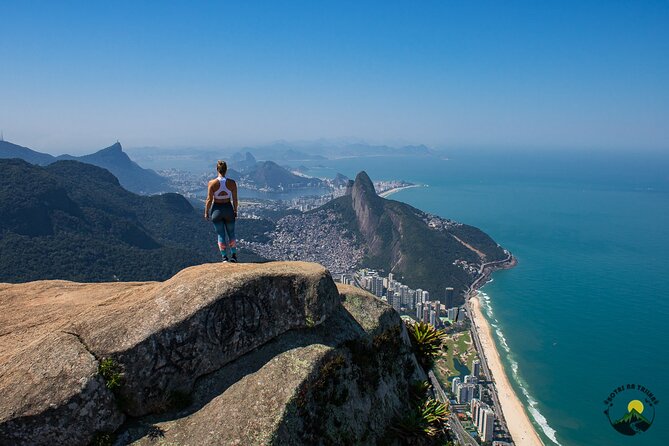
Pedra da Gávea is one of those Rio hikes where “just walking” is not the point. You’re moving through a steep section of the park, over roots and rocks, and in places you’ll be using your hands to get up safely. Then the trail turns into something closer to scrambling and climbing, with rope-and-rappel moments that keep the experience from becoming random or scary.
I like that the focus isn’t on “toughing it out.” The tour is designed around doing the tricky parts correctly. The guide-led approach means you’re not guessing how to place your body on the rock or how to manage the technical sections.
You can also read our reviews of more guided tours in Rio de Janeiro


Tijuca National Park: Atlantic Forest Breathing Room (Between the Rock Moves)
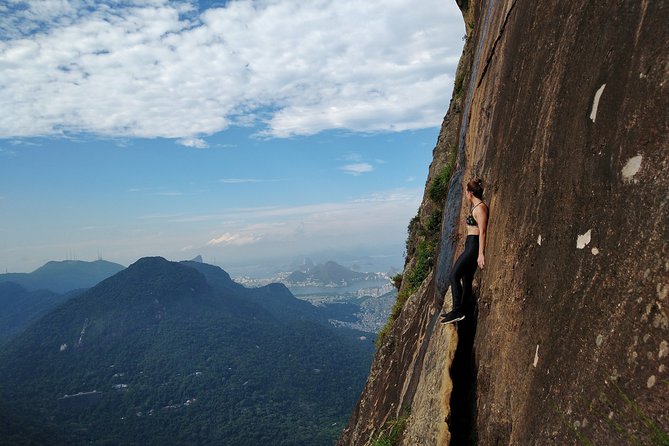
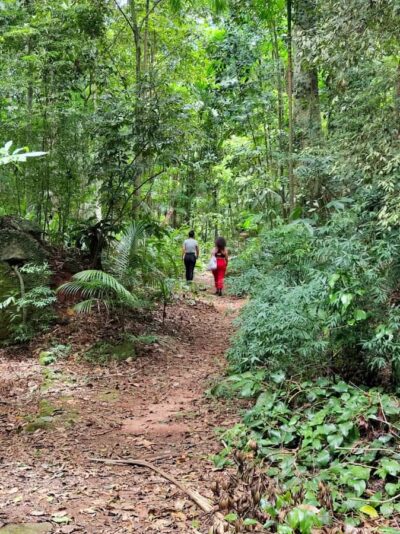
This isn’t just a rock climb. You’re spending time in a small part of Tijuca National Park, specifically the Atlantic forest environment. That matters because it changes the feel of the day. The hike isn’t only about views at the end; you also get native flora and fauna along the way.
In practical terms, this can mean the trail atmosphere stays more “alive” than a purely rocky, exposed route. And it also explains why weather plays a role. Rain and cloud cover can affect traction, footing, and how conditions feel on the climb sections—so don’t assume you’re guaranteed the same experience every day.
Meeting Point and the 7:30am Start That Shapes the Day
You start at Estr. Sorimã, 932 – Itanhangá, Rio de Janeiro – RJ, 22611-030, Brazil, with a 7:30am start. The activity ends back at the same meeting point.
That early timing is more than just convenience. When you’re dealing with steep terrain, ropes, and fixed chains in certain sections, starting earlier helps you get through technical movement before conditions get worse later in the day. It also gives the guides room to manage a slower group moment or a pause for photos—when conditions allow.
And since it’s private, you’re not sharing the experience with other groups. Your pace and safety checks are managed for your group only, which often makes a technical hike feel less stressful.
Safety Is the Main Course: Ropes, Seats, Helmets, and Trained Guides
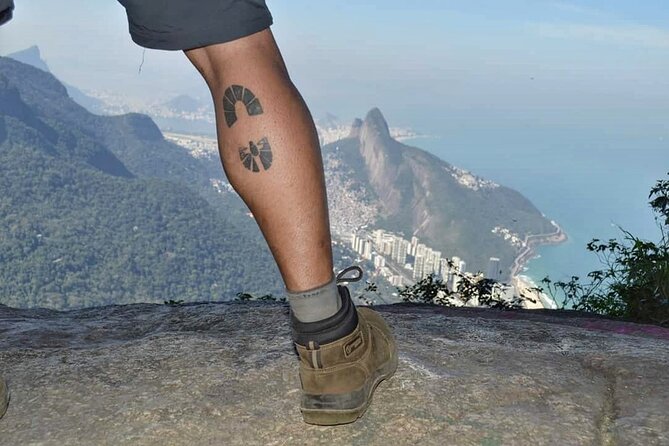
This tour doesn’t treat safety as a footnote. The trail description includes natural obstacles you overcome using your hands, and in some parts you’ll use climbing equipment like ropes, brakes, seats, and helmets. There are also sections where chains are fixed in place.
Here’s why that matters to you: when the course is technical, you need more than confidence. You need procedures. The guides in this experience are registered with the Ministry of Tourism, and they have climbing courses, first aid, and jungle rescue training (RAS). That combination is what turns “scary rock” into a controlled activity.
Also, pay attention to how the guides communicate. In past outings, guides like Jessie have been fluent in English, and the instruction tone has been clear enough that even hesitant hikers have felt calm on the rappel/climb sections.
The Route Through Carrasqueira: Key Points You’ll Pass Along the Way
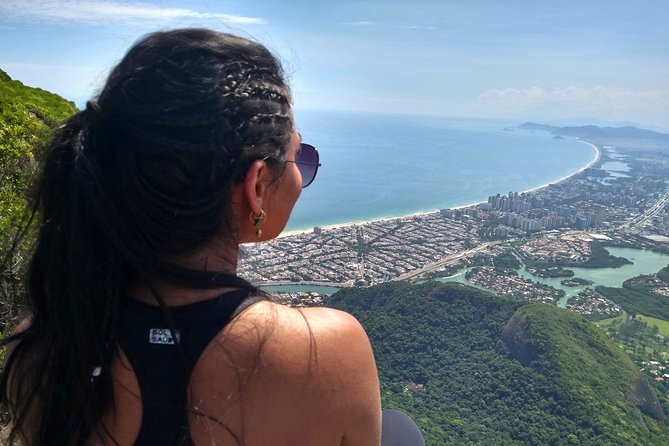
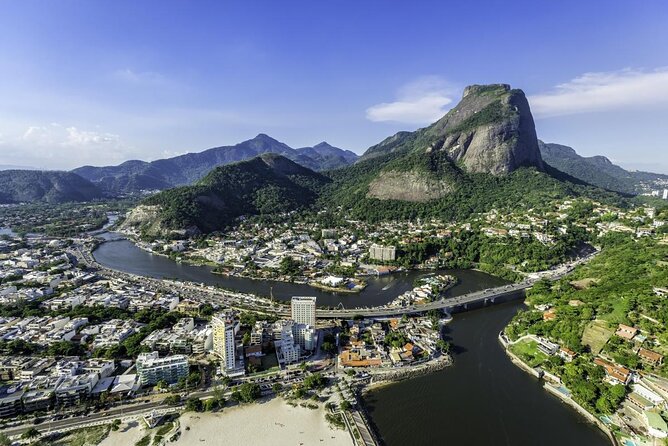
The trail is done via Carrasquiera, using climbing and rappelling technique. You’ll pass a chain of named rock features that help you track where you are and what kind of movement comes next.
Here’s what to expect as the day unfolds, and where the effort tends to ramp up:
Pedra da Gávea
This is the centerpiece. Even at the start and along the route, the mountain feels like a structured challenge rather than a casual viewpoint hike.
Gávea Plateau
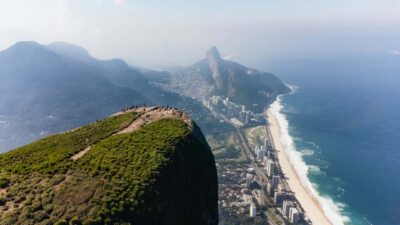
You’ll reach the Gávea Plateau as part of the main sequence. Plateaus are often where you can reset your breathing and regroup. With a steep technical trail, those moments help you manage energy.
Cabeça do Imperador
This is one of the iconic rock points you’ll see on the route. Expect it to be a “pause-and-look” moment as you orient yourself along the climb.
Stone of Radius and the Pyramid
These named formations help break the route into recognizable landmarks. Visually, they give you something to aim for besides the next step, which helps when the trail gets slow and physical.
Cadeira, Carrasqueira
The Cadeira and Carrasqueira sections are part of the technical reality of the hike. This is where you’re most likely to feel that the trail asks for hand placement, careful footing, and comfort with height.
One reason the Carrasqueira approach gets praise is that it can be done even if you don’t have formal climbing experience. If you have fear of heights, it’s still possible, but you’ll want to rely on the guide’s instruction and take each move one at a time.
Paredão and Stone of the Ship
These are dramatic rock points near the end of the main progression. By the time you’re here, you’re usually thinking about how far you’ve come—and how serious the trail truly is. That final stretch often turns the day into a payoff rather than just work.





How Hard Is It, Really? Physical Fitness + Mental Comfort
This trail is described as difficult due to inclination and natural obstacles like roots and rocks. You also need to be ready for sections requiring climbing technique and rappelling equipment.
So the “real” question is not just fitness. It’s whether you can handle:
- Steep uphill movement
- Irregular footing (roots and rocks)
- Using your hands for balance
- Technical sections involving fixed chains and rope systems
The tour is not recommended for sedentary people, and they ask for strong physical fitness. If you’re the kind of hiker who needs flat paths and steady steps, this one may feel like a mismatch. If you’re active, okay with effort, and willing to move slowly and carefully, you’re the right fit.
Guides Who Explain, Control, and Keep You Comfortable
A technical hike works only when the guide makes you feel safe and capable. That’s where this experience shines.
I’m especially impressed by how the guide team combines safety training with a human approach. For example, Daniel is described as experienced and professional, the kind of person who gives confidence at the most complicated moments. Vivi is also mentioned alongside Daniel, reinforcing that the team approach includes attentive support.
And there’s a simple detail I love: Jessie has been known to wait for about three hours for the sky to clear so the group could take photos. That’s not only about weather. It shows the guides care about the actual experience, not just ticking off a route.
You’ll also benefit from fluent English communication in at least some guide pairings, plus clear instructions on where to go and what to bring. On a trail like this, clarity is safety.
Price and Value: About $78 for a Full Technical Day
The price is $78.41 per person, and the duration is about 8 hours.
On paper, that might sound like a lot for a hike—until you factor in what you’re buying:
- A difficult, technical route rather than a casual trail
- Rope and rappel gear on parts of the course
- Guides with climbing and rescue training (first aid and jungle rescue RAS)
- A private setup where only your group participates
So the value isn’t just the view. It’s the risk-management and instruction that lets you attempt a challenging trail in a structured way. If you’re the type who enjoys climbing-style adventures and wants to do it safely, this price starts to feel fair.
Timing, Weather, and the Hard Reality of Rio Conditions
The tour note is straightforward: the itinerary may change, be postponed, or canceled due to weather conditions.
That’s not unusual in Rio, and for Pedra da Gávea it matters. Wet rock can change traction. Cloud cover can reduce visibility on lookout points that are part of the excitement. Rain can also force decisions that protect you during chain and rope sections.
If your schedule is tight, build in flexibility. If your schedule is flexible, you’re in a better position to get a good weather window.
What to Bring (Based on What Actually Helps)
You’ll get the climbing equipment that the trail requires—ropes, seats, helmets, and so on—so you’re not trying to source gear on your own.
But from the practical side, the days you’ll enjoy are the ones where you show up prepared with:
- Sturdy boots (rated highly in guidance you’ll likely be given)
- Sufficient water (strongly emphasized for the intense hike)
Beyond that, if you know you get cold or feel uncomfortable in sudden weather shifts, plan accordingly—but the only hard requirements here are fitness, boots, and hydration.
Who This Tour Is For (and Who Should Pass)
This is a strong match for you if:
- You’re in good shape and ready for an inclined, technical hike
- You’re okay using your hands for balance
- You can follow instructions closely during rope, rappel, and chain sections
- You want a guided experience in Tijuca National Park that includes named rock viewpoints
This is a weak match if:
- You’re sedentary or not comfortable with difficult terrain
- You want a mostly flat, simple hike
- You’re not willing to slow down and focus during technical moments
If you’re nervous about heights, you can still go, but you’ll need to trust the guide and accept that the process will be step-by-step rather than rushed.
Should You Book Pedra da Gávea With a Guide?
If you want a Rio hike that feels like a real adventure—steep, hands-on, and filled with recognizable rock features—this is the kind of experience that delivers. The combination of technical setup (ropes, helmets, seats) and trained guides gives you a much better chance of feeling safe and in control.
I’d book it if you can commit to the physical demand and you’re willing to let the guide handle the technical flow. If you’re hoping for an easy stroll, you’ll likely end the day frustrated.
One last practical nudge: plan for weather flexibility and bring enough water. Then show up ready to work a little. Pedra da Gávea rewards effort fast.
FAQ
Where is the meeting point and what time does the tour start?
You meet at Estr. Sorimã, 932 – Itanhangá, Rio de Janeiro – RJ, 22611-030, Brazil. The start time is 7:30am, and the tour ends back at the same meeting point.
How long is the Pedra da Gávea trail with a guide?
The duration is listed as about 8 hours.
Is this a private tour?
Yes, it’s a private tour/activity, so only your group participates.
How difficult is the trail?
It’s considered difficult due to steep inclination and natural obstacles like roots and rocks. You’ll use your hands in parts, and in some sections you’ll use climbing equipment such as ropes, brakes, seats, and helmets, plus fixed chains in certain areas.
What safety and guide training are included?
The guides are registered with the Ministry of Tourism and have climbing courses, first aid, and rescue in a jungle environment (RAS).
What happens if weather is bad?
The itinerary may be changed, postponed, or canceled due to weather conditions. If it’s canceled because of poor weather, you’ll be offered a different date or a full refund.