
REVIEW · RIO DE JANEIRO
From Rio: Full-Day Tour to The Imperial City of Petrópolis
Book on GetYourGuide →Operated by Gray Line Brazil · Bookable on GetYourGuide
Petrópolis feels like a different Brazil. This full-day outing turns a simple day trip into a guided walk through imperial palaces, tombs, and symbolic abolition moments—all just about an hour north of Rio. I especially like the Imperial Museum stop, with its display of crown and jewelry tied to the Brazilian emperors, and the Crystal Palace visit, where Princess Isabel’s choices are woven into the building’s story.
The trip also has a clear downside: only the Imperial Museum entry is included, so additional sites (and food) can quietly add cost. Add in that the day includes breaks and some shopping time, and you’ll want to go in with your priorities set.
In This Review
- Key highlights I’d plan around
- The Rio-to-Petrópolis drive and what it means for your day
- Imperial Museum: crown jewels and imperial summer life
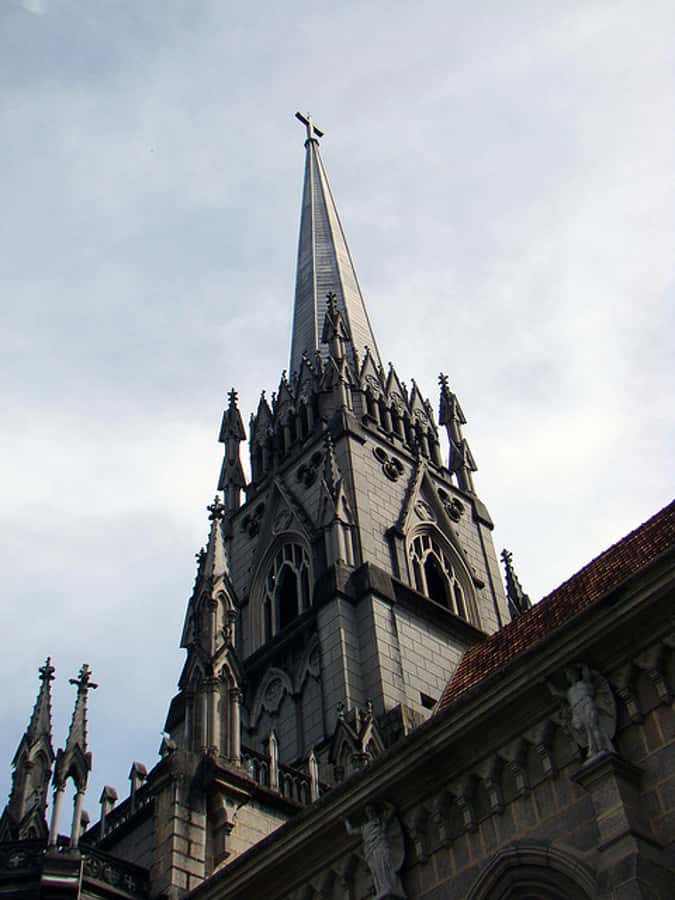
- Cathedral of Saint Peter of Alcântara: tombs under neo-Gothic arches
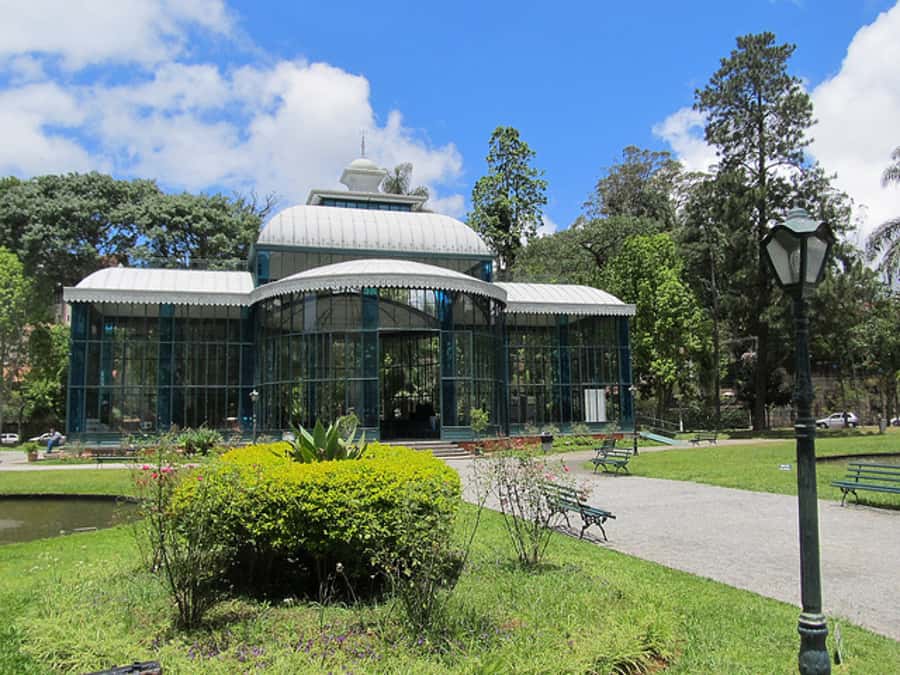
- Crystal Palace: glass halls and the abolition moment tied to them
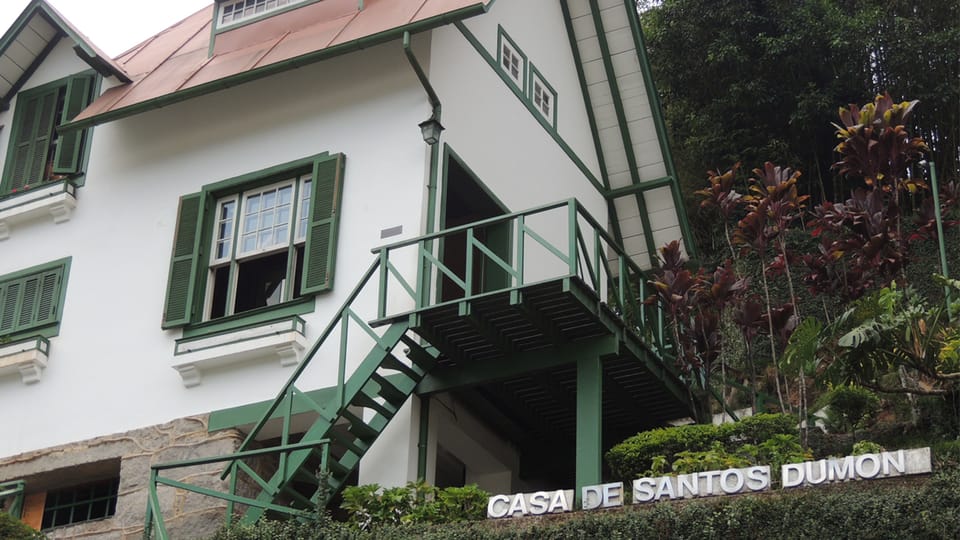
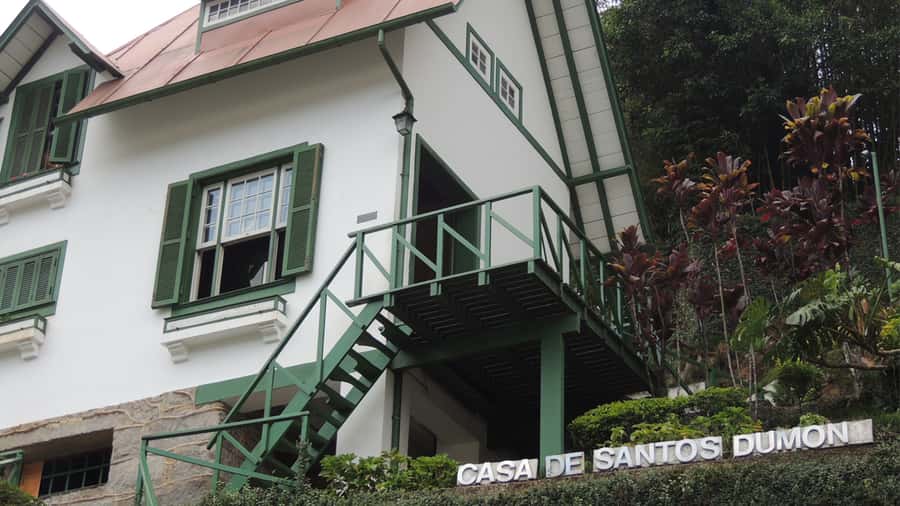
- Santos Dumont House reliques: quick context for Brazilian aviation
- Free time, breaks, and the shopping question in Petrópolis
- Value check: is $96 a smart deal?
- Group pace and time management: the one thing to watch
- Who should book this Petrópolis day trip?
- Should you book From Rio: Full-Day Tour to The Imperial City of Petrópolis?
- FAQ
- How long is the Petrópolis day tour?
- What’s the price per person?
- What’s included in the ticket price?
- What isn’t included?
- Do I get pickup from my hotel?
- What languages is the live guide available in?
- What’s the cancellation policy?
Key highlights I’d plan around
- Imperial Museum access: See Don Pedro I and Don Pedro II’s regalia, including the gold crown, pearls, and diamonds
- Cathedral of Saint Peter of Alcântara: Neo-Gothic architecture plus the key imperial burial spots
- Crystal Palace meaning: Glass-and-metal halls tied to Princess Isabel’s early anti-slavery action
- Santos Dumont House reliques: A quick look at aviation-era keepsakes (entrance fees not included)
- Guided context in multiple languages: English, Portuguese, Spanish, French, and German
The Rio-to-Petrópolis drive and what it means for your day

This tour runs for 10 hours, which tells you the pace up front: it’s designed to get you out of Rio quickly and back with a full slate of major sights. Pickup is included from most hotels in São Conrado, Leblon, Ipanema, and Copacabana, and your exact time and spot get confirmed later. If you’re staying outside those areas, you may need to arrange a different meeting point (the listing says transfers are for most hotels in those neighborhoods).
On the road, you’ll trade sea-level time for hillside views and winding roads as you climb toward Petrópolis. The route is practical more than scenic-only: it’s a working day trip, not a slow country drive. Still, the change in air and the gradual shift in buildings is a real part of the experience. You start your day in Rio’s beach-zone rhythm, then you reach a mountain town that feels built for comfort—exactly the kind of setting the Brazilian emperors favored.
I also recommend you treat the drive as part of the schedule you’re paying for. If you’re hoping to linger in Petrópolis for hours on your own, the timed nature of the day may feel limiting. That’s not a dealbreaker—just pick the right expectations going in.
You can also read our reviews of more city tours in Rio De Janeiro



Imperial Museum: crown jewels and imperial summer life
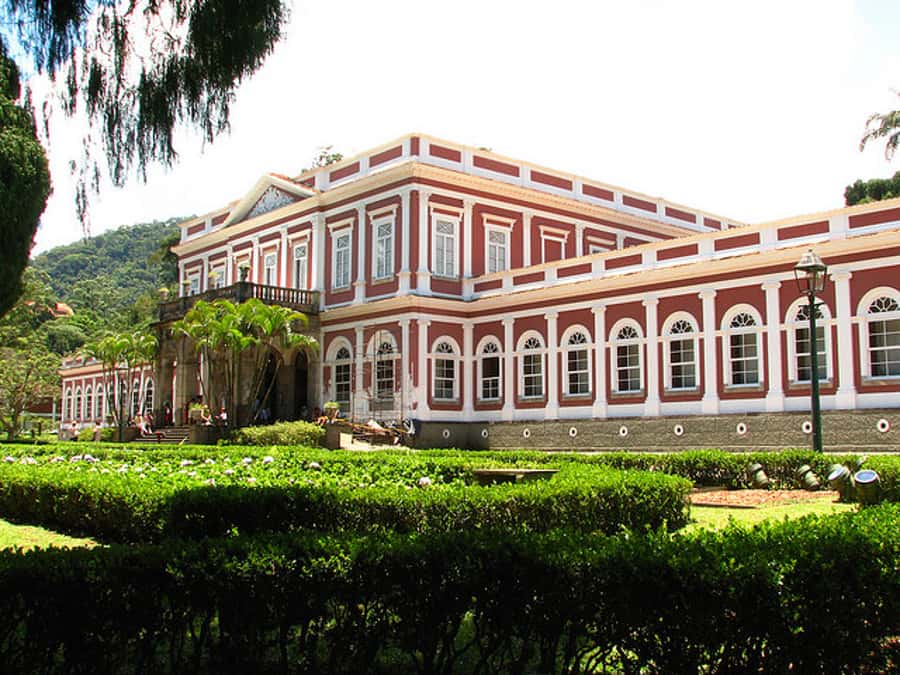
Your first big historical stop is the Imperial Museum, the summer residence associated with Emperor Don Pedro II. This is the kind of place where you can see artifacts and then understand what they meant to the people who lived around them. The museum experience isn’t only about objects behind glass—it’s about how the Brazilian empire displayed power, taste, and family identity.
The standout items are the emperor and empress-related treasures, including the gold crown, pearls, and diamonds connected to Don Pedro I and Don Pedro II. Seeing jewelry and regalia in context helps you move past “cool objects” into “how status was shown.” It’s the same difference between reading about monarchy and actually seeing what the crown and gemstones represented.
Time planning matters here. The museum ticket is included, but not everything inside may be accessible on every day due to practical factors like exhibit openings. If you’re the type who likes to take photos and slow down in each room, you might find you want a bit more museum time than the schedule allows. Still, this is the best single place on the tour to anchor the day’s themes: empire, ceremony, and daily life during the summer season.
If your English, Portuguese, Spanish, French, or German guide explains connections between the objects and the people, you’ll get more out of the museum. One guide name that’s been associated with this tour is Tanya Uhlala, and the best angle is simple: listen early, because the artifacts make more sense once you know the story.
Cathedral of Saint Peter of Alcântara: tombs under neo-Gothic arches

Next up is the Cathedral of Saint Peter of Alcântara, a neo-Gothic heritage site that works as both architecture and history lesson. This is where the tour shifts from “how the empire looked” to “how the empire ended up remembered.” The atmosphere in a cathedral tends to make you slow down a bit, which pairs well with the gravity of the people buried there.
The burial list is the real highlight. You’ll see where Emperor Don Pedro II is buried, along with Teresa Cristina and Princess Isabel, plus her husband Prince Gaston, Count of Eu. For many visitors, the names are familiar from big-picture Brazil history. Putting the bodies behind the names makes the story feel immediate—less like a textbook and more like a chain of real lives.
Neo-Gothic churches also reward careful looking. Even if you don’t count architectural details, the vertical lines and stained-light feel different from Rio’s street life. It’s a strong contrast day to day: palace jewels, then a cathedral space built for reverence. That contrast is one of the reasons this stop lands well even for people who aren’t hardcore history buffs.
One practical thought: cathedrals can be calmer, but the whole day is still moving. Take a minute to stand back and orient yourself before you start trying to absorb everything at once.
Crystal Palace: glass halls and the abolition moment tied to them
The Crystal Palace is where this tour’s history stops being only about emperors and starts pointing at turning points. The building is inspired by London’s Crystal Palace concept, with glass and metal construction that makes it feel airy even on a busy day. In practice, that visual lightness makes the story inside more striking.
Princess Isabel used the space for parties, and that detail matters. You’re seeing how the elite gathered and celebrated within a structure that later becomes tied to a major moral action. The tour connects the architecture to a real decision: Princess Isabel made a preliminary move toward abolishing slavery by freeing enslaved people a few months before the abolition law was signed.
That timeline is the emotional core here. It’s not just a “someday it happened” event. It’s a choice made earlier than the law—meaning the building becomes symbolic of intent, not just policy. If you remember that point, you’ll probably feel more than you expect in a place that looks, at first glance, like a pretty historic structure.
If you’re someone who likes your history with cause-and-effect, this stop is worth prioritizing. It’s one of the tour elements that turns imperial Brazil into something you can connect to human action and consequences, not only power and wealth.
Santos Dumont House reliques: quick context for Brazilian aviation

Toward the day’s later moments, you’ll check out Santos Dumont House reliques. The term reliques is used here in the sense of keepsakes or preserved items connected to Santos Dumont, who is closely tied to early aviation history in Brazil.
What you should know is also what makes this stop tricky: entrance fees for Santos Dumont House are not included, so what you can see may depend on the exact scope of the visit on the day. The tour description frames it as a check-out, not a full independent museum day. That makes it a nice add-on, but it won’t replace time spent at a major aviation exhibit elsewhere.
Still, it works as a tonal shift. After emperors, cathedrals, and a palace tied to abolition, it gives you a glimpse of modern achievement themes. If you’re the kind of person who likes to connect “then and now” in one day, you’ll probably appreciate the variety.
Just don’t treat this as a must-see centerpiece. Treat it like a stop that adds flavor and context—especially if you’re trying to keep extra paid admissions under control.
You can also read our reviews of more tours and experiences in Rio De Janeiro





Free time, breaks, and the shopping question in Petrópolis
This tour includes time built in for breaks and what it calls free time for visiting other main sights in Petrópolis. The catch is that only the Imperial Museum ticket is included, so any other attractions during that free time require payment on your own.
There’s also shopping time. Some days you’ll have time to browse, and some people like that part for gifts or casual souvenirs. Other people find it eats into the minutes they’d rather spend sightseeing. The schedule can feel “tight” if you’re not interested in shopping, especially because food and drinks are not included either.
Here’s how I’d handle it if your goal is sightseeing first:
- Decide early which one attraction you’d pay for during free time (if any). Don’t let browsing spread your budget.
- Plan to eat during your included breaks, or at least be ready to spend on lunch locally.
- Keep your group meeting time in mind. When there’s free time, being late costs you more than you think.
A smart day-tripper mindset helps. Treat the shopping and lunch moments as necessary logistics for a 10-hour day, not as the main event. If you’d rather keep the day history-heavy, prioritize museum and cathedral time while you can.
Value check: is $96 a smart deal?

At $96 per person for a 10-hour day, the value depends on what you get for that price—and on how much you end up paying afterward. What’s included is solid: round-trip transfers from most hotels in the south zones of Rio you’re likely to be staying in, a professional guide, and entrance to the Imperial Museum.
The not-included list is where costs can sneak in:
- Food and drinks
- Entrance fees to Santos Dumont House
- Entrance fees to Bohemia Beer Factory
- Entrance fees to any other attractions
So the question becomes: will you use the included structure to hit the major stops without adding many extras? If yes, then $96 can feel fair because the transportation and guide work reduce the hassle of coordinating a day trip on your own.
If you plan to pay for multiple additional attractions during free time and want paid lunches on top, your total spending may rise quickly. That doesn’t make it a bad tour. It just means you should budget for optional entrances and meals if you want more than the three big featured sites.
Also factor in how you like guides. One recurring strength with this outing is that when the guide clicks, the day feels smoother and more meaningful. The tour is offered in several languages—English, Portuguese, Spanish, French, and German—so you can match your day to your comfort level.
Group pace and time management: the one thing to watch
A 10-hour guided day trip always has a pacing trade-off. You’ll see major highlights, but you won’t have unlimited time in each place. If you’re the type who wants to roam and linger without pressure, you may feel rushed—especially around transitions and break times.
Time management is the big caution point. In the real world, delays can happen, and that can compress your enjoyment. The more people in a group, the more complicated the boarding process becomes at pickup points. So if you have a tight connection later that day, build in buffer time.
The good news is that the tour is designed around the featured stops: the Imperial Museum ticket is baked into the price, and the cathedral and Crystal Palace are part of the main arc of the day. That structure gives you confidence you’ll at least hit the core experiences, even if some timing details vary.
Who should book this Petrópolis day trip?
This tour fits best if you want a guided overview of imperial Brazil, with two anchors you can’t easily replicate without context: the Imperial Museum and the Crystal Palace. It’s also a good choice if you like walking through stories tied to specific places—particularly tomb sites at the cathedral and the abolition-related moment connected to Princess Isabel.
You might skip it (or choose something more flexible) if:
- you hate shopping time and want only sightseeing,
- you’d rather control admission choices completely on your own,
- you’re strongly focused on one attraction and want hours there instead of a timed day.
It’s a strong fit for history-minded day-trippers who are okay with a structured schedule and who value having someone connect the dots. And the language options help a lot if you don’t want to rely on spotty self-guided explanations.
Should you book From Rio: Full-Day Tour to The Imperial City of Petrópolis?
I’d book it if you’re looking for an efficient, story-driven day trip from Rio that includes transport, a guide, and the key imperial sites you’re most likely to care about: the Imperial Museum, the cathedral burial sites, and the Crystal Palace. At $96, it’s also easier to justify when you’re not planning to add a long list of extra paid attractions.
Skip or reconsider if you want deep, slow museum time, or if shopping breaks will feel like wasted hours. In that case, you’d probably do better with a more flexible private plan or a self-guided approach where you can choose exactly where to spend your attention.
If your priority is seeing Petrópolis’s most meaningful landmarks in one go—and you’re fine paying separately for any extra entrances—this is a good day-trip structure.
FAQ
How long is the Petrópolis day tour?
The tour duration is 10 hours.
What’s the price per person?
The price is $96 per person.
What’s included in the ticket price?
It includes round-trip transfer from most hotels in São Conrado, Leblon, Ipanema, and Copacabana, a professional tour guide, and an entrance ticket to the Imperial Museum.
What isn’t included?
Food and drinks aren’t included. Also not included are entrance fees to Santos Dumont House, Bohemia Beer Factory, and any other attractions.
Do I get pickup from my hotel?
Pickup is included from most hotels in São Conrado, Leblon, Ipanema, and Copacabana. Your exact pickup location and time are provided upon reconfirmation.
What languages is the live guide available in?
The guide is available in English, Portuguese, Spanish, French, and German.
What’s the cancellation policy?
Free cancellation is available up to 24 hours in advance for a full refund.