REVIEW · RIO DE JANEIRO
Favela Tour The Original, Rocinha & Vila Canoas since 1992
Book on GetYourGuide →Operated by FAVELA TOUR · Bookable on GetYourGuide
Rio looks different from these streets. Favela Tour gives you a human, ground-level view of daily life in Rocinha and Vila Canoas, with guides who focus on context instead of spectacle. I love the friendly, socially inclusive vibe—it feels welcoming, not like you’re peeking at people’s lives from behind glass.
I also really liked how the tour includes real community spaces, especially the local school supported through the tour. When guides like Mateo and Francesco explain the history and the everyday reality, the conversation stays grounded and practical, not dramatic or scary-for-suspense.
One consideration: plans can shift. In one reported case, a group didn’t go into Rocinha as expected after an extra charge issue came up, so I recommend you stay flexible—especially if you’re booking in a specific language.
In This Review
- Key highlights worth aiming for
- Why this favela tour feels different from typical Rio sightseeing
- Where you’ll go: Rocinha and Vila Canoas on the ground
- The walking portion: what you can expect minute to minute
- The school and handcraft center: why these stops change the conversation
- Getting your bearings: the ride, the views, and the context
- Safety and respect: how to act so the day stays comfortable
- Language and guides: what to watch so your experience lands well
- Price and value: why $33 can make sense if you want the real Rio
- Pickup and drop-off: saving time in Rio traffic
- Who should book this tour, and who might rethink it
- Should you book Favela Tour Original: Rocinha & Vila Canoas?
- FAQ
- What neighborhoods does the tour visit?
- How long is the tour?
- Is the tour mostly walking?
- How does pickup and drop-off work?
- What languages are offered?
- What’s included in the price?
- Do I need to bring money for anything?
- How flexible are booking and cancellation?
Key highlights worth aiming for

- Two favela stops: Rocinha (the largest in Brazil) and Vila Canoas, both experienced on foot
- Panoramic Rio viewpoints during the ride, so you get the “big picture” before the tight alleys
- Community-first stops like a handcraft center and a local school supported by Favela Tour
- Respectful interaction: you’re not there as a spectator; local people welcome your presence
- Guides who translate context into something you can actually understand about Brazil’s contrasts
- A walking pace you can handle: the guided portion includes a substantial walk (around 2.25 hours)
Why this favela tour feels different from typical Rio sightseeing
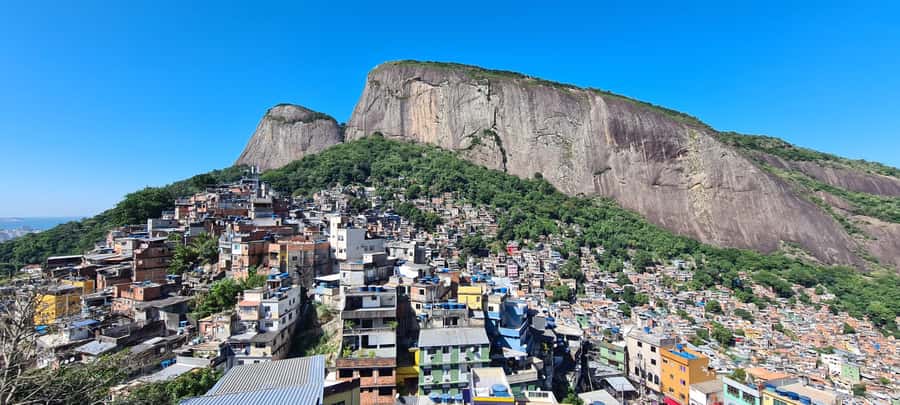
Most Rio tours sell the city as postcards. This one starts with a different question: who gets to be “seen,” and who lives outside the spotlight? You’ll still get plenty of Rio scenery, but the real point is how neighborhoods like Rocinha and Vila Canoas fit into the broader story of Brazil.
The tour’s tone matters. You’re placed in a structured, guided setting that keeps the visit respectful and organized. The goal is simple: update your assumptions with firsthand context, so you leave with a clearer view of society’s edges—not just a set of photos.
And the timing is built into the experience. It doesn’t begin when you arrive. You start learning and riding out together, then the walking and visits kick in once you’re in the rhythm of the day.
You can also read our reviews of more tours and experiences in Rio De Janeiro.



Where you’ll go: Rocinha and Vila Canoas on the ground
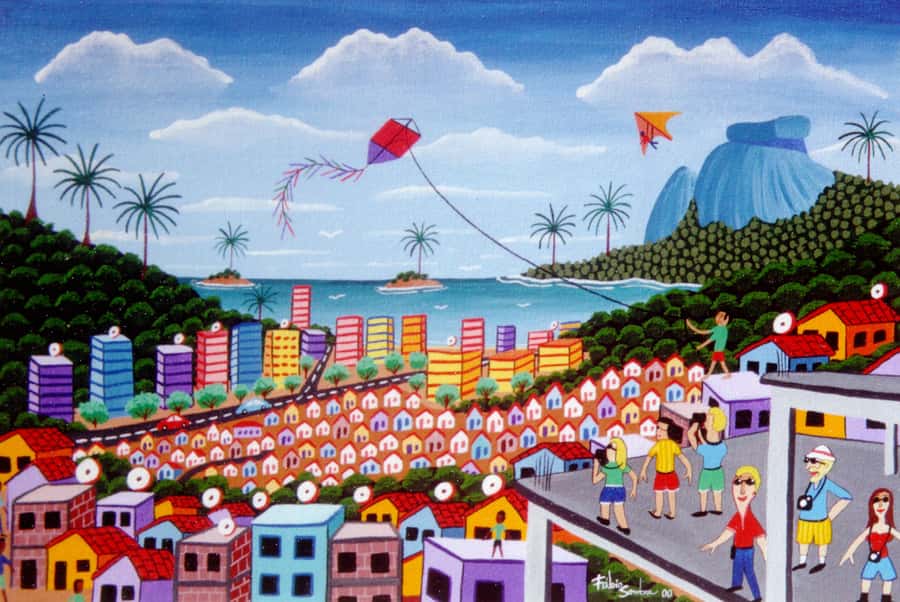
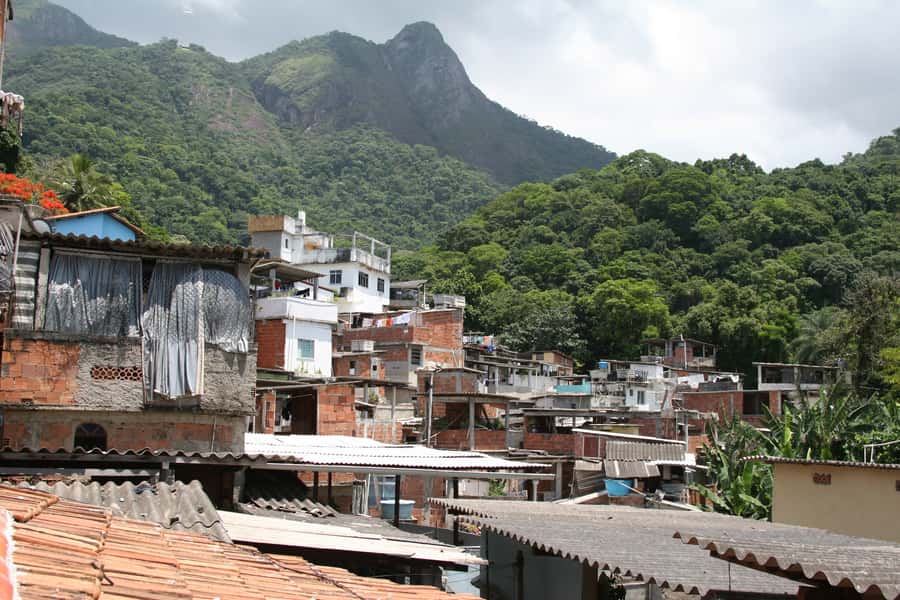
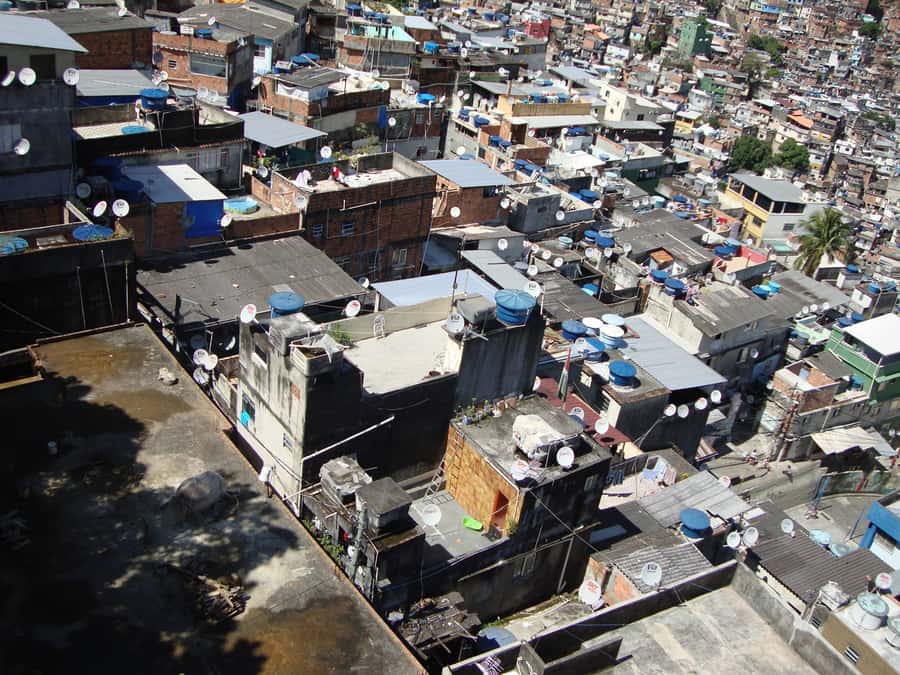
This tour focuses on two favelas, not just one quick stop. Rocinha is the headline—described as the largest favela in Brazil—while Vila Canoas rounds out the picture with a different feel and layout. Both are on steep hillsides, and from a distance they can look like scenery. Up close, you see the architecture, the tight connections, and the everyday systems that make life work.
You’ll walk through residential and commercial areas, which is key. A favela isn’t just housing stacked on a slope. It’s shops, services, schools, and small businesses. That mix is part of why the tour matters: it explains the social structure beyond the headline stereotypes.
Because the experience is guided and interactive, you’re not left guessing. Your guide is there to connect what you see—alleyways, local projects, community spaces—to why these places exist in the first place.
The walking portion: what you can expect minute to minute
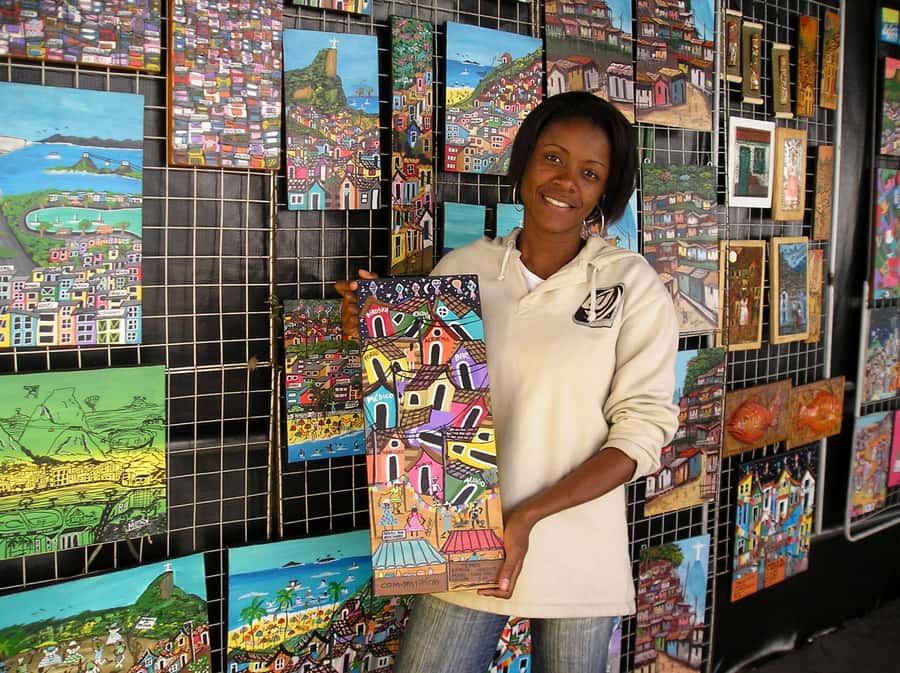
Plan for a real walk. This is mostly on foot, with about 2.25 hours spent walking as part of the guided flow. The start includes a local bar stop where you get guided tour time and then you move into the streets.
As you go, expect a mix of:
- short explanations as you transition between areas
- time to observe how businesses and homes sit side by side
- guided visits to community spaces (not just street corners)
You’ll also spend time at a handcraft center, which gives you a chance to shop in a way that supports local work. The tour won’t force shopping, but it creates the opportunity.
The school and handcraft center: why these stops change the conversation
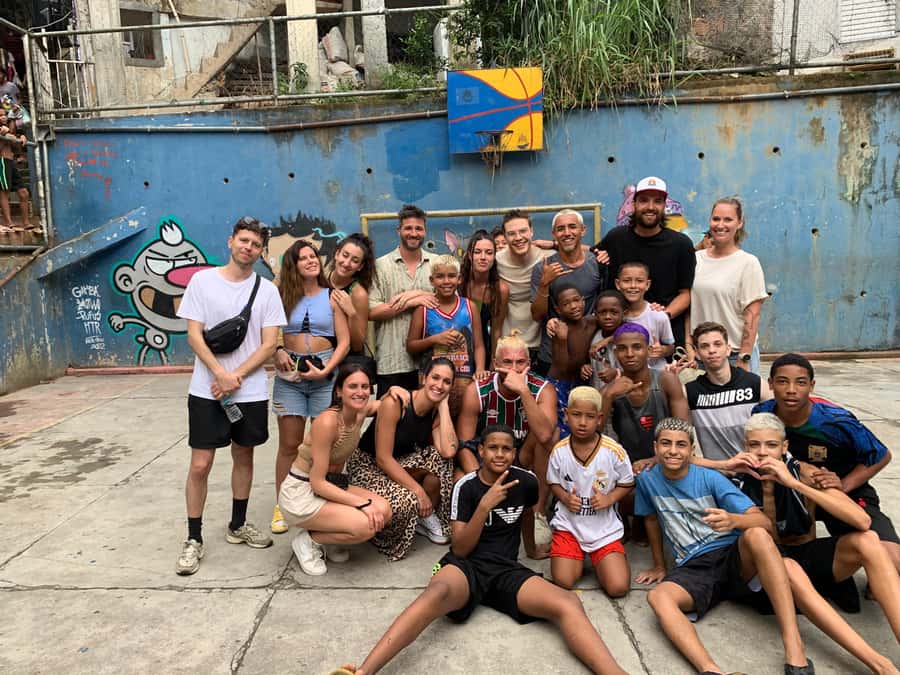
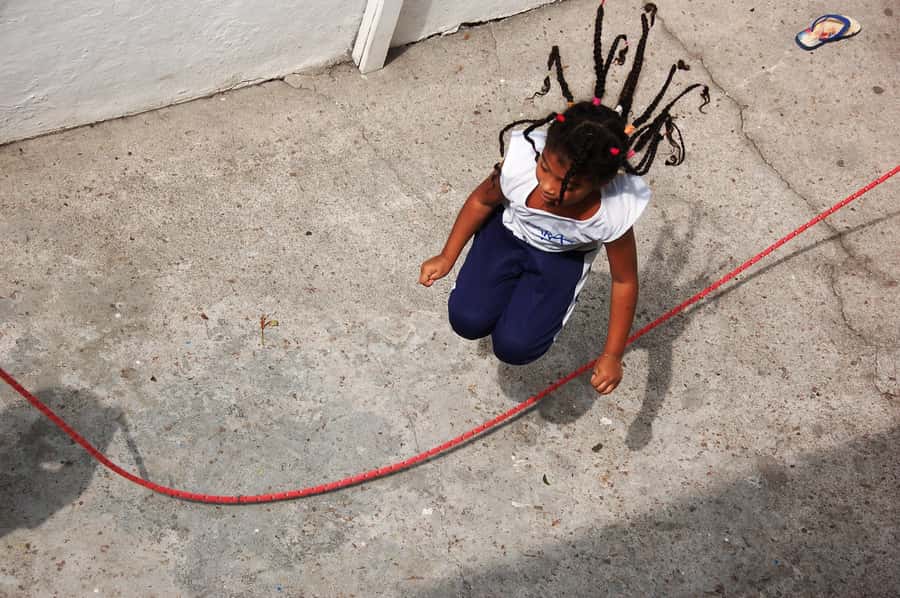
This is one of the strongest parts of the tour because it shifts the story from “where problems happen” to “how communities build solutions.” You’ll visit a community school, and the information you get ties it directly to how Favela Tour supports educational projects inside the favela.
That school stop tends to stick with people because it shows agency. The point isn’t to sugarcoat challenges. It’s to show what local residents are already doing—teaching kids, investing in education, and organizing community life.
The handcraft center adds a second layer. It’s not only about souvenirs. It helps you notice the local economy—how skills and small-scale production support families and create visibility beyond the city’s stereotypes. Come ready to walk, and bring some extra cash or cards if you want to buy something.
Getting your bearings: the ride, the views, and the context
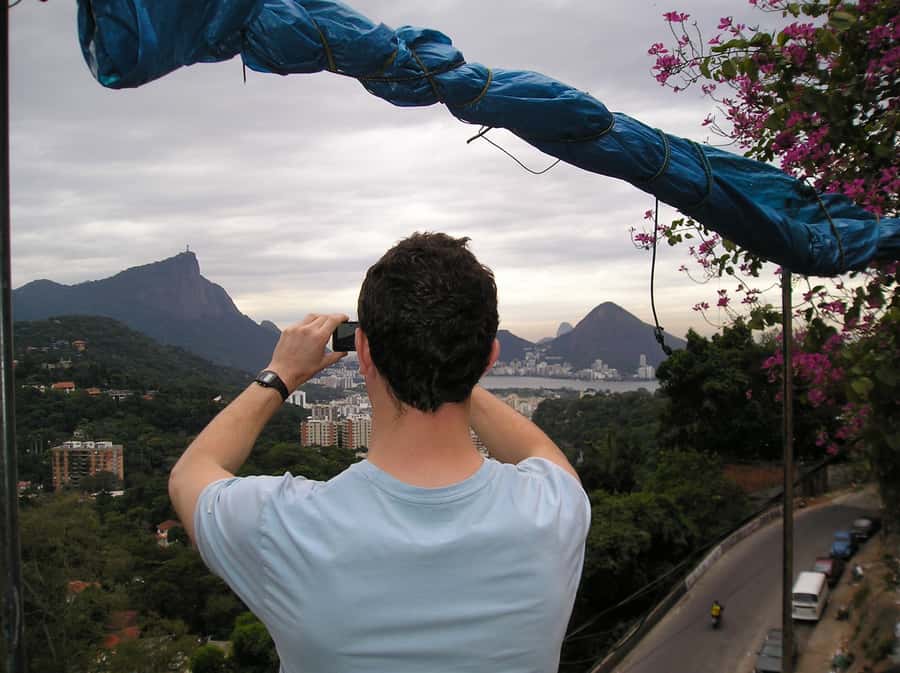
The route is part of the lesson. You’ll have scenic views over Rio along the way, which helps you understand what the hills look like from the city side. Seeing the terrain first makes the walking feel less like an abrupt switch and more like a steady descent into how people live with the geography.
Then your guide connects that geography to the larger point: Rio includes close to a thousand favelas, and they’re home to about 20% of Rio’s population. Most of that remains mysterious to people who don’t live there, and the tour is designed to remove the fog.
If you’re worried the day will feel like you’re being lectured, don’t be. The focus is on conversation and observation—what you see, what it means, and how Brazil’s contrasts show up at neighborhood level.


Safety and respect: how to act so the day stays comfortable
Safety is handled in a practical way: you go with an organized tour. The tour information is straightforward—favelas are safer than many people assume, but you should still only visit with an organized group and guide.
That matters because the “how” is the message. When your route, timing, and interaction are coordinated, you’re less likely to feel lost or out of place. And when locals welcome visitors, it’s because the visit is happening on respectful terms.
Here’s how I’d keep it smooth:
- Keep to the group and follow your guide’s pace
- Dress comfortably for walking
- Be ready for close-up moments where you’re observing real daily life, not reenactments
- Use your curiosity like a tool, not a camera trigger
The tour also leans into the idea that you’re a welcome visitor, not an intruder. That’s part of why it’s presented as socially inclusive and not voyeuristic—your presence is framed as education and support, not entertainment.
Language and guides: what to watch so your experience lands well
Tours are available in multiple languages: English, French, Spanish, Italian, and Portuguese. That’s a big deal for comprehension, especially when the day includes history, social context, and quick changes between viewpoints and walking areas.
From the guide names in the experience feedback you provided, I’d expect strong narration and an effort to make the topic understandable. Examples include Mateo (noted for perspective and insight) and Francesco (mentioned for detailed explanations and knowledge around favela history and beyond).
One more practical note: if you booked a specific language, don’t assume nothing ever changes. There’s at least one reported situation where an Italian-speaking group faced a plan adjustment tied to language scheduling and entry into Rocinha. I’d treat your booking confirmation with care and stay flexible on the day of the tour.
Price and value: why $33 can make sense if you want the real Rio
At $33 per person for a 3-hour format, you’re not just paying for transportation. You’re paying for guided access to two neighborhoods, plus the time and context that most “see it from the bus” options don’t include.
Here’s the value equation:
- You get two favela areas instead of one short pass
- Most of the experience is on foot, so it’s not only viewpoint time
- You visit community projects (school support, handcraft center), which changes what your money supports
- You also get practical pickup and return from the south zone, which reduces hassle in Rio
If your main goal is a checklist of famous landmarks, this won’t replace that. But if your goal is a deeper understanding of Brazil’s social contrasts, it’s a strong use of a half-day.
Pickup and drop-off: saving time in Rio traffic
The tour starts with one of several pickup options in the south zone: Leblon, Copacabana Beach, Ipanema, and São Conrado. Drop-off is similar, returning you to São Conrado, Ipanema, Leblon, and Copacabana Beach.
Pickup is typically from hotels in these areas, and your exact meeting point can vary by where you stay. That’s common in Rio, but it’s worth knowing so you don’t end up searching the wrong street corner.
Because the day is walking-heavy, you’ll want to plan your morning so you’re not rushing, and you can comfortably start moving once the group is ready.
Who should book this tour, and who might rethink it
I’d recommend this tour if:
- you’re curious about Brazil beyond the usual tourist narrative
- you want structured, respectful access instead of improvising
- you’re okay with walking and active street-level observation
- you care about community spaces like education and local crafts
I’d rethink it if:
- you hate walking or aren’t comfortable with uneven hillside streets
- you expect a mostly “scenic photo” experience
- you need total predictability for a very specific plan at a very specific moment (since occasional adjustments can happen)
This tour is for people who want understanding, not just images.
Should you book Favela Tour Original: Rocinha & Vila Canoas?
If you want a Rio experience that actually explains what you’re seeing, I think this is worth booking. The format—three hours, two favelas, guided walking, and community stops—puts you in the right frame of mind to understand Brazil’s contrasts without sensationalism.
My go/no-go advice is simple:
- If you’re open to learning and walking, book it.
- If you’re nervous about logistics or language changes, keep your expectations flexible and be ready to follow your guide’s lead on the day.
Done with the right mindset, you’ll leave with a clearer picture of Rio—one you won’t get from the usual viewpoint circuit.
FAQ
What neighborhoods does the tour visit?
The tour visits two favelas: Rocinha (the largest in Brazil) and Vila Canoas.
How long is the tour?
The duration is 3 hours.
Is the tour mostly walking?
Yes. It’s mostly a walking tour, and the guided walking portion is about 2.25 hours.
How does pickup and drop-off work?
Pickup is available from multiple options in Rio’s south zone, including Leblon, Copacabana Beach, Ipanema, and São Conrado. Drop-off is also in the same general areas.
What languages are offered?
The tour is offered in English, French, Spanish, Italian, and Portuguese.
What’s included in the price?
Included are a safe 3-hour tour to Rocinha and Vila Canoas, transportation to/from most hotels in the south zone, and a live guide. The tour includes guided visits and walking.
Do I need to bring money for anything?
The tour suggests coming ready to walk and bringing extras for drinks, snacks, and buying local handcrafts.
How flexible are booking and cancellation?
There is free cancellation up to 24 hours in advance for a full refund, and you can reserve now & pay later. The tour also advises confirming through phone, email, or WhatsApp rather than relying on others.