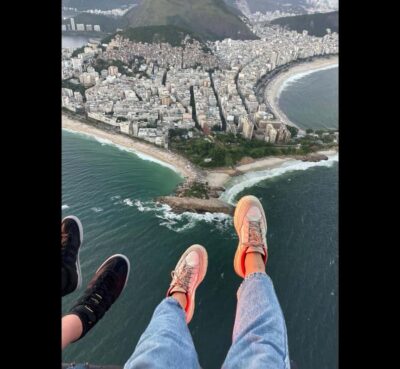
REVIEW · RIO DE JANEIRO
Explore Santa Teresa: Walking Tour
Book on GetYourGuide →Operated by RJ TURISMO · Bookable on GetYourGuide
Santa Teresa doesn’t feel like a typical side trip. I love the mix of historic mansions and street art, and I love the famous 1897 historic tram ride for sweeping views down toward Rio. The only real watch-out is the terrain: you’ll be on hills with uneven sidewalks, so comfy shoes matter.
You’ll get a bilingual guide (English, Portuguese, Spanish) and a timed, easy 3-hour loop that includes guided stops like Parque das Ruínas and the Chácara do Céu area. Pickup and drop-off are built in from central neighborhoods like Leblon, Ipanema, Copacabana, Flamengo, and Botafogo, which makes it feel low-stress.
One more thing: this tour is shared and runs rain or shine. If you’re the kind of person who hates crowds and wet cobblestones, plan to bring patience and a light jacket.
In This Review
- Key things you’ll notice on this Santa Teresa tour
- Why Santa Teresa works so well for a short 3-hour outing
- Pickup and timing: what “included transportation” means for you
- Walking the hillside streets: mansions and art you can actually spot
- Parque das Ruínas: where the views feel built into the visit
- Chácara do Céu Museum: art and atmosphere in one stop
- Largo dos Guimarães: the square stop that helps you read the neighborhood
- Museu do Bonde and the 1897 tram ride: the signature payoff
- Rua Laurinda Santos Lôbo: the art-boutique moment for real souvenirs
- Price and value: is $106 per person worth it?
- Who should book this tour, and who should think twice
- A few small things to get the most out of it
- Should you book the Explore Santa Teresa Walking Tour?
- FAQ
- How long is the Explore Santa Teresa walking tour?
- How much does it cost?
- Is pickup and drop-off included?
- What languages does the guide speak?
- What is not included in the tour?
- Is the tour wheelchair accessible?
Key things you’ll notice on this Santa Teresa tour
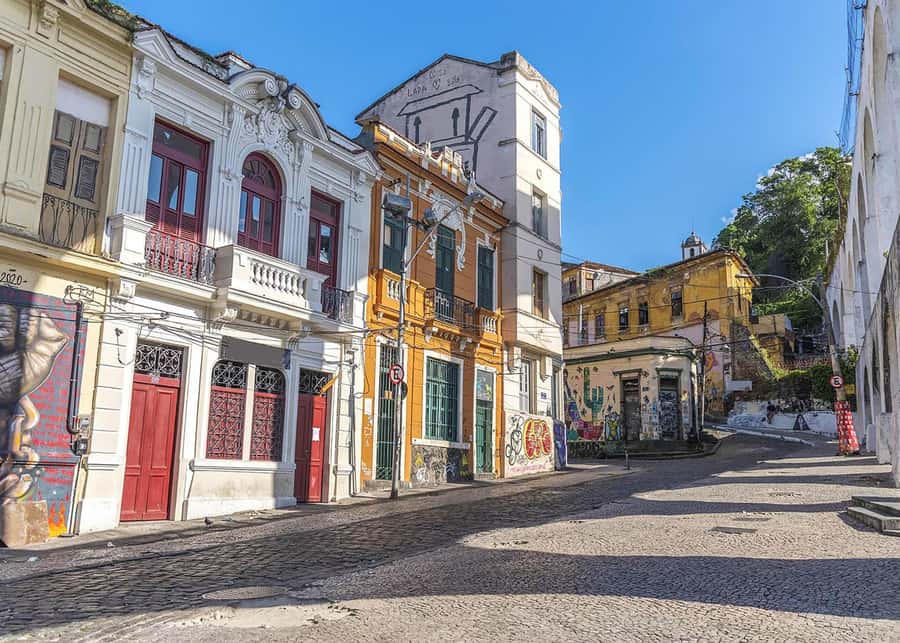
- Historic streets and mansions that set the mood fast, before you even get to the major stops
- 1897 tram ride for standout panoramic views without needing to figure anything out
- Guided visits at culturally important stops like Parque das Ruínas and Chácara do Céu Museum
- Art-focused stops where murals and local galleries help you understand Santa Teresa’s creative reputation
- Hotel pickup and multiple drop-off zones that save you from transit hassles in Rio
- Boutiques and souvenir shopping that lean more local than chain-store
Why Santa Teresa works so well for a short 3-hour outing
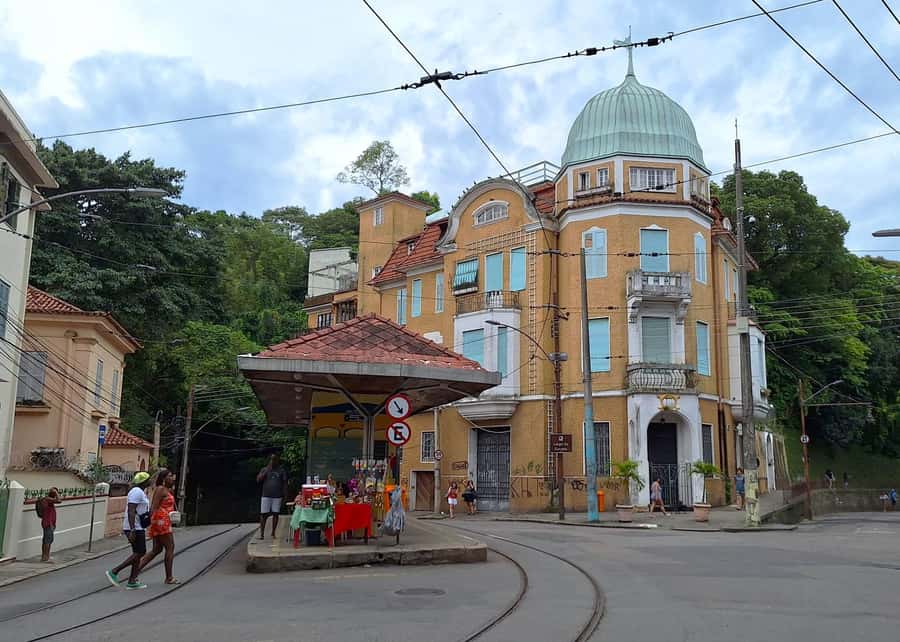
Santa Teresa is one of those Rio neighborhoods that feels like it has its own tempo. The streets wind uphill, you pass older houses with character, and the walls start telling stories in color. In just a few hours, you get a real sense of why people come here for art, views, and a slower pace than the beachfront.
I like how this tour is structured. It’s not just wandering with no plan. You move through the neighborhood, then pause at specific places that explain the area’s creative and historical identity. That matters if you want the best “aha” moments without spending your whole day commuting and guessing.
The duration is 3 hours, which is long enough to feel like you explored, but short enough to still enjoy Rio the rest of the day—beach, dinner, or another guided activity.
You can also read our reviews of more walking tours in Rio De Janeiro



Pickup and timing: what “included transportation” means for you
This tour uses hotel pickup from five areas: Leblon, Ipanema, Copacabana, Flamengo, and Botafogo. Your guide looks for you at the hotel reception by name. After the tour, you’re dropped back in one of these same central neighborhoods.
If you don’t provide a pickup address, the default meeting point is Socialtel Lapa – Rua Visconde de Maranguape, 9. During high season, meeting points may be adjusted closer to your hotel to speed up pickups and reduce traffic time. In practice, that means less sitting around.
The tour runs twice daily, with morning and afternoon options. That’s useful because Santa Teresa can look different depending on the light—morning often feels crisp and clear, while afternoons can give warmer tones for photos. Either way, you’ll have guided pacing so you don’t burn time trying to figure out routes and entrances.
Bring a passport or ID card. That’s one of those small details that prevents a last-minute snag.
Walking the hillside streets: mansions and art you can actually spot
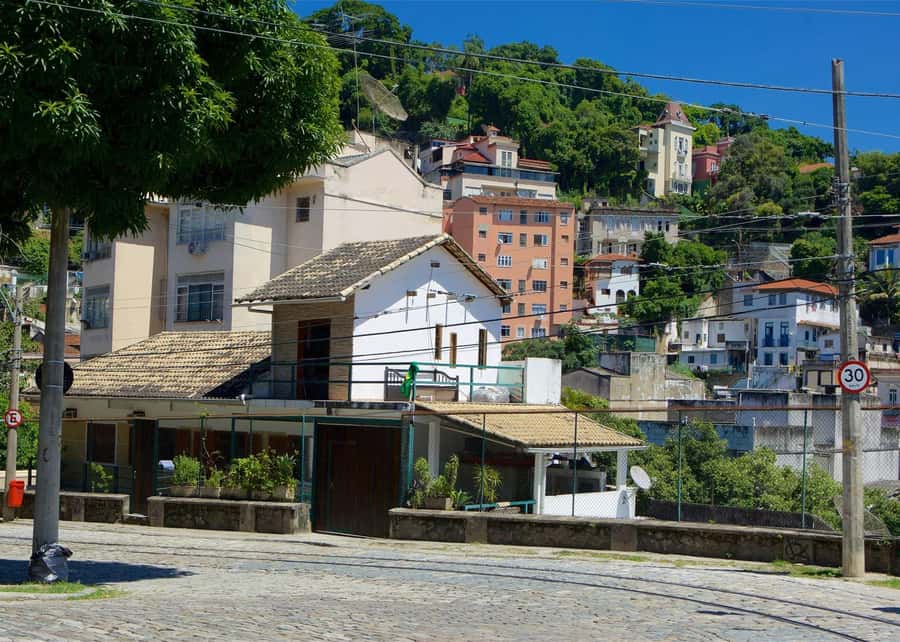
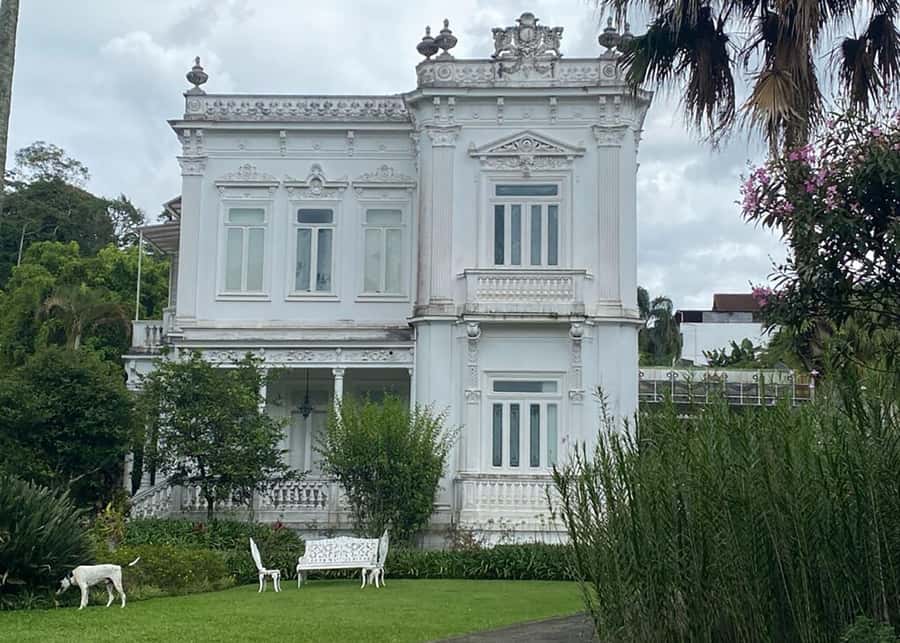
The tour starts in the narrow, winding lanes that define Santa Teresa. Expect to see early 20th-century mansions lining the way. These aren’t museum pieces stuck behind glass—they’re part of what makes the streets feel lived-in and visually interesting as you walk.
Then the art shows up in layers: galleries, studios, murals, and public artworks. This is one of the strongest parts of Santa Teresa. You’re not just looking at a single attraction; you’re walking through an outdoor art corridor where the neighborhood itself feels like the exhibit.
A practical note: this is a walking tour, and Santa Teresa’s topography is real. You’ll be on slopes and uneven surfaces. If your legs fatigue fast, pace yourself and take the stop breaks seriously. Your guide will keep you on schedule, but you still control how often you pause for photos.
Parque das Ruínas: where the views feel built into the visit
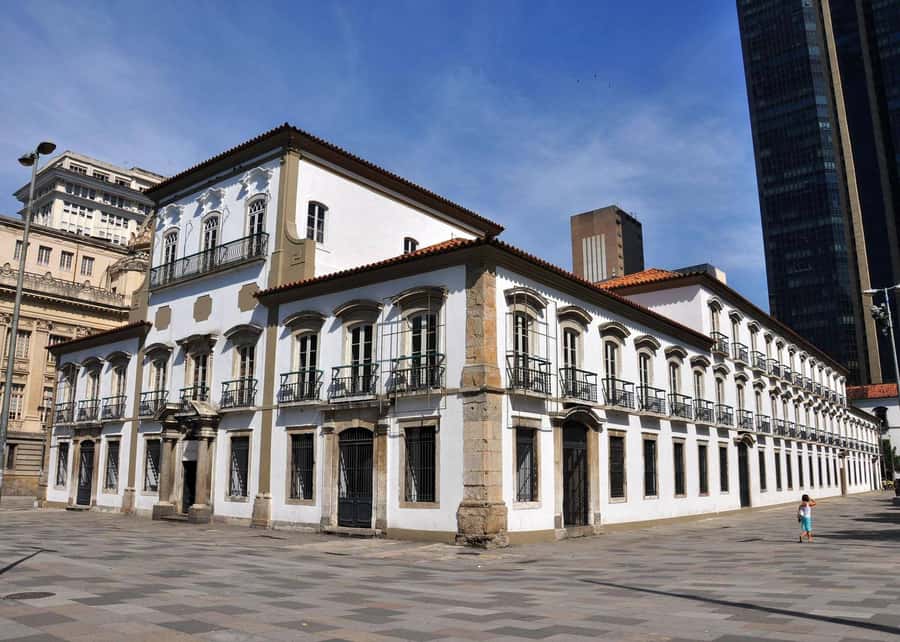
Parque das Ruínas is one of the tour’s guided stops, and it’s easy to understand why. You’re not just stepping into a building or garden; you’re getting a sense of Santa Teresa’s elevated perspective. Even when the focus is cultural, you’ll usually feel the neighborhood opening up around you.
What I like about making this a scheduled stop is that it gives you context. In less time than doing it independently, you understand the role this place plays in the local arts story and why people treat it as a landmark.
Potential drawback: if you’re expecting a quick photo stop only, you might be surprised by how much you get out of the explanation. The guide’s job is to connect the architecture and setting to the neighborhood’s character, so it’s a bit more than sightseeing.
Chácara do Céu Museum: art and atmosphere in one stop
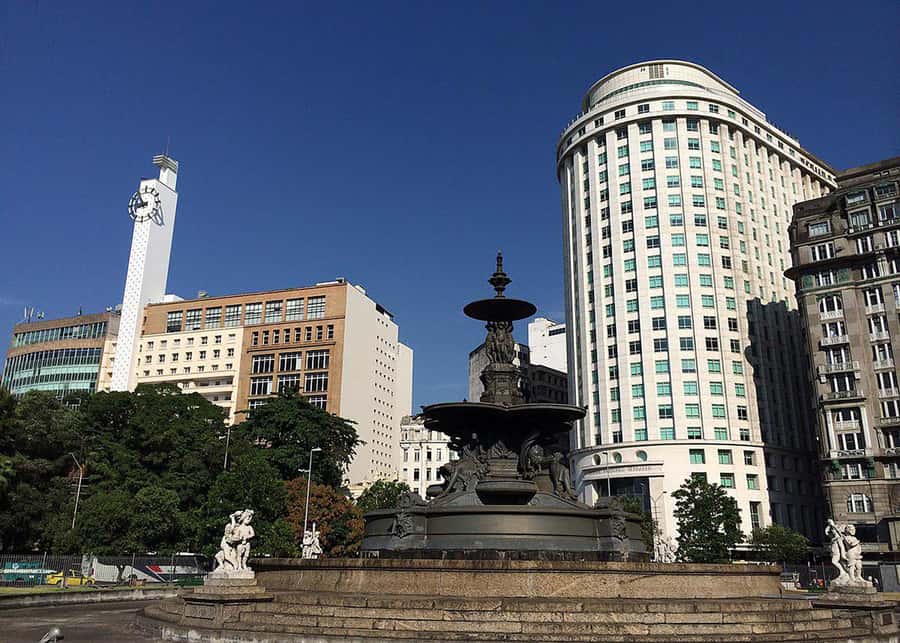
Next up is the Chácara do Céu Museum area, also guided. This stop works well because it shifts you from outdoor street art into a more concentrated setting where creativity is the point.
You’ll get guidance here too—what you should look for, what the space is about, and how it relates to Santa Teresa’s reputation as a creative hub. That “guided meaning” is the difference between taking photos and actually understanding what you’re seeing.
One consideration: museum-style stops can be less satisfying if you prefer action-based sightseeing only. But if you’re the type who enjoys learning what makes a neighborhood tick, this is a smart anchor point in the 3-hour route.





Largo dos Guimarães: the square stop that helps you read the neighborhood
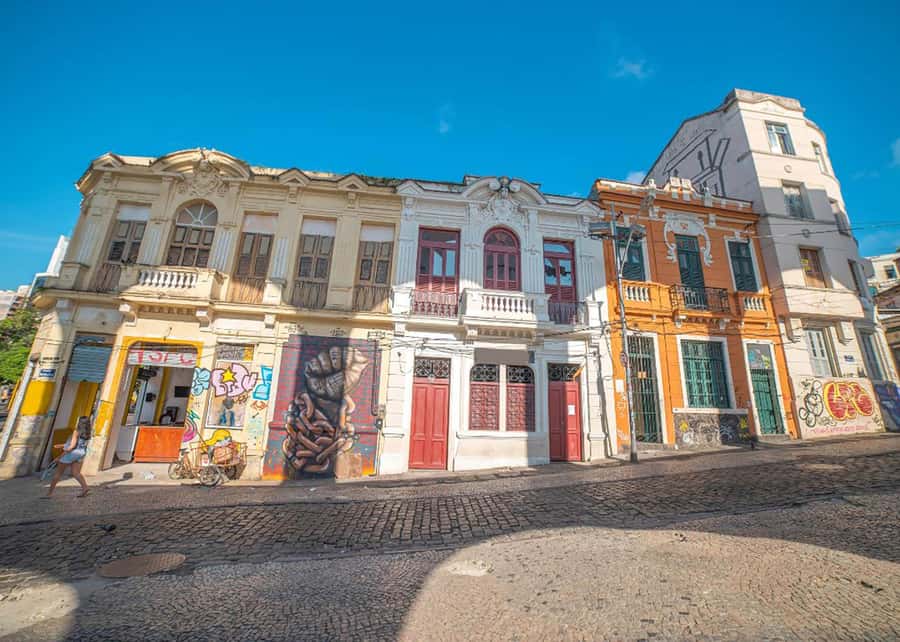
Largo dos Guimarães is a guided stop in the tour, and it’s the kind of place that helps you reset your perspective. Squares in older districts aren’t just open space. They’re where community life shows, where history becomes visible through the way people gather, and where streets connect.
This stop is valuable because it breaks the walk into a digestible experience. You get a moment to slow down, listen, and see how the neighborhood layout supports daily life. That makes the later sections—especially the tram-related stop—feel more meaningful.
If you’re rain-phobic, this is also where having an organized guide helps. You’ll know which areas to prioritize and how the route adapts to conditions without you getting lost.
Museu do Bonde and the 1897 tram ride: the signature payoff
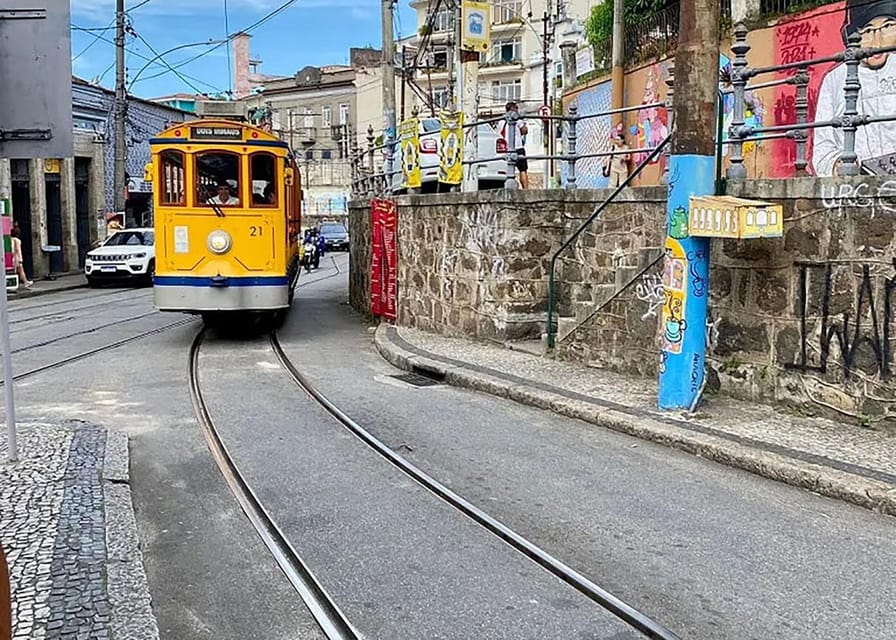
The headline moment on this tour is the historic tram experience. The tram has been in operation since 1897, and it’s famous because it turns Santa Teresa’s hills into a moving viewpoint. As the tram clatters along its track, you get panoramic views over the surrounding hills and Rio below.
This part is worth putting at the top of your Santa Teresa checklist because it’s different from everything else you can do nearby. You’re not just seeing the neighborhood from street level. You’re seeing it in motion, from an angle that’s hard to replicate on your own without extra planning.
Two practical tips for the tram ride:
- Bring your phone ready, but don’t lock yourself into constant filming. Look up at least once or twice so you remember what it actually feels like.
- If you’re sensitive to crowds or tight seating, aim to manage expectations for a shared group experience.
Guides can make or break this moment with pacing and explanations, and that’s where this tour has been praised. Past bookings mention guides like Thiago, Renato, and Leo for being friendly and strong in English, which helps a lot when you’re listening while the tram is moving.
Rua Laurinda Santos Lôbo: the art-boutique moment for real souvenirs
The tour finishes with Rua Laurinda Santos Lôbo, another guided section that includes time to see the neighborhood’s art scene up close. This is the part where shopping feels natural rather than forced.
You’ll find artist-owned stores and boutiques offering unique items, like handcrafted jewelry, bespoke clothing, and artisanal goods. This is a better approach to souvenirs than grabbing the first mass-market postcard shop you spot, because the neighborhood’s creative identity is baked into the products you’ll see.
A smart way to shop here: decide what you want before you browse. If you want wearable items, watch for sizing and ask questions. If you want small gifts, look for locally made accessories or prints. Even if you buy nothing, the time is still useful because you see what local makers value.
Price and value: is $106 per person worth it?

At $106 per person for a 3-hour experience, this tour costs more than a DIY neighborhood walk. But you’re paying for several things that add value fast in Rio:
- a bilingual professional guide (English, Portuguese, Spanish)
- hotel pickup and drop-off from multiple central neighborhoods
- guided stops at key cultural areas (so you’re not just guessing)
- the historic tram experience tied to Santa Teresa’s identity
If you’ve ever tried to piece together Santa Teresa by yourself, you’ll know how quickly it can turn into time loss—finding entrances, figuring out which viewpoint is worth it, and managing steep streets plus heat and traffic. This tour compresses those decisions into a single, guided route.
That doesn’t mean it’s “cheap.” It just means it’s priced like a structured cultural experience rather than a casual wander.
If you’re traveling on a tight budget, you might prefer a self-guided walk plus one tram ride. But if you want the meaning, the pacing, and the local art context in a short window, this is a reasonable way to do it.
Who should book this tour, and who should think twice
This tour is ideal if you want a guided Santa Teresa visit that includes the tram and multiple cultural stops in one organized block of time. I’d especially recommend it if you:
- like art and want to see how murals, galleries, and local creativity connect
- enjoy history and want an explanation while you walk
- prefer pickup and drop-off so you can spend your energy on sightseeing
- want something more structured than a casual neighborhood stroll
Think twice if you:
- use a wheelchair or need full accessibility (this tour is not suitable for wheelchair users)
- dislike walking on hills or uneven surfaces
- get grumpy when schedules move with rain (the tour runs rain or shine)
A few small things to get the most out of it
Bring comfortable walking shoes. Santa Teresa’s sidewalks aren’t designed for thin soles and slippery sandals.
If you care about photos, consider saving your best photo attempts for the tram ride and major guided stops. You’ll have enough moments for pictures, but you’ll also get more out of the explanations if you’re not constantly turning your head down at your screen.
Finally, choose your departure time based on your day. With morning and afternoon options, you can match the tour to your energy level and then plan the rest of Rio afterward.
Should you book the Explore Santa Teresa Walking Tour?
If you want Santa Teresa’s highlights in a clean, guided 3-hour package, I’d book it. You get the street-and-art feel, the cultural stop rhythm, and the real signature moment: the historic 1897 tram ride with panoramic views. The added bonus is that the experience is supported by bilingual guides, and prior groups have specifically praised guides like Thiago, Renato, and Leo for being friendly and strong in English.
Pass or reconsider only if walking hills is a problem for you, if you need wheelchair accessibility, or if you prefer total freedom over structure. Otherwise, this is a solid use of limited time—especially when you’d rather let a guide handle the route while you enjoy the neighborhood.
FAQ
How long is the Explore Santa Teresa walking tour?
The tour lasts 3 hours.
How much does it cost?
The price is $106 per person.
Is pickup and drop-off included?
Yes. Pickup is included from central neighborhoods like Leblon, Ipanema, Copacabana, Flamengo, and Botafogo, and there are also drop-off options in these areas. If no pickup address is provided, the default meeting point is Socialtel Lapa – Rua Visconde de Maranguape, 9.
What languages does the guide speak?
The live tour guide speaks English, Portuguese, and Spanish.
What is not included in the tour?
Food and drinks are not included, and the cable car ride is not included.
Is the tour wheelchair accessible?
No, the tour is not suitable for wheelchair users.