REVIEW · RIO DE JANEIRO
A Walk in the Rocinha Favela: Women Leading the Way
Book on GetYourGuide →Operated by Malux.rio · Bookable on GetYourGuide
Two wheels, steep streets, and real stories. This Rocinha walking tour pairs a moto-taxi start with a bilingual local guide who shares daily life, art, and community resilience. You’ll move through narrow lanes with photo stops and planned moments that help you understand what you’re seeing.
What I like most is the focus on real people and real access. Guides such as Malux, Gabriela, Lari, and Larissa are highlighted in feedback for staying thoughtful, prepared, and visibly caring about the community they know from the inside. I also appreciate the small group size (limited to 10), plus built-in support from an association that helps manage safety while you walk.
The main catch: you ride a moto-taxi up into the favela, and it can feel a bit intense if you do not like tight turns, steep slopes, or being close to traffic. You’ll also want light, comfortable clothes and insect repellent since the tour runs rain or shine.
In This Review
- Key takeaways before you go
- Entering Rocinha from Av. Niemeyer: what the start really means
- The moto-taxi ride: fun, practical, and not for everyone
- First photo stop and guided walk: seeing street art with context
- Learning local history through narrow alleys
- Social project time, youth interaction, and the human center
- Public library stop and when it’s open
- Homemade black coffee and local shop stops
- Arts & crafts market visit: souvenirs that feel connected
- Optional local home or rooftop visit: when to say yes
- Safety, support, and why the tour feels more secure
- Price and value: why $42 can make sense here
- Who should book this Rocinha walk (and who should skip it)
- Should you book this Rocinha experience?
- FAQ
- How long is the Rocinha walking tour?
- Where do I meet the tour?
- What languages are available for the guide?
- Is the moto-taxi ride included, and what should I pay for it?
- Are food and drinks included?
- What can I expect to see during the walk?
- Is there time to interact with local youth?
- Are restrooms available during the tour?
- Does the tour run in bad weather?
Key takeaways before you go
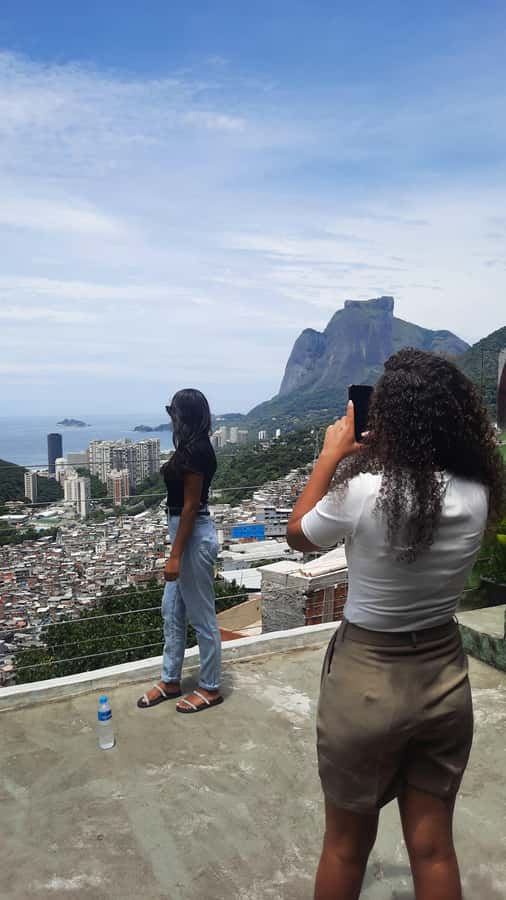
- Bilingual local guides from Rocinha share stories, not just facts
- Moto-taxi first gives you immediate context on how people actually move through the area
- Street art plus community life: shops, markets, kids playing, and photo stops
- Culture moments with youth like dancing or playing football
- Coffee and optional community project time to support local initiatives
- Safety support via real-time location tracking with guide and resident associations
Entering Rocinha from Av. Niemeyer: what the start really means
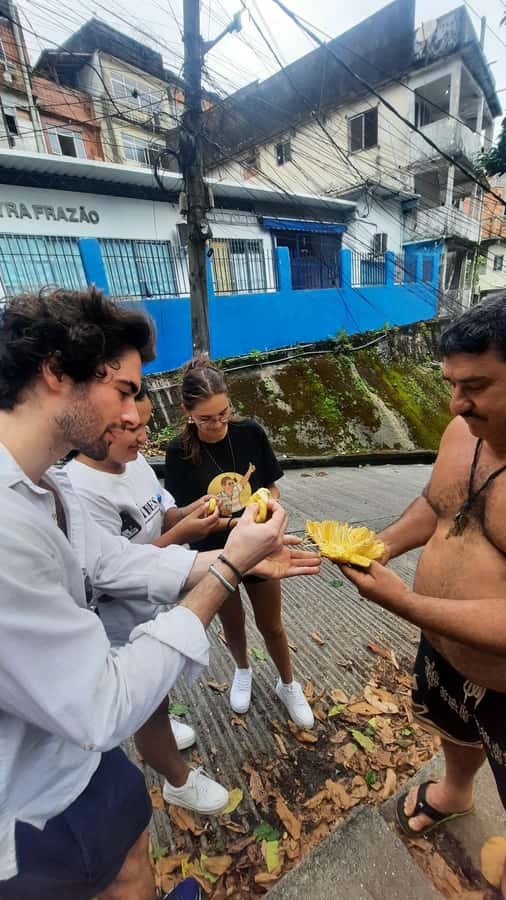
The experience begins where many Rio viewpoints feel far away. Your meeting point is Exit A of the subway near the Universal Church, and the tour’s starting area is Av. Niemeyer, 780. That matters because it sets a fast transition: from the postcard edge of Rio to one of its most important lived neighborhoods.
Right away, you’re not just sightseeing. You’re stepping into a daily environment where streets are narrow, routes are practical, and the pace is shaped by community life. In a place like Rocinha, that context is everything. It’s also why the tour uses a local guide, not a generic scripted slideshow.
You’ll start by moving toward the first stop using local transport—most notably a moto-taxi ride. In feedback, that part stands out for being memorable and a little nerve-wracking in the best way: you feel how steep the area is, and you get a sense of movement before you start walking.
Duration tip: the tour is listed as about 2 hours, but the walking component is described as running longer (about 2 hours 30 minutes). Plan for roughly a half-day mindset, even if the schedule is tight.
You can also read our reviews of more walking tours in Rio De Janeiro



The moto-taxi ride: fun, practical, and not for everyone
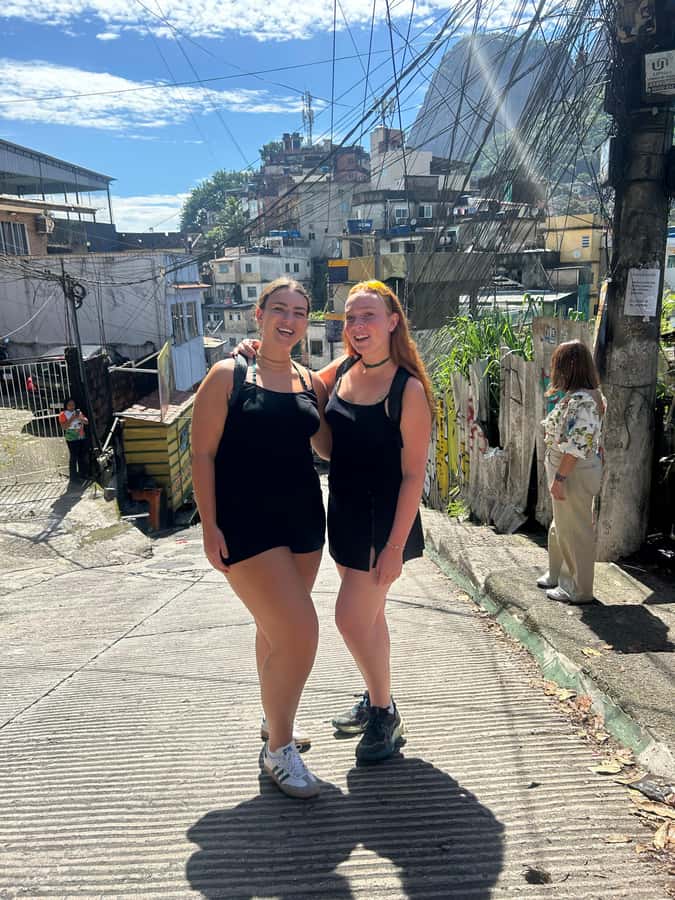
The tour begins with a moto-taxi ride into Rocinha, which does two helpful things. First, it shortens the amount of time you’re figuring out routes on your own. Second, it shows you how people actually travel through the terrain every day.
Cost-wise, you should plan to have cash for the moto-taxi (R$10.00 per person). The tour is built around that ride, but you’ll need to pay for it as part of the experience. If you don’t carry cash, you’ll slow the start.
In the reviews, people mention the ride feels scary at first because of the slope and the fact that you’re on the back seat. That’s normal. The best move is to treat it like a weather-helmet moment: stay relaxed, hold on firmly, and let the driver do the job.
Who will love this part: you’re comfortable with short rides, you like energy, and you want the real “how it works here” feeling early. Who might hesitate: you have a strong fear of motorcycles, motion discomfort, or heights/steep drop-offs.
First photo stop and guided walk: seeing street art with context
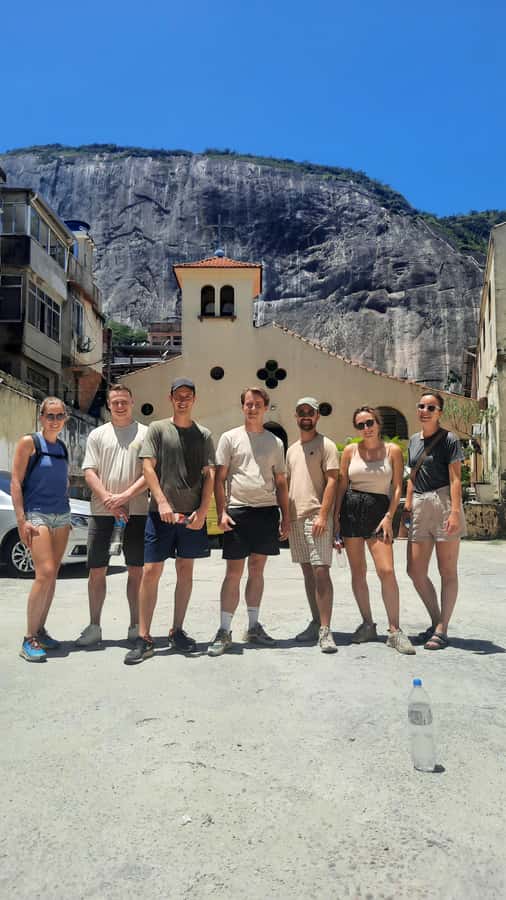
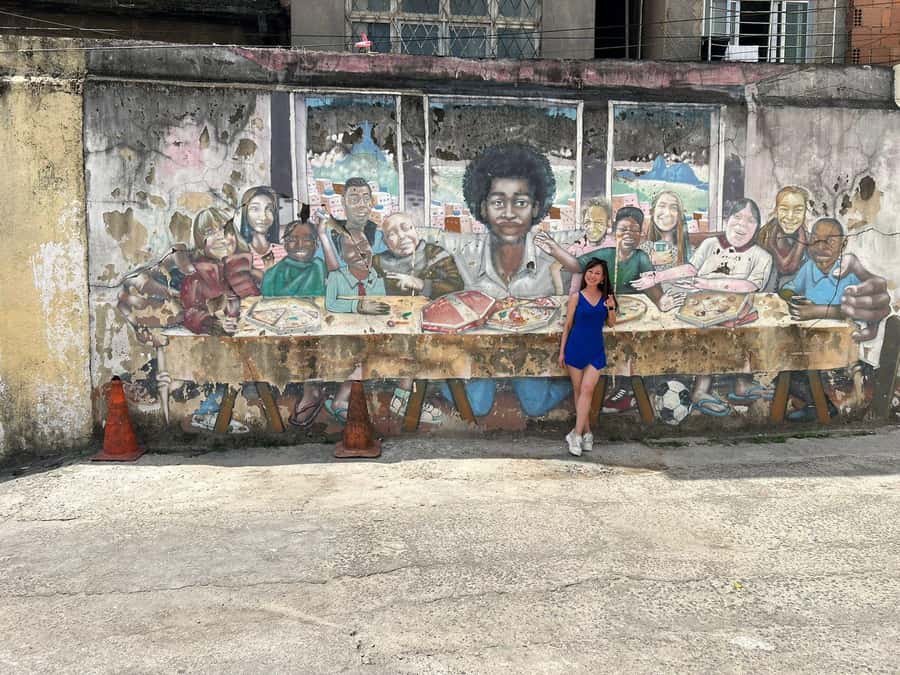
After you arrive, the tour shifts from motion to observation. You’ll have a photo stop and then guided walking through colorful streets filled with art and everyday life. This is where the guide’s stories do the heavy lifting.
Look closely at what changes street-to-street: murals, shop fronts, and the way the community uses small spaces. A walking tour works better than a quick viewpoint because you can notice how people live around the art, not just in front of it.
The guide is bilingual (English, Portuguese, and Spanish are offered), and the best part is the tone. Feedback highlights guides who speak with care, not a performance. People like Malux and Larissa are praised for being sensitive, prepared, and clear about the history of favela life—without turning it into a lecture.
Practical photo note: your phone camera will do fine, but bring your settings habits with you. The streets are bright, mixed light is common, and your best photos often come from steady shots after the guide gives you a quick orientation.
Learning local history through narrow alleys
Rocinha’s streets are not laid out like a museum grid. That’s why the tour stays guided. As you move through narrow alleys, you’ll learn about how the community grew, how daily routines work, and what resilience looks like in everyday choices.
A good local guide helps you connect details. For example, when you see a shop or a small gathering spot, you’ll hear why that spot matters. When you pass where people play, the stories make the scenes feel specific instead of generic.
This is also where small-group size helps. Limited to 10 participants, you get better pacing and more time to ask questions without everyone getting pulled ahead. In feedback, that small group feel is one of the most praised aspects.
Tip for you: ask one question that goes beyond what you’re seeing. Something like how young people spend afternoons here, or what locals want visitors to understand. Guides typically answer with examples, not slogans.
Social project time, youth interaction, and the human center
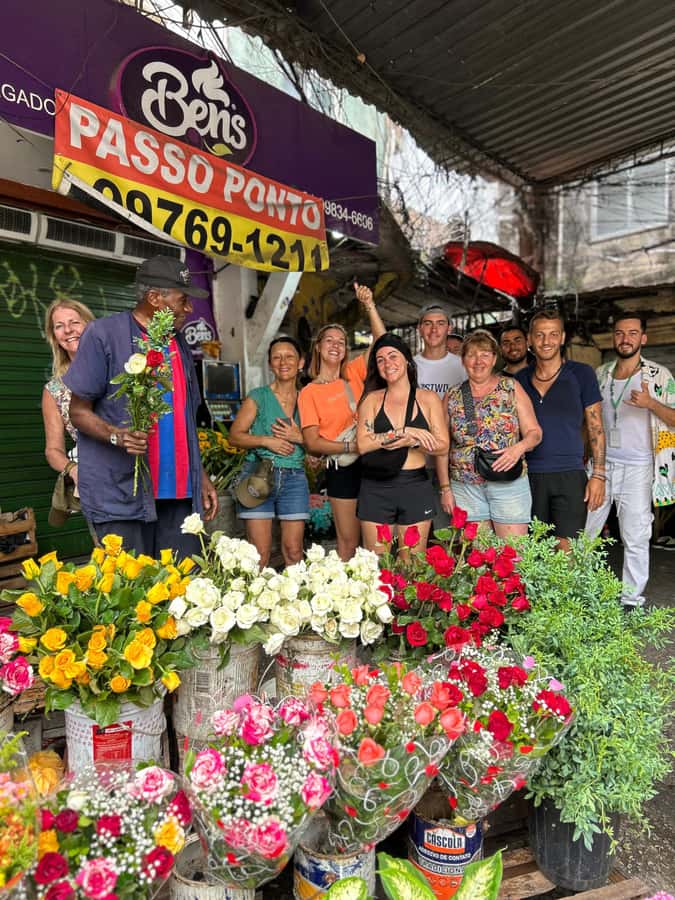
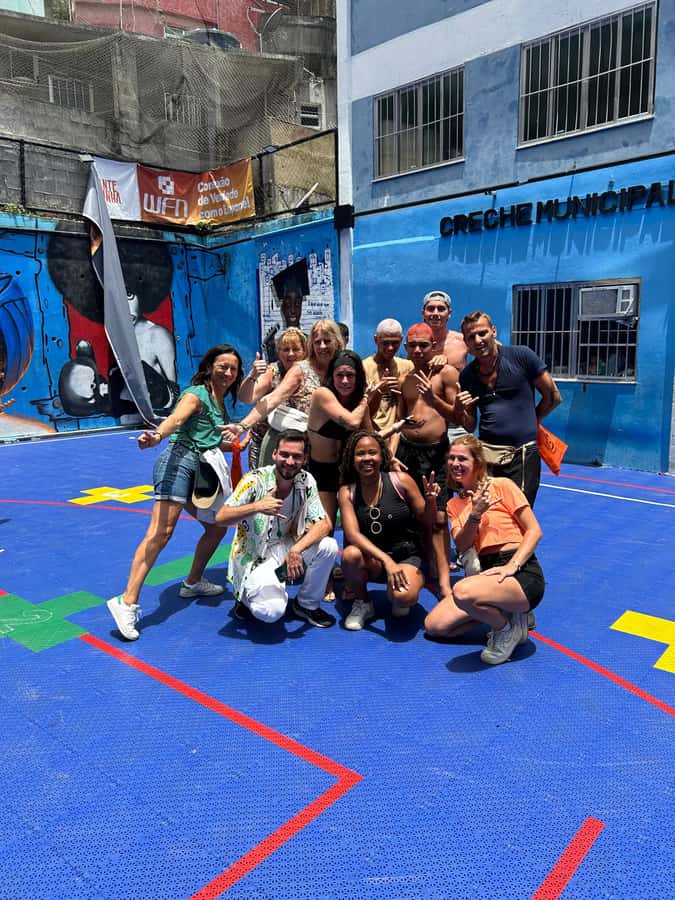
One of the most meaningful segments is the chance to interact with local youth and join in for simple culture moments—like learning a dance or playing football. In the reviews, this kind of friendly time with youth is called out as a highlight because it turns the tour into a two-way encounter.
There’s also time for a social project visit. Donations are welcomed. You’re not being pushed into anything complicated, but you’re being invited to see that community support is active, not symbolic.
This part is worth your attention because it shifts the tour from learning about Rocinha to experiencing what it feels like to share a moment with people who live there. That’s the difference between a photo walk and a real cultural visit.
If you want a simple way to prepare: bring a respectful attitude and a willingness to follow the guide’s lead. Small gestures—listening carefully, participating lightly, saying thank you—go a long way.



Public library stop and when it’s open
The tour includes a visit to the public library when it’s open. That stop adds a different angle on the favela: learning, reading, community space, and long-term investment in young minds.
Not every trip can guarantee it, because it depends on opening hours. Still, it’s a smart inclusion. A library is one of those places where your expectations should soften. You’ll see education as something locals build for themselves.
If the library is closed during your timing, the rest of the tour still covers local shops, markets, street art, and community stories. Don’t stress it—just treat it as a bonus.
Homemade black coffee and local shop stops
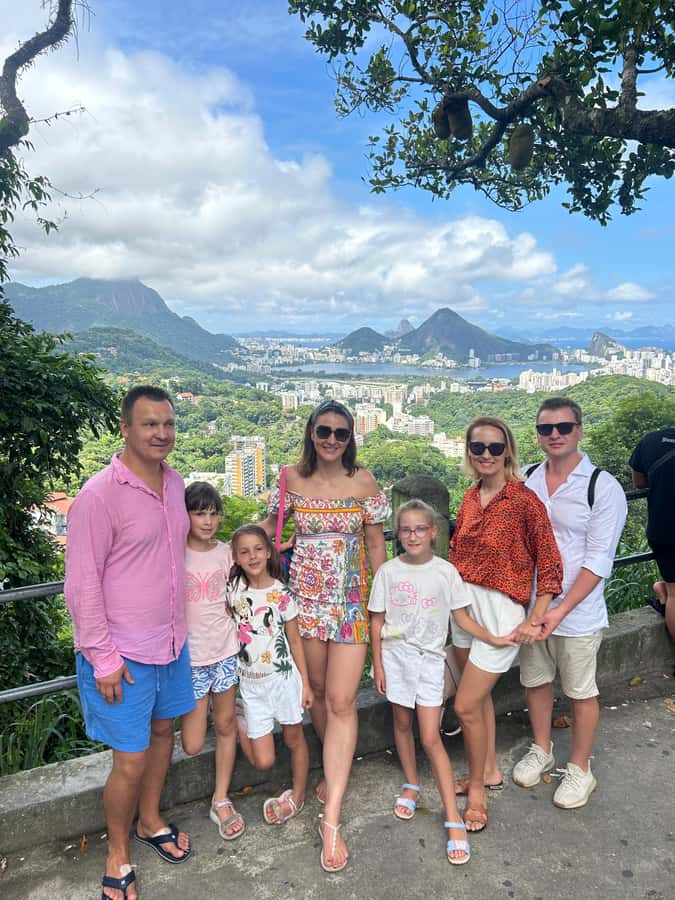
You’ll make several stops along the way at local shops and markets, with time built in to pass by and browse. This isn’t about shopping hard. It’s about seeing daily commerce up close and getting the guide’s tips.
One specific treat included is homemade black coffee. In the reviews, people mention this as a genuine welcome moment. It helps you slow down in a place where you’re otherwise on a steady walking rhythm.
Restaurants and shops accept credit cards, so you’re not forced into a cash-only situation for everything. Still, keep some cash for the moto-taxi, and bring a little extra if you want to buy something small.
If you’re sensitive to strong tastes: black coffee is exactly that. If you prefer milk or sweet drinks, you might want to grab that elsewhere after the tour.
Arts & crafts market visit: souvenirs that feel connected
Later, you’ll stop at an arts & crafts market. This is usually where you can pick up something small and tangible—an item made locally, not mass-produced at a tourist warehouse.
Even if you don’t buy, the market stop helps you understand creative labor in Rocinha. You see how people express identity through practical crafts, and you can ask sellers about what they make.
Best move for you: buy with a goal, not impulse. Decide what kind of memory you want—a small wearable, a wall piece, or something functional. Then ask the guide if any items connect to the neighborhood’s style.
Optional local home or rooftop visit: when to say yes
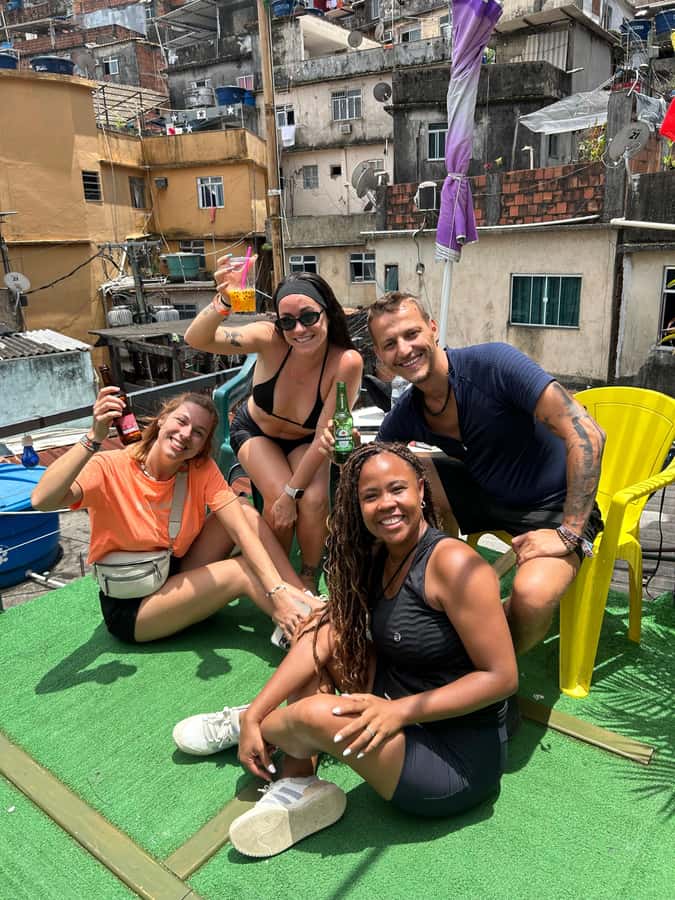
There’s an optional add-on that involves a visit to a local home or rooftop for an extra cost of R$10 per person. This is not always the default part of the walk, so you’ll decide based on your comfort level and the moment.
Rooftops and home visits can be powerful, but they also require extra respect: timing, quiet behavior, and following instructions closely. If you want the most comfortable cultural pace, you can skip it and still get plenty from the main walk.
Safety, support, and why the tour feels more secure
Safety is handled in two practical ways in the tour design. One is real-time location tracking by the local guides’ association and the residents’ association. The other is the way the tour stays grouped and guided, which prevents you from wandering off at the wrong moment.
In feedback, people repeatedly say they felt safe through the entire experience. That doesn’t mean you should treat Rocinha like a theme park. It means the route and guidance are structured for visitors, and the tour includes local systems for support.
Common-sense prep: wear light, comfortable clothes, bring insect repellent, and have a hat or cap. Also, your camera should be ready—but keep it controlled. Use it when the guide signals a moment, not every two steps.
Price and value: why $42 can make sense here
The tour is priced at $42 per person. On paper, that’s not cheap for a walking tour. But you’re paying for several things at once: a bilingual local guide from within Rocinha, a planned walking route with story stops, a moto-taxi ride to reach the first portion, restroom access along the way, street art viewing, shop and market stops, youth interaction, and a homemade black coffee.
On top of that, the design includes safety coordination through real-time location tracking. That kind of support costs money and time, and it’s not something you get from a random walking app route.
What you should expect to pay separately:
- Moto-taxi cash of R$10.00 per person
- Food and drinks are not included
- Optional home/rooftop visit for R$10 per person
If you’d otherwise hire a private guide or pay for separate transportation, the bundled cost starts to look more reasonable. You’re not just buying views—you’re buying context and access.
Who should book this Rocinha walk (and who should skip it)
This tour is a great fit if you want:
- A bilingual local guide who can explain everyday life in Rocinha
- A small group format (limited to 10)
- Street art plus community scenes, not just a quick drive-by
- Culture moments with youth (dance or football)
- A structured, guided way to ask questions and move safely
You might skip or choose a different style of experience if:
- You really dislike moto-taxis or steep rides
- You want food included in the ticket price
- You’re uncomfortable with walking uneven, narrow streets
Should you book this Rocinha experience?
If your goal is to understand Rocinha as a living community—through street art, shops, history stories, and real human interaction—this is a strong booking choice. The small group limit and the guides’ local roots (with names like Malux, Gabriela, Lari, and Larissa showing up in feedback) are exactly the kind of detail that usually separates a “see it” tour from a “get it” tour.
Book it if you’re curious, respectful, and ready for a guided route that prioritizes people over photos. Bring your repellent, plan for the moto-taxi ride, and you’ll leave with more than images—you’ll leave with context you can actually carry back to Rio.
FAQ
How long is the Rocinha walking tour?
The duration is listed as about 2 hours. The walking portion is described as lasting about 2 hours 30 minutes, so plan for a bit more time than a strict two-hour block.
Where do I meet the tour?
Meet at Exit A of the subway near the Universal Church. The starting location is Av. Niemeyer, 780.
What languages are available for the guide?
The tour is offered with a live guide in English, Portuguese, and Spanish. Guides are described as bilingual.
Is the moto-taxi ride included, and what should I pay for it?
A moto-taxi ride to the first stop is part of the tour. You should bring cash for the moto-taxi cost of R$10.00 per person.
Are food and drinks included?
No. Food and drinks are not included in the price.
What can I expect to see during the walk?
You’ll see colorful street art, local shops and markets, and you’ll have photo stops and guided walking. The tour may also include a visit to the public library when it’s open.
Is there time to interact with local youth?
Yes. The tour includes friendly time with local youth, where you can learn to dance or play football.
Are restrooms available during the tour?
Yes. Access to restrooms is available along the way.
Does the tour run in bad weather?
Yes. The tour runs rain or shine, so dress appropriately.