REVIEW · RIO DE JANEIRO
Guided Market Fruit Tasting in Rio with 15+ Exotic Flavors
Book on Viator →Operated by Cook in Fiesta · Bookable on Viator
A market walk that turns into a fruit safari. You’ll taste 15–20 exotic Brazilian fruits with a local expert, plus juices and native ingredients, while learning what’s behind each flavor. I love how the guide links fruit to real life in Brazil, and I also like the mix of familiar and weirdly new bites. One thing to consider: the whole point is tasting, so you’ll likely want to keep your expectations on sampling, not on a shopping spree.
I’ve seen guides like Hay Za, Caterina, and Erica praised for making the stories easy to follow and the tasting generous. If you’re an incurable food person, or you want a hands-on intro to Brazilian culture without sitting through a lecture, this fits well. The group stays small (max 15), which helps you ask questions and not feel rushed.
In This Review
- Key highlights I’d plan around
- Rio fruit tasting in Ipanema: what this experience really feels like
- A quick reality check on timing and pacing
- The market walk: where the tasting power comes from
- What you’ll do as you move stall to stall
- A possible drawback: you might feel the pace in your stomach
- The fruit lineup you should be excited about (and why)
- What you’ll likely learn about taste vs. function
- Local guide impact: Hay Za, Caterina, Erica, and the art of explaining food
- How to get more out of the tasting
- Included tastings: what you’re actually paying for at $49
- Is it good value?
- What’s not included (and how to plan around it)
- A practical tip: bring cash or a card you trust
- Timing in Rio: fitting it into your day in a realistic way
- Where it starts and ends
- Who this tour is best for
- Should you book this fruit tasting tour?
- FAQ
- What is included in the guided fruit tasting?
- How long does the tour last?
- Where does the tour start, and what time does it begin?
- How many people are in the group?
- Is the $49 price only for tasting, or are other purchases included?
- Can I cancel for a full refund?
- Is the meeting point easy to reach by public transportation?
Key highlights I’d plan around
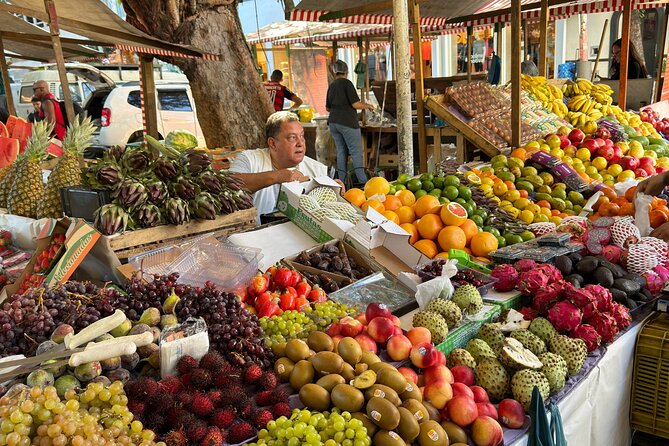
- 15–20 exotic fruits: you’re not tasting one plate, you’re moving through a spread of Brazil’s flavors
- Real farmers’ market walking route in Rio, not a staged food hall
- Local fruit expert storytelling with culture links like açaí and jabuticaba
- Market add-ons included: you also try local juices, nuts, and native ingredients
- Small group size (up to 15 travelers) for a calmer, more personal pace
- Five-star guarantee: if it’s not five-star, you don’t pay for four
Rio fruit tasting in Ipanema: what this experience really feels like
This tour is built around one simple idea: fruit in Brazil is not just snack food. It’s a clue to geography, seasons, and local creativity. You start in Ipanema at 10:00 am, then walk through a real Rio farmers’ market while tasting 15–20 exotic fruits at the kind of stalls where locals actually shop.
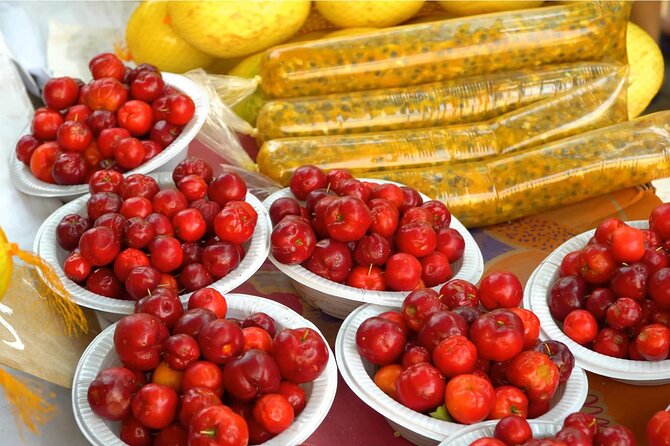
What makes it fun is that you’re not just consuming. You’re getting the “why” between bites. Açaí isn’t treated as a trendy smoothie ingredient; it’s framed as a food tied to the Amazon and how people rely on it. Jabuticaba isn’t explained as a cute name; it’s described as growing right on the tree bark. Even cashew apples get their moment, with the practical idea that locals turn them into sweets and liqueurs. That kind of context changes how you taste.
Two more practical wins: you’ll get local juices and nuts alongside the fruits, so you’re not surviving on one flavor category, and the group stays at a maximum of 15, which helps the guide keep up with questions.
You can also read our reviews of more food & drink experiences in Rio de Janeiro



A quick reality check on timing and pacing
The duration is about 2 hours 30 minutes. That’s long enough to sample a serious variety, but not so long that you’ll feel stuck. Still, bring patience for a guided walking pace. This is a stop-and-taste style tour, not a sit-down meal.
The market walk: where the tasting power comes from
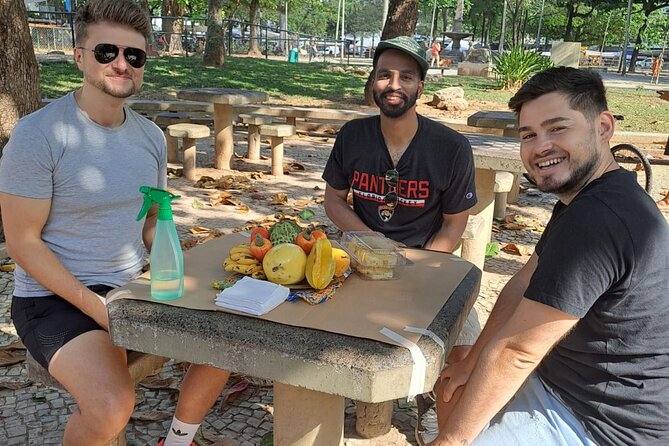
The heart of the experience is the guided walking route through a farmers’ market in Rio. That matters for two reasons.
First, it’s how you see food culture as a daily habit, not as a show. Market stalls are crowded, casual, and human-sized. You get to watch how fruit is handled, grouped, and explained in a place where people come to choose what they’ll eat.
Second, the market setting gives the guide flexibility. If something looks especially good that morning, you’ll likely feel that in the tasting. One review even pointed out the variety they found despite the season, which hints at how the guide works with what’s available on the ground.
What you’ll do as you move stall to stall
You’ll keep walking, stopping when the guide wants to introduce a fruit or ingredient. Between tastings, you’ll hear short stories and fun facts tied to the fruit. Expect that you’ll sample a range of textures and sweetness levels, from fruit you may already recognize to ones you probably don’t.
And yes, there’s a photo factor. The fruits are colorful and the market is a real setting, so your pictures usually look like Rio life, not just food close-ups.
A possible drawback: you might feel the pace in your stomach
Because this is multiple tastings, your energy level matters. If you arrive starving, it can feel like a lot of flavor at once. If you arrive too full, some bites may feel smaller than you want. My advice is simple: eat something light before you go so you enjoy the sampling without the sugar overload.
You can also read our reviews of more guided tours in Rio de Janeiro






The fruit lineup you should be excited about (and why)
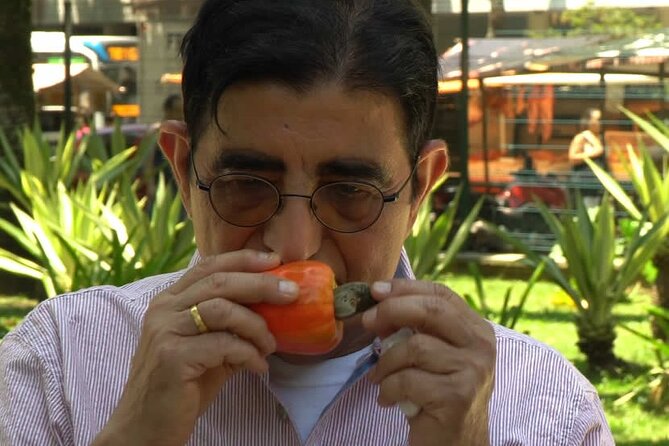
You’re promised 15–20 exotic Brazilian fruits, and you’ll also taste local juices, nuts, and native ingredients. The guide’s job is to connect each fruit to place and use, and that’s where the tour earns its value.
Here are the examples you should remember, because they give you a sense of the range:
- Açaí: framed as a food tied to the Amazon. You’ll get more than the taste; you’ll get the relationship between the fruit and how people eat where it’s grown.
- Jabuticaba: explained as a fruit that grows on the tree bark. That’s one of those details that sticks because it’s unusual and very visual.
- Cashew apples: treated as a real ingredient with a cultural destination. You’ll learn how locals turn cashew apples into sweets and liqueurs.
This is a smart mix for first-timers. If all the fruits were totally unknown, you might struggle to track your reactions. If everything were familiar, it wouldn’t feel like an “exotic” tasting. The balance between known and new is one reason the guide praise keeps showing up in reviews.
What you’ll likely learn about taste vs. function
Even when the flavors are new, you can still pick up patterns quickly: which fruits are best for juice, which ones taste different when fresh, and which ones have a more complex profile than just sweet. That’s useful because it changes what you’ll look for later when you’re in a store or trying to order fruit at a café.
Local guide impact: Hay Za, Caterina, Erica, and the art of explaining food
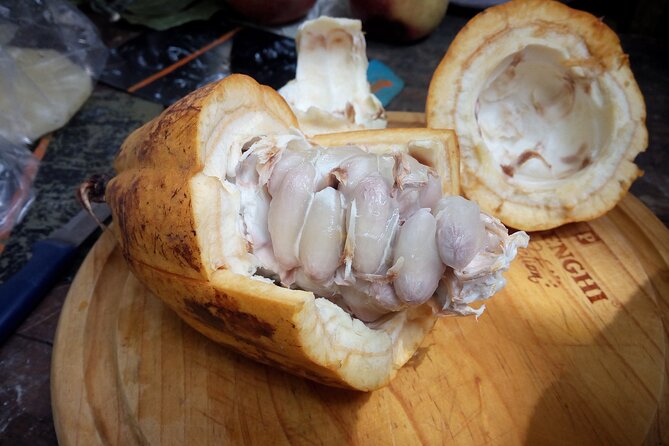
This tour lives or dies on the guide. In the feedback, names like Hay Za, Caterina, and Erica come up with the same themes: friendly delivery, strong local context, and a willingness to answer questions while keeping the tasting moving.
What’s worth your attention is that this isn’t just a list of fruit names. The guide ties the fruit to culture and everyday habits, which makes your experience feel bigger than “snack time.” People also mention that there were both known and unknown fruits, and that the guide was generous with the sampling.
How to get more out of the tasting
If you want value, don’t just follow the pace. Use it.
- Ask what fruit pairs well with a juice versus eating fresh.
- Ask which fruit is most seasonal and when you’d find it again.
- If you’re curious about something you’ve heard of in Brazil before, ask the guide to explain how people actually use it.
With a max group size of 15, it’s usually easier to get answers than on bigger tours.
Included tastings: what you’re actually paying for at $49
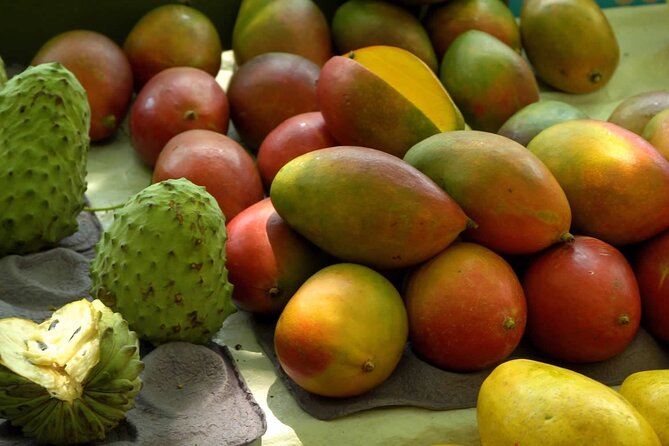
At $49 per person for about 2 hours 30 minutes, the ticket price includes more than the fruit. You get:
- A guided tasting of 15–20 exotic Brazilian fruits
- A walking tour through a real Rio farmers’ market
- Tastings of local juices, nuts, and native ingredients
- Cultural insights, stories, and fruit facts
You don’t have to factor in extra costs for the main sampling portion. And if you’re traveling with kids or picky eaters, that matters because at least you’re getting the “try before you buy” version of the market.
Is it good value?
In my book, yes—mainly because of the volume and the guidance. If you tried to do this solo, you’d face two problems:
1) You’d have to guess what’s worth buying and what you’re actually tasting.
2) You’d miss the stories that explain why a fruit looks or behaves the way it does.
Here, the guide handles the interpretation, and you get a structured route. The reviews also hint at a generous sampling approach, which is what you want for this kind of price.
What’s not included (and how to plan around it)
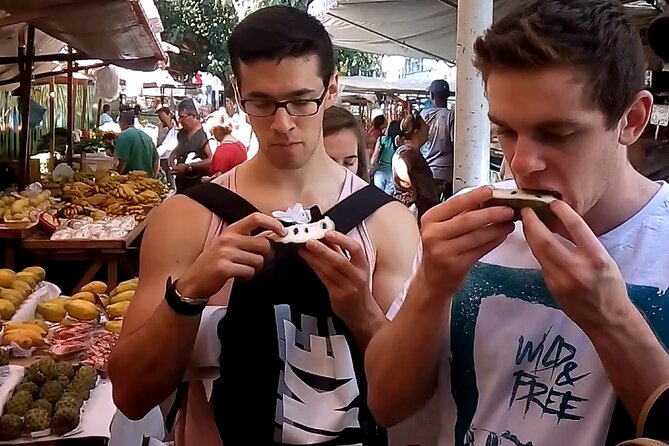
The tour does not include any additional fruit, food, or drinks you might want to buy on your own. That’s a good thing for flexible eaters. You can taste first, then decide what to take home—or what to snack on after.
It also means the market is yours to explore during your own time. The experience ends back at the meeting point, so you’re free afterward to wander and pick up extra treats if you spot something you loved.
A practical tip: bring cash or a card you trust
The tour doesn’t tell you the payment method, so I’d come prepared for normal market spending. If you find a fruit you can’t stop thinking about, you’ll want the option to buy it right away.
Timing in Rio: fitting it into your day in a realistic way
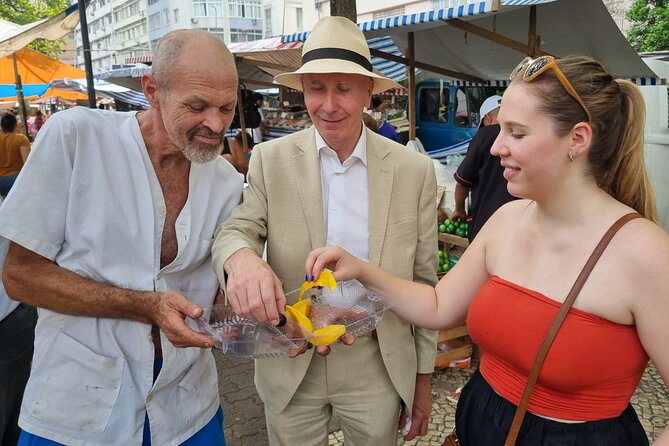
It starts at 10:00 am and runs about 2.5 hours. That timing is great because you get to eat early and still have the rest of the day open.
Also, the experience is booked about 26 days in advance on average, so you’ll usually want to lock it in sooner rather than later, especially if your trip dates are fixed.
Where it starts and ends
The meeting point is in Ipanema, and the tour ends back at the meeting point. That reduces the “now where do I go” stress later.
Who this tour is best for
This is the kind of activity I’d recommend if you want:
- A food-centered Rio experience that still feels cultural
- A chance to try exotic fruits without having to figure everything out yourself
- A guide-led walk where you can ask questions and get context
- A small-group outing with a friendly pace
It may be less ideal if you hate trying new foods at all, or if you’re trying to avoid sugar in general. Fruit is sweet by default, and you’ll likely encounter a range of sweetness levels in 15–20 tastings.
Should you book this fruit tasting tour?
If you’re curious about Brazilian fruit and you like learning while you eat, I think you should book it. The best part isn’t only the number of fruits—it’s the way the guide connects each bite to a place, a plant detail, or a local use. With a small group and a 5-star guarantee, you’re set up for a fun morning that’s more than a snack run.
Skip it only if you prefer food experiences that are sit-down and heavy on cooking technique, or if you’re the type who wants total control over what you eat and don’t want guided sampling.
If that sounds like you, then yes: book. Just eat lightly beforehand, bring an open mind, and be ready to taste fruit you’ve never seen—or might not even recognize by name.
FAQ
What is included in the guided fruit tasting?
The tour includes a guided tasting of 15–20 exotic Brazilian fruits, a walking tour through a real Rio farmers’ market, and tastings of local juices, nuts, and native ingredients. You also get cultural insights and stories from a local expert.
How long does the tour last?
It lasts about 2 hours 30 minutes.
Where does the tour start, and what time does it begin?
It starts in Ipanema, Rio de Janeiro, and the start time is 10:00 am. The tour ends back at the meeting point.
How many people are in the group?
This activity has a maximum of 15 travelers.
Is the $49 price only for tasting, or are other purchases included?
The price covers the guided tastings and market tour items listed above. Any extra fruit, food, or drinks you want to buy yourself are not included.
Can I cancel for a full refund?
Yes. You can cancel up to 24 hours in advance for a full refund.
Is the meeting point easy to reach by public transportation?
Yes, it’s listed as near public transportation. Service animals are also allowed.