
REVIEW · RIO DE JANEIRO
Favela Tour in Rio with Transfer service
Book on Viator →Operated by Rio Carioca Tour Ltda · Bookable on Viator
Forget the postcard Rio for four hours. This favela tour swaps views and theories for a guided walk through Rocinha or Vidigal, plus real talk about how Rio works. I especially like the chance to learn Rocinha’s history and meet people as part of everyday life. One possible drawback: you’ll ride through traffic and then do a lot of stairs and walking, and a full minivan can feel tight.
What you get for the money is surprisingly strong: an air-conditioned transfer, a local guide, and free entry as you explore neighborhoods that sit between the “pretty” Rio and the city’s harder realities. I also like how the best guides adjust the pace and focus, depending on what you’re most curious about, including viewpoints that make the climb feel worth it.
Before you go, it helps to know this is not a drive-by photo stop. You’re there to walk uneven paths, see ordinary businesses and community spaces, and understand the forces behind poverty, opportunity, and politics in Rio.
In This Review
- Key Things to Know Before You Go
- Rocinha and Vidigal: What You’re Really Signing Up For
- Copacabana Pickup and the 4-Hour Reality Check
- Stop 1: Rocinha Walks, Viewpoints, and Everyday Places
- Stop 2: Vidigal Views and the Contrast With Rio’s Glamour
- The Walk Itself: Stairs, Uneven Ground, and Pace Choices
- Meet the Community Through Local Guides Like Hélio and Lydia
- Safety and Respect: How to Do This Without Being That Visitor
- Value for $50: Why This Pricing Can Work
- Who This Tour Fits Best (and Who Should Skip It)
- Should You Book This Favela Tour?
- FAQ
- How long is the favela tour?
- Where does the tour start and end?
- Is hotel pickup included?
- Which community will we visit, Rocinha or Vidigal?
- Is there an admission ticket cost?
- Do I need to bring snacks?
- Is this tour suitable if I can’t handle stairs?
Key Things to Know Before You Go

- Rocinha or Vidigal, chosen by the day: your schedule focuses on one main community.
- Local guides with real connections: names like Hélio, Lydia, and Leo show up often in excellent experiences.
- Views are part of the point: the city panorama makes the steep climb feel like more than exercise.
- Plan for stairs and rough sidewalks: you’ll walk up and down, not stroll on a smooth promenade.
- Free admission and air-conditioned transport: you pay for the experience, not tickets and hassles.
- Group size up to 19: comfortable when there’s space, less comfy if the minivan is full.
Rocinha and Vidigal: What You’re Really Signing Up For

This is a Rio tour for people who want the city’s other side, not just the cable cars and beach photos. You come out with a clearer picture of how Rocinha’s community formed, and how economic and political factors shape life in Rio. The goal isn’t shock. It’s context.
You’ll get to walk through real neighborhoods where you can see school buildings, small shops, and community spaces as part of a living daily routine. Guides often tailor what you see based on your interests, from local artists to everyday homes and working areas. Even when conditions are tough, the tone is usually about people’s pride, problem-solving, and humor.
The name “favela” can carry a scary reputation from headlines. In this kind of guided format, you should expect to feel supported—especially because your guide is moving you through normal streets with normal people around. Still, you should go with a respectful mindset and realistic expectations: you’re touring a community, not a theme park.
You can also read our reviews of more tours and experiences in Rio de Janeiro



Copacabana Pickup and the 4-Hour Reality Check
Most departures start at Rio Othon Palace in Copacabana, and the tour ends back there. A minivan handles the air-conditioned transfer, with a max group size of 19 travelers. On paper, the whole thing runs about 4 hours, so you’ll want to keep your afternoon schedule flexible.
Traffic in Rio can stretch the ride time, and the uphill approaches can take longer than you expect. One common snag: when the vehicle is full, seating can feel close, especially if there are five people across in a row. If you’re sensitive to cramped transport, consider booking when your group might be smaller, or at least be mentally ready for “public-transport tight.”
If you’re staying in Barra or Recreio, there’s an extra USD 10 per person pickup cost paid directly to the guide. That matters because it can turn a simple transfer into a small add-on, so budget a bit extra if you’re not in Copacabana.
One practical note: snacks aren’t included. Bring water or plan to buy something before you start, so you don’t scramble once the walking begins.
Stop 1: Rocinha Walks, Viewpoints, and Everyday Places
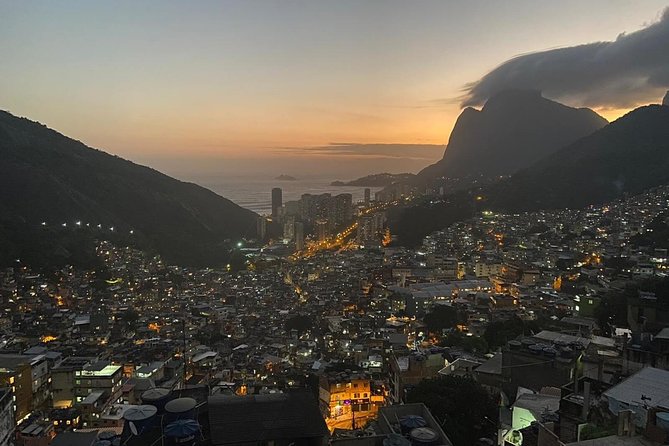
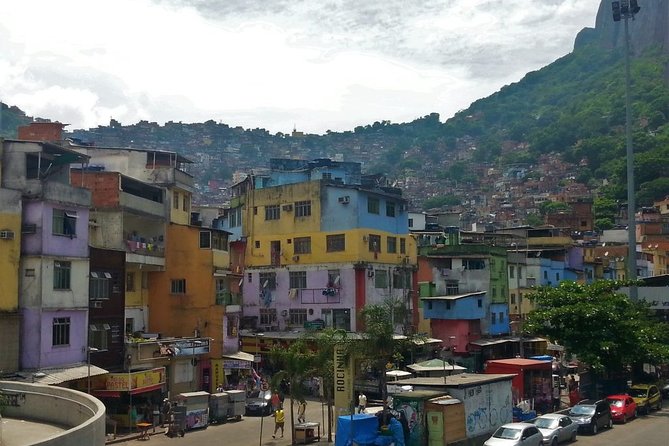
Rocinha is the big one—located between Gávea and São Conrado—and it’s described as the largest favela in Latin America. In the time you have, the walk helps you understand how a huge community functions as a city within a city. You’ll see daily life in places that feel both ordinary and intense, from small businesses to community services.
This is where many guides shine. A strong local guide doesn’t just point at houses. They explain why things are built the way they are, how neighborhoods developed, and what residents say the biggest challenges are. In recent excellent experiences, guides like Hélio and Eduardo were praised for sharing history and navigating the streets with confidence, including connecting you with people you might never meet on your own.
You should also expect the terrain to be real. Some routes include narrow alleyways and stretches that feel steep, with sidewalks that can be uneven. You might see areas with visible litter waiting for collection times, and it’s worth remembering that “infrastructure” is a lived issue, not an academic concept.
A bonus that can happen on a great day: you might get a surprise cultural moment. Some tours include a visit connected to local music and performance, like Samba and capoeira activities with kids from the neighborhood. If it happens, it adds a powerful human layer that’s hard to fake with staged entertainment.
Stop 2: Vidigal Views and the Contrast With Rio’s Glamour
Vidigal is in São Conrado, and the big payoff is the view. This is the neighborhood where you can look out over Rio and see how close “big city” scenery is to the everyday reality inside the hillside streets.
The tour description positions Vidigal as an alternative option depending on the day, so don’t count on doing both communities in one go. But either way, the thinking is similar: you’re learning how people live, not just consuming scenery.
Vidigal’s setting also creates a built-in contrast. One experience noted the way the favela sits behind more upscale buildings near São Conrado, which helps you understand the social and economic proximity that Rio hides from many visitors. That contrast can make the political side of the story feel more concrete, especially when your guide connects it to how access to services and opportunity plays out.
If you’re the type who wants a “look then learn” experience, Vidigal fits. You’ll walk, you’ll get your panorama, and then you’ll hear how residents interpret the city outside their gates.
The Walk Itself: Stairs, Uneven Ground, and Pace Choices
This tour requires that you can walk up and down the stairs. That’s not a marketing line. It’s a real safety and comfort requirement. In practice, you’ll be moving through hillside streets where steps can be steep and surfaces can be rough. If you’re nursing knee problems or you hate slow climbs, you might find this more challenging than you expect.
Your guide may offer alternatives depending on the route and the day. Some guides suggest using a motorcycle taxi for the steepest sections, and that choice shows up in experiences as a way to reduce strain while still reaching viewpoints. If you’re unsure, listen to your guide on the day, because they’ll balance your time, the pace of the group, and safety.
Most of the walking happens alongside normal neighborhood activity: people working, people moving, and streets that don’t feel empty or theatrical. That’s why the guide matters. They’re not just translating language; they’re translating movement, context, and what’s appropriate to ask.
Expect to spend real energy. Comfortable shoes aren’t optional. Leave your best dress shoes back at the hotel, and plan on a bit of a workout, even if the tour feels “cultural.”






Meet the Community Through Local Guides Like Hélio and Lydia
The strongest part of this tour is how it’s guided. When people get a great guide, the whole experience clicks. Names that come up frequently include Hélio and Lydia, plus guides like Carlos, Danielle, Leo (Leonardo), Dario, Eduardo, and Manuela Onofre. Each one brings a different rhythm, but the common thread is local trust.
A good guide adapts. One excellent experience described a guide quickly switching the plan based on what the group wanted most, with a focus on viewpoints and meaningful stops. Another praised a guide as a popular local figure with strong connections, which helps you pass from “tour mode” into “community mode.”
The content you’ll hear tends to cover more than poverty as a concept. Guides often explain how Rocinha formed, and how economic and political pressures shape housing, education, health access, and day-to-day choices. Some experiences mention charity or community support programs tied to education or child services, including initiatives connected to people with complicated pasts. You don’t need to agree with every story to learn from them, but you do need to listen carefully and respectfully.
And yes, you’ll likely meet people along the way. Interactions can range from brief greetings to longer conversations depending on the moment and the guide’s judgment. That’s the whole point: learning from humans, not only from plaques.
Safety and Respect: How to Do This Without Being That Visitor

You’ll hear all kinds of scary stories about favelas before you go. In a guided tour like this, the practical reality is that you should feel safer when you move with someone who knows the streets and reads the situation. Multiple experiences describe feeling comfortable and safe throughout the walk, largely because the guide set expectations and kept the group together.
Respect matters more than bravado. Don’t treat people’s homes like an outdoor museum. Ask questions, keep your voice calm, and follow your guide’s guidance on where to stand and what to do. If your guide recommends how to handle phones or belongings, take it seriously. One participant even noted that their guide advised about phone use, which is a small detail but shows the level of local awareness a guide can bring.
Also expect some less-than-clean spots. You may see rubbish collection points or areas that look worn. That doesn’t mean the neighborhood is “broken.” It often means systems are strained and residents are working with what exists.
If you’re carrying a camera, treat it like a privilege. Turn it on only when it’s appropriate, and be ready to stop if someone asks you to.
Value for $50: Why This Pricing Can Work
At $50 per person for about 4 hours, this is priced for people who want a structured, guided experience without paying a big-city tour tax. Air-conditioned transport and a guide’s time are included, and admission is free. That combination is the core value.
The tradeoff is that you’re still part of a group and you’re in Rio traffic. If you’re sensitive to cramped seating, the minivan can be a weak point when it’s full, and one experience described the ride as too tight for comfort for a larger group within the vehicle. That’s not unique to this tour—it’s Rio and it’s vans—but it’s worth knowing.
You also pay in effort, not money. You’re walking stairs and climbing to viewpoints, so you get something many “drive-by” tours don’t: a physical sense of scale and a deeper appreciation of how people build vertical communities.
If you like practical cultural experiences—street-level context, local explanations, and the chance to ask real questions—this price can be a strong deal. If you want minimal walking and lots of sitting, it’s probably not the right fit.
Who This Tour Fits Best (and Who Should Skip It)
This works best for you if you want authentic neighborhood context and you’re open to walking and conversation. Couples and solo travelers often enjoy it because it’s a human-scale outing with room for questions and a guide who can adapt. A family can make it work too, especially if kids can handle stairs and you’re ready for a strong walking component.
Skip it if you have mobility limitations that make stairs a problem. The tour explicitly requires that you can walk up and down stairs, and the sidewalks can be uneven. Also skip it if you get anxious with close transport or long rides through heavy traffic.
If you’re the kind of traveler who likes structure—meeting point, set duration, known neighborhoods—this tour is built for that. It’s also a good choice if you’re curious about the social side of Rio and want to hear the story in the streets, not in a lecture.
Should You Book This Favela Tour?
I think you should book it if your goal is to understand Rio beyond the postcard layer. The biggest wins are the local guide experience, the chance to walk real streets, and the way the tour connects history and the present-day economic and political reality.
Book with realistic expectations: it’s active, not effortless. Wear shoes you can trust on stairs. Bring water. And let the guide set the pace and the boundaries, especially around phones and photos.
If that sounds like your kind of day, this is a smart way to spend a few hours in Rio with value that comes from people, not just places.
FAQ
How long is the favela tour?
It runs for about 4 hours.
Where does the tour start and end?
It starts at Rio Othon Palace – Copacabana and ends back at the same meeting point.
Is hotel pickup included?
Pickup is part of the transfer service. If you need pickup from Barra or Recreio, there is an extra USD 10 per person paid directly to the guide.
Which community will we visit, Rocinha or Vidigal?
You will go to either Favela da Rocinha or Favela do Vidigal depending on the day.
Is there an admission ticket cost?
Admission ticket is listed as free.
Do I need to bring snacks?
Snacks are not included.
Is this tour suitable if I can’t handle stairs?
You must be able to walk up and down the stairs, so it may not work well if stairs are difficult for you.