REVIEW · RIO DE JANEIRO
Sugarloaf Mountain Climbing Trail
Book on Viator →Operated by Companhia da Escalada · Bookable on Viator
Rock and rope on Rio’s most famous hill
Sugarloaf Mountain Climbing Trail mixes easy trail walking with real climbing over the rocky shores of Costão do Pão de Açúcar, so it feels more like an adventure than a sightseeing stop. What I like most is how the day is structured to keep you moving while still letting you enjoy the big Rio views. You don’t need mountaineering experience, just the willingness to tackle a long ascent and a short stretch that goes more vertical.
Two things really stand out for me: the safety setup (ropes, a chair, and a helmet for the short vertical segment) and the fact that you get down using the free cable car. That combo makes the experience feel both serious and manageable, especially if it’s your first time doing anything like this. The “private activity” format also means your guide can pace you without herding a crowd.
One consideration: this is not for people who are uncomfortable with heights or who want a gentle hike. You’ll be on exposed rock and there’s a short climb of about 20 meters where the equipment matters, so a calm head and moderate fitness are key.
In This Review
- Key highlights if you like your Rio with a challenge
- Why Sugarloaf climbing feels different from just riding up
- Costão do Pão de Açúcar: what you’re actually doing up there
- The pace and timing that work best (and when to start worrying)
- Step-by-step: how the day unfolds from meeting point to summit
- Meeting at Urca (and why this location helps)
- The climb begins: trail, rocky shore, and small moments that build confidence
- The short vertical segment: what to expect from the gear
- Reaching the summit and resetting before the descent
- Descent via free cable car: why the down part matters
- What the views feel like when you’re climbing, not riding
- Price and value: is $62.78 a smart use of time?
- Who should book Sugarloaf Mountain Climbing Trail
- Practical tips to make your climb feel easier
- If you’re choosing between riding up and climbing: a simple decision rule
- Should you book this Sugarloaf climb?
- FAQ
- How long does the Sugarloaf Mountain Climbing Trail take?
- What time does the activity start?
- Is previous mountaineering experience required?
- What climbing equipment is provided?
- What’s included in the descent?
- Do I need snacks?
Key highlights if you like your Rio with a challenge
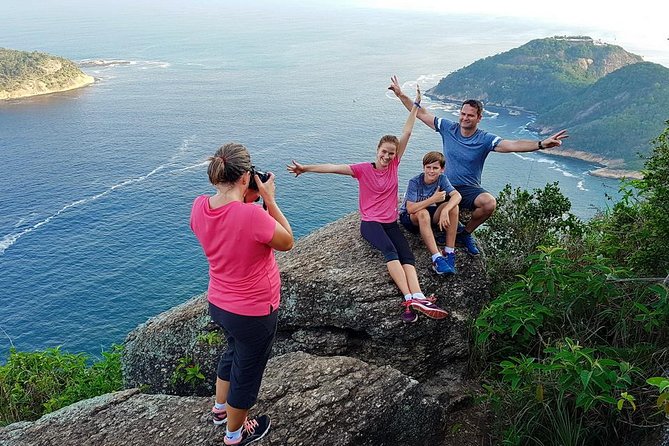
- Certified Brazilian mountain guides lead the route and manage safety with climbing gear
- A short, vertical rope section uses helmet, ropes, and a chair (around 20 meters)
- You’ll pass Pedra Filosofal at about 350 meters during the climb
- Free cable car descent from Sugarloaf to Morro da Urca breaks up the effort
- Private climbing day with pacing based on your group size
- Short format, big payoff: about 4 hours total when you include climbing and descent
Why Sugarloaf climbing feels different from just riding up
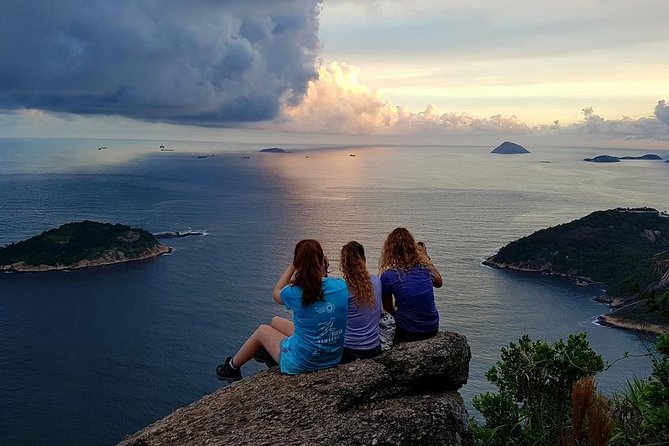
Sugarloaf Mountain is one of those Rio icons people think they already know. But climbing it changes the whole story. Instead of watching the views from a window, you earn them—step by step on trail, then over rocky edges, and then through a short vertical section where you use the gear your guide sets up with you.
The route is designed for first-timers in the sense that you’re not expected to have technical mountaineering skills. Still, you do need reasonable fitness and the ability to keep going when the legs start to burn. The reward is that you’ll see Rio from angles that feel close to the rock and the water, not just “up there.”
And here’s the best part for practical travelers: the experience is only about 4 hours, so you’re not sacrificing an entire day. That matters in a city where weather, heat, and traffic can change your plans fast.
You can also read our reviews of more tours and experiences in Rio de Janeiro.



Costão do Pão de Açúcar: what you’re actually doing up there

The climbing route blends three kinds of movement: walking on trails, scrambling/climbing on rocky shores, and one short push that’s more vertical. That vertical section is about 20 meters, and that’s where safety equipment comes into play with ropes, a chair, and a helmet. Your guides handle the setup and the teamwork, so this isn’t something you brute-force on your own.
One of the most reassuring themes in the feedback is that the experience feels controlled and professional. Guides keep safety first, and you’ll never feel like you’re guessing your way along exposed rock. If you’re nervous about heights, this is still a place where nerves can spike—so treat it like a workout for your confidence, not a casual stroll.
You’ll also travel past Pedra Filosofal (around 350 meters). That’s a real moment during the climb, because you’re not just moving toward the summit—you’re passing a landmark that’s part of the Sugarloaf identity. It helps you track where you are, which makes the time feel less vague and more intentional.
The pace and timing that work best (and when to start worrying)
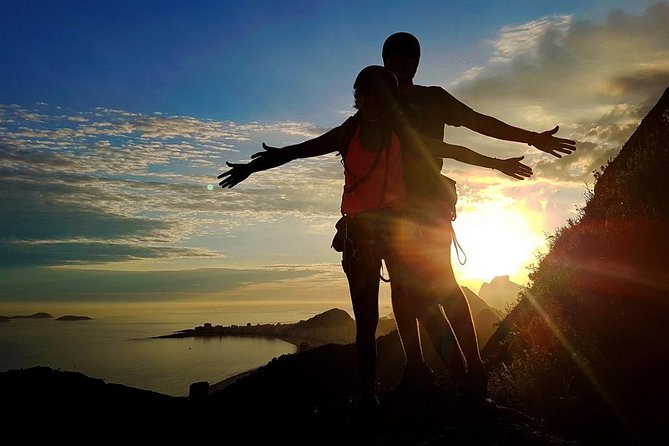
This activity runs in the early afternoon window. You should plan for a start between 1:00 PM and 2:00 PM, and the session window is listed as 1:00 PM–3:00 PM. Expect the whole climbing-and-descent program to average 4 hours, though your exact timing depends on group size.
That timing detail sounds small, but it affects your day. If you’re planning a tight afternoon itinerary elsewhere in Rio, give yourself buffer time. The climb isn’t slow, but it’s also not a race; your guide will keep you moving at a comfortable rhythm while handling safety checks and gear use.
Weather matters, too. The route requires good weather, and if conditions are poor you’ll be offered another date or a full refund. In practice, you’ll want to watch the forecast the morning of your climb and keep your schedule flexible.
Step-by-step: how the day unfolds from meeting point to summit
Meeting at Urca (and why this location helps)
You start at Av. Pasteur, 520, in Urca (Rio de Janeiro). It’s marked as near public transportation, which is a plus in Rio because getting across town can be unpredictable. The day ends back at the same meeting point, so you’re not juggling transfers after you’re done with the hardest part.
Because this is a private activity, you won’t be joining a random crowd. Your guide adjusts pacing for your group, which is a big deal when you’re new to exposed rock walking or a first-time vertical rope section.




The climb begins: trail, rocky shore, and small moments that build confidence
Right away, you’ll be on a mix of trail sections and rocky shores. The vibe is closer to a guided adventure hike than a fixed “path only” walk. You’re learning the route as you go, and your guide is there to show you the safe way to place your feet and handle the more exposed stretches.
The ascent is long enough that you feel it in your lungs, but it’s broken into segments so you’re not stuck in one exhausting grind. As you pass Pedra Filosofal, it also becomes easier to understand what you’re doing—this isn’t random scrambling. There’s a clear sense of progress toward the summit.
One more thing I’d listen for during the climb: how your guide communicates the next steps. In the better-organized climbs, the guide makes you feel like you’re part of a team. In the feedback, people specifically praised guides for being professional and keeping safety front and center—so lean into that communication.
The short vertical segment: what to expect from the gear
This is the part that most influences whether you enjoy the day. You’ll face a stretch of more vertical climbing—about 20 meters—and you’ll use the necessary safety equipment: ropes, a chair, and a helmet.
If you’ve never used climbing gear before, don’t panic. The goal isn’t athletic showmanship. The goal is secure movement through a short section that requires extra help. The gear does the heavy lifting in terms of safety, while your job is to stay calm, follow instructions, and breathe through the effort.
From the way people described the experience, the key was not just the equipment, but how it was used. The best outcome happens when your guide explains what’s happening before you step into the more vertical part.
Reaching the summit and resetting before the descent
After you reach the top, you get time to rest. This isn’t a quick photo-stop. It gives you a chance to catch your breath, take in the views, and mentally switch from “climb mode” to “descent mode.”
This pause is useful if your legs are tired, and it’s also where you can enjoy the view without rushing. If you’re the type who likes to take in details—boats, coastline curves, and the shape of Rio from above—this waiting moment is when you’ll appreciate it most.
Descent via free cable car: why the down part matters
After resting on top, the descent is partly by cable car and partly on trail. The cable car leg is free, and it’s a smart design choice. It lets you recover without losing the feeling that you were active the entire time.
The trail portion keeps the day cohesive. You’re not done just because you’re off the vertical section—you still feel like you’re finishing the adventure on foot. But the cable car segment prevents the day from turning into a full “legs all the way down” ordeal.
This matters when you consider value. Spending the money on a climb only to spend the rest of the day in pain is a common travel letdown. Here, the structure reduces that risk. You still get effort and challenge, but the wrap-up feels smoother.
What the views feel like when you’re climbing, not riding
Sugarloaf views are famous for a reason. The difference is how you experience them on foot. While climbing, you’re constantly changing elevation and angles, which makes the coastline and city feel more layered. You also spend time at eye level with the rock and the edges of the shoreline, which gives the whole scene a more physical, three-dimensional feel.
Pedra Filosofal passing during the climb also helps. It’s not just “nice to see the landmark.” It’s more like a waypoint that confirms you’re following the right route. That makes it easier to enjoy without counting minutes.
If you’re coming to Rio specifically for the big postcard views, this can be a win. It’s not just pretty. It feels earned.
Price and value: is $62.78 a smart use of time?
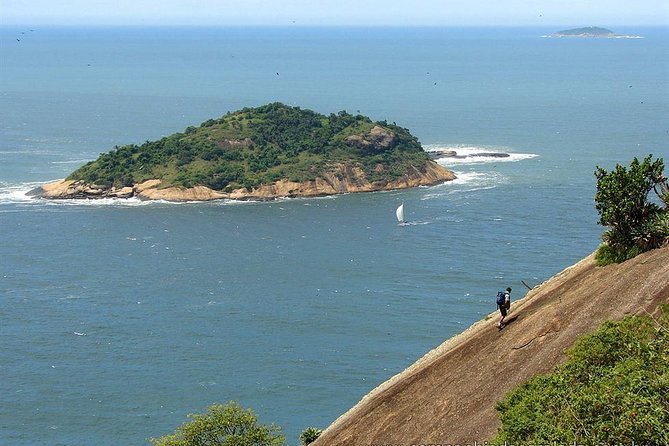
At $62.78 per person for around 4 hours, this sits in the category of “you’re paying for a guide and real equipment.” You’re not just buying a ticket to a viewpoint. You’re buying certified instruction, climbing gear, and a route that includes both a rope-supported vertical segment and a guided descent.
Value also depends on your goal. If your goal is to get the views with zero effort, you might prefer staying with standard cable car sightseeing. But if your goal includes doing something you’ll remember as a skill-building, confidence-building day, the cost makes more sense.
One more value marker: the price includes the climbing equipment and the free cable car descent. That’s not a small detail. It’s part of why the experience feels complete rather than chopped into separate purchases.
And yes, it’s private. So if you’re traveling as a small group, you’re also getting a more personal pace. That’s often where “worth it” becomes “absolutely worth it.”
Who should book Sugarloaf Mountain Climbing Trail
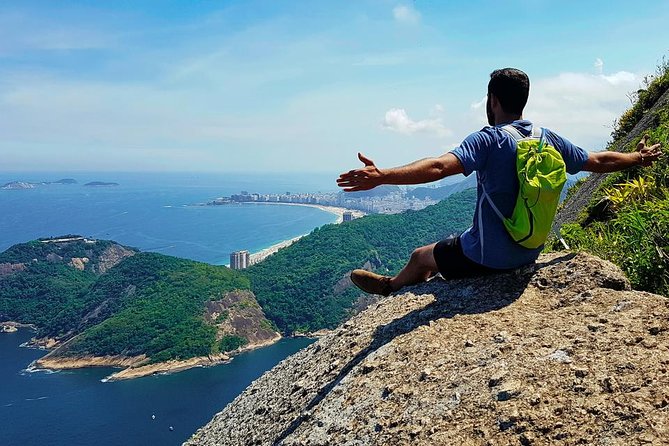
This fits best if you:
- Have moderate physical fitness and can handle a long ascent
- Are willing to face heights and exposed rock (even if you’re a little nervous)
- Want a first climbing-style experience with proper safety gear
- Prefer active days over purely passive sightseeing
It may be a poor match if you want a fully gentle walk, if you get panicky on heights, or if you’re hoping for a route with no exposed sections. The vertical component isn’t huge in distance, but it is mentally significant for some people.
Practical tips to make your climb feel easier
No magic tricks here—just smart prep.
Wear footwear with good grip because you’ll be moving over rocky shores. Light layers help because afternoon heat can still surprise you, and then you warm up quickly once you’re climbing. Bring water, even though snacks aren’t included, and consider eating beforehand so you’re not hungry while dealing with exertion.
Mentally, I’d go in expecting to concentrate. This is one of those days where you do better when you’re present: listen to your guide, follow foot placement cues, and take short pauses when offered. That focus is part of why people report it never felt dangerous even when it looked intimidating.
If you’re choosing between riding up and climbing: a simple decision rule
Pick the climb if you want a story you’ll talk about later. The structure—trail plus rocky scrambling plus short rope vertical section—creates a real sense of achievement. The summit rest and then the free cable car down keeps the experience balanced.
Pick cable-car-only sightseeing if you want maximum ease and zero exposure. There’s no shame in it. Rio is full of ways to get the views without working for them.
Should you book this Sugarloaf climb?
If you’re curious about climbing and you’re in reasonably good shape, I think it’s a strong “yes.” The combination of certified guidance, real safety gear for the vertical section, and a descent that mixes walking with a free cable car makes it feel like a well-rounded activity, not a risky gamble.
Book it if you can handle heights with a steady mindset and you want more than a standard view. Skip it if you want a relaxing afternoon or if exposed rock makes you shut down. If you fall in the middle—fit enough, nervous but willing—you’re exactly the kind of traveler who tends to come away proud of yourself.
FAQ
How long does the Sugarloaf Mountain Climbing Trail take?
Plan for about 4 hours on average, depending on group size.
What time does the activity start?
You should expect a start between 1:00 PM and 2:00 PM, with operating hours shown as 1:00 PM to 3:00 PM.
Is previous mountaineering experience required?
No prior mountaineering knowledge is required, but you do need reasonable physical conditioning and comfort with the climb sections.
What climbing equipment is provided?
The activity includes use of climbing equipment, and for the short more vertical section you’ll use ropes, a chair, and a helmet.
What’s included in the descent?
Descent includes a cable car ride from Sugarloaf Mountain to Morro da Urca, and that cable car ride is free. The rest of the descent is partly by trail.
Do I need snacks?
Snacks are not included, so you may want to plan to eat before you go.