REVIEW · RIO DE JANEIRO
Samba Night in Pedra do Sal with 1 free caipirinha
Book on GetYourGuide →Operated by DiCria e-Bike Tour · Bookable on GetYourGuide
Rio’s Little Africa feels real, not staged. You’ll walk the historic port area tied to Afro-Brazilian culture, then end at Pedra do Sal for live Monday-night samba. It’s a smart mix of context and movement, so you understand what you’re dancing to.
I especially like the way the night connects big history to the music you hear right after. The stop at Cais do Valongo (a UNESCO World Heritage site) gives real grounding before the drums start, and the guide (like Bruno in recent bookings) keeps it clear, personal, and fun.
One consideration: this is a mostly on-your-feet evening, and you’ll likely be standing and dancing. If you have mobility limitations, it’s not suitable for wheelchair users.
In This Review
- Key highlights you shouldn’t miss
- Little Africa and Pedra do Sal: the quickest way to feel Rio’s culture
- Starting at Largo de São Francisco da Prainha: timing matters
- Cais do Valongo: UNESCO you’ll understand, not just see
- Salud walk: learning how culture takes root in the city
- Pedra do Sal on Mondays: live street samba with space to join in
- The free caipirinha start, plus a Polaroid keepsake
- Price and value: what you’re really paying for at $42
- Who should book this samba night, and who might not
- Practical tips for your 7:30 PM start
- Should you book this Samba Night in Pedra do Sal?
- FAQ
- What time does the tour start, and how long is it?
- Where is the meeting point?
- Is hotel pickup included?
- Is the caipirinha included?
- Does the tour include food?
- What languages are the guides?
- Do you visit Cais do Valongo?
- Is Pedra do Sal samba guaranteed?
- What should I bring or wear?
- Is it suitable for wheelchair users or mobility impairments?
Key highlights you shouldn’t miss
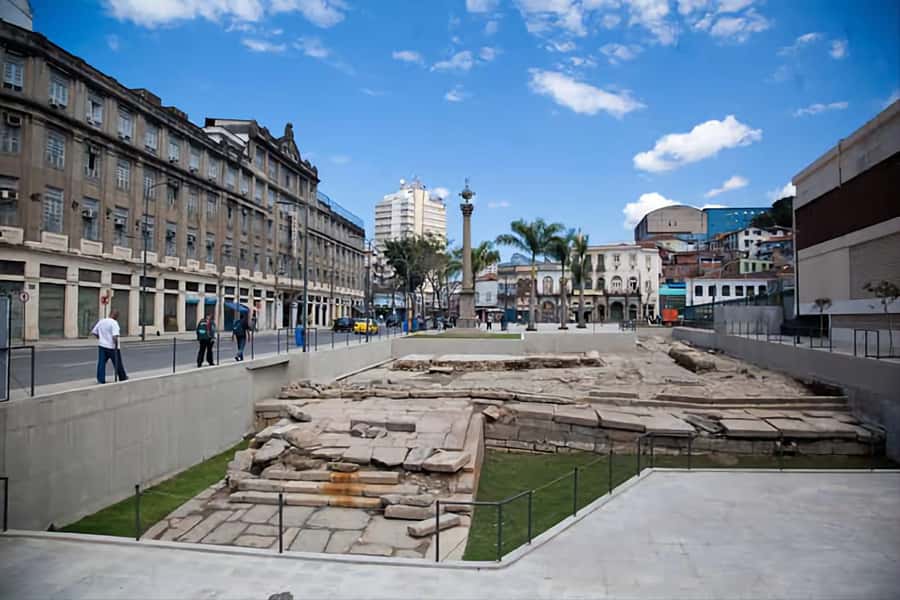
- Cais do Valongo (UNESCO): a former slave port site you visit with a guide’s explanation.
- Pequena África walking tour: learn why Rio’s Afro-Brazilian community shaped the city’s identity.
- Monday-night Pedra do Sal street samba: live drums and locals dancing in the open air.
- 1 welcome caipirinha included: a free start to a long, music-filled evening.
- Optional Polaroid souvenir: you can add a Polaroid photo for $20.
Little Africa and Pedra do Sal: the quickest way to feel Rio’s culture
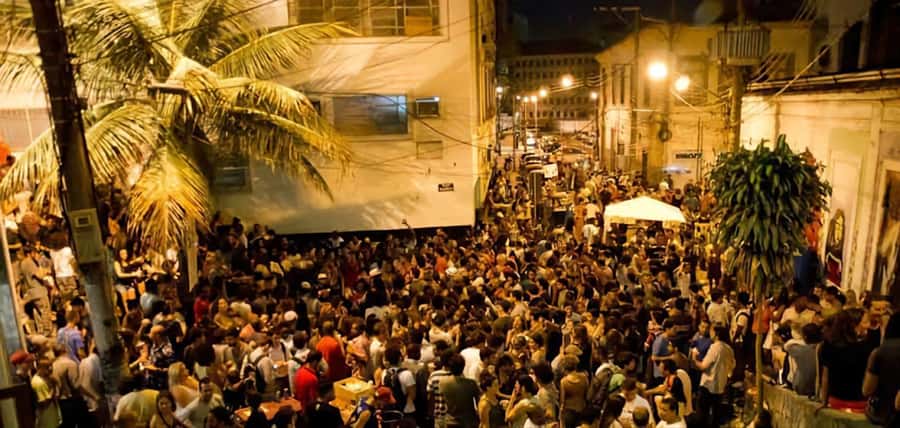
If Rio has a soul you can actually meet, it shows up in the old port neighborhoods. This experience is built around that idea: you start in the historic port zone, learn why it matters, then move to the place known as the birthplace of samba.
You’re not just watching music from the sidelines. At Pedra do Sal, the goal is to join the rhythm. On Monday nights, the area comes alive with real street samba, meaning live drums, locals dancing, and a relaxed party atmosphere that feels local rather than performed for tourists.
You’ll also get the cultural through-line that makes the night click. The guide explains how African culture influenced Rio’s music and religion, and how the Afro-Brazilian community’s resilience shaped what you hear on the street now. That kind of context makes the samba feel less like background noise and more like a living story.
You can also read our reviews of more evening experiences in Rio De Janeiro



Starting at Largo de São Francisco da Prainha: timing matters
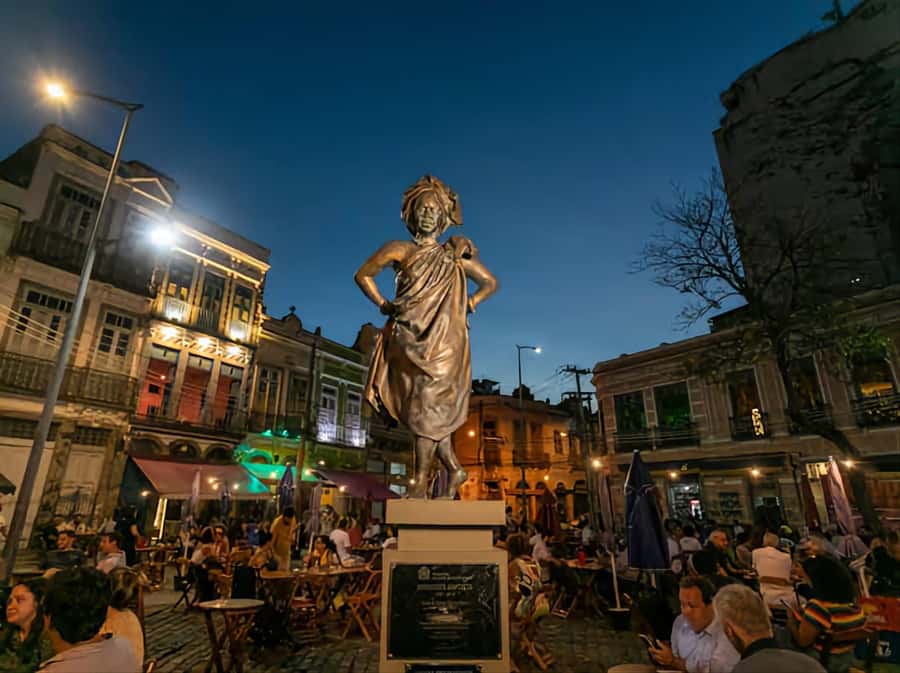
The night starts at 7:30 PM at Largo de São Francisco da Prainha, in Rio’s legendary port region. I like this timing because you arrive while there’s still enough evening light to take photos and settle into the vibe before the music takes over.
From that starting point, you head into the heart of Little Africa (Pequena África). Expect a guided walk that helps you orient fast: where you are, why it mattered historically, and what you should notice as you go. Even if you’re not a history buff, this “set the stage” part helps you stop treating the neighborhood like a blur you pass through.
Bring comfortable walking shoes. The tour is designed for people who can move. You should also plan to be present: if you want the best atmosphere at Pedra do Sal, you’ll want to be part of the crowd when the samba starts.
Cais do Valongo: UNESCO you’ll understand, not just see
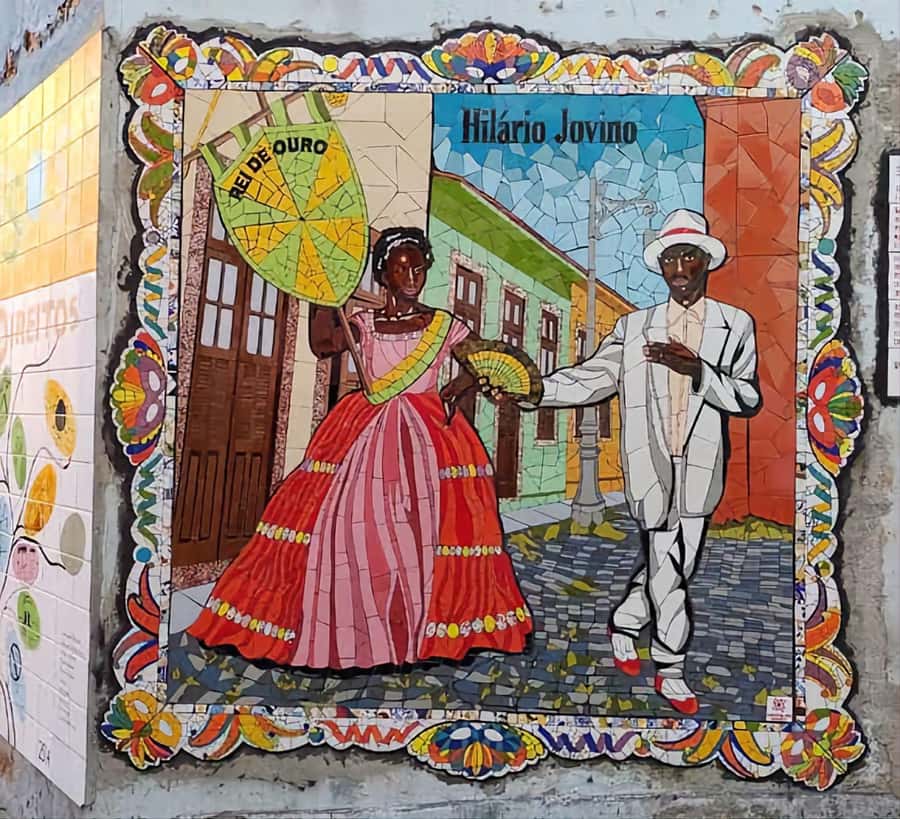
One of the strongest reasons to book this is the visit to Cais do Valongo, a UNESCO World Heritage site. This isn’t a “quick photo and goodbye” stop. The guide explains what the site represents: it was a major former slave port, tied to the forced movement of enslaved Africans into Brazil.
That history is heavy, and the tour handles it in a practical way: you learn what happened there, then you connect it to the cultural survival you see later in the evening. You’ll hear how African culture shaped Rio’s music and religion, and how the community built life, identity, and traditions in the face of oppression.
For you, the value is clarity. Without context, Cais do Valongo can feel like an important address you simply acknowledge. With a guide, it becomes a turning point in your understanding of why samba carries certain rhythms, beliefs, and symbols that still echo today.
Salud walk: learning how culture takes root in the city
After starting in the port zone, the experience includes time in the broader neighborhood area often linked with Saúde during this walk. This part is where the tour starts to feel like more than “sites on a map.”
The guide weaves stories about the Afro-Brazilian community and its resilience, plus the influence of African culture on Rio’s music and religion. That matters because it changes how you interpret what you’ll later see at Pedra do Sal.
Instead of thinking samba is just entertainment, you start understanding it as community memory: music that helped people gather, celebrate, and keep identity alive. You’ll also get practical moments to look around, notice street art, and get comfortable with the streets before the party atmosphere builds.
There’s also a small but important benefit here: the walk helps your group settle together. By the time you arrive at the samba point, you’re not strangers standing around. You’re ready to move with the rhythm.
Pedra do Sal on Mondays: live street samba with space to join in
Pedra do Sal is the emotional center of the night, and the timing is built for it. On Monday nights, the area comes alive with street samba: live drums, locals dancing, and a party energy you won’t get from a scripted indoor show.
Here’s what you should expect when you arrive:
- You’ll hear drums and see people already moving.
- The vibe feels friendly and informal, with the kind of attention you get from locals who are just doing what they do.
- The tour guide helps you stay comfortable while the music ramps up, so you don’t feel like you’re intruding.
What I like most is that the experience doesn’t treat dancing as a test. You’re encouraged to join, but you can also watch first, get your bearings, and jump in when you’re ready. The best time to do that is early, before the crowd gets fully locked into the rhythm.
This is where you’ll feel the payoff of the earlier stops. When the guide talked about African cultural influence, you’ll recognize it more clearly once the live samba is in front of you.



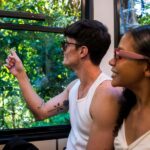


The free caipirinha start, plus a Polaroid keepsake
To start the night right, every guest gets 1 welcome caipirinha included. It’s a simple perk, but it also does something useful: it marks the shift from learning mode to party mode.
The caipirinha variety can include flavors like kiwi and maracuyá (passion fruit), plus other options such as lime. Expect it to be cold and refreshing—exactly the kind of start that helps you enjoy the next few hours instead of thinking about your first drink later.
You can also add a Polaroid photo for $20. I like this kind of souvenir because it fits the street setting and gives you a tangible memory without turning the night into a shopping stop.
Bring a camera too. The route is good for photos, especially with street art along the way, and you’ll want to capture Pedra do Sal once the crowd starts moving.
Price and value: what you’re really paying for at $42
At $42 per person for a 4-hour experience, you’re paying for three things that are hard to replicate on your own:
- A guided walking context that connects the neighborhood to Afro-Brazilian culture and identity.
- A UNESCO visit to Cais do Valongo with explanation, not just a pass-by.
- A real live samba night at Pedra do Sal on the kind of night locals treat like a routine.
Yes, it’s not a full dinner experience. Meals are not included, and you’ll need to plan around that if you’re hungry. Also, there’s no hotel pickup, so you’ll handle your own arrival at the meeting area.
But if you’ve ever tried to “DIY” a neighborhood nightlife moment in a big city, you know the difference a guide makes. Here, the guide helps you interpret what you’re seeing and also helps you feel comfortable in a public party setting.
For a first-time Rio visit (or for anyone who wants something more meaningful than a generic samba show), this price feels fair because it bundles history, place, and live music.
Who should book this samba night, and who might not
This tour is a great fit if you want:
- A street-level samba night rather than a staged performance.
- Cultural context about African influence on Rio’s music and religion.
- A guided walk through Pequena África tied to real sites, including Cais do Valongo.
It’s also a good choice if you like energetic guides. Recent experiences highlight that the guide can be animated and keep the group feeling comfortable while you dance.
Skip it if you:
- Use a wheelchair or have mobility limitations. This experience isn’t suitable for people with mobility impairments or wheelchair users.
- Want lots of seated downtime. This is an active walking + street samba night.
If you’re unsure, think about your own comfort level with standing and dancing in an outdoor setting. The music is the point, but the movement starts on the walk.
Practical tips for your 7:30 PM start
A few small choices will make the evening smoother:
- Wear comfortable walking shoes. You’ll be on your feet for the tour.
- Wear comfortable clothes you can move in, especially for the samba portion.
- Bring a camera (street art and the Pedra do Sal scene are photo-worthy).
- Use sun protection if you’re out earlier in the day, since you’re walking in the city before the night party.
- Be ready to dance. Even if you don’t go full-out, joining the rhythm is part of the experience.
Also, plan your arrival smart. There’s no hotel pickup, so you’ll want to get to the meeting area without stress.
Should you book this Samba Night in Pedra do Sal?
I think you should book it if you want a Rio evening that feels connected to place. The combo of UNESCO context at Cais do Valongo, a guided walk through Little Africa, and then live Monday-night street samba at Pedra do Sal is the kind of structure that makes the night memorable for the right reasons.
I’d hesitate only if walking and dancing sound like a deal-breaker for you, or if you’re mainly looking for a sit-down show with minimal movement.
If your idea of an authentic Rio night includes learning as you go, then dancing where locals gather, this is a strong bet for your schedule.
FAQ
What time does the tour start, and how long is it?
It starts at 7:30 PM and lasts 4 hours.
Where is the meeting point?
You meet at the main square close from Pedra do Sal, starting at Largo de São Francisco da Prainha.
Is hotel pickup included?
No. Hotel pickup and drop-off are not included.
Is the caipirinha included?
Yes. You get 1 complimentary welcome caipirinha.
Does the tour include food?
No. Meals are not included.
What languages are the guides?
The tour guide is available in English, Spanish, and Portuguese.
Do you visit Cais do Valongo?
Yes. The tour includes a visit to Cais do Valongo along with Pedra do Sal.
Is Pedra do Sal samba guaranteed?
This experience focuses on the Monday-night street samba at Pedra do Sal, with live drums and locals dancing.
What should I bring or wear?
Bring comfortable shoes and comfortable clothes. Also bring a camera, and consider sun protection. Be ready to dance.
Is it suitable for wheelchair users or mobility impairments?
No. It is not suitable for people with mobility impairments or wheelchair users.