REVIEW · RIO DE JANEIRO
Rio de Janeiro: Tijuca National Park Tour
Book on GetYourGuide →Operated by Urban Jungle · Bookable on GetYourGuide
Rainforest trails start minutes from the city. This Tijuca National Park tour takes you from Rio to Brazil’s famous urban jungle with hotel pickup, a bilingual guide, and a half-day route built around viewpoints, waterfalls, and forest trails. You’ll be out in the green fast, without the hassle of figuring out transport and stops yourself.
I especially like how the day strings together several key moments: Cascatinha Taunay, Cachoeira das Almas, and the cave stop at Gruta dos Morcegos. I also love that the guide doesn’t treat this like a quick nature walk—expect talk about flora and fauna, plus photos and videos handled for you.
One consideration: this is still a hiking-style day. Paths and the cave visit mean it’s not suitable for wheelchair users or people with visual impairments, and comfortable footwear really matters.
In This Review
- Key highlights worth showing up for
- Tijuca National Park: the “how is this so close?” feeling
- Hotel pickup around Rio, then straight into the forest
- Cascatinha Taunay and the visitor core: where the day gets explained
- Cachoeira das Almas and A Floresta: rainforest sounds, heritage, and photos
- Gruta dos Morcegos cave: the rainforest curveball
- What you might spot: birds, coatis, butterflies, and the small stuff
- Pace and hike reality: easy enough for many, still active
- Timing and how the day fits into Rio
- What’s included for $79: value in the details
- What to bring (and what to not forget)
- Guides make or break the rainforest day
- Is this tour for you?
- Should you book the Tijuca National Park Tour?
- FAQ
- How long is the Tijuca National Park tour?
- What time does pickup start?
- Where do you visit in Tijuca National Park?
- What’s included in the price?
- Is lunch included?
- What should I bring?
- What languages are offered by the guide?
- Are there different pickup and drop-off locations?
- Is the tour private-group option available?
- Is the tour suitable for wheelchair users?
Key highlights worth showing up for
- Urban jungle, not a remote expedition: You’re in Tijuca fast from central Rio.
- Waterfalls in a single morning block: Multiple drops instead of one quick photo stop.
- Caves on the itinerary: Gruta dos Morcegos adds a different feel to the rainforest day.
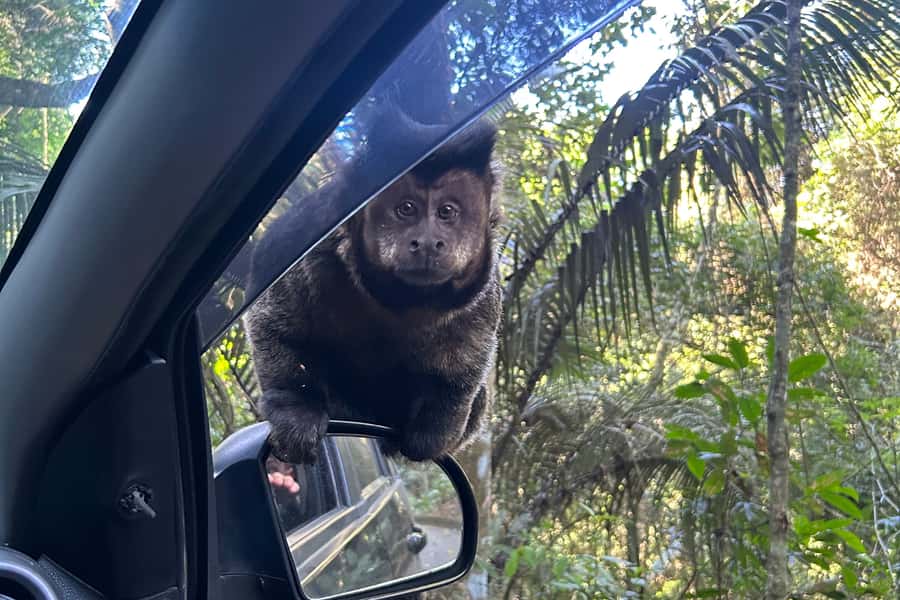
- Wildlife spotting with a guide: Expect help finding birds, monkeys, coatis, and more.
- Photography help included: Photos and videos are part of the experience.
- Private group option: If you want a quieter pace, you can choose it.
Tijuca National Park: the “how is this so close?” feeling
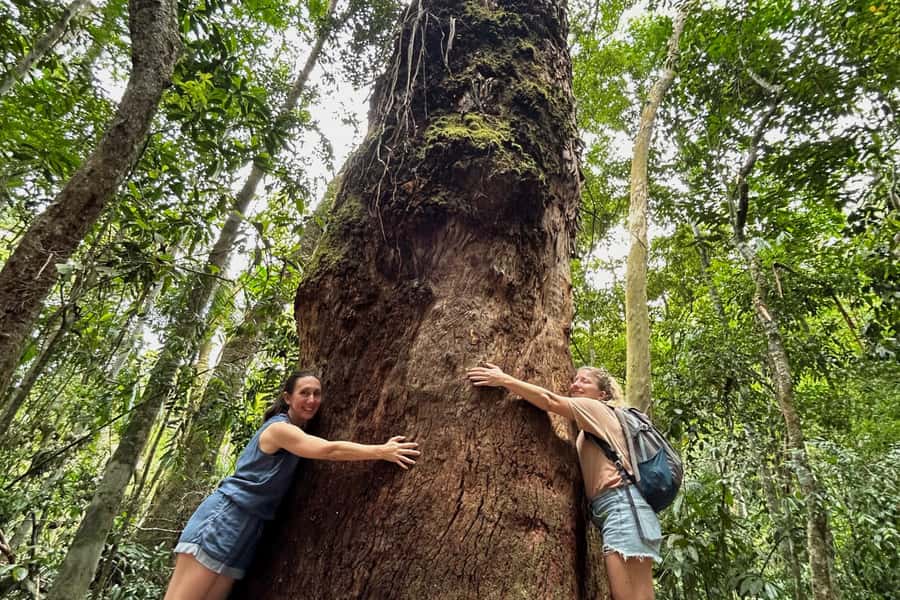
Tijuca National Park is one of Rio’s best reminders that a big city doesn’t have to be separate from nature. In a few hours, you go from streets and traffic to a forest full of birdsong and waterfall sounds. That’s the magic of this urban rainforest plan: you get a real park day without losing half your vacation to getting there.
What makes this tour feel especially practical is the way it’s structured. You have transportation throughout the day, a local guide who can explain what you’re seeing, and a route that keeps you moving between viewpoints, waterfalls, and forest stops. If your Rio trip is short, or you already plan to do beach time, this is a strong way to add something genuinely different.
You can also read our reviews of more tours and experiences in Rio De Janeiro.



Hotel pickup around Rio, then straight into the forest
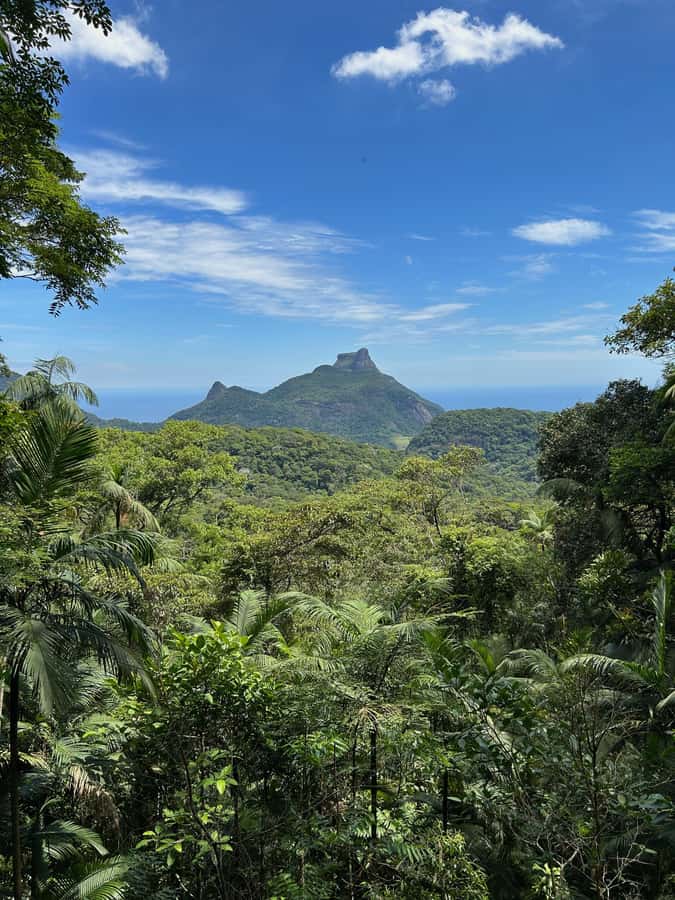
The tour starts with pickup at 7:30 AM from one of many Rio areas—options include places like Copacabana, Ipanema, Flamengo, Lapa, Santa Teresa, Jardim Botânico, and Barra da Tijuca, among others. The reason this matters: a tour with a scheduled morning pickup saves you from the normal headache of arranging multiple transfers just to reach the park.
After pickup, you transfer to the Tijuca park sector and begin with viewpoints and waterfall stops along the way (the morning transfer period runs until the main exploration portion begins). This “warm-up” phase is not just scenery. It helps you understand what kind of terrain you’ll be walking through and sets the mood for the forest portion right away.
If you’re thinking about timing, the early start is one of the tour’s quiet advantages. You’ll be doing the walking and caves while the day is still in that morning rhythm, which is usually more comfortable than heading into trails later.
Cascatinha Taunay and the visitor core: where the day gets explained
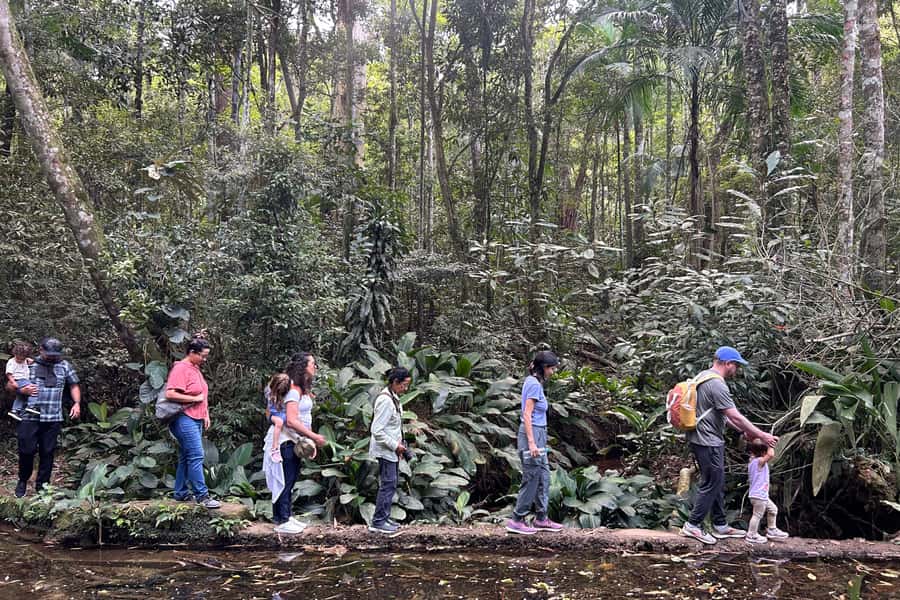
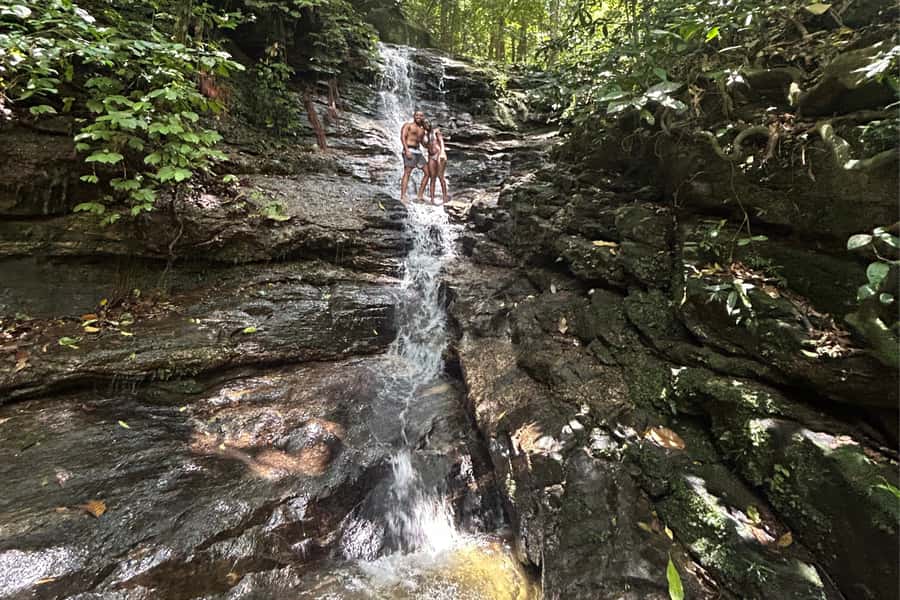
Once you’re in the main park area, the guided portion is about three hours focused on the forest experience. One of the first major stops is Cascatinha Taunay, a waterfall that works well as an opening “wow” moment. You get to hear and see water up close, then shift from spectacle into understanding—exactly the right combination for a rainforest day.
Right near the early waterfall time, you’ll also visit the Center of Visitors. This is a smart pause because rainforest trails can feel like a blur of green. A visitor center moment gives you context for what to notice when you’re walking: what plants do, how animals live in the canopy, and why this forest is so important to the region.
This tour shines when the guide matches the pace to your group. In the feedback I saw, guides like Thalles and Dudu were praised for taking time to explain plants and animals, not rushing past the details. That’s the difference between seeing trees and actually understanding what you’re walking through.
Cachoeira das Almas and A Floresta: rainforest sounds, heritage, and photos
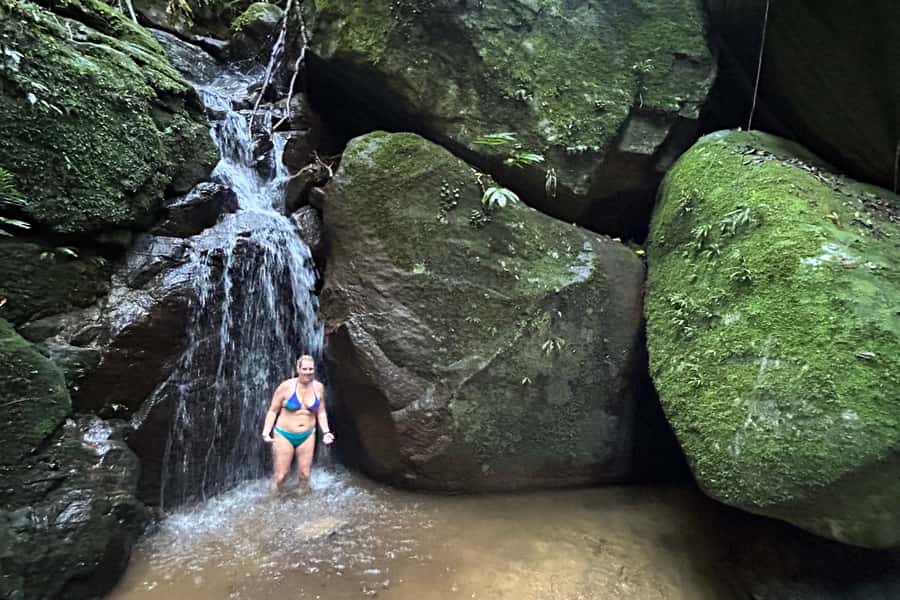
Next up is Cachoeira das Almas, another waterfall stop. Expect it to feel different from the first cascade—waterfalls in the same park can give you distinct textures depending on the trail route, viewpoints, and how the water feeds into pools.
Then comes Restaurante A Floresta, described as a heritage building on the route. Even if you don’t plan to eat, this stop is worth it because it breaks the day into a more human scale: you’re in the forest, but there’s a sense of how people have lived near and managed this landscape over time. It also gives you a natural moment to reset—stretch your legs, drink some water, and let the forest noise settle again before the cave.
Photography is a big part of this tour. The inclusion of photos and videos (handled by the guide) is one of the best value features. When guides are good with storytelling and also good with capturing shots, your memories are more than your own shaky smartphone photos.
Gruta dos Morcegos cave: the rainforest curveball
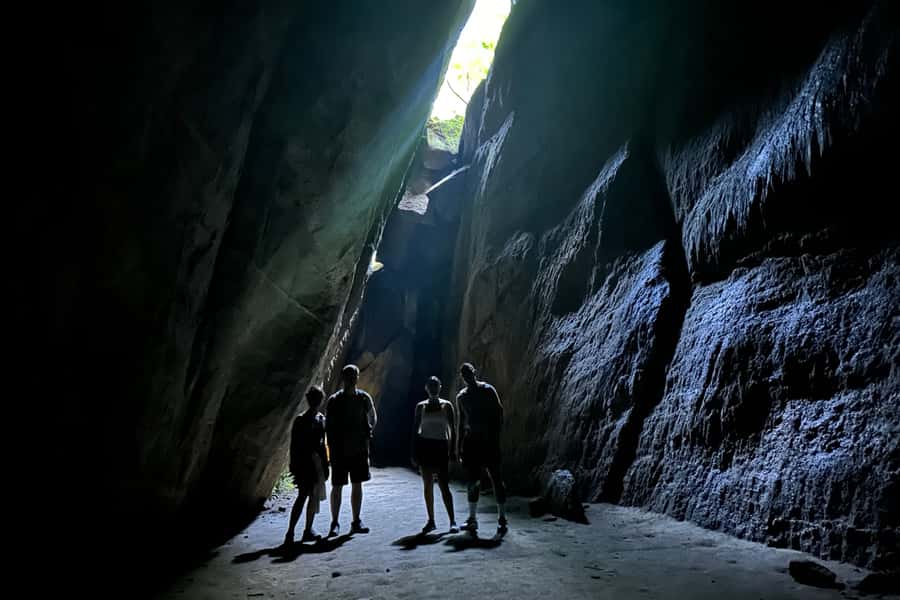
The itinerary includes a cave visit: Gruta dos Morcegos. Caves change the feel of a rainforest tour because you’re switching from open-air humidity and light into something more enclosed and shaded.
This stop can be a highlight for people who get bored by the same type of viewpoint. A cave adds variety—different temperatures, different sounds, different visuals. It also makes the tour feel like more than just a waterfall walk.
That said, this is also a reason the tour isn’t suitable for everyone. The combination of trails plus cave time means you’ll want good footing and comfortable movement. If you prefer flat, easy strolls with no uneven ground, you might want to consider a different style of sightseeing.



What you might spot: birds, coatis, butterflies, and the small stuff
Tijuca isn’t just big scenery. The best parts often come from the small surprises you notice with a guide’s help.
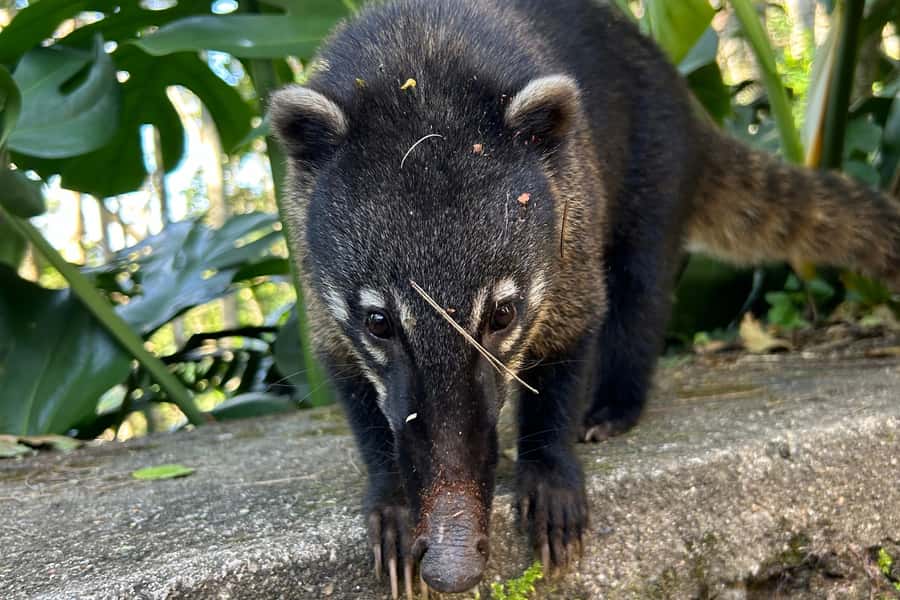
In the experiences shared, guides were praised for pointing out wildlife like monkeys, coatis (including ring-tailed coatis), birds, and even insects and butterflies like blue morpho butterflies. You might also hear about close-up sightings—one report mentioned a vine snake and another included hummingbirds. Whether or not you see every species, the point is that the tour is built for spotting and identification, not just walking.
Some of the most memorable moments described were also the quiet ones: ants on the path, animals close enough to watch briefly, and a relaxed pace that allows you to look, not just move. If wildlife spotting is one of your travel goals, pick this tour for the guide focus on flora and fauna, not just the checklist stops.
Pace and hike reality: easy enough for many, still active
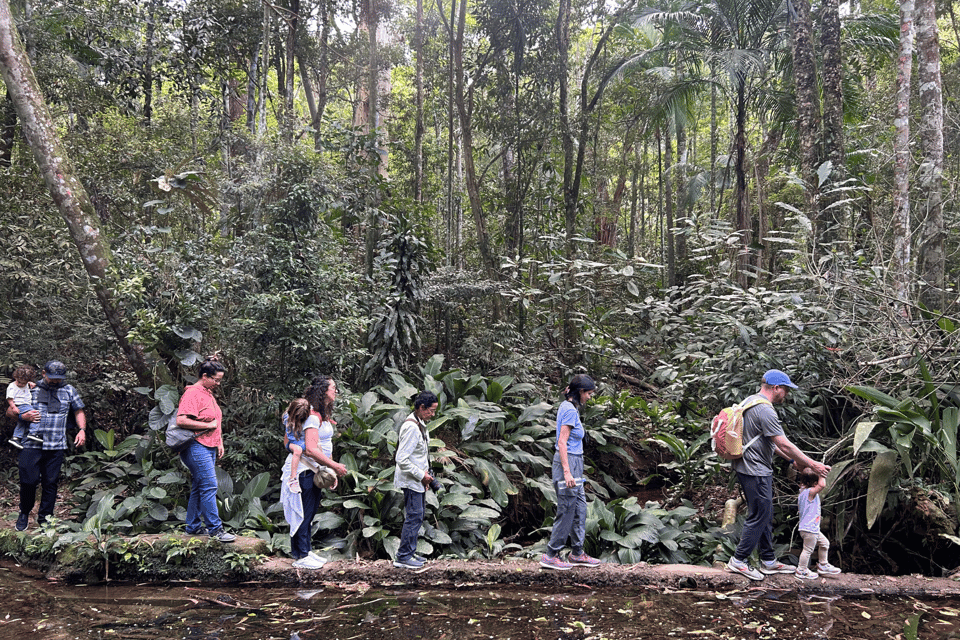
The tour is described as a guided rainforest walk with a hike element, but the intensity can vary depending on the day and the route conditions. The feedback you’ll find suggests the hike is generally manageable—often described as easy or not too intense—but some portions can feel steeper or require attention.
Here’s how to plan it in a practical way:
- Wear hiking shoes or sturdy shoes. Not flip-flops, not soft sneakers.
- Expect uneven ground and time spent standing and walking on trails.
- Bring quick snacks and water so you don’t hit a dip in energy mid-route.
If you’re the kind of traveler who likes your day organized but still comfortable, this is usually a good fit. If you’re dealing with mobility limitations or vision concerns, the tour clearly notes it’s not suitable for you.
Timing and how the day fits into Rio
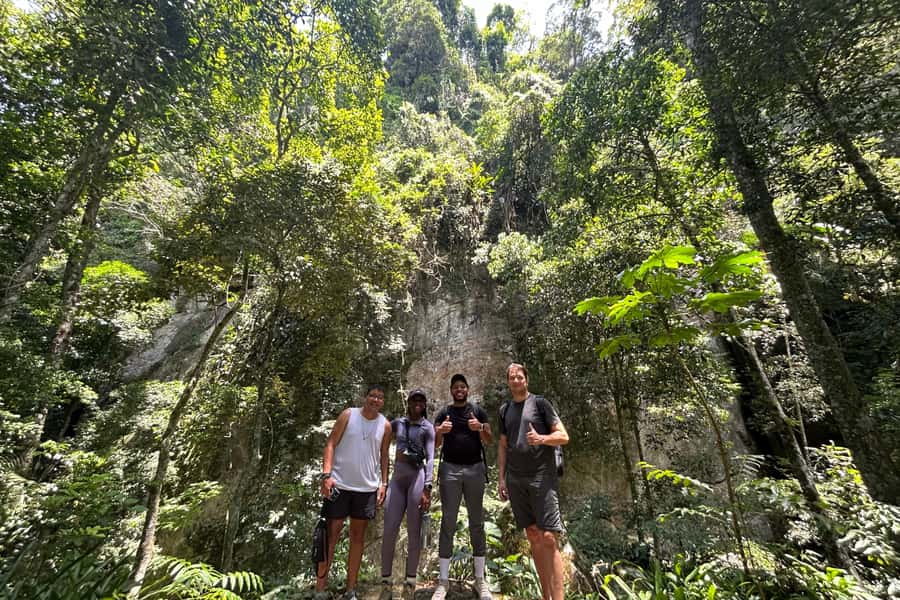
This is a half-day style experience built around a morning window. Pickup starts at 7:30 AM, then you spend the morning exploring the Tijuca area, including waterfalls, visitor time, the cave, and the rainforest hike segment. The plan is to return for drop-off around 12:15 to 1:00 PM.
That schedule is a huge part of why this works. You get a major nature experience, then you still have most of your afternoon for the rest of Rio—beach time, museum time, or just recovering with a long lunch (since lunch itself is not included).
Also, your guide isn’t just guiding movement. They’re guiding attention. When you’re only out in the park for a few hours, you want those hours to mean something, and that’s what this route is trying to do.
What’s included for $79: value in the details
The price is $79 per person for a day that includes:
- An expert local guide
- Transportation throughout the day
- Photos and videos
Not included:
- Lunch
- Drinks
Is it worth it? In most cases, yes—if you price it against the cost of getting yourself in and out of Tijuca, plus the value of a guide who can identify plants and wildlife and make the photo moments happen for you.
The route is also packed enough that the guide’s time counts. You’re not paying for a long transfer day. You’re paying for a guided, scenic, active morning with multiple anchors: waterfalls, a visitor center, a heritage building, and a cave.
What to bring (and what to not forget)
The tour checklist is pretty clear, and I recommend you follow it closely:
- Hiking shoes or sturdy shoes
- At least 2 liters of water per person
- Quick snacks (sandwich, protein bars, nuts)
- Weather-appropriate clothing
- Camera or smartphone
Also smart (based on the guidance from real experiences): bring mosquito repellent. When you’re in a forest environment, bugs can show up, and having repellent lets you focus on the trail instead of swatting.
Bring personal identification and any necessary travel documents too, plus a bit of extra money for tips and lunch since lunch isn’t included.
Guides make or break the rainforest day
This tour is strong because the guide isn’t just translating directions. The feedback highlights guides like Thalles, Samuel, Dudu, Sylvio, and Alex, praised for:
- Explaining plants and animals clearly
- Taking time at a relaxed pace
- Helping people spot wildlife
- Taking great photos along the way
You’ll also get language support from guides in English, Portuguese, Spanish, and French, which is a big plus if you’re traveling with a mixed-language group. Even if you only speak one language, the explanation style can make the rainforest feel understandable, not random.
If you care about authenticity, this is the kind of tour where you want a human who knows the forest. That’s what you’re paying for.
Is this tour for you?
This is a great match if:
- You want a half-day rainforest experience without complicated logistics
- You’re into waterfalls, cave time, and viewpoints
- You like your nature day guided, with wildlife and plant spotting
- You’d benefit from someone handling photos and videos
Consider skipping or choosing another option if:
- You need wheelchair access or have vision limitations (the tour isn’t suitable)
- You prefer very flat, low-effort sightseeing
- You don’t want to walk on trails and uneven ground
Should you book the Tijuca National Park Tour?
If you’re planning Rio and want one morning that feels like a real switch in world—city to forest in minutes—this tour is a smart pick. The combination of multiple waterfalls, Gruta dos Morcegos cave, visitor-center context, and a guide who can help you notice wildlife makes it more than “pretty views.” It’s structured, active, and good value for what’s included at $79.
If you’re comfortable wearing hiking shoes, carrying water, and walking a trail, book it. You’ll come away with photos, stories, and that rare Rio feeling: the jungle is right there when you step off the road.
FAQ
How long is the Tijuca National Park tour?
The total duration is listed as 270 minutes (about 4.5 hours).
What time does pickup start?
Pickup starts at 7:30 AM.
Where do you visit in Tijuca National Park?
The route includes Cascatinha Taunay waterfall, the Center of Visitors, Cachoeira das Almas waterfall, Restaurante A Floresta heritage building, Gruta dos Morcegos cave, and other waterfalls.
What’s included in the price?
Included features are an expert local guide, transportation throughout the day, and photos and videos.
Is lunch included?
No. Lunch is not included, and drinks are also not included.
What should I bring?
Bring hiking shoes or sturdy shoes, at least 2 liters of water per person, quick snacks, weather-appropriate clothing, and a camera or smartphone.
What languages are offered by the guide?
The guide languages include English, Portuguese, Spanish, and French.
Are there different pickup and drop-off locations?
Yes. There are multiple pickup and drop-off options across Rio, including areas such as Copacabana, Ipanema, Flamengo, Lapa, Santa Teresa, and others.
Is the tour private-group option available?
Yes, a private group is available.
Is the tour suitable for wheelchair users?
No. It is not suitable for wheelchair users (and it is also not suitable for visually impaired people).