
REVIEW · RIO DE JANEIRO
Rio de Janeiro: Tijuca National Park & Botanic Garden Tour
Book on GetYourGuide →Operated by Rio Carioca Tours & Service · Bookable on GetYourGuide
Rio’s rainforest is closer than you think. A guided mix of Tijuca National Park and Rio’s Botanical Gardens turns a simple half-day into a real taste of Brazil’s wild side. I like how the tour gives you a clear route through the forest highlights, plus big-picture context on why this park exists.
Two things I especially like: the panoramic stop at Vista Chinesa and the calmer payoff at the gardens, where you can appreciate 7,000+ plant species without rushing. One drawback to plan around is that conditions can change—rain can make viewpoints slick, and there are days when Tijuca access is limited, shifting more time to the Botanical Gardens (and the garden entry may be an extra cost).
In This Review
- Key highlights worth your attention
- How the Tijuca Forest Turns Rio Into a Real Rainforest
- Vista Chinesa, Christ in the Distance, and Other View Stops
- Mayrink Chapel and Taunay Waterfall: Small Stops with Big Payoff
- Wildlife Rules in an Urban Forest (and What You’ll Actually Notice)
- Botanical Gardens: 7,000+ Species and a Calm Finish
- Price and What You’re Getting for $65
- Timing, Rain, and Traffic: Making the Most of 4 Hours
- Who This Tour Suits Best
- Should You Book This Tijuca and Botanical Gardens Tour?
- FAQ
- How long is the Rio de Janeiro Tijuca National Park & Botanical Gardens tour?
- How much does it cost?
- Is hotel pickup and drop-off included?
- Is entry to Tijuca National Park included?
- Is entry to the Botanical Gardens included?
- What languages is the live guide available in?
- What should I bring for the tour?
- What is the cancellation policy?
- Is the tour wheelchair accessible?
Key highlights worth your attention
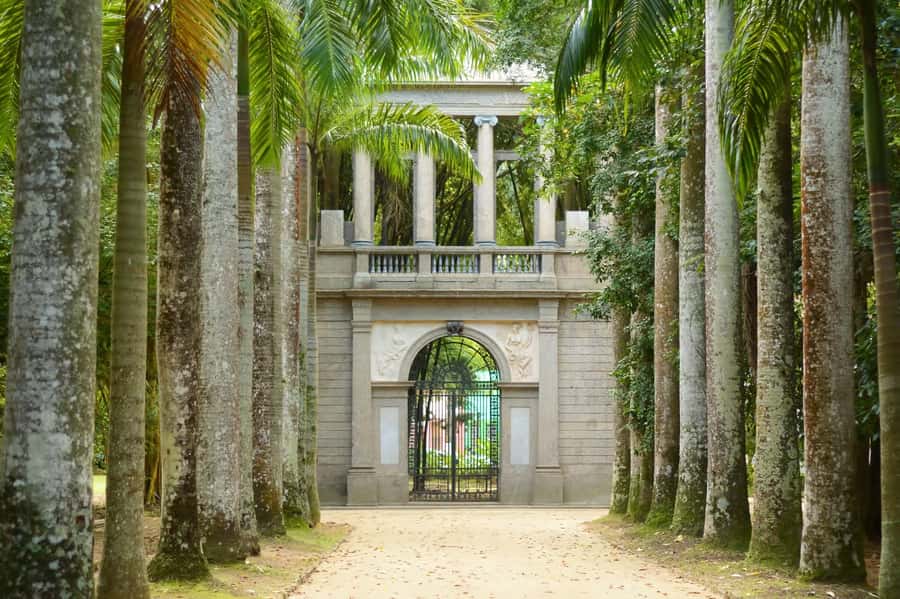
- Vista Chinesa viewpoint for sweeping city-and-forest views
- Mayrink Chapel (pink facade) and Taunay Waterfall on the way through
- Tijuca’s reforestation story tied to Emperor Dom Pedro II
- Wildlife viewing from a distance (you don’t need to feed or chase)
- Botanical Gardens with 7,000+ plant species—bromeliads, orchids, native flora
- Hotel pickup in key Rio areas plus cruise port pickup
How the Tijuca Forest Turns Rio Into a Real Rainforest

Tijuca National Park is one of those places that makes Rio feel different fast. You’re in a huge urban area, yet the forest is still doing forest things—cooler air, layered greenery, and constant hints of life in the canopy.
This park has a backstory that matters. It was founded in 1861 by Emperor Dom Pedro II, and the goal was to reforest land wrecked by sugar cane and coffee plantations. That history isn’t just trivia. It helps explain why the forest feels like a living project rather than a static “nature attraction.”
Your guide helps you connect what you’re seeing—tree cover, micro-habitats, seasonal plant changes—to the bigger idea: people shaped the landscape once, and conservation worked hard to restore it. It’s a good reminder that “nature” in Brazil isn’t only remote. Sometimes it’s right inside the city’s orbit.
You can also read our reviews of more tours and experiences in Rio De Janeiro.



Vista Chinesa, Christ in the Distance, and Other View Stops
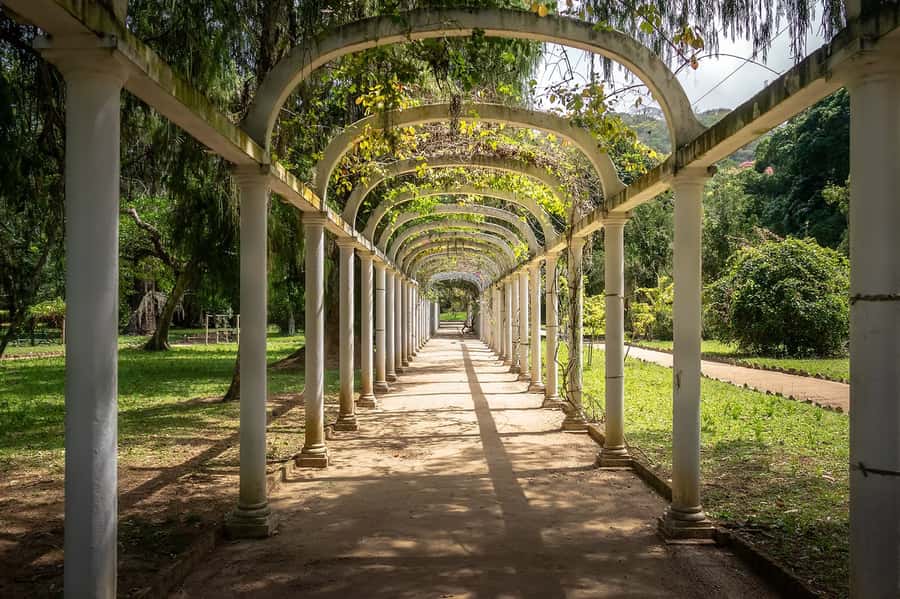
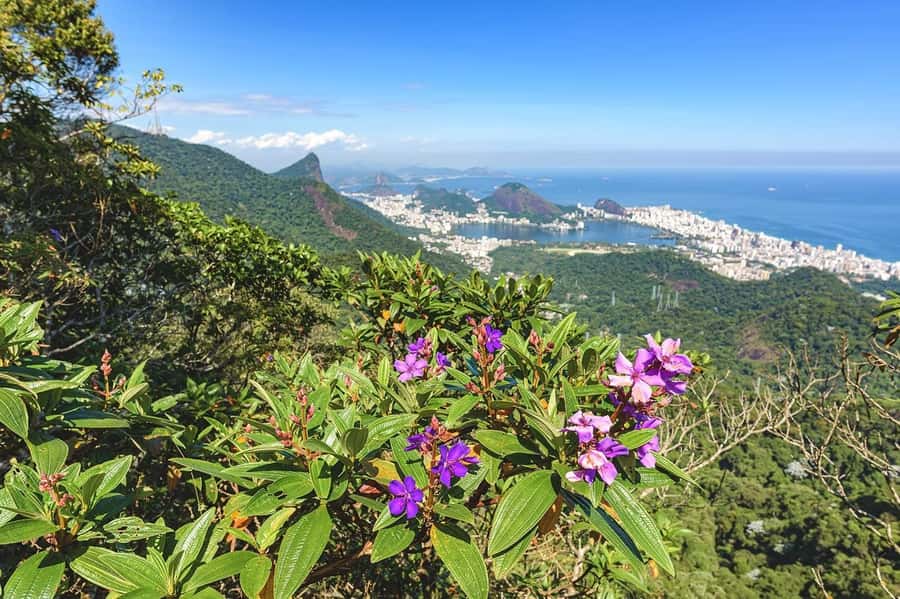
The tour’s scenic backbone is the view stops, and Vista Chinesa is the one you’ll remember. This is where you get panoramic perspectives that make the forest and the city feel like they belong to the same story. On a clear day, it’s the kind of vantage point where you can visually reset your bearings in Rio.
You’ll also catch distant sights along the drive and walks. The monolithic Pedra da Gávea can appear far off, and you may get a glimpse of the statue of Christ the Redeemer. Those distant landmarks matter because they anchor the scale of what’s happening around you: the city’s famous icons sitting beside wild terrain that keeps growing.
Practical note: viewpoints are where weather hits hardest. If it’s misty or wet, expect reduced visibility and take extra care on uneven paths. I’d pack for the “Brazil weather roulette” even if forecasts look friendly.
Mayrink Chapel and Taunay Waterfall: Small Stops with Big Payoff
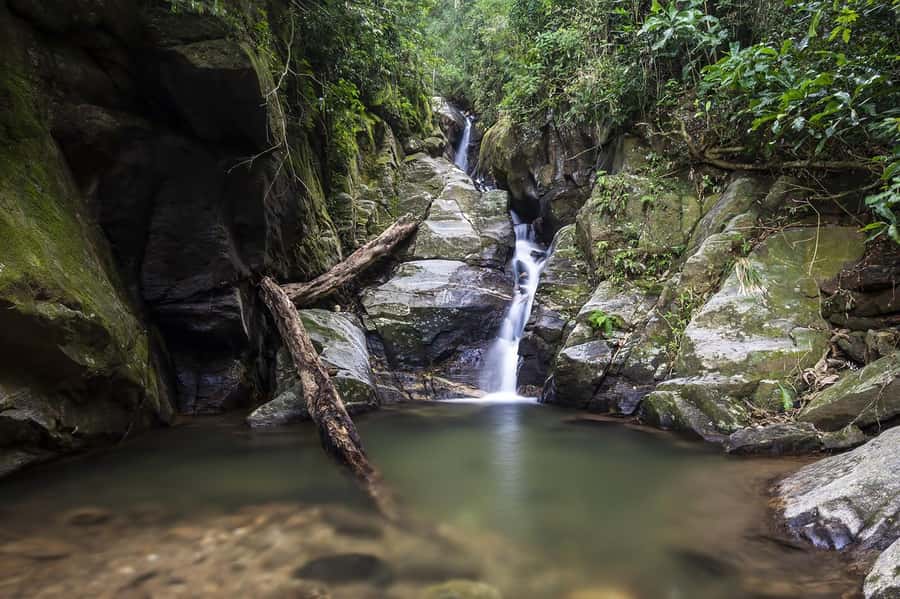
Two stops add a different flavor to the forest day: Mayrink Chapel and Taunay Waterfall.
Mayrink Chapel is recognizable for its distinctive pink facade. It’s not the kind of landmark you’d expect in a rainforest, which is exactly why it works. It gives the tour a human touch—history and architecture in the middle of trees. Even when the forest is the star, this kind of contrast makes the route feel more dimensional.
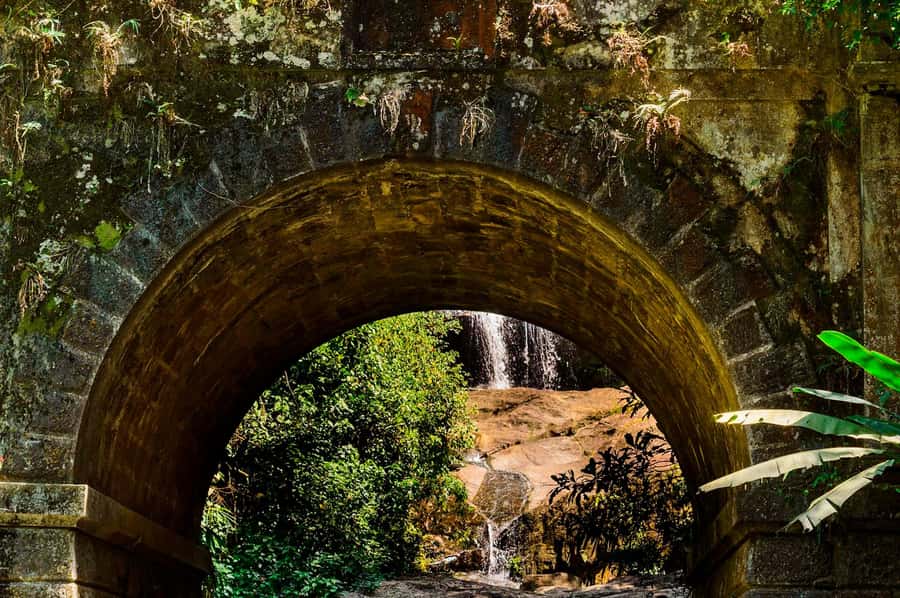
Then there’s Taunay Waterfall. Water in a rainforest always changes the mood. The sound and the mist can be a welcome break from the warmer stretches. It’s also a natural “pause point” where you slow down, look up, and notice how the vegetation responds to moisture.
If you’re short on time (and you are—this is a 4-hour tour), these stops are efficient. They add variety without turning the day into a long hike.
Wildlife Rules in an Urban Forest (and What You’ll Actually Notice)
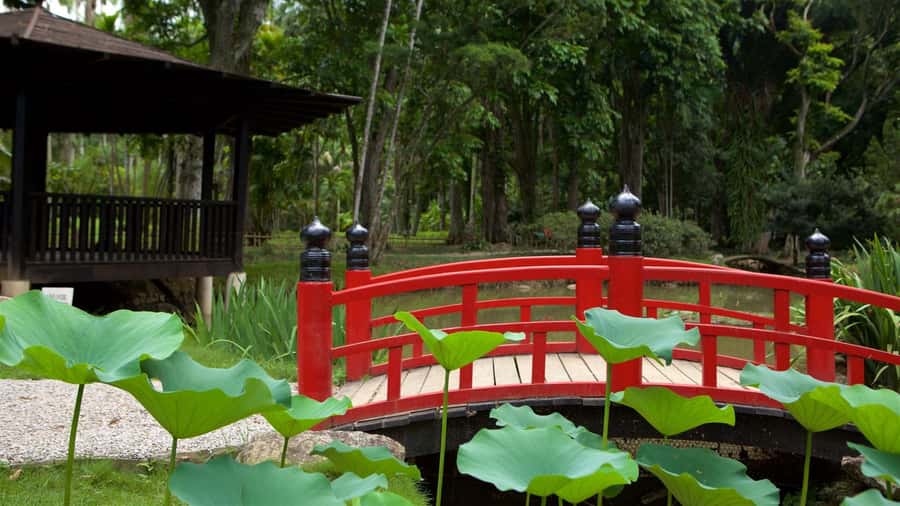
Tijuca is home to wildlife, but you’ll enjoy it best when you treat it like a shared habitat—not a zoo. You might see or hear small animals such as squirrels, monkeys, porcupines, foxes, and armadillos, plus lots of birds, reptiles, and butterflies. The point is not to chase sightings; it’s to stay alert and let the forest do its thing.
The tour specifically encourages responsible viewing: observe from a distance and don’t feed wildlife. That’s good for the animals and good for your experience. Feeding changes animal behavior and can also make encounters more disruptive.
One more tip: wildlife is easier when you’re patient and quiet for a few minutes. In a guided setting, it’s tempting to rush to the next photo. Try doing the opposite at least once—pause, listen, and let movement come to you.
Botanical Gardens: 7,000+ Species and a Calm Finish
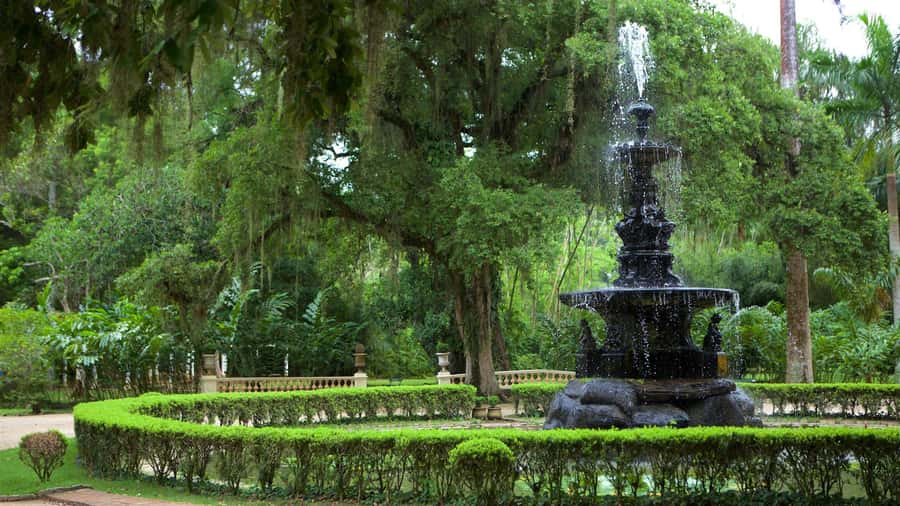
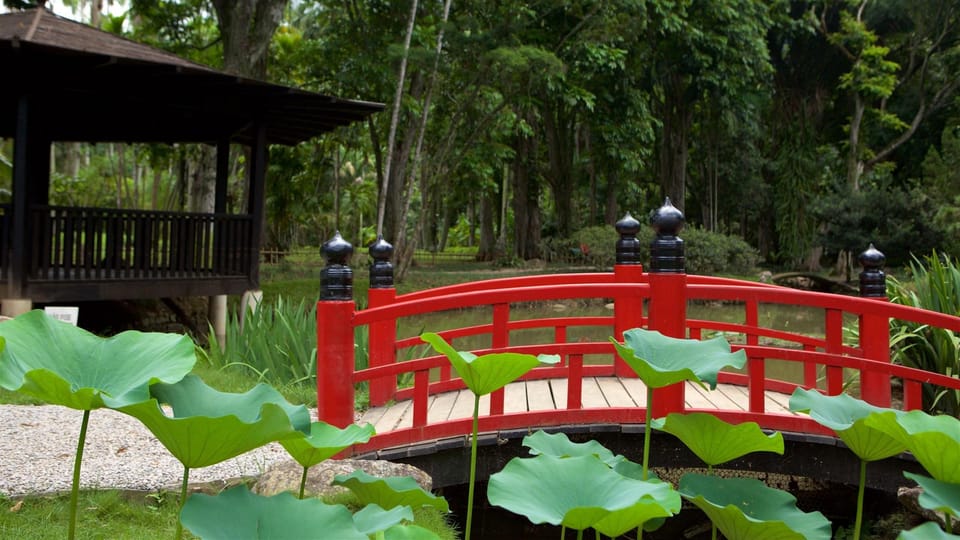
The second half of the tour shifts from “active forest” to “quiet plant world.” The Botanical Gardens visit is built around scale: you’re looking at over 7,000 species of plants, including bromeliads, orchids, and native Brazilian flora.
This part is valuable because it reframes what you learned in the forest. In Tijuca, you experience the ecosystem as a whole. In the gardens, you get a more controlled environment where plant variety is the main story. It’s a nice way to understand that “forest” isn’t just big trees—it’s layers of plants with different needs, shapes, and survival tricks.
The gardens are also a good mental reset after forest viewpoints. You’ll get a break from steep paths and traffic noise, which helps if you’re visiting Rio during a busy stretch.
One cost detail you should know: the tour includes entry to Tijuca National Park, but does not include entry to the Botanical Gardens. That can mean paying on site, so it’s smart to bring a bit of flexibility in your budget.



Price and What You’re Getting for $65
At $65 per person for a 4-hour tour, the big value is the combination: guided time in two major green spaces plus hotel pickup and drop-off.
Here’s what you’re actually paying for:
- Transport convenience: you don’t have to figure out the route and timing on your own
- A guide: you get interpretation of the forest’s reforestation history and what to look for along the way
- Included entry to Tijuca National Park: that removes one common “surprise cost”
What’s not included:
- Food and drinks
- Botanical Gardens entry
So the best way to judge value is to think like this: if you’d otherwise spend time and effort coordinating transportation and searching for the right stops, the guided format is a time-saver. If you’re very budget-first, the Botanical Gardens admission being separate could affect your final “out-the-door” total.
Also consider group dynamics. Short tours like this work best when the pace is steady and you accept that you’re sampling highlights rather than doing a full-day hike.
Timing, Rain, and Traffic: Making the Most of 4 Hours
This is a 4-hour experience, and Rio’s traffic can affect the actual time you spend on the ground. In high season, it can take longer due to congestion and the number of people in the city.
Weather matters too. One reason you may not “get full credit” on a day like this is rain. Rain doesn’t kill the experience, but it can reduce visibility at viewpoints and make walking surfaces slick. It also means you’ll want to lean on the guide’s explanations and the quieter indoor-feeling stops rather than relying only on distant views.
A critical consideration from real-world experience: sometimes Tijuca access can be limited or closed, and the tour plan may shift to spend more time on the Botanical Gardens instead. When that happens, you may find yourself paying for the Botanical Gardens entry separately, and the park portion may not be refunded. If you’re visiting during a season with unpredictable conditions, I’d treat this tour as a “flex day” rather than a guaranteed checklist.
Who This Tour Suits Best
This tour is a good fit if you want:
- A guided taste of Tijuca without handling logistics
- Iconic viewpoints and memorable landmarks in a short window
- Plant-focused time at the Botanical Gardens
It’s also a solid option for visitors who like structure. You’ll have a planned route with scenic and historical stops, not just free time with map anxiety.
If you’re the kind of traveler who wants a long hike, a very slow pace, or deep research time, this probably won’t feel long enough. But for a first visit to Rio’s green spaces, it’s practical and efficient.
Should You Book This Tijuca and Botanical Gardens Tour?
Yes—if you want a smart half-day plan that mixes forest views, a couple of iconic stops, and then a calm plant collection. The biggest reason to book is the combination of park entry included plus hotel pickup, which is a big deal in Rio.
Before you go, do two things:
- Pack for wet or bright weather (hat, sunscreen, water).
- Plan for the possibility that Tijuca access could be impacted, and treat the Botanical Gardens portion as a likely backup.
If that sounds like your style—flexible, scenic, and low-stress—this tour can be a very good use of time.
FAQ
How long is the Rio de Janeiro Tijuca National Park & Botanical Gardens tour?
It lasts about 4 hours.
How much does it cost?
The price is listed at $65 per person.
Is hotel pickup and drop-off included?
Yes. Pickup is included from most hotels in Leblon, Ipanema, Copacabana, Flamengo, and Centro, and also from the cruise port.
Is entry to Tijuca National Park included?
Yes. The tour includes an entry ticket to Tijuca National Park.
Is entry to the Botanical Gardens included?
No. Botanical Gardens entry is not included and you may need to pay on site.
What languages is the live guide available in?
The guide is available in English, Portuguese, Spanish, German, French, and Italian.
What should I bring for the tour?
Bring sunglasses, a sun hat, sunscreen, water, and weather-appropriate clothing.
What is the cancellation policy?
Free cancellation is available up to 24 hours in advance for a full refund.
Is the tour wheelchair accessible?
Yes, it is listed as wheelchair accessible, and you should notify in advance in case of reduced mobility or wheelchair use.