
REVIEW · RIO DE JANEIRO
Rio de Janeiro: Maracanã Stadium Match Ticket with Drink
Book on GetYourGuide →Operated by RIO AS A LOCAL TURISMO LTDA · Bookable on GetYourGuide
Maracanã hits different with the right guide. I like the small group setup (up to 10) and the way the tour includes one welcome drink before kickoff, so you feel pulled into the matchday rhythm fast. The one drawback to plan for: this isn’t a sit-and-sip experience, and it’s not suitable for people with mobility impairments.
This is the kind of Rio activity where the details matter. You start at Praça Varnhagem, get a guided walk in, then spend time inside Maracanã with an English-speaking local guide who keeps the group together. Names that come up in real-world success stories include Davi, Gustavo, Yan, and Bruno, and they’re praised for staying calm when things get stressful, like entry tech issues or getting separated in a crowd.
What makes Maracanã more than just a stadium is the football brain behind it. Built in 1950 for Brazil’s first World Cup, it’s also tied to journalist Mário Filho, nicknamed the crowd creator. You’ll hear how Maracanã has hosted moments like the Maracanazo, Pelé’s thousandth goal, and Germany’s 2014 World Cup final win over Argentina, all while you’re moving through the same grounds you see in the highlights.
In This Review
- Key things to know before you go
- Maracanã is more than a venue for Flamengo or Fluminense
- Meeting at Praça Varnhagem and the short walk in
- The guided stadium tour: stories that make the seats make sense
- Match-day ticket + skip-the-line: what you’re really paying for
- The pre-match local moment and your welcome drink
- Inside the 90 minutes: how the crowd energy lands
- Flamengo vs Fluminense: how the opponent changes the vibe
- Price and logistics: is $102 good value for Rio?
- What to bring (and what Maracanã will reject)
- The guide factor: why Davi, Gustavo, Yan, and Bruno show up in good stories
- Who this Maracanã match experience suits best
- Should you book this Maracanã match ticket tour?
- FAQ
- How long is the Maracanã match experience?
- Where do we meet, and is there walking?
- What’s included in the price?
- Is food included?
- What do I need to bring for entry?
- Is this tour suitable for people with mobility impairments?
Key things to know before you go
- Up to 10 people means you get more hand-holding than with big-group tours.
- Meet at Praça Varnhagem and then do a short walk in, which helps you get your bearings quickly.
- English-speaking local guide with a game plan for entry and crowd navigation.
- Skip the ticket line so you spend less time stuck and more time actually watching.
- One welcome drink plus a pre-match local moment before kickoff.
- Bring the right IDs and keep your smartphone charged for smooth entry.
Maracanã is more than a venue for Flamengo or Fluminense
Maracanã isn’t just a place where games happen. It’s a football landmark in Rio that carries weight, even if you only casually follow Brazilian leagues. The stadium’s origins trace back to 1950, and the connection to Mário Filho matters because he wasn’t just writing about matches. He helped shape the idea of the crowd as part of the show.
That history becomes practical during your visit. When a guide points out why this stadium became famous and what big moments happened there, you start noticing the cues around you: the design that funnels noise, the spaces where chants build, and how the atmosphere changes as fans take their seats. It helps the 90 minutes feel like more than a random game.
You also get a genuine matchup twist. Depending on the fixture, you’ll be watching either Flamengo or Fluminense live, and the fan culture is a real part of the experience. If you want to understand why Rio talks football even on non-game days, this is the closest you can get without spending a month learning the league.
You can also read our reviews of more tours and experiences in Rio De Janeiro



Meeting at Praça Varnhagem and the short walk in
You’ll meet at Praça Varnhagem at the playground in the middle of the square. It’s an easy instruction if you arrive with a phone map ready, and you’ll contact the host via WhatsApp once you’re there.
Then comes the underrated part: the short walk toward the stadium. That 20-minute stretch matters because it’s where the matchday energy starts rubbing off. You’re not teleporting straight into the bowl of the stadium. You’re moving with the flow, spotting jerseys, hearing bits of pre-match chatter, and figuring out how to stay oriented when crowds thicken.
Do keep in mind that crowds can move fast in Rio. One reason guides like Bruno and Gustavo earn good marks is that they manage group control when people get pulled in different directions. If you’re the type who likes to stop and take photos the moment you see something interesting, set a quick expectation with yourself: stay close, because this tour is built around getting you into the right rhythm.
The guided stadium tour: stories that make the seats make sense
Before you settle for the match, you’ll do a guided tour inside Maracanã that runs about 2.25 hours. This isn’t just a stroll and a few facts. The guide shares why the stadium is famous, and that helps you understand what you’re seeing rather than just absorbing the noise.
The big themes usually revolve around the stadium’s landmark moments and the people connected to it. You’ll hear about Mário Filho and the idea of building crowds into the spectacle. You’ll also get context on events like Maracanazo, Pelé’s thousandth goal, and Germany’s 2014 World Cup final against Argentina.
Why does this matter for you? Because once you know what to look for, you watch smarter. During kickoff, you’re more aware of how the stands react, how chants roll through sections, and where the emotional peaks tend to happen. It turns the match into a guided story you’re living in real time.
If you want a “stadium tick the box” experience only, you can do it on your own. But if you care about meaning, this guided time is the difference between watching football and understanding why people act the way they do when the ball starts moving.
Match-day ticket + skip-the-line: what you’re really paying for
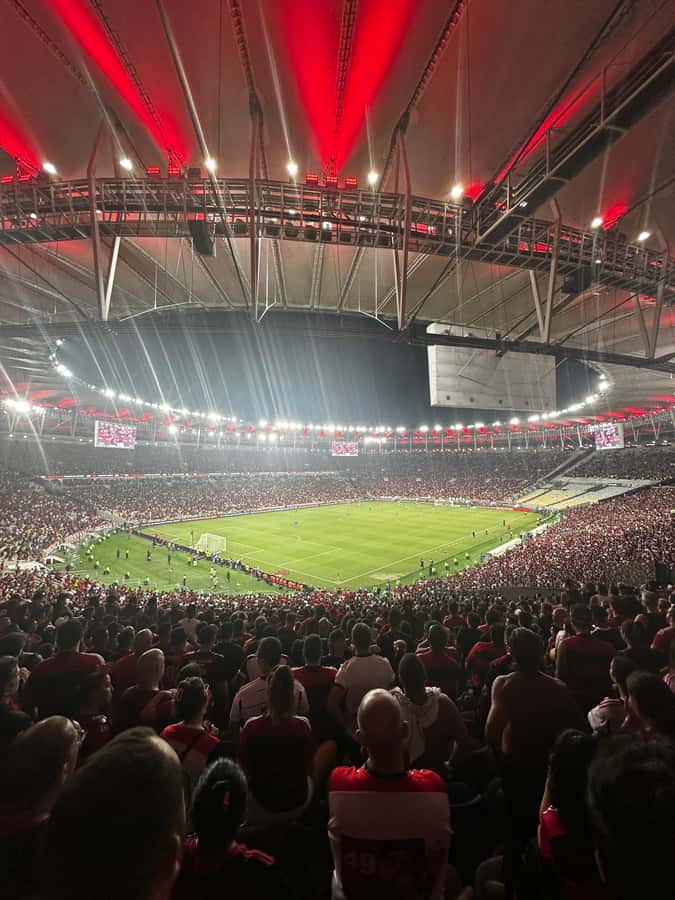
The ticket is only half the value. The other half is how you get there.
This tour includes a match-day ticket and explicitly helps you skip the ticket line. That’s not a luxury. In busy venues, time is money and energy. Less waiting means more time inside the stadium atmosphere and fewer chances of missing the moment when the crowd shifts and everyone starts singing.
You’ll also have an English speaking local guide in the mix, and that counts when entry rules and crowd patterns get complicated. One review highlight points to a guide being patient through facial recognition and passport photo issues, which tells me the real-world service goal here is problem-solving, not just reciting stadium facts. Another highlight notes WhatsApp help if someone got lost in the crowd, which is exactly the kind of modern travel safety net you want in a dense environment.
Also, this tour’s group size is capped at 10 participants. That’s a big deal because it keeps the guide from splitting attention among a huge set of people. If you’ve ever tried to follow a guide in a stadium corridor while everyone else suddenly turns, you’ll appreciate that structure.
The pre-match local moment and your welcome drink
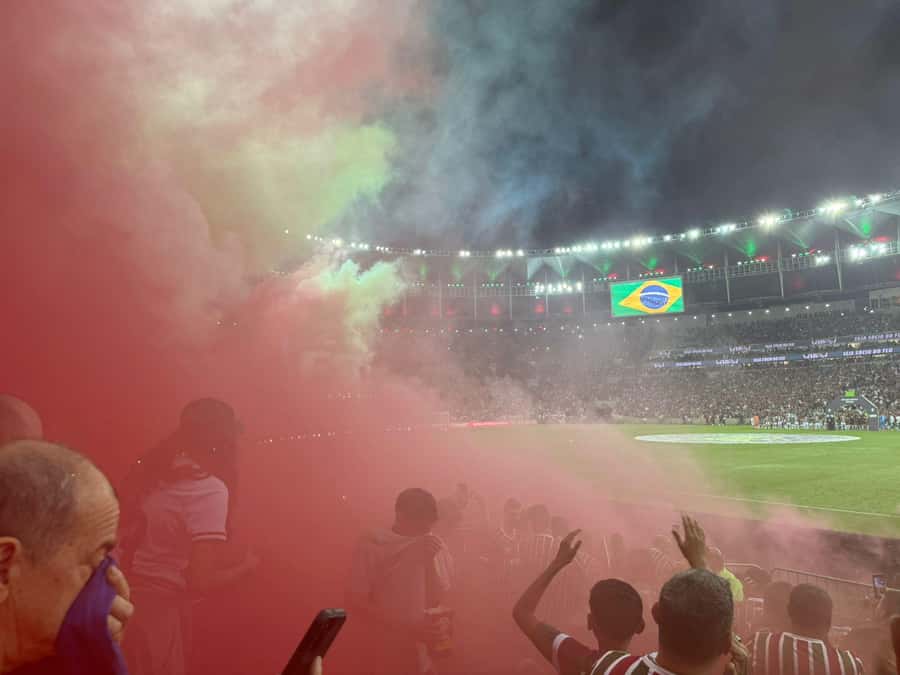
You’ll start with a local pre-match experience and get one welcome drink included. No, that’s not a full meal. But it does serve a clear purpose: it sets the mood and gives you something simple and shared before kickoff.
In practice, pre-match time can be chaotic if you’re on your own. Lines, signage, and the general rush can make you feel like you’re constantly catching up. Here, the guide’s role is to move you toward the right places at the right pace. You’re there to watch, not to decode a maze.
This is also where you start mixing with real fans rather than staying in a tourist bubble. Reviews mention a Flamengo bar moment while waiting for people affected by traffic, and that kind of detour is actually part of the deal. If you want to feel how local supporters talk and react right before the game, that pre-match social time is one of the best uses of your tour hours.
Just don’t assume the day will be perfectly calm. In any stadium setup, you’ll still be in a crowd. Your job is to stay together and keep your phone handy.





Inside the 90 minutes: how the crowd energy lands
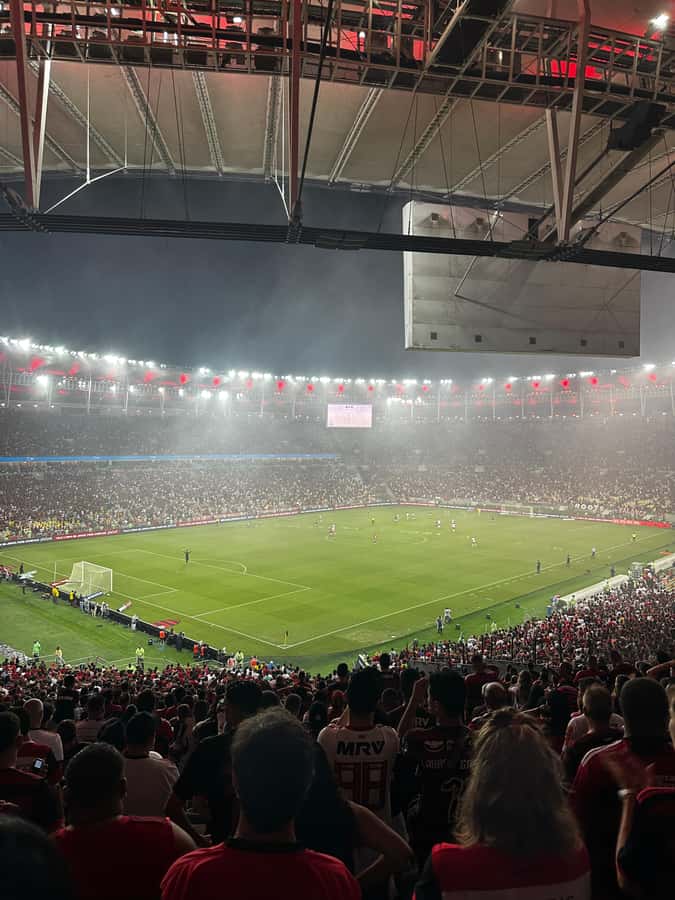
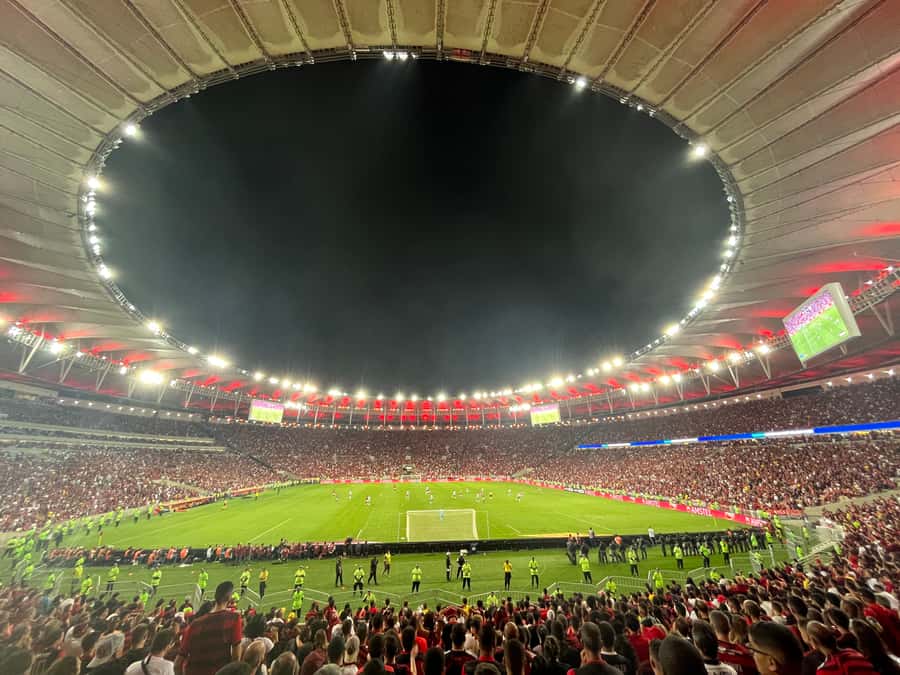
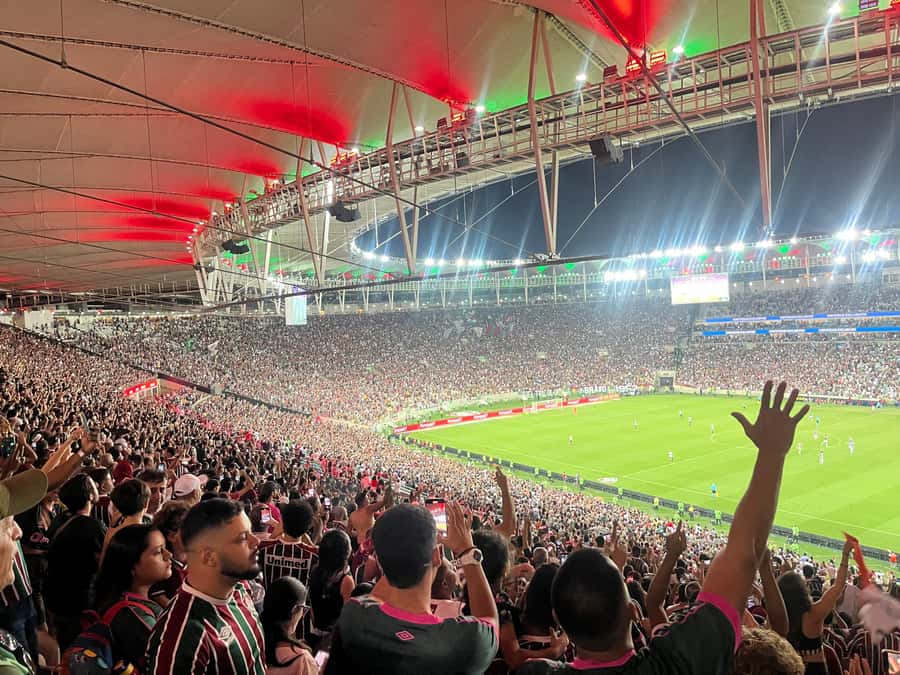
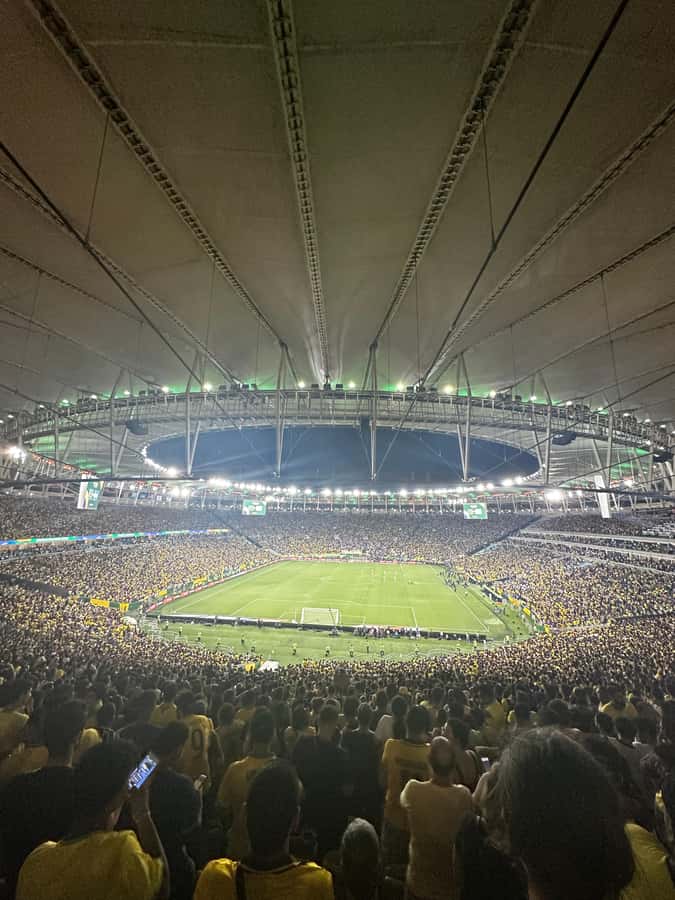
Once the match starts, the experience becomes a mix of emotion and focus. You’ll be in the middle of 90 minutes of live football where chants, body language, and quick bursts of tension are part of the action.
A couple real details are worth knowing because they shape expectations:
- Some matches can feel less intense than the hype suggests depending on the teams and form on the day.
- Fan energy can more than make up for that.
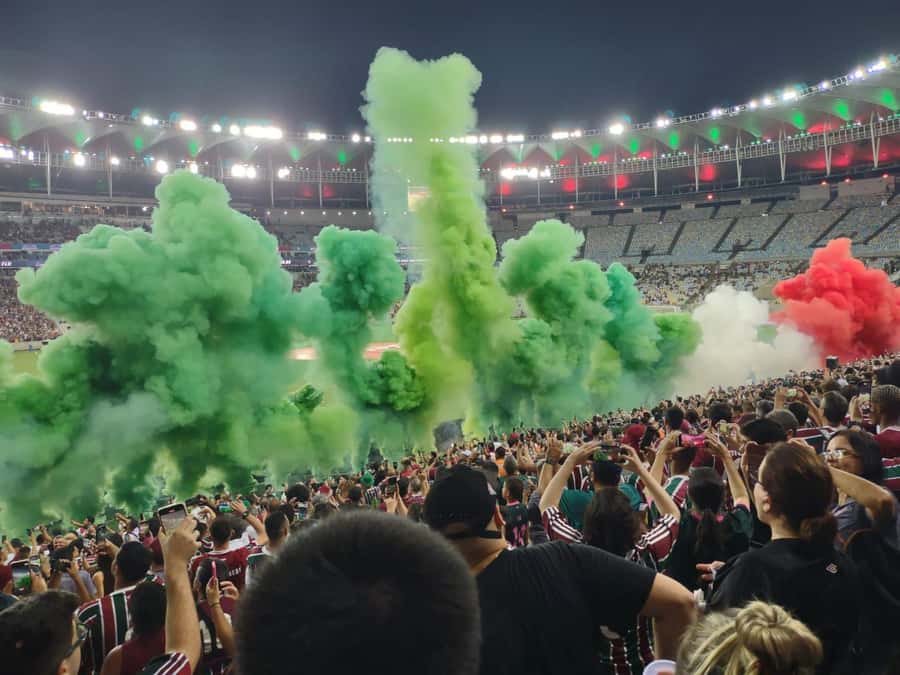
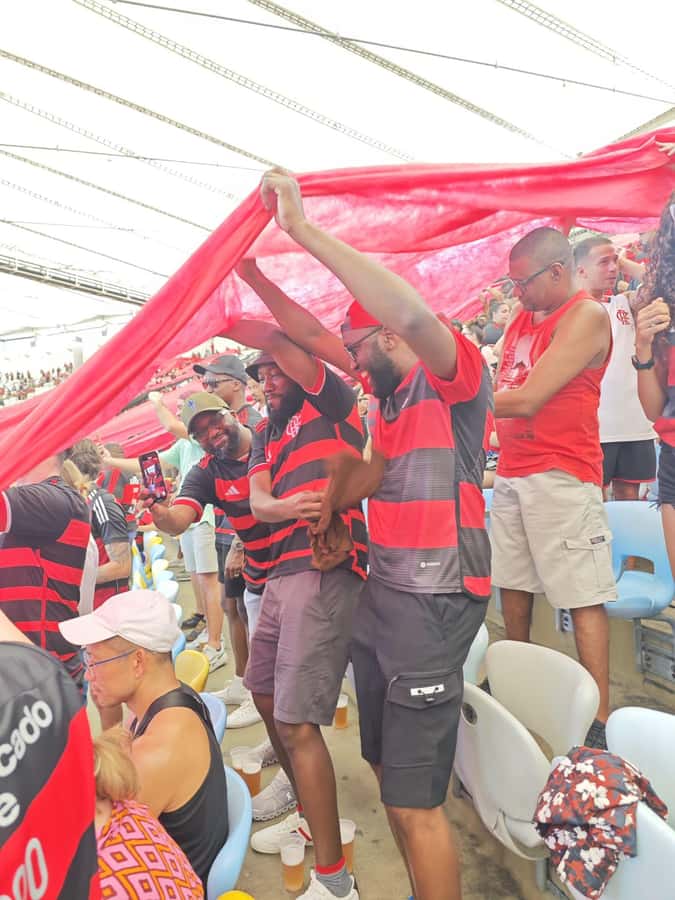
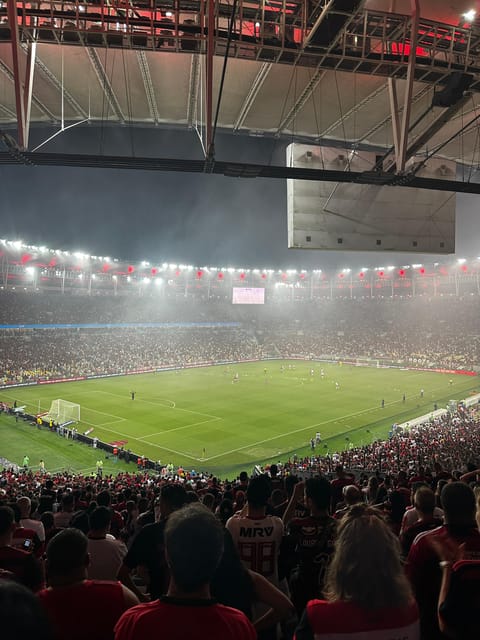
One key review point is that Flamengo fans were amazing, with fireworks adding to the spectacle. Another notes the game itself was a bit tense, and the atmosphere made it worthwhile even if the match quality wasn’t a highlight parade.
Also, plan to watch your surroundings. One review mentions getting a side view of the action, which can be a sweet spot for seeing both the flow of play and the crowd reaction. If you’re always stuck facing forward like you’re at a theater, you might miss how stadium sections “talk” to each other during the game.
Your best strategy: follow the guide’s seating check and then settle in. Don’t wander mid-game. If you lose track of where your group is, you’ll be relying on WhatsApp coordination to reconnect.
Flamengo vs Fluminense: how the opponent changes the vibe
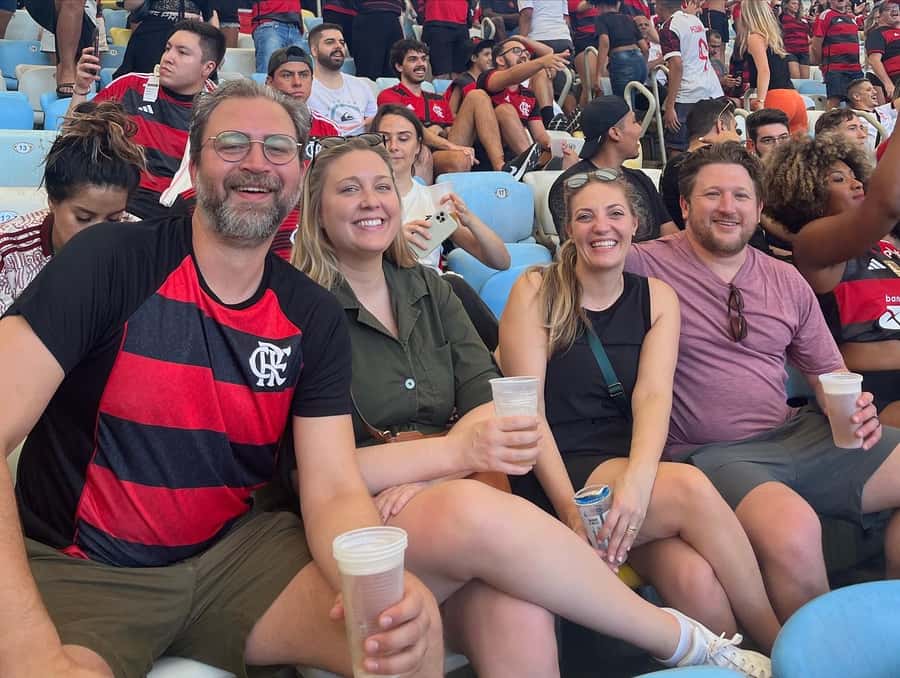
You won’t control whether you see Flamengo or Fluminense, so treat the match as a chance to experience a real Rio football crowd rather than a guarantee of a classic.
That said, the opponent matters. Flamengo supporters tend to be loud and highly visible, and reviews repeatedly highlight how impressive their energy felt live. If you get Flamengo, you can expect a more intense chant culture and strong color presence in the stands.
Fluminense fans may feel different in style, but the bigger point is this: your seats, your section neighbors, and the way the crowd responds to momentum will define your match memory more than any pre-game prediction.
So, go in with a flexible mindset:
- You’re buying access to Maracanã plus a guided experience around it.
- The exact “feel” depends on the fixture.
- Your value comes from being there with the right setup: entry help, pre-match context, and a guide who understands crowd flow.
Price and logistics: is $102 good value for Rio?
At $102 per person, this isn’t a budget day trip. But it also isn’t overpriced if you think about what’s included.
You get:
- A match-day ticket
- A local pre-match experience
- One welcome drink
- An English-speaking local guide
- Skip-the-ticket-line support
- A small group capped at 10
Compare that to what it usually costs to piece together separately: a ticket, a guide, and the risk of missing entry steps. If you’ve ever paid for tickets and then spent the next hour stressed about where to go, you’ll understand why the “skip the line + guide support” part matters.
Food isn’t included, so budget for at least snacks around the match time. Also, the total duration is about 4 hours, with a chunk of guided time before kickoff. That’s a real use of your day, not a quick “photo stop and bye.”
My value take: this is a smart purchase if you want the stadium experience to feel guided and low-stress. If you’re a seasoned match-goer who already knows stadium entry rules and doesn’t mind navigating on your own, you might find tickets cheaper online. But the tradeoff is risk and hassle you won’t have to manage with this setup.
What to bring (and what Maracanã will reject)
Pack like you’re going to airport security, because stadium entry can be strict. Here’s what you should bring:
- Credit card
- A charged smartphone
- Passport or ID card (a copy is accepted)
Here’s what you should not plan to bring:
- Pets
- Weapons or sharp objects
- Baby strollers
- Luggage or large bags
- Selfie sticks
- Professional cameras, tripods
- Plastic bottles or glass objects
- Unaccompanied minors
- Explosive substances
- Bare feet
- Speakers
This list affects how you travel in the real world. If you’re carrying a tote with random items, tighten your pack. If you rely on a big camera kit, plan to use your phone instead.
If you’re worried about entry because of document issues, focus on getting your ID and smartphone ready. One review specifically praised a guide who helped resolve facial recognition and passport photo problems, which tells you it’s worth having a clear ID photo and keeping your phone functioning.
Also, this tour is not suitable for people with mobility impairments, so if mobility is a factor, look for an alternative matchday experience with accessibility options.
The guide factor: why Davi, Gustavo, Yan, and Bruno show up in good stories
One of the strongest themes in the experience is human support. You’re dealing with a stadium crowd, entry tech, and a schedule that keeps moving. A guide makes that manageable.
Names that came up include:
- Davi, praised for being friendly and taking good care of the group
- Yan, praised as easy to talk to and fluent in English and Portuguese, making the tour feel smooth
- Gustavo, praised for being attentive and keeping the group together
- Bruno, praised for helping everyone make it in and out safely
Even when the match itself isn’t perfect, good guidance keeps the whole day from wobbling. That’s especially true if:
- you’re stuck with facial recognition or ID photo issues
- you get separated in the crowd
- traffic delays push timing around
- you’re unsure where to go next
If you like travel that feels calm even when the environment is loud, this is the right match format for you.
Who this Maracanã match experience suits best
This tour is a great match if you:
- want the real football atmosphere without doing a lot of figuring out on your own
- prefer small-group attention (up to 10)
- want an English-speaking guide to help with entry and crowd navigation
- care about stadium context, not just the final score
It’s less ideal if you:
- need mobility-friendly accommodations
- want a flexible, wandering pace
- plan to bring restricted items like large bags, tripods, or professional cameras
If you’re traveling solo, this can also work well because the guide and group structure reduce the “what do I do now?” feeling that can happen in stadium areas.
Should you book this Maracanã match ticket tour?
Book it if your priority is a smooth, guided matchday at one of Rio’s most famous stadiums. The mix of skip-the-line, English support, a small group, and a pre-match local moment plus a drink makes the $102 feel more like payment for peace of mind than just a ticket.
Skip it if you already know how you’ll handle stadium entry and you’re comfortable navigating crowds without help, or if your needs don’t match the mobility limitations.
If you’re on the fence, I’d base the decision on one question: do you want your first Maracanã experience to feel organized from the first walk to the final whistle? If yes, this is the kind of ticket package that helps you focus on the football.
FAQ
How long is the Maracanã match experience?
The total duration is about 4 hours.
Where do we meet, and is there walking?
You meet at the playground in the middle of Praça Varnhagem. There’s a short on-foot walk to the stadium and then back afterward.
What’s included in the price?
It includes the match-day ticket, a local pre-match experience, one welcome drink, and an English-speaking local guide. Skip-the-ticket-line support is also included.
Is food included?
No. Food is not included.
What do I need to bring for entry?
Bring a credit card, a charged smartphone, and your passport or ID card (a copy is accepted).
Is this tour suitable for people with mobility impairments?
No, it’s not suitable for people with mobility impairments.