
REVIEW · RIO DE JANEIRO
Rio de Janeiro Downtown Tour
Book on GetYourGuide →Operated by CARIOCA TROPICAL TOUR OPERATOR · Bookable on GetYourGuide
Rio’s core is a crash course in contrasts. In just 3 hours, I like how this tour stacks major landmarks with real neighborhood flavor, with Maracanã and the Escadaria Selarón front and center. The best part is the guide’s context as you move fast but not clueless, and the guides I’ve heard named here, like Meilin, Cabo, Monica, and Mailee, tend to be friendly and tuned in. One drawback to consider is that Rio traffic can limit time at stops, so a few sights may be more seen than thoroughly explored.
Pickup is smooth for many beach-area hotels (Leblon, Ipanema, Copacabana), and you ride in a small-group, air-conditioned minivan. You’ll get a guided loop through downtown streets like Avenida Presidente Vargas, then ride back along Aterro do Flamengo—handy if you want the big highlights without losing your whole day.
In This Review
- Key points to know before you go
- How a 3-hour Downtown Rio loop actually plays out
- Pickup and timing: why the afternoon start matters
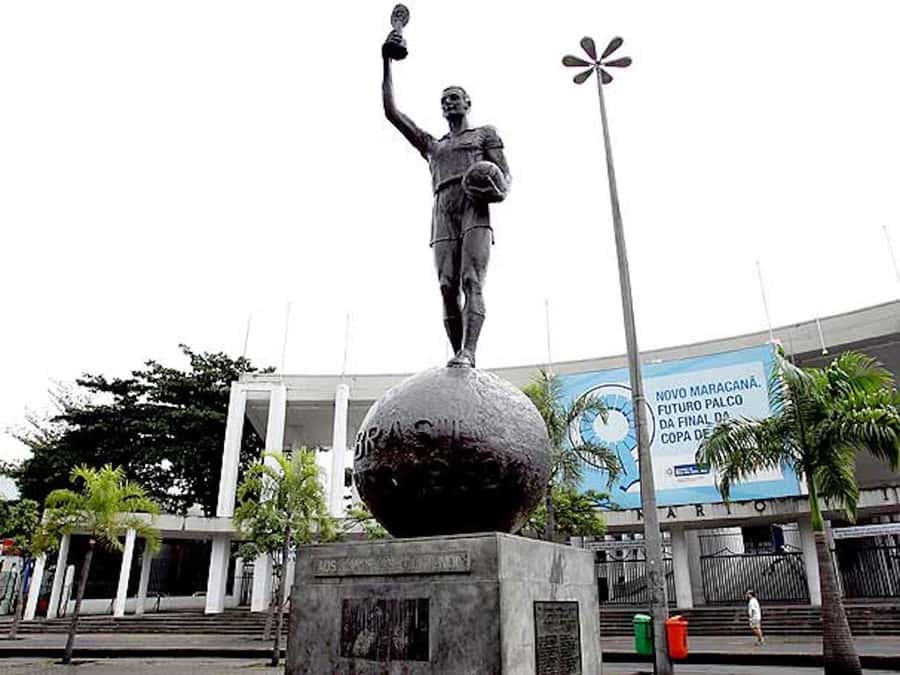
- Maracanã Stadium and the Bellini statue: big-stage Rio
- Sambadrome: where the main parade happens
- Avenida Presidente Vargas: the fast lane to power and architecture
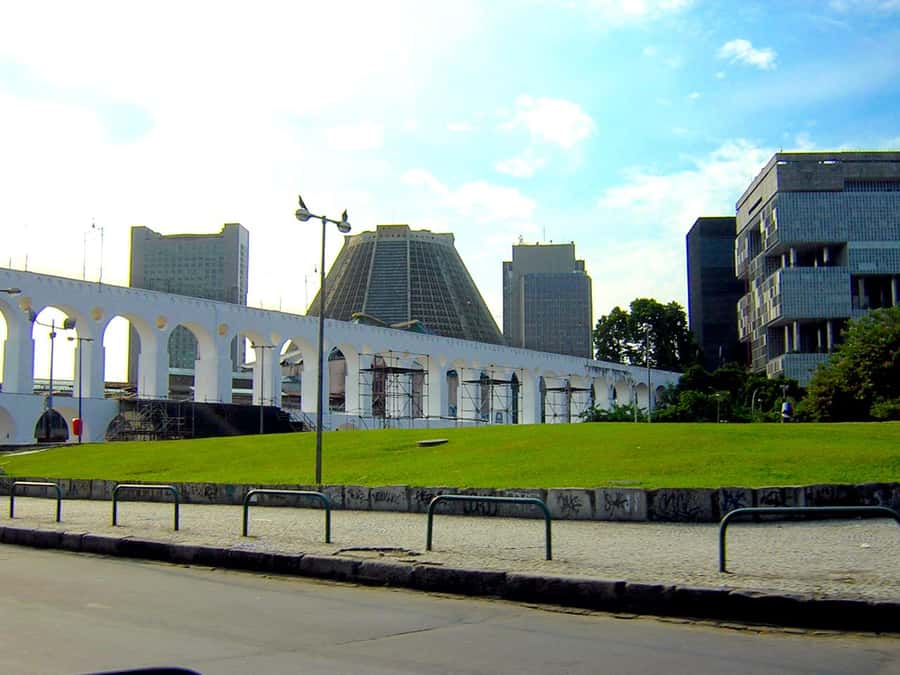
- Tiradentes Square, Lapa Arches, Lavradio, Avenida Chile: the walkable thread
- Metropolitan Cathedral: modern design in plain view
- Lapa’s bohemian stretch and the Escadaria Selarón
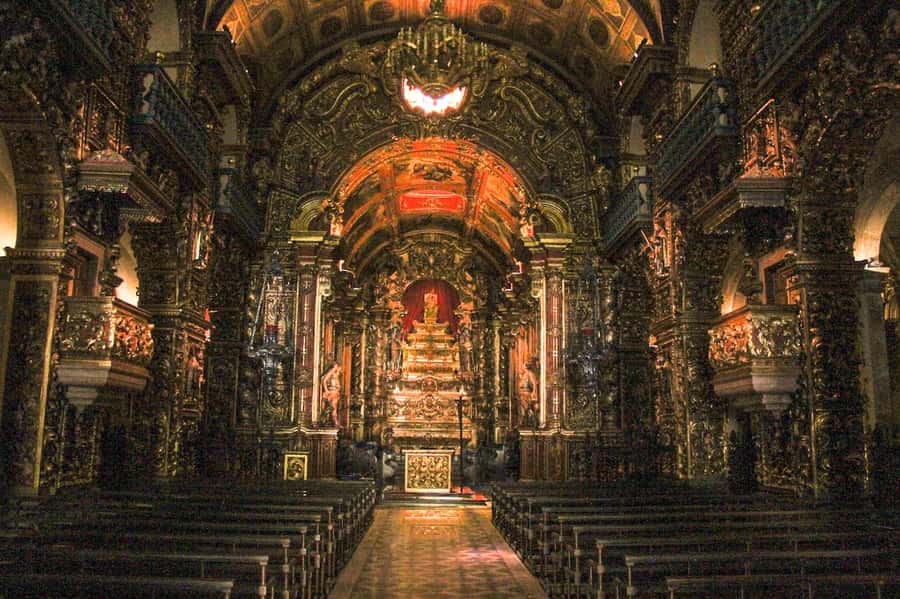
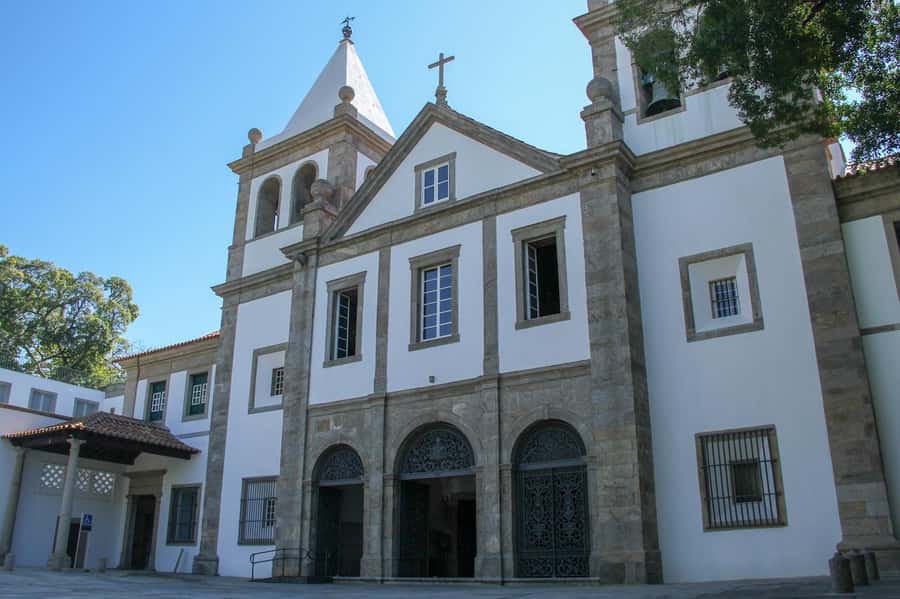
- São Bento Monastery: when the inside is the point
- Aterro do Flamengo and the return route: views with context
- Price and value: is $74 for 3 hours worth it?
- Who this tour suits best
- Should you book Rio de Janeiro Downtown?
- FAQ
- What is the duration of the Rio de Janeiro Downtown Tour?
- How much does the tour cost?
- What sights are included in the route?
- Are hotel pickup and drop-off included?
- Where does pick-up happen?
- When does the tour pick you up?
- What languages are the live guides?
- What kind of vehicle is used for transportation?
- Is there free cancellation?
- Can I reserve without paying right away?
Key points to know before you go
- Hotel pickup and drop-off make this low-effort, especially if you’re staying near Copacabana, Ipanema, or Leblon
- A tight 3-hour loop means you’ll see lots of landmarks, but some will be quick photo-and-look moments
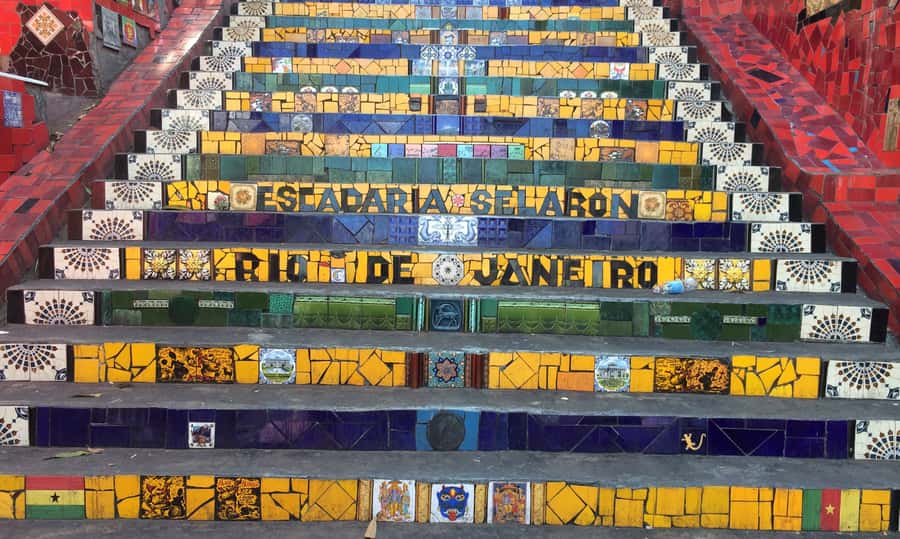
- Escadaria Selarón is a must-stop: Jorge Selarón’s color tribute using the Brazilian flag colors
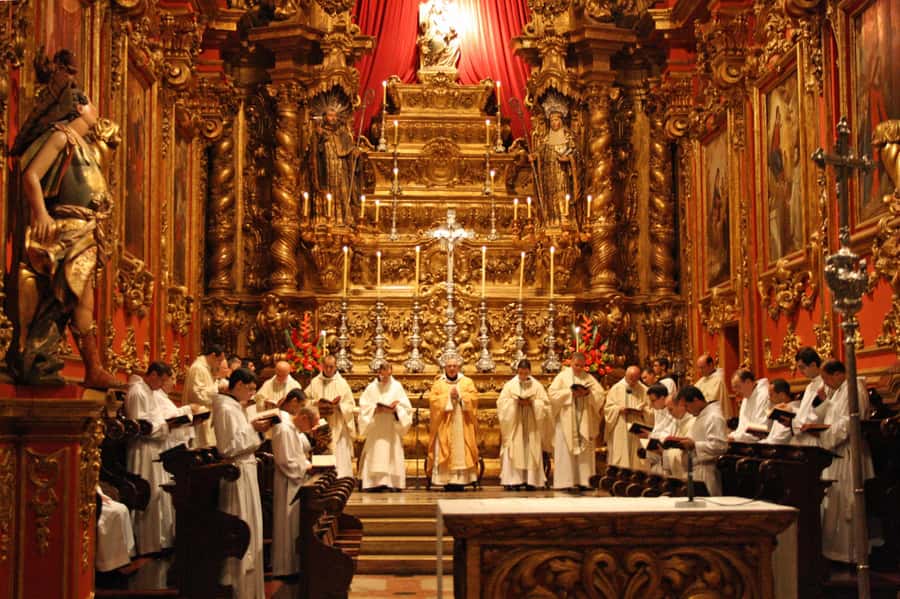
- São Bento Monastery is about the inside: gilded Baroque plant motifs, Rococo flourishes, and a high altar
- Metropolitan Cathedral brings modern design into the middle of classic downtown sights
- The guide can shape the day—the better tours are the ones where you can ask questions and steer slightly
How a 3-hour Downtown Rio loop actually plays out
This is the kind of tour that helps you get your bearings fast. You’re not trying to spend hours in one museum. Instead, you’re building a mental map of Rio’s downtown: where power shows up (palaces and government buildings), where celebration lives (Sambadrome), and where art sneaks into daily life (Lapa and Selarón’s stairs).
The logistics are built around a short window. You’re picked up between 2:00 pm and 2:30 pm from selected hotels in Leblon, Ipanema, or Copacabana, then you’re in a small group headed into the city. A professional guide leads the whole thing, in English or Spanish, which matters because downtown architecture and history can otherwise feel like random blocks and facades.
The time trade-off is real. This tour is 3 hours total, so you’ll need to like moving. If you’re the type who wants deep, unhurried time inside every building, you might feel rushed. But if you’re okay with a focused hit-list and a guide to explain what you’re seeing, this format works.
You can also read our reviews of more tours and experiences in Rio De Janeiro.



Pickup and timing: why the afternoon start matters
Starting in the afternoon is smart for a couple reasons. First, you’re less likely to fight the earlier chaos that can hit popular streets. Second, you’re not forced to choose between downtown sights and your beach plans later—because you end back at hotels in Copacabana, Ipanema, or Leblon.
You’ll also want to plan your photos with the reality of short stops. Expect frequent “stop, look, learn, move” rhythm. In a city where traffic can slow everything down, your best strategy is to treat the stops as quick orientation points: take the best photo you can, listen for the key detail your guide shares, and don’t over-plan the rest of the day around getting a long sit-down visit.
If your hotel isn’t in the pickup zone, you meet at the Hilton Hotel Copacabana. That’s a useful detail to confirm early so you don’t lose time hunting for the group.
Maracanã Stadium and the Bellini statue: big-stage Rio
The first major landmark stop is Maracanã Stadium, with a mention of the Bellini’s statue. Even if you’re not a lifelong soccer fan, this place signals something important: Rio’s love of spectacle, and how national culture wraps around sports.
From a tour-planning point of view, Maracanã works well early on. It’s an instant scale-check. You see the stadium environment first, then you head toward another massive event venue—so the theme clicks: Rio builds spaces for huge public moments.
If you’re sensitive to long car stretches, you’ll still likely enjoy this part because it’s a clear focal point. And since your guide is there to frame what you’re looking at, it doesn’t feel like you’re just passing by a big building.
Sambadrome: where the main parade happens
Next is a stop at the Sambadrome, Rio’s showcase for the city’s main Carnival parade. This is more than a pretty viewpoint. It helps you understand how Carnival isn’t just street chaos—it’s staged choreography, with a designed route and grandstands built for an enormous crowd.
On a tour like this, the Sambadrome gives you a concrete “aha” moment: why certain downtown stretches matter, and why certain venues are placed where they are. It also connects Rio’s modern infrastructure with the city’s most famous cultural event.
One practical tip: if you’re traveling during Carnival season, this stop becomes even more meaningful, but the tour still makes sense outside peak festival weeks because the setting is what you’re learning, not the date on the calendar.
Avenida Presidente Vargas: the fast lane to power and architecture
Then the tour shifts to a classic downtown corridor: Avenida Presidente Vargas. This is the street where you’ll see a lot in a short time, which is exactly why it’s included. It’s like a guided slideshow with context—your guide stitches the buildings together so they stop feeling random.
On this route you’ll see:
- Central Railway Station
- Duque de Caxias Palace, former headquarters of the Ministry of the Armed Forces
- Itamaraty Palace, former headquarters of the Ministry of Foreign Affairs
- Campo de Santana
- And later, via Avenida Passos toward Tiradentes Square
Why this section is valuable: you’re watching Rio’s institutional identity. Rail, government, foreign affairs, public squares—these aren’t just landmarks. They’re clues about the city’s history of movement, decision-making, and international connections.
The drawback to keep in mind is how you’ll mostly experience a lot of this from the vehicle. That’s not a reason to skip it, but it does change how you should approach it. Don’t expect long, leisurely exploration of every facade along this stretch. Expect orientation and explanations.



Tiradentes Square, Lapa Arches, Lavradio, Avenida Chile: the walkable thread
As you continue along Avenida Passos, you reach Tiradentes Square, and then the route brings you toward the Lapa Arches. You also pass by or stop near Lavradio Street and Avenida Chile—all part of the corridor that feeds into Lapa.
This is the section where the tour starts to feel less like a parade of buildings and more like a neighborhood story. You’re moving from government and infrastructure into streets where everyday life mixes with performance, nightlife, and street-level creativity.
Even if your stop time is short, look for details your guide calls out. In places like Lapa, the “small” features—street scale, building fronts, how people actually occupy the sidewalk—often matter as much as the formal monuments.
Metropolitan Cathedral: modern design in plain view
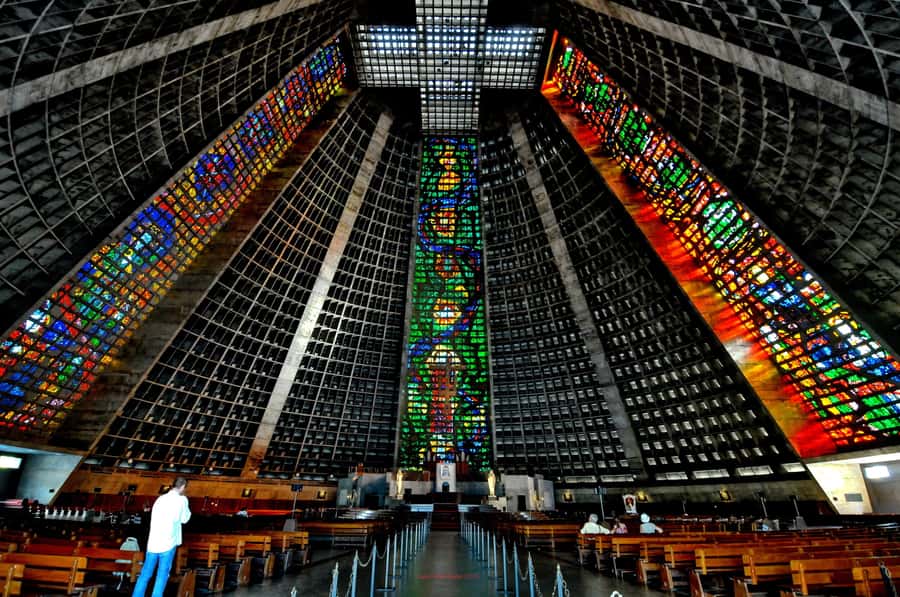
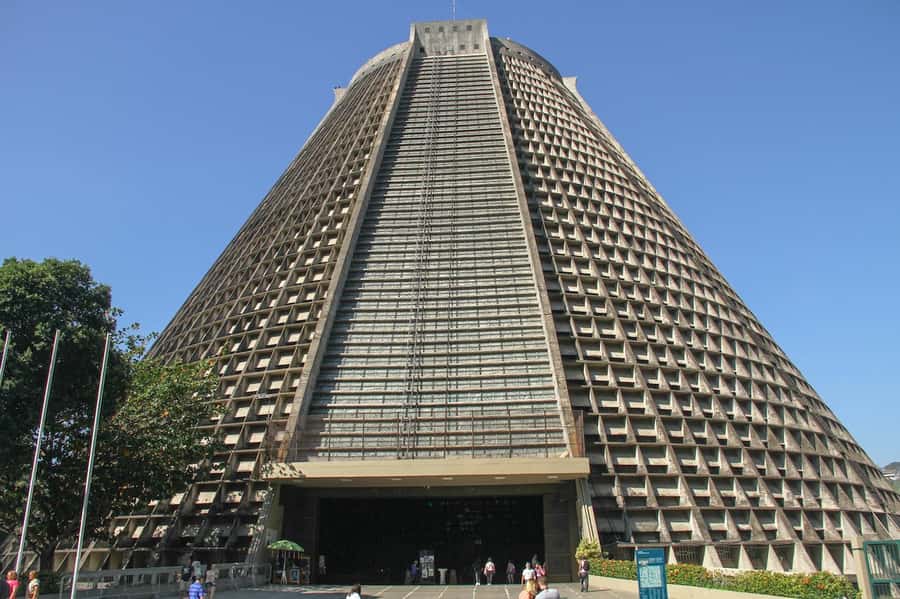
Next up is the Metropolitan Cathedral, described as a cone-shaped landmark and a modern art masterpiece. This stop is a nice counterpoint to the palaces and older-looking architecture around it. It’s also a reminder that Rio isn’t only classic façades and historic squares.
What I like about this kind of inclusion on a short tour is how it breaks the pattern. After a sequence of formal government and transportation structures, the cathedral adds modern architectural thinking—big shape, strong form, and a clear visual identity from the outside.
You’ll want to approach this stop with a slightly different mindset than you would for older churches. Instead of searching for centuries-old decoration, focus on how the structure reads and what it communicates visually.
Lapa’s bohemian stretch and the Escadaria Selarón
Then comes one of the strongest reasons to book this tour: the Lapa neighborhood and the Escadaria Selarón. These stairs are among the most distinctive public art experiences in Rio, partly because you can’t ignore them. The colors—green, yellow, and blue, tied to the Brazilian flag—turn the staircase into a living poster.
You’ll also learn the meaning behind it: these colors are Jorge Selarón’s personal tribute to the Brazilian people. That detail matters. It changes the stairs from decoration into a message—one artist’s ongoing conversation with the city.
In practical terms, the stairs are also a good place to manage your time. You can take photos, look up and down the steps, and do quick “spot the pattern” observations even if your total stop is brief. This is also a location where you’ll likely feel the energy of the neighborhood, even when the rest of the tour is moving at minivan speed.
If you care about street art, public expression, or just the kind of place that makes Rio feel unmistakably Rio, this is the stop you’ll remember.
São Bento Monastery: when the inside is the point
After Lapa, the tour visits the São Bento Monastery. This stop works because it gives you contrast: the exterior can look austere, but the interior is where the surprise lives.
The monastery has been compared to a museum, and your visit highlights the details:
- gilded Baroque engravings with plant motifs
- Rococo style in the engraving on the high altar
- cross vaulting
- and the chapel of the Santíssimo Sacramento
Why this is such a good fit for a short tour: it rewards attention. Even if you’re not an art expert, your guide can point out how the architecture and decoration shift the mood. You’re standing in a space where the purpose is monastic simplicity—but the interior messaging is decorative, detailed, and expressive.
If your time in Rio is tight, this is the kind of stop you want to prioritize. You can’t replicate it by just driving past. You need that moment inside, where the art scale and craftsmanship become real.
Aterro do Flamengo and the return route: views with context
On the way back, you travel along Aterro do Flamengo, and your route includes views of:
- the Museum of Modern Art
- the Monument to the Fallen in World War II
- the Church of the Outeiro da Glória
- and the beaches of Flamengo and Botafogo
This “return route” section is underrated. It’s not just transportation. It helps you connect downtown to the coastline—Rio’s layout in one glance. You also get a mix of culture and memory (modern art and a war memorial) plus spiritual architecture (Outeiro da Glória), and then you finish with the sense of open waterfront.
Expect this part to be more “see from the route” than “walk around for an hour.” That matches the tour’s overall timing. But if you like photographic windows—quick skyline moments, big waterfront lines—this is a good way to end.
Price and value: is $74 for 3 hours worth it?
At $74 per person for 3 hours, the value depends on what you want from Rio. If you’re trying to spend money mainly for transportation and guidance through traffic-heavy streets, you’re paying for convenience. Hotel pickup, a small-group setup, and an air-conditioned minivan can add up if you’re doing it independently.
Where the price starts to feel justified is the coverage. You’re hitting multiple high-demand highlights—Maracanã, Sambadrome, Lapa arches, Selarón steps, Metropolitan Cathedral, São Bento Monastery, plus the waterfront viewpoints. On a short schedule, that kind of concentrated itinerary is hard to assemble efficiently on your own.
Where you might question value is if you personally dislike car time and prefer long stops. One lower-scoring experience shared that the tour felt like it relied too much on the window during traffic. That critique is worth respecting. In a city like Rio, traffic can swing your stop time, and that changes the “how much you truly see” factor.
My practical advice: go into this expecting a guided orientation tour with strong “anchor stops.” Lapa and São Bento are the inside moments you’ll likely feel most deeply. The rest is about guided understanding plus enough time to form memories and take photos.
Who this tour suits best
This tour is a great match if:
- you want a first-time overview of Downtown Rio
- you like architecture and city identity, not just one museum or one church
- you prefer a guided explanation while you ride through the city
- you’re based near Copacabana, Ipanema, or Leblon and want hotel pickup convenience
It’s less ideal if:
- you need long, quiet time at every stop
- you get frustrated by traffic and brief photo stops
- you’re hoping to turn 3 hours into a deep, slow exploration day
The best results usually happen when you travel with curiosity and ask questions. Names that show up in guide experiences include Meilin, Cabo, Monica, and Mailee, and the consistent thread is that strong guides can make the route feel personal—answering questions and adjusting to your interests when possible.
Should you book Rio de Janeiro Downtown?
I’d book it if your priority is a fast, guided hit of Rio’s downtown highlights with stops you can actually picture later: Maracanã, Sambadrome, the Metropolitan Cathedral, Lapa and Selarón, and the São Bento interior. It’s also a smart choice for late-day timing, since you’re returned to your beach-area hotel.
I’d think twice if you’re very time-sensitive, hate vehicle-based sightseeing, or expect a long visit at each major site. In that case, you might be happier with a more focused tour that spends more minutes in one neighborhood.
If you’re flexible and you want to build a clear mental map of Rio’s downtown in one afternoon, this one is a solid pick.
FAQ
What is the duration of the Rio de Janeiro Downtown Tour?
The tour lasts 3 hours.
How much does the tour cost?
The price is $74 per person.
What sights are included in the route?
You’ll visit Maracanã Stadium (including Bellini’s statue), the Sambadrome, stops along Avenida Presidente Vargas (including Central Railway Station, Duque de Caxias Palace, Itamaraty Palace, Campo de Santana, Tiradentes Square), Lapa Arches, Lavradio Street, Avenida Chile, the Metropolitan Cathedral, the Escadaria Selarón in Lapa, São Bento Monastery, and you’ll return along Aterro do Flamengo with views of the Museum of Modern Art, the Monument to the Fallen in World War II, the Church of the Outeiro da Glória, and Flamengo and Botafogo beaches.
Are hotel pickup and drop-off included?
Yes. Hotel pick-up and drop-off are included for selected hotels.
Where does pick-up happen?
Pickup is available from most hotels in Leblon, Ipanema, and Copacabana. If your hotel is outside the pickup area, the meeting point is the Hilton Hotel Copacabana.
When does the tour pick you up?
Pick-up is between 2:00 pm and 2:30 pm from selected hotels.
What languages are the live guides?
The live tour guide speaks Spanish and English.
What kind of vehicle is used for transportation?
You’ll travel by air-conditioned minivan in a small-group tour.
Is there free cancellation?
Yes. You can cancel up to 24 hours in advance for a full refund.
Can I reserve without paying right away?
Yes. The tour offers reserve now & pay later, so you can book your spot and pay nothing today. Confirmation is received within 24 hours of booking, subject to availability.