REVIEW · RIO DE JANEIRO
Pantanal of Rio de Janeiro
Book on GetYourGuide →Operated by Viajecom Io Turismo Viagem e Intercâmbio · Bookable on GetYourGuide
Rio has wetlands you do not expect.
I love the boat-through-islands setup because it turns wildlife-spotting into something you can do from the water, not just from a fence. I also love the mix of river and mangrove with a view of Pedra da Gávea, so the scenery feels both wild and very Rio. One thing to consider: there’s a boat payment structure you should plan for (cash to the captain, and card adds a fee), plus the experience is only 3 hours.
You’ll meet caimans, capybaras, and other local animals, then step onto Gigóia Island for a short walk and a chance to slow down. Expect a guide who explains what you’re seeing in English, Portuguese, and Spanish, and you might get named guides who have a calm, un-rushed style. The main drawback is value depends on your expectations—if you want a lot of time on land, the island portion is brief.
In This Review
- Key points at a glance
- Why the Pantanal of Rio feels different from the usual city tour
- Meeting point and the boat-fee reality check (Jardim Oceânico)
- The 3-hour plan: what happens on the water
- Island time at Gigóia: where the wildlife moments happen
- Watching caimans and capybaras without the zoo vibe
- Pedra da Gávea from the water: the view that ties it together
- Barra da Tijuca beach stop (optional): worth it or skip-able?
- Guide experience: trilingual, and sometimes quietly excellent
- Price and value: how $32 really plays out
- Practical tips that make the tour smoother
- Who should book this Pantanal-style outing
- Should you book this tour or skip it?
- FAQ
- Where is the meeting point for the Rio Pantanal boat tour?
- How long is the tour?
- What animals and nature can you expect to see?
- Do you visit Gigóia Island?
- Is Barra da Tijuca beach included?
- How does the boat payment work, and can I pay by card?
Key points at a glance
- Gigóia Island is the largest stop in the archipelago route
- Boat time first makes animal-spotting feel more natural than a roadside stop
- Pedra da Gávea views add a big-city backdrop to the wetlands
- Caimans and capybaras are the headline animals to watch for
- Barra da Tijuca beach is optional, so you can keep it wildlife-focused
- Trilingual guides help you understand what’s going on around you
Why the Pantanal of Rio feels different from the usual city tour
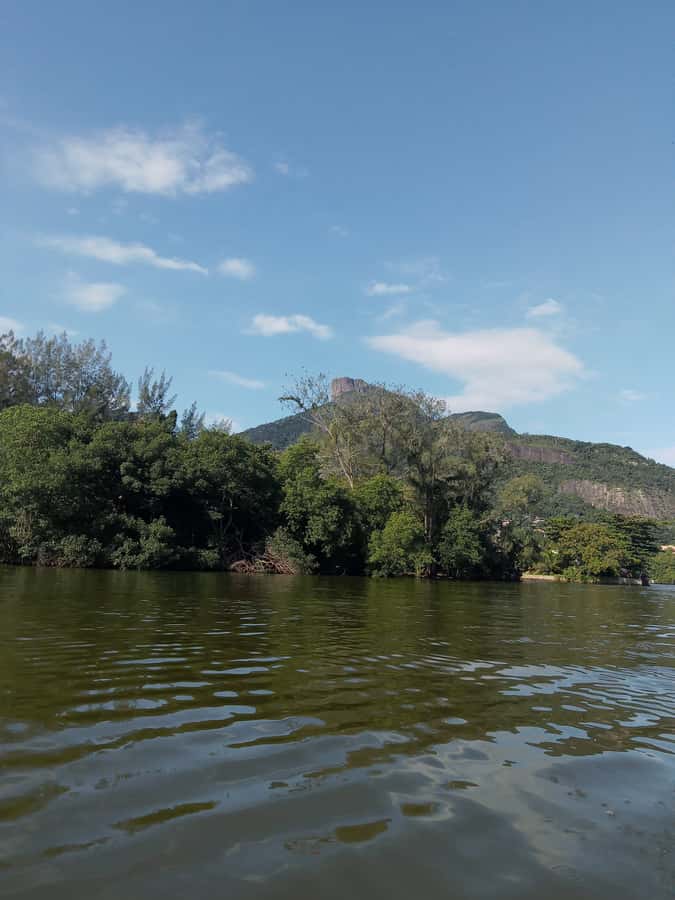
This tour is a great answer to a common Rio question: what if you want nature without giving up the city? The “Pantanal of Rio” idea here is basically a set of islands and mangrove areas that feel like a different world once you’re on the water.
The big win is how the route is built. You’re not racing from viewpoint to viewpoint; you’re gliding through waterways and watching the shoreline where animals actually live. And because the tour happens near famous landmarks like Pedra da Gávea, you get that rare combo of wild habitat and recognizable Rio scenery at the same time.
You’ll come away with a better sense of Rio beyond beach-and-boulevard mode. Even if you have limited time, 3 hours is long enough to feel you left the city behind.
You can also read our reviews of more tours and experiences in Rio De Janeiro.



Meeting point and the boat-fee reality check (Jardim Oceânico)
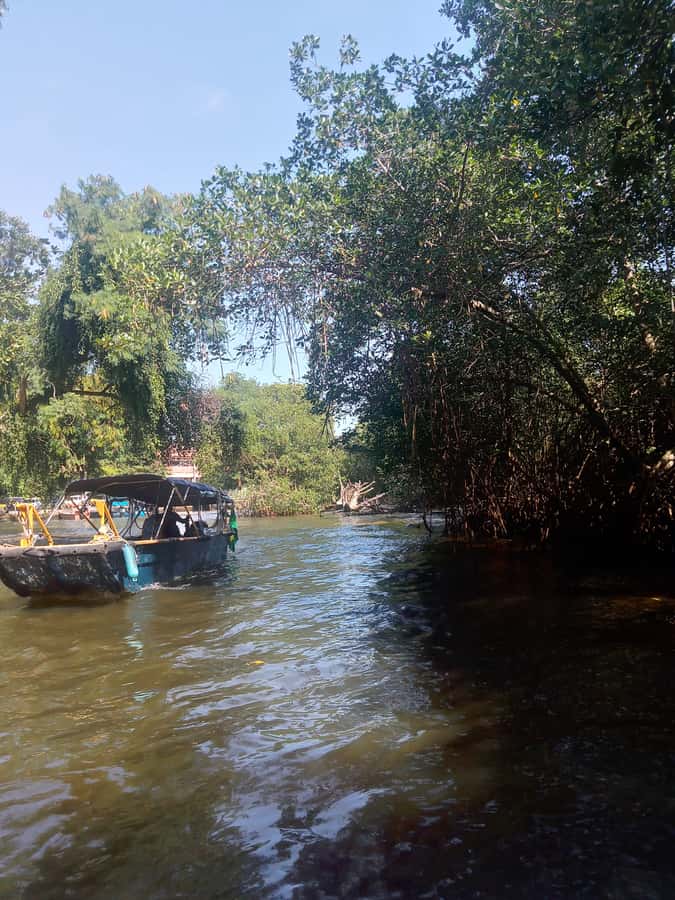
Start at the Jardim Oceânico subway station, exit A. It’s a practical choice because you can reach the meeting point without planning a complex transfer.
Now the part that can surprise people: the boat payment is described as being handled directly with the captain. The information you’ll want to have ready is:
- Boat payment: R$ 60 in cash to the captain
- Card payment: allowed, but a 5% tax may apply
So even though the tour has an overall listed price (around $32 per person), you should budget for the R$60 boat fee at the right time. If you prefer not to carry cash, expect card-related extra charges. I’d also keep your money and ID easy to reach, since this kind of payment tends to happen quickly once you’re near the boat.
One more small logistics thought: the tour runs on a tight timeline. If you’re the type who likes to be early and relaxed, build in a few minutes of buffer at the metro station so you don’t stress.
The 3-hour plan: what happens on the water
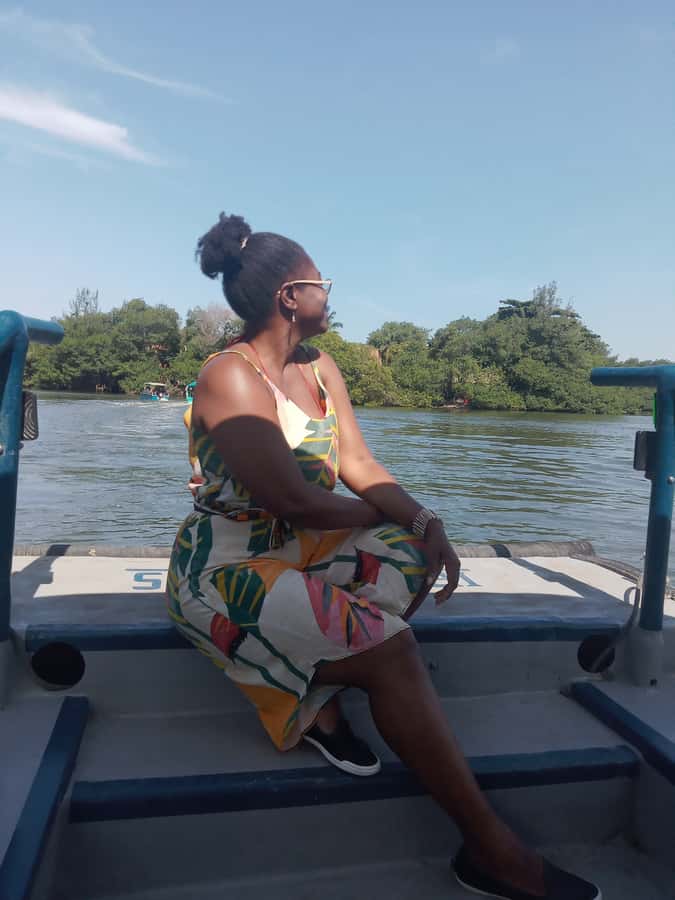
The structure is simple and efficient: you take a boat tour through the archipelago, then you spend time at Gigóia Island, and you may add Barra da Tijuca beach if you choose the optional stop.
Here’s what you should mentally expect on the water:
- You’re there for animal spotting. The tour is designed around meeting animals like caimans and capybaras in their natural-ish shoreline setting.
- You’re also there for habitat. The mix includes river and mangrove, which matters because animals use these areas differently than open water or beaches.
- You’ll get big views. Overlooking Pedra da Gávea means the scenery is not only water-level; it has a dramatic backdrop.
This is also where your guide’s job really shows. A good guide points out what you’re looking at before you get impatient or start scanning randomly. Since the tour is led by an accredited trilingual guide, you’ll usually get clear context in the language you chose (English, Portuguese, or Spanish).
Island time at Gigóia: where the wildlife moments happen
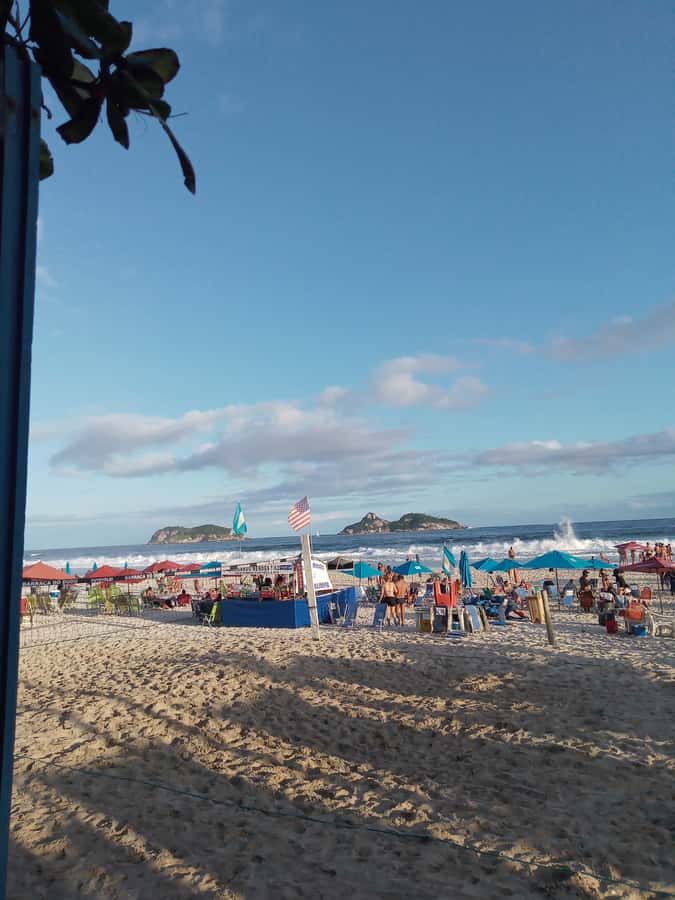
Gigóia Island is the largest of the islands visited, and that is where the tour gives you a true land-time moment. This stop is your chance to turn boat-glances into slower, closer viewing.
What tends to make this part worth it is the feeling of transition. You go from motion on the water to standing on a place that looks and feels like it has its own daily rhythm. You’ll likely see evidence of local life—paths, vegetation patterns, and animal activity at the edges.
On wildlife tours, the challenge is always timing: animals do not show up on command. What you can do is give yourself the best odds—stay attentive, follow the guide’s cues, and don’t rush the walking part. One practical detail from a past experience: some guides keep the pace comfortable and avoid pushing people, which helps you actually notice things.
If you’re hoping for a long hiking-style walk, set expectations. This is still a 3-hour tour, so island time is limited. But if what you want is the feeling of stepping into Rio’s wetlands, Gigóia Island is the right place to do it.
Watching caimans and capybaras without the zoo vibe
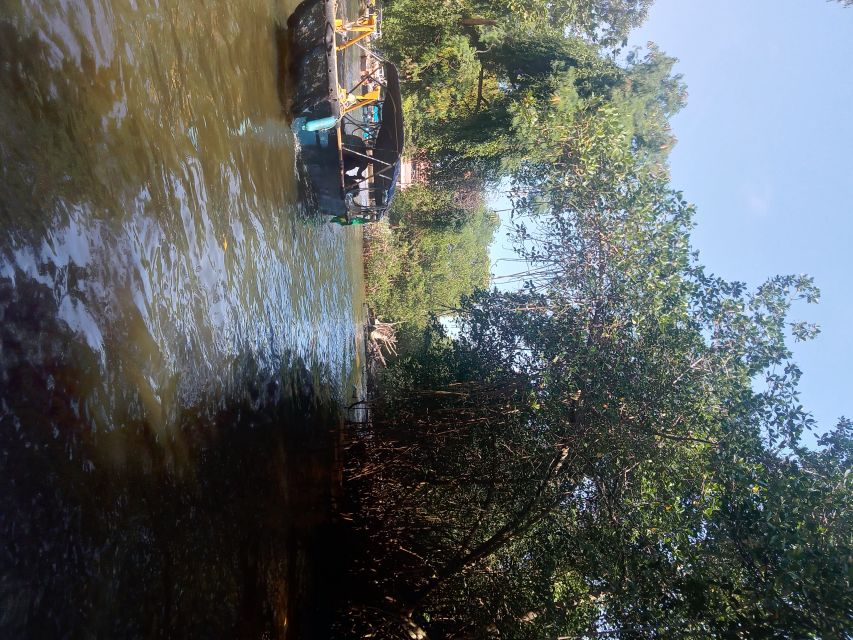
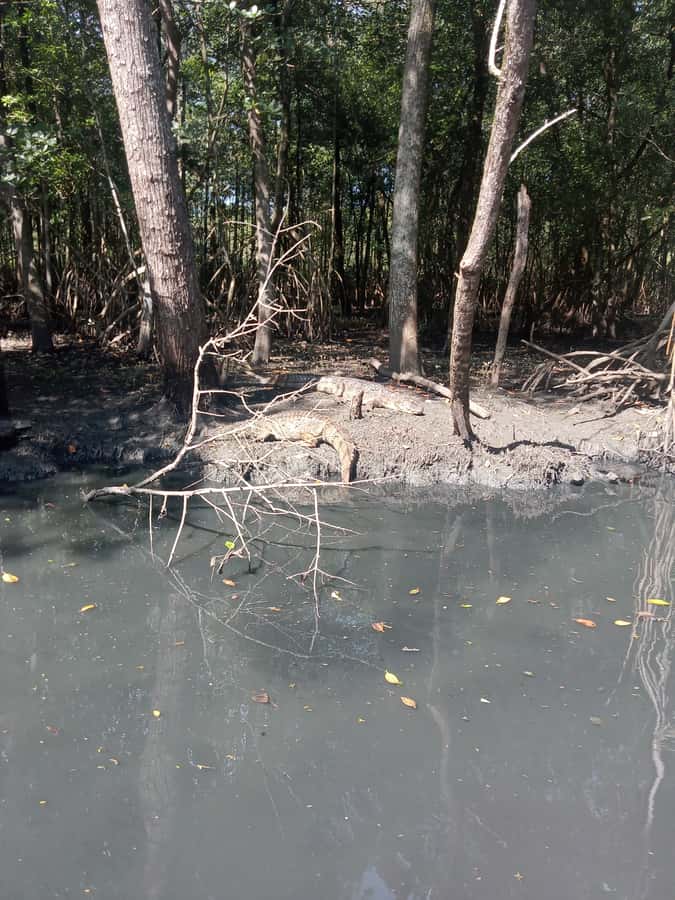
Caimans and capybaras are the headline animals here, and they’re also a good sign that this isn’t just a sightseeing cruise. These animals are strongly connected to water and shoreline environments, so seeing them is more about habitat than about luck.
How to make the spotting part work for you:
- Keep your eyes moving between water edges and shaded areas, since animals often use the cover of mangroves and vegetation.
- Stay quiet when the guide points something out, even if it looks distant.
- Use your guide’s explanation to learn what you’re seeing, not just what you’re hoping to see.
The biggest value of this tour is that it teaches you how the wetlands function. Even on a short outing, you can leave understanding that this is not a theme-park version of nature. It’s living geography—water routes, mangrove cover, and animals using the same spaces repeatedly.
One small warning for expectations: if your main goal is a long, stop-and-go wildlife marathon, this tour may feel short. If your goal is a focused, guided introduction to Pantanal-style nature in Rio, it fits well.



Pedra da Gávea from the water: the view that ties it together
A lot of nature tours look good in photos, but they do not always feel connected to the city you’re in. Here, Pedra da Gávea changes that. Overlooking it gives the entire experience a dramatic scale.
Why this matters: it helps you remember you’re still in Rio, just in a different pocket. You get that “how is this so close?” feeling that makes the tour more than just wildlife viewing. It’s wildlife plus geography, all in the same session.
If you like travel photos, you’ll likely find yourself taking pictures at the start of the boat ride and again when you’re oriented toward the landmark. And if you’re not into photos, it’s still a morale boost—waiting for animals on water is easier when you have a standout view to look at.
Barra da Tijuca beach stop (optional): worth it or skip-able?
The tour includes Barra da Tijuca beach as an optional stop. This is handy if you’re doing the Pantanal part and you also want a classic Rio finish.
How I’d decide:
- If you want the day to feel more like nature-only, you can treat the beach stop as optional and prioritize the wildlife and island time.
- If you want a bit of downtime afterward, the beach can be a good release valve—especially if you’re pairing this tour with other Rio plans later.
Also, since this tour is only 3 hours, you don’t want to feel like you spent the entire time transitioning. The optional nature of Barra da Tijuca helps you control that.
Guide experience: trilingual, and sometimes quietly excellent
The guide is listed as accredited and trilingual (English, Portuguese, Spanish), and that can make a real difference. When you understand what you’re seeing, you feel less like you’re watching from the outside.
One past guide example: Ione was described as very kind and not rushing people, and she explained things in Spanish with strong clarity. That matters because wildlife spotting is partly about patience and attention, not just speed. Another experience noted that the guide knew a lot about the area and spoke excellent English, which supports the idea that this isn’t purely a seat-filling tour.
If you care about learning, choose the language you’re most comfortable with so the explanation lands fast. And if you’re traveling with kids or just prefer a calmer vibe, a guide who avoids pressuring the group is a real advantage.
Price and value: how $32 really plays out
The listed price is around $32 per person, and that can look like a bargain for a boat-based, wildlife-focused tour. The catch is the boat payment detail: the R$60 cash to the captain shows up in the information, and card payment may add a 5% tax.
So the real value question becomes: do you feel you’re getting a fair mix of guide time, boat time, and actual island experience? For many people, the answer is yes, because the tour provides:
- A guided route through islands and mangroves
- Gigóia Island as the main land stop
- A wildlife target (caimans/capybaras)
- A view element tied to Pedra da Gávea
But if your expectation is that most of the time will be on land exploring, one review-level concern pointed to the tour being expensive relative to how much time you actually spend off the boat. That doesn’t make the tour bad—it just means you should match it to your style.
If you want a quick, guided nature taste near Rio with minimal planning, this is strong value. If you want a long standalone nature day, you’ll likely want something else.
Practical tips that make the tour smoother
A few small, practical things can improve your experience a lot:
- Bring cash for the R$60 boat fee if that payment method applies to your situation.
- Arrive at the Jardim Oceânico meeting point with a little cushion so payment and boarding do not feel rushed.
- Wear comfortable shoes for the island portion, since you’ll be walking on Gigóia Island.
- If you’re sensitive to sun, bring basics like water and sun protection, because you’ll be outside part of the time.
One more smart tip: after the tour, there can be food options right on the island. In one case, a guide named Ione recommended a restaurant with a great view, and the person then used a water taxi back to the metro for an extra 6 reais. That’s not guaranteed for everyone, but it’s a useful reminder that getting from island-to-metro may involve local transport depending on where you end up after lunch.
Who should book this Pantanal-style outing
This tour fits best if you:
- Want something unusual for Rio that still feels close to major city areas
- Like wildlife viewing but do not want a full-day production
- Prefer guided interpretation in English, Portuguese, or Spanish
- Are okay with a short total timeframe as long as the focus stays clear
It’s less ideal if you want hours of hiking or a slow, long land exploration day. The itinerary is built for boat-and-island rhythm, not for extended walking.
Should you book this tour or skip it?
Book it if you want a compact nature experience with real wildlife potential and a memorable setting under Rio’s famous rock, Pedra da Gávea. The Gigóia Island stop gives you enough land time to feel the wetlands, and the boat route keeps you oriented to what matters: mangroves, river edges, and animals.
Skip or look for another option if the idea of paying a separate boat fee and having a short island walk does not match your travel style. Also, if you are the kind of person who needs super-tight timing, plan with a small buffer, since communication and schedule reliability have been a minor concern in past experiences.
If you’re flexible, arrive ready to pay the boat fee, and focus on noticing what your guide points out, this tour is a smart way to see a quieter Rio side.
FAQ
Where is the meeting point for the Rio Pantanal boat tour?
You meet in front of the Jardim Oceânico subway station, exit A.
How long is the tour?
The tour duration is 3 hours.
What animals and nature can you expect to see?
The tour focuses on spotting caimans, capybaras, and other animals of the region, plus river and mangrove scenery.
Do you visit Gigóia Island?
Yes. Gigóia Island is the largest island on the route and is included.
Is Barra da Tijuca beach included?
Barra da Tijuca beach is included as an optional stop.
How does the boat payment work, and can I pay by card?
The boat payment is described as being paid directly to the captain: R$60 in cash. Card payment is also mentioned, but it includes 5% more tax.