REVIEW · RIO DE JANEIRO
Ancient Rio and Santa Teresa Tour with Hotel pick-up and drop-off
Book on Viator →Operated by Rio Carioca Tour Ltda · Bookable on Viator
Rio’s past is easier to see in small blocks. This 4-hour tour ties Santa Teresa and downtown landmarks into one story of how Rio grew. I like that the route mixes viewpoints, street life, and big civic buildings without making you wait around.
Two highlights for me: the Santa Teresa walk, with its 20th-century mansions and the tram line that dates to 1897, and the downtown architecture tour of places like the Teatro Municipal and Biblioteca Nacional (you admire the buildings even when you do not enter). One drawback to plan for: the day moves fast with lots of exterior stops, plus some streets are uneven cobblestone, so it is not the best pick if your walking is limited.
In This Review
- Key things to know before you go
- Why Santa Teresa plus downtown creates the real Rio picture
- Price and logistics: what $55 buys (and what it does not)
- A practical timing note
- Santa Teresa: mansions, painters, and the tram line from 1897
- What to wear here
- Tram expectations
- Parque das Ruínas: Laurinda Santos Lobo’s art legacy in 20 minutes
- What this stop is best at
- Arcos da Lapa and Praça XV: water, transit, and Rio’s civic core
- Praça XV de Novembro: history in plain sight
- Arco do Teles and Cinelândia: old market lanes and theatre-square energy
- Arco do Teles (20 minutes)
- Cinelândia (30 minutes)
- The outside-architecture trio: Belas Artes, Theatro Municipal, Biblioteca Nacional
- Museu Nacional de Belas Artes (10 minutes)
- Theatro Municipal do Rio de Janeiro (10 minutes)
- Biblioteca Nacional (10 minutes)
- The guide factor: where the experience can speed up or slow down
- How you can tip the balance
- Best day to go: opening hours and street-level reality
- Who should book this tour, and who should adjust expectations
- Should you book the Ancient Rio and Santa Teresa Tour?
- FAQ
- How long is the Ancient Rio and Santa Teresa tour?
- What does the price include?
- Are museum entrances included?
- Do I ride the Santa Teresa tram on this tour?
- Where is the meeting point?
- How large is the group?
Key things to know before you go
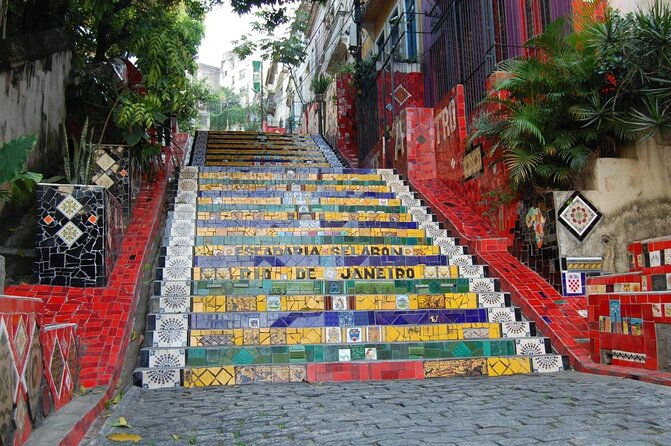
- Santa Teresa, anchored by the 1897 tram line: You get the neighborhood setting, even if you do not ride.
- Laurinda Santos Lobo’s Parque das Ruínas: A quick stop with a big cultural backstory.
- Lapa arches and Praça XV in one circuit: Water infrastructure meets Rio’s civic core.
- Short downtown photo stops: Cinelândia and other squares are designed for quick seeing.
- Big name buildings from the outside: The tour favors architecture time over museum tickets.
- Guide quality can change the pace: Some guides are lively and others can feel rushed.
Why Santa Teresa plus downtown creates the real Rio picture
If you only hit the classic Rio viewpoints, you miss the city’s middle layer: the streets where people actually lived, worked, and showed off. This tour is built to connect two places that feel like different worlds.
Santa Teresa is the bohemian hillside zone people associate with art, old mansions, and street corners that look like they have stories. Downtown Ancient Rio is where Rio’s power shows up in stone—squares, civic buildings, and grand early-1900s architecture.
The big value is the way the stops add up. Even when you are not stepping inside a museum, you are learning how the neighborhood styles and city institutions shaped daily life.
You can also read our reviews of more tours and experiences in Rio de Janeiro.



Price and logistics: what $55 buys (and what it does not)
At $55 per person for about 4 hours, you are paying mainly for two things: hotel pickup/drop-off and guided routing by air-conditioned vehicle. That matters in Rio, where traffic and distances can chew up time fast.
What you do not get is also important. This is not a lunch-included day, and it does not include entrance tickets for museums. Some stops are free, but several famous buildings are viewed from the outside, so you are going for atmosphere and architecture, not paid-in museum time.
Group size is capped at 19 per minivan. That is usually small enough for questions, but the pace can still feel tight if you want long photo breaks.
A practical timing note
In the real world, timing can shift. On big holidays, some shops and small spots may be closed, and during peak periods like Carnival, traffic can push the schedule. If you book this for a day with major events, keep your expectations flexible.
Santa Teresa: mansions, painters, and the tram line from 1897
Your first main block is Santa Teresa, a hillside neighborhood with an artistic reputation and old homes that look like they were designed for postcards. Expect to spend about 1 hour here, with time for walking and admiring the mansions dating to the 20th century.
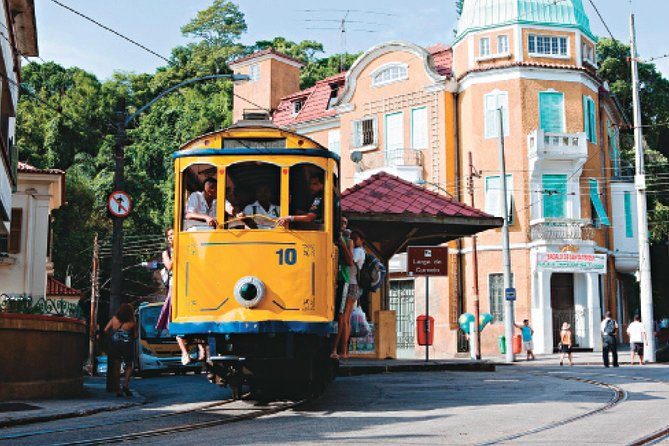
A neat detail: the neighborhood still has a tram system dating to 1897. That is not just a trivia point—it helps you understand why Santa Teresa developed the way it did, linking the hill to the city.
What to wear here
Wear shoes you trust on uneven ground. One of the most common complaints is that cobblestones and old streets can be a lot if you have mobility limits. This is a walking-heavy neighborhood, even if each stop is not long.




Tram expectations
You should also calibrate your expectations about the tram ride itself. This tour focuses on sightseeing and neighborhood context rather than a dedicated tram ride. If you specifically want to ride that classic line, ask ahead or plan a separate trip.
Parque das Ruínas: Laurinda Santos Lobo’s art legacy in 20 minutes
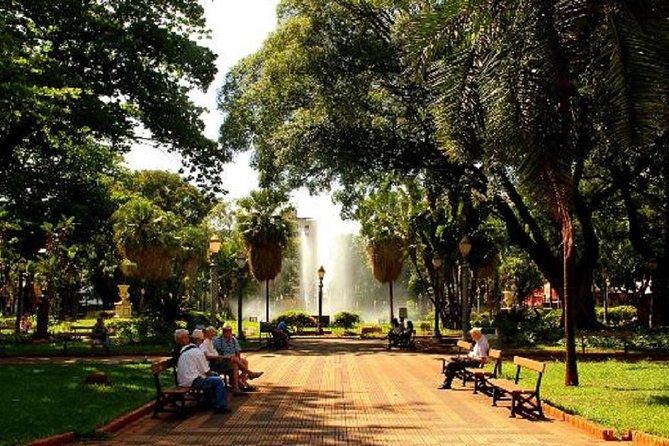
Next you go to Centro Cultural Municipal Parque das Ruínas, where the setting itself carries the story. This was once the home of Laurinda Santos Lobo, described as a major female patron of the arts, and the site now functions as a cultural center.
You only have about 20 minutes here, so treat it as a stop for orientation: a quick sense of why the place matters and how art support shaped Rio’s cultural scene. Admission for this stop is listed as free, which helps this day feel like real value.
What this stop is best at
If you like cultural context but you also like moving, this works. You get a clear connection between “who supported the arts” and “what Rio became,” without turning the day into a long museum marathon.
Arcos da Lapa and Praça XV: water, transit, and Rio’s civic core
Then comes the skyline of Arcos da Lapa, the famous arches you associate with Santa Teresa’s connection to the city. Historically, they were used to transport water, and today they function more like a route residents use to move between areas.
Plan around 30 minutes here. The arches themselves are not included with a ticket in the tour listing, so treat this as a look-and-understand moment rather than a paid attraction day.
Praça XV de Novembro: history in plain sight
After Lapa arches, you head to Praça Quinze de Novembro for about 30 minutes. This square sits in Rio’s historical center and is surrounded by key civic buildings, including Palácio Tiradentes, the Legislative Assembly, and the Paço Imperial.
A practical plus: the Praça XV Station area also serves as a ferry terminal connecting destinations in Rio and Niterói. So the square is not just old architecture—it is also a functioning transport hub. That helps the past feel less like a museum and more like a city that still works.
Admission here is listed as free, so you get a lot of seeing for very little friction.
Arco do Teles and Cinelândia: old market lanes and theatre-square energy
Two quick stops add texture: Arco do Teles and Cinelândia.
Arco do Teles (20 minutes)
This is where the old downtown market vibe shows up in small streets and alleys filled with bars and small restaurants. The route gives you about 20 minutes, which is just enough time to get the feel of the lanes without needing a full meal commitment.
Admission is listed as free. This stop is a good “pause for atmosphere” moment if you want to feel what downtown life is like beyond the main monuments.
Cinelândia (30 minutes)
Next is Cinelândia, a major downtown square surrounded by historical buildings and a favorite zone for photos. The listed time is 30 minutes, which is perfect for quick viewpoints, street pictures, and spotting the grandeur of early-20th-century Rio.
The outside-architecture trio: Belas Artes, Theatro Municipal, Biblioteca Nacional
The last stretch leans into big names and big style—but with a key twist: the tour does not include entrance into these buildings. You spend time admiring the architecture instead.
Museu Nacional de Belas Artes (10 minutes)
This building is designed in 1908 by architect Adolfo Morales de los Rios. It was created to host the National School of Fine Arts and is part of the urban modernization credited to mayor Pereira Passos in Rio’s period as the Federal Capital.
You only get 10 minutes, so it is mostly a visual stop. Admission is not included, and there is no mention of entry.
Theatro Municipal do Rio de Janeiro (10 minutes)
The Theatro Municipal is one of Brazil’s most important theatres, inaugurated in 1909. You will not go inside, but you do get time to appreciate the building’s presence, which is often enough to make the place feel real.
There is also a standout detail: since the 1930s, it has maintained artistic independence, and it is the only Brazilian institution listed as having its own choir, symphony orchestra, and ballet company. Even without entering, that kind of fact helps you see why the theatre is such a big cultural symbol.
Biblioteca Nacional (10 minutes)
The Biblioteca Nacional is the biggest library in Latin America, founded in 1810 by D. João VI of Portugal. It is described as holding an archive with almost 9 million items, including rare books, manuscripts, original letters written by Princess Isabel, early newspapers, and two copies of the Mainz Psalter Bible printed in 1492.
Again, you do not enter. You spend about 10 minutes admiring the building and its scale. For many people, this is the perfect way to add “serious Rio” without spending the whole day on tickets.
The guide factor: where the experience can speed up or slow down
In a tour like this, the guide can make it feel like a story—or like a checklist with car stops.
Names that showed up with strong praise include Renato, Wagner, Roger, Dario, Monica, Wanessa, Romeu, and Jack Daniel. People highlighted things like clear explanations, energy, and guides who connected history to how Rio works today.
But pace matters. A few experiences felt rushed, with limited time at photo spots and not much room for extra breaks. Another common theme is that some guides focus on driving and less on engaging with the group.
How you can tip the balance
Bring a small list of questions before you go. Ask directly when something catches your eye, like why the Lapa arches matter today or what makes Parque das Ruínas special. With a small group, this often translates into better time at the right corners.
Best day to go: opening hours and street-level reality
This tour leans on free and outdoor-access highlights, which helps. Still, the city calendar can change what feels open and alive.
On a day like New Year’s Day, some shops and handicraft-style spots can be closed, which reduces the “street browsing” part of Santa Teresa and downtown. Another pattern: Monday can mean many things are quiet or closed, which can make Santa Teresa feel more like a neighborhood you look at than one you explore through shops.
There is also a suggestion that Sunday can work well early in the day for downtown clarity. If you like photo stops without too much crowd pressure, aim for a day when the center is calmer.
Traffic is its own variable. If you are going around Carnival, build in extra time and patience, since delays can affect pick-up and the return ride.
Who should book this tour, and who should adjust expectations
This is a great fit if you want a fast first look at “real Rio” beyond the big postcard sights. You get both sides: hillside Santa Teresa texture and downtown Ancient Rio’s civic architecture, all guided within a half-day schedule.
It is also good for people who:
- like history explained through neighborhoods, not just facts in a museum
- want a route that takes you to major sights without handling ticket logistics
- enjoy walking short stretches and photo stops
It is not the best match if you:
- have limited mobility, because Santa Teresa’s streets can be rough and uneven
- want long museum time, since entrances are not included for the major indoor sites
- are hoping for a dedicated tram ride, since the focus is sightseeing rather than boarding
Should you book the Ancient Rio and Santa Teresa Tour?
If you want a short, guided orientation to two of Rio’s most identity-filled neighborhoods, this is an easy yes. For the price, you get hotel pickup, air-conditioned transport, and a tight route that explains why Santa Teresa and downtown matter together.
Skip or modify it if your top priority is indoor museum access or you specifically want to ride Santa Teresa’s tram as a main activity. In that case, you will likely enjoy it more if you add another day for tram riding or museum entry.
If you book, do one simple thing that pays off: wear supportive walking shoes and plan to spend your time looking closely at street-level details. This tour is at its best when you slow down for corners, arches, and architecture you might otherwise speed past.
FAQ
How long is the Ancient Rio and Santa Teresa tour?
The tour lasts about 4 hours.
What does the price include?
The price includes air-conditioned vehicle transport, plus hotel pickup and drop-off back at the meeting point.
Are museum entrances included?
No. The tour lists museum entrances as not included, and for major buildings it notes time for architecture viewing rather than entering.
Do I ride the Santa Teresa tram on this tour?
The tour includes time in Santa Teresa and references the tram line in the neighborhood, but the tram ride itself is not included as part of this timeboxed itinerary.
Where is the meeting point?
The tour starts at Hotel Rio Othon Palace, Av. Atlântica, 3264, Copacabana, Rio de Janeiro and returns you there.
How large is the group?
It runs with a maximum of 19 travelers per minivan (with an overall maximum of 99 travelers for the experience).