REVIEW · RIO DE JANEIRO
Rio de Janeiro: the biggest favela tour in Rio, lest go!
Book on GetYourGuide →Operated by Rio tours & activities · Bookable on GetYourGuide
Rio’s street art tells the real story. In this Rio de Janeiro favela tour, you’ll see graffiti and community life side by side, then earn big skyline views from the hill. It’s the kind of outing that helps you understand the city beyond postcards and headlines, with the art and panoramas doing most of the talking.
Two parts I especially like are the photo-friendly stops at the local market and the wall paintings, where the focus is on artists and creativity, not just scenery. I also like that you get a real-life pause inside a local home for coffee, so the visit feels human, not like a quick photo and a vanish.
The main thing to plan for is physical effort. There are lots of steps, and the tour is not suitable for pregnant women, so you’ll want solid shoes and a calm pace. Also, bring cash because you’re asked to pay the local guide an extra $10.
In This Review
- Key things I’d circle before you go
- Meeting Point Near Copacabana: Start Smart
- First Rules Inside a Community: Respect Is the Tour
- Short Ride Options: Scooter or Motorcycle for the Tough Part
- The Market and the Artists: Photo Stops With Meaning
- Starting the Walk: History, Rules, and the Real Rhythm
- Inside a Local House for Coffee: The Best Reality Check
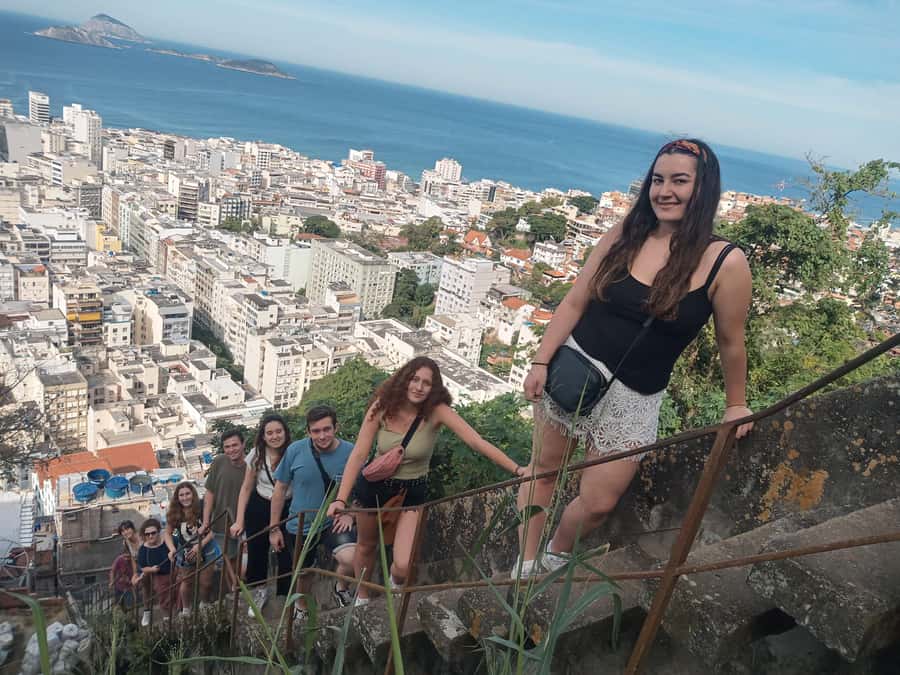
- The Hilltop Hike: Views That Explain Why People Live Here
- The Kids’ Art Gallery Stop: Where Creativity Becomes Opportunity
- Optional Soccer and Music at the End
- Price and Value: Is $80 Fair for What You Get?
- What to Bring (and What to Leave Behind)
- Who This Tour Fits Best (and Who Should Skip It)
- Should You Book This Favela Tour?
- FAQ
- FAQ
- Where is the meeting point?
- Is hotel pickup and drop-off included?
- What’s included in the tour price?
- Do I need cash for the local guide?
- What languages are the guides?
- Is this tour suitable for pregnant women?
Key things I’d circle before you go

- Art walls with real stories rather than random graffiti snapshots
- Coffee in a local house, which changes the whole tone of the tour
- Hilltop views covering Ipanema, Leblon, Flamengo, Rodrigo de Freitas, Christ the Redeemer, Copacabana, and Sugarloaf
- Optional soccer with locals, if you want to join in
- A kids’ art gallery stop where art training is part of better life opportunities
- Short scooter or motorcycle ride options to shorten a tough stretch
Meeting Point Near Copacabana: Start Smart
The tour meets right at the corner of Avenida Nossa Senhora de Copacabana and Rua Sá Ferreira, at Rua Sá Ferreira, 38. That matters because this kind of community tour works best when everyone meets on time and in the same place, before the group starts moving through tight streets.
It’s also a good sign that the meeting point is in the Copacabana area. You’re not being shuttled far away just to start walking. You can get oriented, grab water, and show up ready to walk. If you’re staying nearby, you’ll save time.
If you’re choosing an outfit, think breathable and simple. You’ll be moving on foot for stretches, and the tour notes sports shoes for a reason.
You can also read our reviews of more tours and experiences in Rio De Janeiro.



First Rules Inside a Community: Respect Is the Tour
This is not a sightseeing-only walk. You get clear instructions on how to behave and how to respect the community as you explore. That includes understanding that this is people’s everyday space, not an open-air attraction.
You’ll start from the lower part of the favela and work upward. The early briefing sets expectations for how you dress, how you talk, and how you move through neighborhoods. That kind of guidance is what makes the experience feel steady and thoughtful rather than awkward.
One of the best parts is that your guide is not just explaining from a distance. On this tour, you may be guided by a resident like Jefferson, someone who knows the streets and can introduce you to locals as you go. That helps a lot with comfort, because it turns the whole thing into conversations and connections instead of nervous scanning.
Practical tip: keep your camera ready, but don’t treat it like a shield. Watch first, then shoot when it feels right.
Short Ride Options: Scooter or Motorcycle for the Tough Part
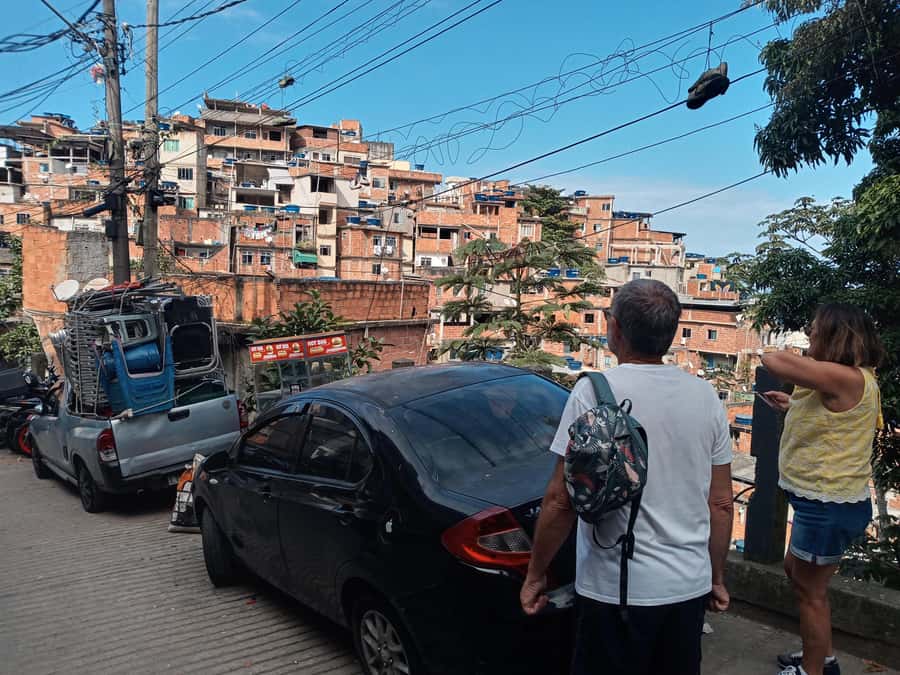
The route gives you an option to cut down on the hardest walking. You can take a scooter ride for about 15 minutes early on, and there’s also an option to hop on a motorcycle for around 5 minutes straight toward the middle of the favela.
Why this matters: favela neighborhoods are steep. When you choose the ride option, you’re more likely to save your legs for the viewpoints, the art walls, and the longer hill climb sections. If you’re not up for every step, this is the best compromise.
If you do plan to walk a lot, still choose shoes with good grip. The tour is built around steps and uneven surfaces.
The Market and the Artists: Photo Stops With Meaning
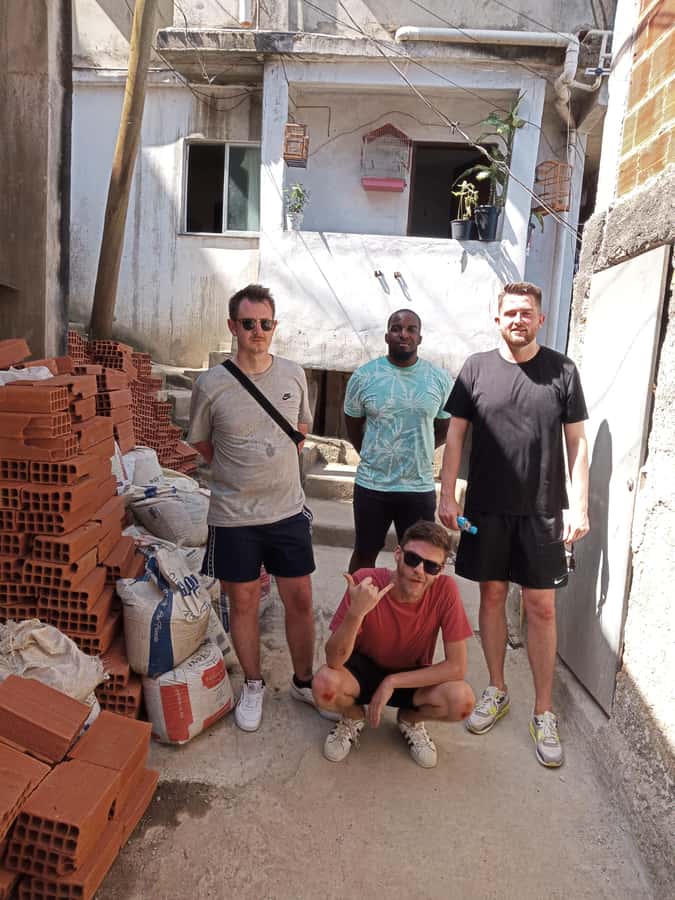
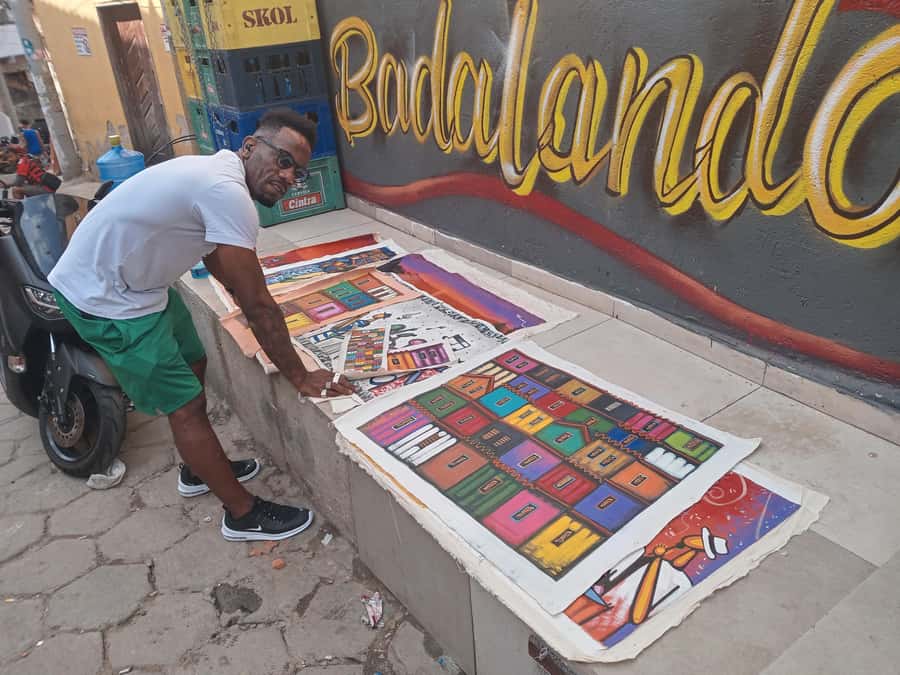
One of the highlights is the stop at the local market—not a generic souvenir stall, but a place where food and everyday art show up together. You’ll have time for photos focused on the market’s vibe and the artists creating and selling their work.
What I like about this approach: it doesn’t ask you to treat the favela as a backdrop. It frames the market as a creative economy, where people work, make, and sell. That changes how you see what you’re photographing.
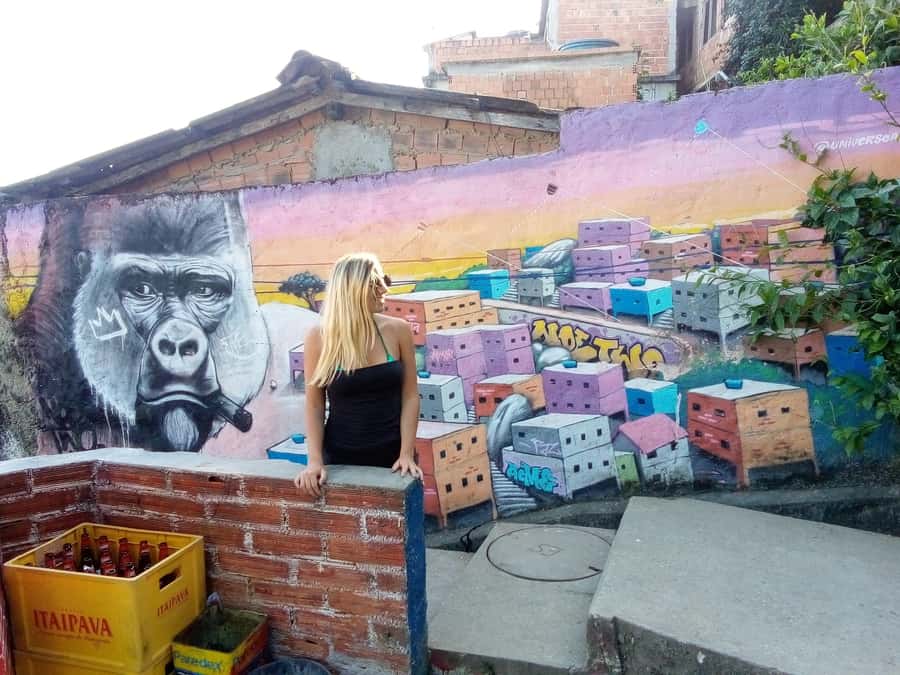
You’ll also hit painted walls and graffiti pieces during your walking time. The tour specifically emphasizes wall paintings full of history and passion, which is exactly what you want from street art. Instead of just color, you get context—who made it and what it represents.
Photo tip: keep an eye on light. Some walls look best a bit later in the day when the sun hits at an angle. If your guide times it right, you’ll get better textures and less glare.
Starting the Walk: History, Rules, and the Real Rhythm
Once you leave the lower area, the pacing becomes a lesson in how the neighborhood moves. You’ll make stops for stories, art, and neighborhood exploration, and you’ll get instructions on how to behave in practical ways.
This part is where the tour earns trust. When you’re walking with a guide who knows what’s okay and what isn’t, you don’t have to guess. The conversation tone is also different here. People aren’t performing for you, but they may react when you show genuine respect and curiosity.
You should expect lots of viewpoints and changes in street levels. Take it slow. Even with a ride option, you’re still doing a lot of climbing.



Inside a Local House for Coffee: The Best Reality Check
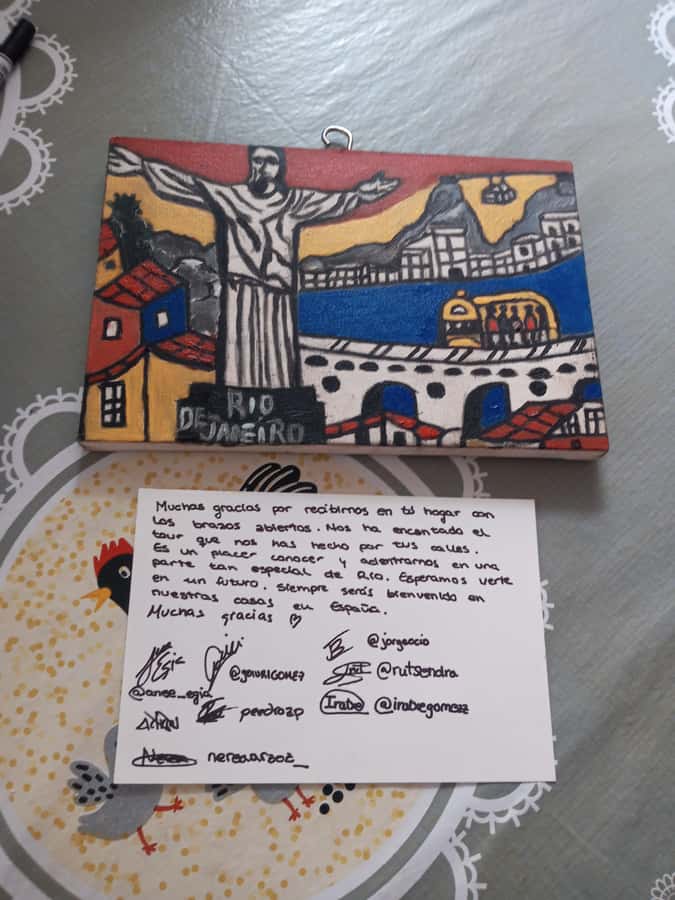
One stop is an experience inside a local house where you can have coffee. This is one of the most meaningful parts of the itinerary because it brings you from street-level observation into something personal.
Why it’s valuable: you get a small moment that reminds you the favela is not just a place to visit. It’s homes, routines, and hospitality. A coffee pause can make the whole tour feel less like a “tour of difference” and more like a conversation with Rio.
In your planning, treat this as a comfort moment. Wear clothes you can move in. And remember: even though coffee is on the tour, you’ll want to be mindful and respectful in a private setting.
The Hilltop Hike: Views That Explain Why People Live Here
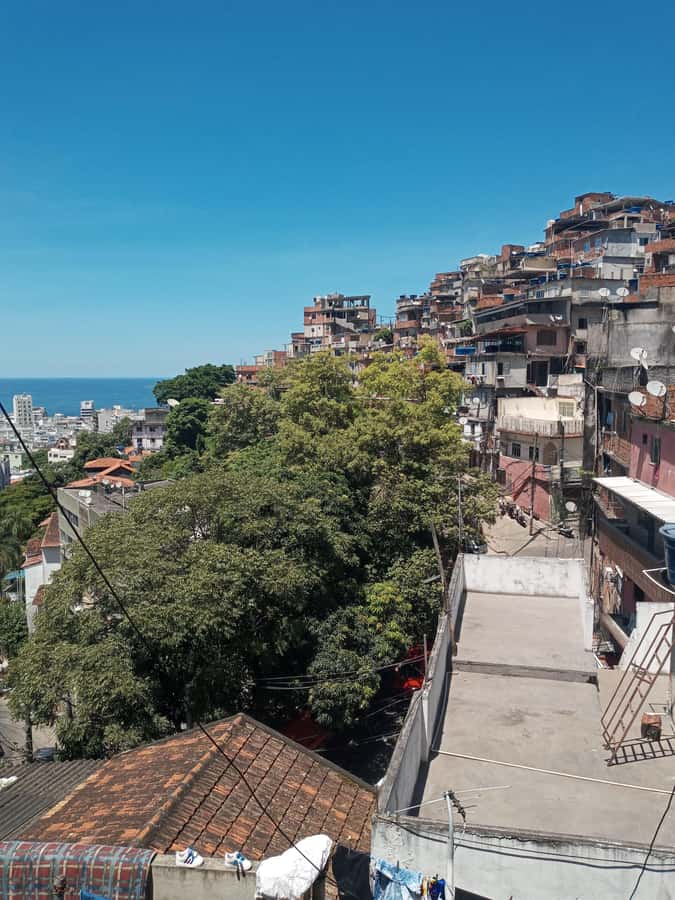
After the art-and-market sections, the tour includes a hike to the top of the hill. This is where you see Rio’s geography in a way that doesn’t fit on one photo.
From the viewpoint, you’ll get a view across Ipanema, Leblon, Flamengo club, Rodrigo de Freitas lagoon, and farther toward Christ the Redeemer. You’ll also look over the jungle area and then out to Copacabana Beach and Sugarloaf from the hilltop.
This is more than a skyline. The angle tells you why this city sprawls the way it does—why neighborhoods stack on slopes, why routes follow the terrain, and why the view is part of everyday life.
Considerations:
- Bring water if you can (the tour includes a coffee break, but not extra water listed).
- Pace yourself. The steps can feel longer on the way up than on the way down.
- If you’re sensitive to heights or fatigue, ask your guide about your pace option early.
The Kids’ Art Gallery Stop: Where Creativity Becomes Opportunity
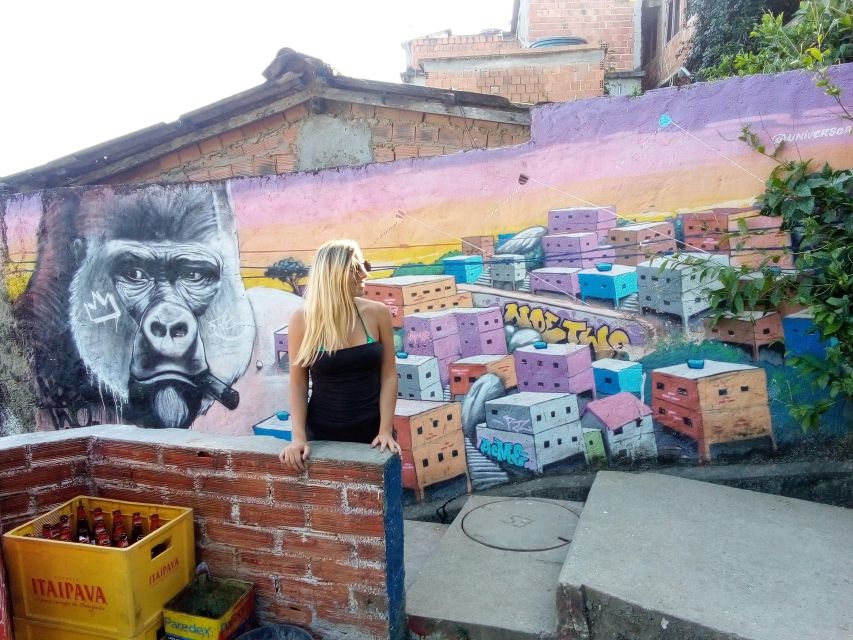
Another strong part of the itinerary is a visit to a gallery connected to a very famous local who teaches kids how to paint and helps them build a better life. You’re not just seeing art on walls; you’re learning how art becomes education and support.
This stop helps you understand why graffiti and murals matter here. They’re not only decoration. They can be training, expression, and a pathway out of hardship.
If you want the tour to leave you with something lasting, this is often the moment. It puts the community’s creativity into a bigger story: what happens when support turns talent into options.
Optional Soccer and Music at the End
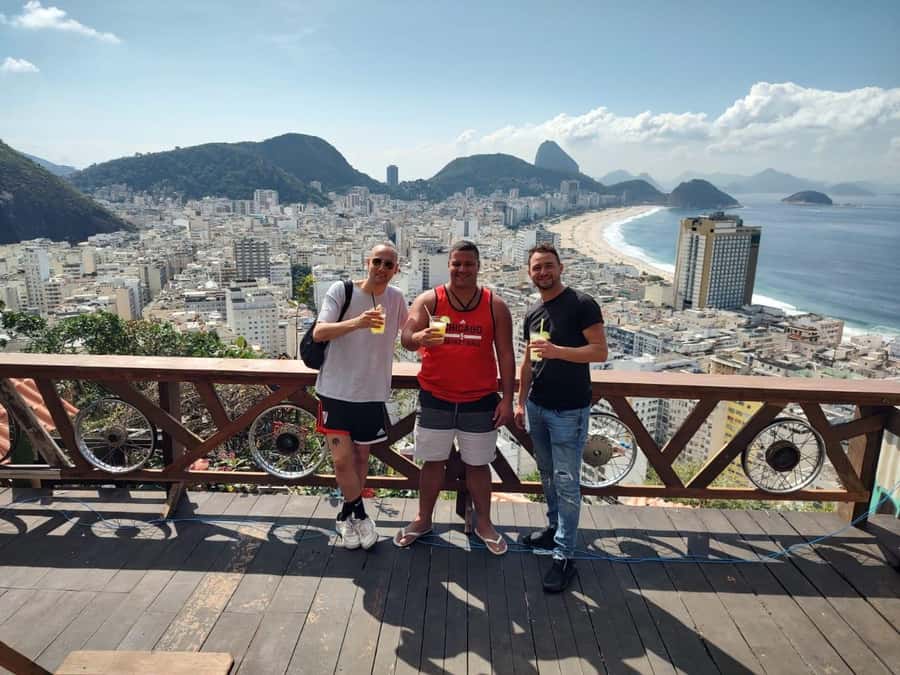
If you’re into simple group fun, there’s the option to play soccer with locals during the tour. Even if you’re not a star player, the point is participation and good energy, not competition.
At the end, the tour includes a chance for Brazilian music and time at the top of the favela, with an option for drinks and appetizers. Since food and drinks aren’t listed as included, think of this as a pay-as-you-go moment if you want to snack or drink.
Either way, the musical finish changes the tone. You end with Rio feeling like Rio: rhythm, people, and atmosphere.
Then you return to the meeting point near Rua Sá Ferreira.
Price and Value: Is $80 Fair for What You Get?
At $80 per person, this tour sits in the “serious experience” range, not a quick budget add-on. The value comes from a few things:
- You get a guide who operates inside the community, with local introductions and guidance on respectful behavior.
- You get multiple high-value experiences in one flow: market photos, art walls, home coffee, hilltop views, a kids’ art gallery.
- You’re not just driving past places; you’re walking, climbing, and understanding the city’s shape and social texture.
What’s not included is also important. Food and drinks are not included, so you’ll likely spend extra if you want snacks at the end. The tour does include a coffee break, but that’s it on the refreshment side.
Also budget for the extra $10 cash payment requested for the local guide. That small added expense matters because it signals you’re participating in a fair, community-focused visit.
If you want a “views only” Rio tour, you can find cheaper. But if you want a real perspective on Rio and its art culture, the price starts to make sense.
What to Bring (and What to Leave Behind)
The tour lists a simple prep list:
- Breathable clothing
- Sports shoes
That’s exactly what you should aim for. You’ll be walking on uneven ground, taking steps, and moving between viewpoints and stops.
Also bring cash for the local guide ($10). If you want drinks or appetizers at the end, have a little extra.
Leave behind anything that would make you feel awkward in someone’s home. That means keep your camera handling low-key and your behavior polite. This is a community visit first.
Who This Tour Fits Best (and Who Should Skip It)
This tour is a strong match if you want:
- Street art and graffiti with context
- Community conversations instead of surface photos
- A big view payoff that includes places like Ipanema, Copacabana, and Sugarloaf
- A chance to see how art training helps kids through a gallery stop
- Optional social fun like soccer with locals
It’s not suitable for pregnant women, since the tour involves lots of steps. If you have mobility limitations, you should consider that you may still need to walk and climb even with ride options.
If you’re traveling with someone who gets impatient on slow-paced walks, this may not be their favorite format. But if you like thoughtful travel, it fits well.
Should You Book This Favela Tour?
If you want Rio through art, community life, and hilltop views, this is a smart booking. The best reason to go is that the tour connects the dots: market art, wall murals, a home coffee moment, then the viewpoint that makes Rio’s layout click. It also helps that you get clear rules on how to behave, which keeps the experience respectful.
I’d skip it only if:
- you can’t handle lots of stairs and steep walking,
- or you’re not comfortable traveling in a space that is clearly someone’s home.
If you do book, come with comfortable shoes, an open mind, and the cash you’re asked to bring. You’ll get much more than a skyline photo.
FAQ
FAQ
Where is the meeting point?
The meeting point is at the corner between Avenida Nossa Senhora de Copacabana and Rua Sá Ferreira, at Rua Sá Ferreira, 38.
Is hotel pickup and drop-off included?
No. Hotel pickup and drop-off are not included.
What’s included in the tour price?
Included is a coffee break and the meeting point experience, along with the tour guide and the overall guided visit.
Do I need cash for the local guide?
Yes. You’re instructed to bring cash to pay the local guide, $10.
What languages are the guides?
The tour offers a live guide in English, Portuguese, and Spanish.
Is this tour suitable for pregnant women?
No. It is listed as not suitable for pregnant women.