
REVIEW · MARACANA STADIUM
Rio: Maracanã Stadium Official Entrance Ticket
Book on GetYourGuide →Operated by Ingresso Com Desconto · Bookable on GetYourGuide
Maracanã feels larger than life. With an official ticket, you get inside Rio’s most famous stadium for a short behind-the-scenes circuit that includes the pitch, changing rooms, and the tunnel. Even if football isn’t your whole thing, the scale hits fast.
I love the hands-on feeling of being in the places that usually belong to players and staff. You can sit in the dugout, step into the press conference room, and walk through the warm-up and changing spaces with that stadium-at-night kind of energy.
One watch-out: this is often mostly self-paced after brief instruction, and the meeting/entry notes online can be a little confusing—so give yourself extra time and aim for Gate A.
In This Review
- Key highlights at a glance
- Gate A Arrival: Finding the Right Entrance Quickly
- What the 40-Minute Maracanã Circuit Feels Like
- Museum Gallery: Brazilian Football History You Can Touch
- Changing Rooms and Warm-Up Areas: The Match-Day Reality Check
- Players’ Tunnel and Pitch Side: Where the Photos Get Serious
- Press Conference Room and Dugout-Style Seating
- Price and Value: Why $24 Might Be a Smart Deal
- Who Should Book This Maracanã Ticket
- Should You Book the Official Maracanã Entrance Ticket?
- FAQ
- How long is the Maracanã visit?
- What’s included with the $24 ticket?
- Where do I enter?
- Is there a guided tour?
- Is the stadium tour wheelchair accessible?
- What is not included?
Key highlights at a glance

- Gate A entry near Rampa da UERJ: the key to avoiding delays
- Players’ tunnel access: walk the route players do
- Changing room + warm-up room: not just the pitch view
- Dugout and press conference room: stadium roles, not just seats
- Museum with Brazilian football history: artifacts and exhibits tied to big eras
- Optional extra photo/kick experiences: worth it if you like memorabilia
Gate A Arrival: Finding the Right Entrance Quickly
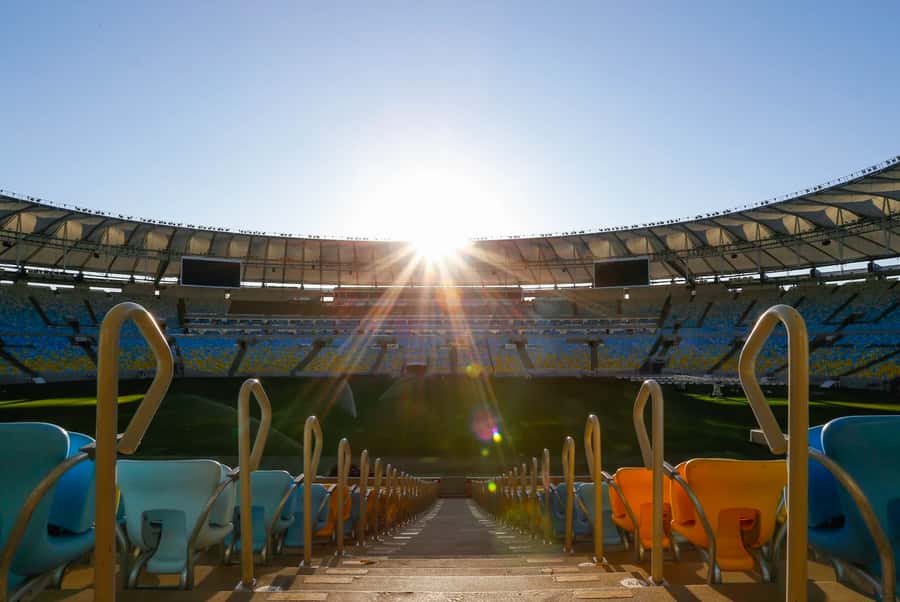
This ticket is straightforward: show up, get in, and follow the route through Maracanã’s main behind-the-scenes areas. The part that matters most is where you enter.
Go to s/n Gate A for pedestrians, near Rampa da UERJ, at Av. Rei Pelé, 2 – Maracanã, Rio de Janeiro – RJ / 20271-130. After booking, you’ll receive a separate email with a voucher. Bring it on your phone or printed, and show it at the box office located at Gate A.
If you’ve ever arrived at a big venue and played the guessing game, this is the one place you shouldn’t rush. Some instructions floating around online have been confusing, and the simplest fix is: don’t hunt for a vague meeting point. Head straight to Gate A, enter, and keep moving toward the tour area.
Also: the tour can be affected on match days. The last visit ends 3 hours before the opening of the gates if there’s a match schedule. If the day or time changes, you’ll need to contact the provider for another available slot (or get a refund, depending on timing). So check your date before you leave the hotel.
What the 40-Minute Maracanã Circuit Feels Like

The visit is advertised as a short tour—about 40 minutes—but in practice, it’s more “walk through key areas” than “big guided show.” Many people experience it as an easy-flow circuit with signage and staff support, plus an intro that tells you how to move.
That matters because you can control the pace. If you want photos, you’ll probably slow down in the pitch zone and tunnel area. If you want facts and context, look for any on-site staff explanations and ask questions. On some visits, English-speaking guides have been specifically mentioned—names like Liz and Mili come up for clear explanations and friendliness—so if you get one, take the chance.
You’ll pass through the stadium in a logical order: museum and exhibitions first, then the locker/changing spaces, then the tunnel to the pitch, and finally the press-side rooms. The goal is to make you feel the stadium in sequence, like a match day.
Museum Gallery: Brazilian Football History You Can Touch
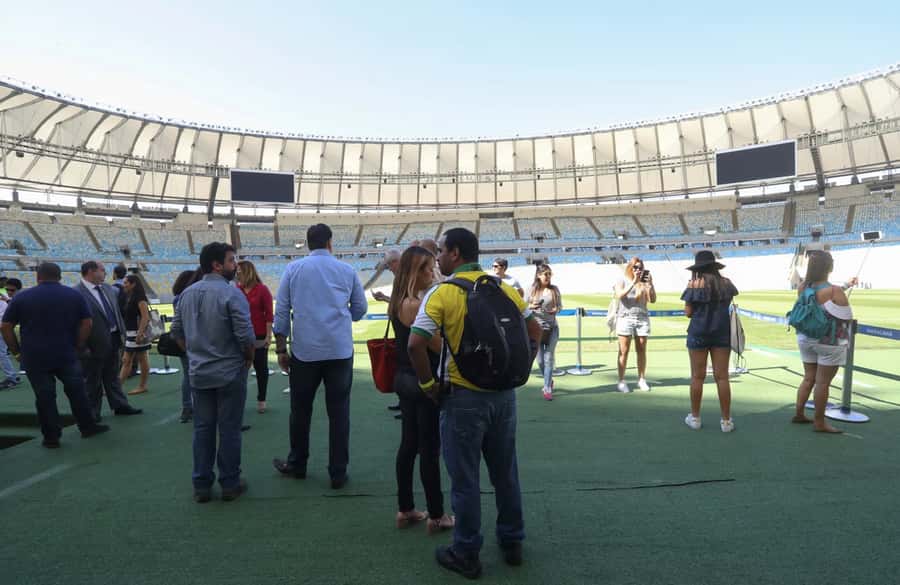
Before you enter the player zones, you’ll hit the museum admission and exhibition space. This is where the stadium stops being only a building and starts being a timeline.
You’ll see pieces that connect Maracanã to major moments: the stadium was built in 1950, later revamped multiple times, and it hosted the 1950 World Cup. It also played a major role in the 2014 World Cup, plus events like the Confederations Cup in 2013, the Pan American Games opening and closing ceremonies (2007), and the Olympic and Paralympic Games in 2016.
The museum focus is Brazilian football history—jerseys, trophies, memorabilia, and exhibits that help you understand why Maracanã matters beyond one game. One of the best parts here is the variety of items. If you’re not the type to read every label, you’ll still enjoy seeing the physical stuff: the kinds of objects you can imagine turning up in a documentary.
A practical tip: if you’re pressed for time, do the museum quick scan first, then use your “slow time” later at pitch level. If you’re a history person, reverse it and spend longer with the exhibits, then move to the tunnel/pitch for the peak photo moments.
Changing Rooms and Warm-Up Areas: The Match-Day Reality Check
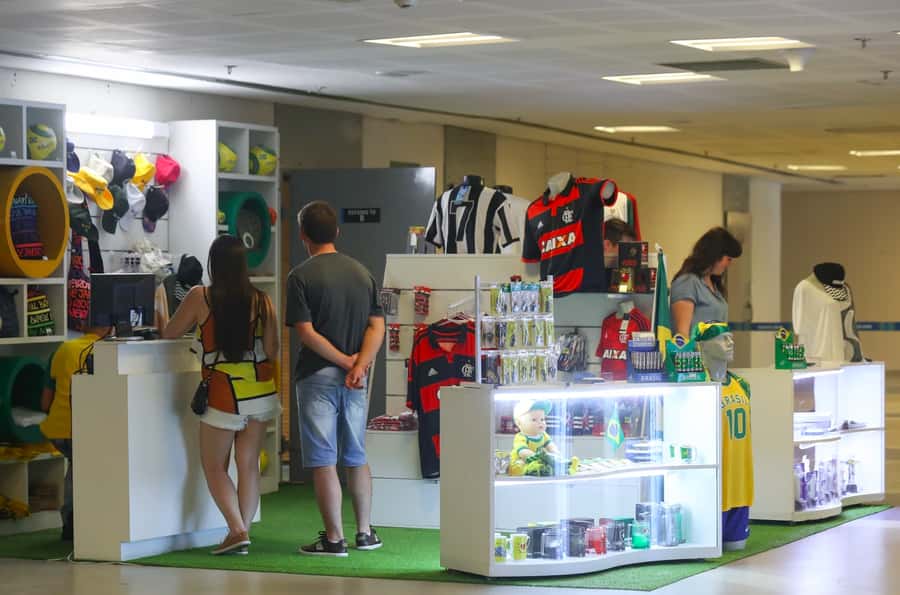
After the museum, you step into the spaces that feel like the stadium’s backstage. Expect access to the changing rooms and a warm-up room area.
This is where the whole experience turns from sightseeing into role-playing. It’s one thing to look at a stadium from the outside. It’s another to stand where players get dressed, adjust equipment, and calm themselves before a big moment.
The best part is how fast you can imagine what’s happening. You’re seeing the practical layout: where people would gather, where the flow moves, how staff and players would move around the building. If you’re a fan, it’s emotional. If you’re not, it still helps you understand the stadium as an operating machine.
One note: because the tour can be mostly self-guided after the intro, you’ll want to pay attention to the markers and signs. People have described the route as guided by barriers and simple direction rather than a deep narration throughout. So don’t count on someone walking beside you for every step—still, you’ll have plenty of chances to explore.
Players’ Tunnel and Pitch Side: Where the Photos Get Serious
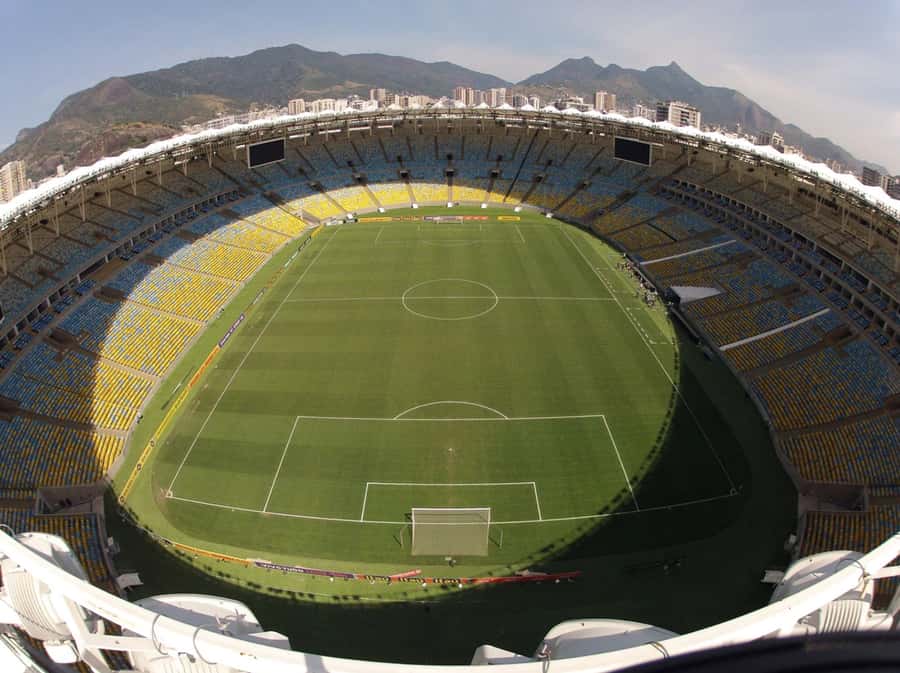
Then comes the highlight route: you’ll walk down the players’ tunnel and reach the pitch area. This is the moment most people remember after they leave.
Standing in the tunnel gives you a framed view of the stadium and the pitch, and it’s easy to imagine the roar you’d hear coming out. It also changes how you see the field: you’re not just looking at grass and lines now. You’re experiencing the approach.
Once you reach the pitch-side access, you can stand close to the action zones, and some visits also include a chance to do a small interaction—like a kick/goal experience—or participate in photo setups. Extra-cost photo options are common. One visitor even mentioned adding-on professional photos after the tour.
There’s also access to the dugout area. Being able to sit there (even briefly) makes the whole stadium feel personal. It’s a small time investment for a huge “I’m here” payoff.
If you care about your shots: come ready to take your time at the tunnel and pitch. That’s where the light and angles usually make the biggest difference. Wear shoes you can stand in comfortably, because you’ll be moving more than you might expect in a 40-minute circuit.
Press Conference Room and Dugout-Style Seating
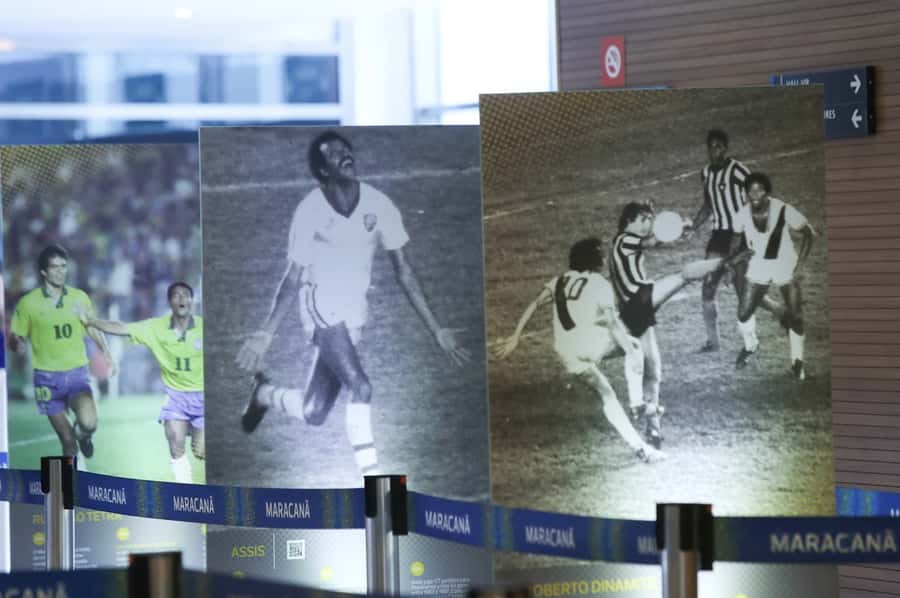
After pitch time, you’ll shift toward the media and staff side of the stadium: the press conference room and related areas. This is a smart inclusion, because it shows another side of match day beyond the field.
In the press area, you can sit or stand where coaches and players would face questions. Even without a single spoken word, the space communicates its role. It’s also a good way to slow down after the excitement of tunnel/pitch, since press rooms tend to feel more controlled and photo-friendly.
This is also where you get that full “stadium in one go” feeling. You’ve seen: history (museum), preparation (changing/warm-up), action approach (tunnel), the field (pitch), and the post-match spotlight (press).
Price and Value: Why $24 Might Be a Smart Deal

The ticket price is $24 per person, and the package includes stadium tour, museum admission, and behind-the-scenes access.
To judge value, ask yourself what you’re really buying:
- If your goal is to be in the tunnel and walk the player-route, this is a direct way to do it without needing match tickets.
- If you also care about the museum, you’re not paying just for a photo opportunity—you’re getting a structured entry into Maracanã’s football story.
Where value can rise (or fall) is in extras. Some experiences add-ons are available, such as professional photos or interactive kick/goal setups. If you’re the type who adds memorabilia, your final cost may be higher than the base ticket. Still, even when extras happen, the core access is the main event, and that’s what the $24 is really paying for.
One more helpful note: the experience has a strong overall satisfaction rate (a 4.4 average from 1,600+ ratings). That doesn’t mean every single visit is identical, but it does suggest the basics work: you get in, you see the key parts, and you leave with real stadium memories.
Who Should Book This Maracanã Ticket
I think this works best if you want Maracanã without the logistics and cost of matchday tickets.
It’s a great fit for:
- football fans who want tunnel + pitch-side + museum in one stop
- couples or friends where one person is a bigger fan but both want something memorable
- travelers who like authentic “where it happens” experiences more than big-ticket entertainment
It may be less ideal if:
- you’re expecting a fully narrated guided tour from start to finish
- you need constant explanations at every stop (since it can feel mostly self-paced after an intro)
- you’re very time-sensitive on a match day (timing can tighten)
Should You Book the Official Maracanã Entrance Ticket?

Yes, book it if your priority is access. For about $24, you’re buying entry to a real stadium experience: museum history, changing-room context, the tunnel, pitch side, dugout seating, and the press room. That’s a lot of “player and media” space for one visit.
I’d only hesitate if you want a guided-by-a-guide, minute-by-minute storytelling tour. Plan around the fact that the route is often self-paced, guided by signage and barriers after initial instruction. If that style fits you, you’ll enjoy how much you can see without feeling rushed.
If you go, give yourself extra time at arrival, enter through Gate A, and spend your slowest minutes at the tunnel and pitch-side areas. That’s where the day turns from ticket into memory.
FAQ
How long is the Maracanã visit?
The stadium tour is described as a short visit of about 40 minutes. The activity itself is listed as lasting 1 day with available starting times.
What’s included with the $24 ticket?
It includes the stadium tour, museum admission, and behind-the-scenes access.
Where do I enter?
Enter through Gate A for pedestrians, near Rampa da UERJ, at Av. Rei Pelé, 2 – Maracanã. You’ll show your voucher at the Gate A box office.
Is there a guided tour?
The experience can include an intro, but many visitors describe it as mostly self-guided through key areas with signage and access to several stops. English-speaking help may be available on-site.
Is the stadium tour wheelchair accessible?
Yes, the activity is listed as wheelchair accessible.
What is not included?
Hotel pickup and drop-off are not included, and food and drinks are not included.